
Glass Facades
Tinted Glass for Commercial Shopfronts: UV Protection & Aesthetic Appeal
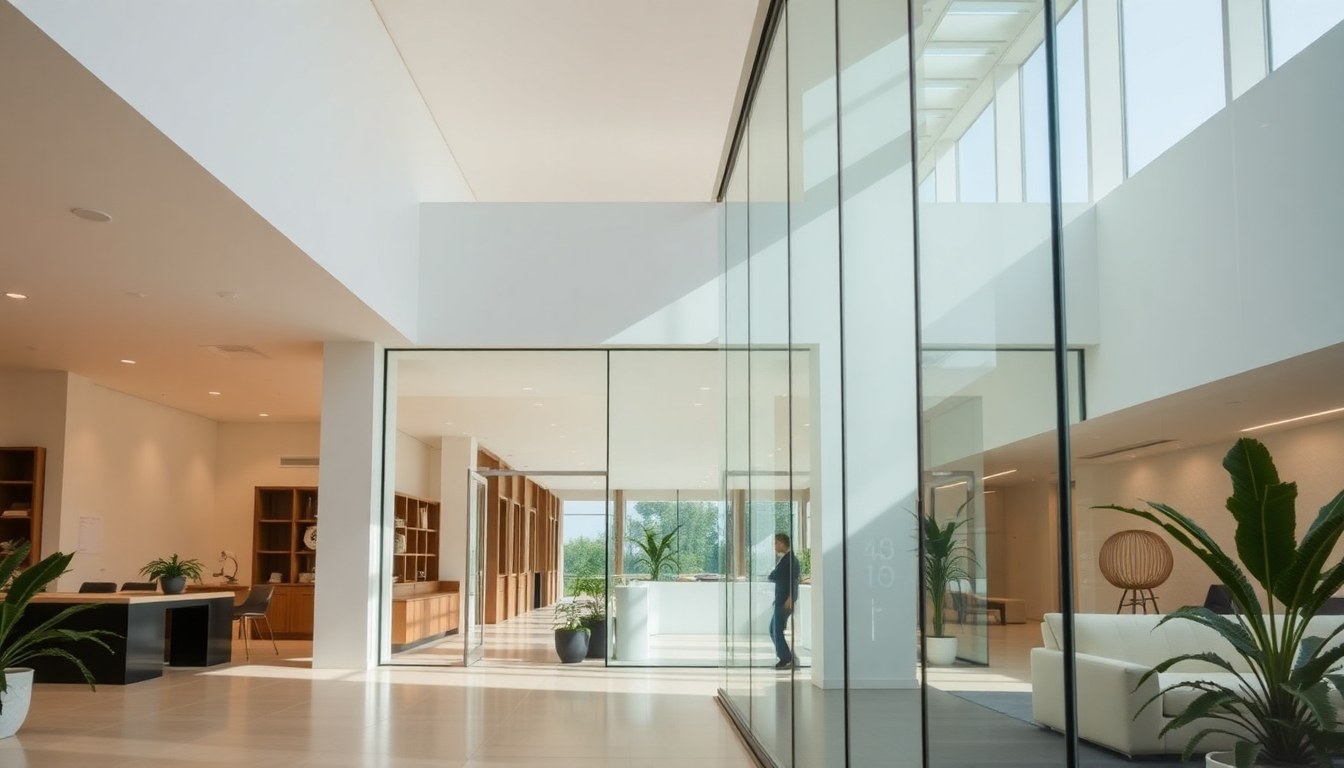
Retail spaces in India's bustling shopping districts face a critical challenge: protecting merchandise from sun damage while maintaining an inviting storefront. Tinted glass shopfronts solve this dual problem by blocking harmful UV radiation, reducing air-conditioning expenses, and projecting a premium brand image that attracts customers. Whether you operate a boutique in Hyderabad's Banjara Hills or a flagship store in any Indian mall, tinted glass is an investment that pays dividends through merchandise preservation and energy efficiency.
Why UV Protection Matters for Retail Merchandise
Ultraviolet (UV) radiation is invisible but destructive. It fades fabrics, discolors leather goods, degrades cosmetics, and weakens paper-based products—all common retail inventory. In India's intense tropical and subtropical climate, direct sunlight through clear glass accelerates this damage significantly. Merchandise displayed in windows can lose color and value within months, forcing retailers to rotate stock frequently and accept lower margins.
Tinted glass blocks up to 99% of harmful UV rays, creating a stable indoor environment that preserves product integrity. This is especially critical for luxury retailers selling high-value items like designer clothing, jewelry, and premium cosmetics. By investing in UV-protective tinted glass, shopkeepers extend merchandise lifespan, reduce waste, and maintain consistent product quality—directly improving profitability.
UV Damage in Indian Climate Conditions
India's proximity to the equator means stronger, more direct sunlight year-round. Cities like Hyderabad, Bangalore, and Mumbai experience intense UV exposure even during monsoon seasons. Retailers in these regions report noticeably faster fading of window displays compared to cooler climates. Tinted glass becomes not a luxury but a necessity for maintaining competitive retail standards.
Energy Efficiency & Cooling Cost Reduction
Air-conditioning accounts for 30–40% of energy expenses in Indian retail spaces, especially in malls and high-street locations. Tinted glass reduces solar heat gain by reflecting and absorbing infrared radiation, meaning your HVAC system works less intensively to maintain comfortable indoor temperatures. This translates directly to lower monthly electricity bills—a benefit that compounds over the shopfront's 20+ year lifespan.
A typical commercial shopfront in a Hyderabad mall might reduce cooling costs by 15–25% after installing tinted glass, depending on the tint darkness and existing window area. For a shop with ₹50,000 monthly energy expenses, this could mean savings of ₹7,500–₹12,500 per month, or ₹90,000–₹150,000 annually. These savings quickly offset the initial investment in tinted glass installation.
Thermal Comfort & Customer Experience
Beyond cost savings, reduced heat gain improves customer comfort. Shoppers avoid the unpleasant experience of stepping into an oven-like environment, which encourages longer browsing times and higher conversion rates. Tinted glass maintains more consistent interior temperatures, reducing the jarring temperature shock when customers enter from outdoors—a subtle but psychologically important factor in retail environments.
Aesthetic Appeal & Brand Positioning
Tinted glass instantly elevates a shopfront's visual appeal. The subtle, professional appearance signals quality and sophistication to potential customers. Whether you choose neutral gray, elegant bronze, or contemporary blue-tinted glass, the aesthetic consistency creates a cohesive brand identity that distinguishes your retail space from competitors.
In competitive retail environments like Hyderabad's Inorbit Mall or Mumbai's high-street areas, visual differentiation matters. Tinted glass shopfronts appear more upscale and intentional than clear glass, suggesting that the brand invests in quality and customer experience. This perception can justify premium pricing and attract affluent customer segments.
Customization Options for Brand Identity
- Neutral Gray Tint: Professional, versatile, suits any retail category
- Bronze Tint: Warm, welcoming, popular for fashion and lifestyle brands
- Blue Tint: Modern, tech-forward, appeals to younger demographics
- Custom Opacity Levels: Control visibility into the shop while maintaining privacy
- Reflective Coatings: Add mirror-like properties for dramatic aesthetic impact
These customization options allow retailers to align their shopfront design with brand guidelines and target customer preferences, creating a cohesive visual experience across multiple store locations.
Installation & Maintenance Considerations
Professional installation is essential for tinted glass shopfronts. Poor installation can result in bubbling, peeling, or uneven tint application—problems that damage brand perception and waste investment. Reputable glass suppliers in India offer installation services that include proper surface preparation, precise application, and quality assurance checks.
Maintenance is minimal. Tinted glass requires the same cleaning as clear glass—regular wiping with glass cleaner and soft cloths. Unlike window films that can degrade over time, modern tinted glass is integral to the material itself, ensuring durability and consistent appearance for decades. Most quality tinted glass carries warranties of 10–15 years against defects.
Cost Factors & Budgeting
Tinted glass costs vary based on glass thickness, tint type, and customization. In India, expect to pay ₹400–₹800 per square foot for standard tinted glass, plus installation charges of ₹100–₹200 per square foot. A typical 200-square-foot shopfront might cost ₹80,000–₹200,000 installed, depending on specifications and location. This investment typically pays for itself within 2–3 years through energy savings alone.
Regulatory Compliance & Safety Standards
India's Bureau of Indian Standards (BIS) sets safety requirements for architectural glass. Tinted glass used in commercial shopfronts must meet IS 2553 (safety requirements for glass in buildings) and IS 2526 (code of practice for use of glass in buildings). Reputable suppliers ensure their products comply with these standards, protecting retailers from liability and ensuring customer safety.
Additionally, some Indian cities have building codes that specify maximum tint darkness to maintain visibility from outside—an important consideration for security and emergency egress. Professional glass suppliers are familiar with local regulations and can recommend compliant solutions for your specific location.
Real-World Applications in Indian Retail
Retailers across India have successfully adopted tinted glass shopfronts. Fashion brands in Hyderabad's malls report reduced merchandise fading and improved customer perception of their stores. Jewelry retailers appreciate the security benefit of tinted glass, which obscures interior details from potential thieves while maintaining an elegant appearance. Cosmetics and skincare shops benefit from UV protection, which preserves product efficacy and extends shelf life.
Even quick-service restaurants and cafes use tinted glass to reduce heat gain in their customer-facing areas, improving dining comfort and reducing operational costs. The versatility of tinted glass makes it suitable across retail categories, from luxury boutiques to everyday convenience stores.
Frequently Asked Questions
Does tinted glass reduce visibility into the shopfront?
Modern tinted glass maintains good visibility from outside during daylight hours, though some light reduction is natural. The degree of visibility depends on tint darkness—lighter tints preserve nearly full visibility, while darker tints increase privacy. Retailers can choose tint levels that balance privacy with window display visibility based on their specific needs.
How long does tinted glass last?
Quality tinted glass is integral to the material and lasts 20–30 years or more, far longer than window films. It doesn't fade, peel, or degrade like adhesive-based tints. Most manufacturers offer 10–15 year warranties against defects, and the glass maintains its protective properties throughout its lifespan.
Can tinted glass be applied to existing shopfronts?
Yes, existing clear glass shopfronts can be retrofitted with tinted glass. This involves removing the old glass panels and installing new tinted ones. While this requires temporary shopfront closure during installation (usually 1–2 days), it's a straightforward process for professional glass installers. The investment is worthwhile for shops experiencing merchandise fading or high cooling costs.
Is tinted glass more expensive than clear glass?
Tinted glass costs 20–40% more than clear glass initially, but the investment pays dividends through energy savings, merchandise preservation, and enhanced brand appeal. For most retail applications, the payback period is 2–3 years, after which you're operating with pure cost savings.
Does tinted glass affect nighttime visibility of window displays?
Yes, tinted glass reduces light transmission, making nighttime displays slightly less visible. However, proper interior lighting (spotlighting merchandise and using LED displays) overcomes this limitation. Many retailers find that strategic interior lighting actually creates more dramatic, eye-catching nighttime displays compared to relying solely on external light.
Conclusion: Transform Your Shopfront Today
Tinted glass shopfronts represent a smart investment for Indian retailers seeking to protect merchandise, reduce operating costs, and elevate brand perception. Whether you're opening a new store in Hyderabad, Bangalore, or any Indian city, or upgrading an existing shopfront, tinted glass delivers measurable benefits that extend far beyond aesthetics.
Ready to explore tinted glass solutions for your retail space? Browse verified glass suppliers and installers on glassy.in, India's largest glass-business directory. Connect with local experts who understand Indian retail needs and can provide customized solutions for your shopfront. Find the right glass partner today and start enjoying the benefits of UV protection and energy efficiency tomorrow.