
Glass Facades
Curtain Wall Glass Maintenance in Hyderabad: Monsoon & Dust Management
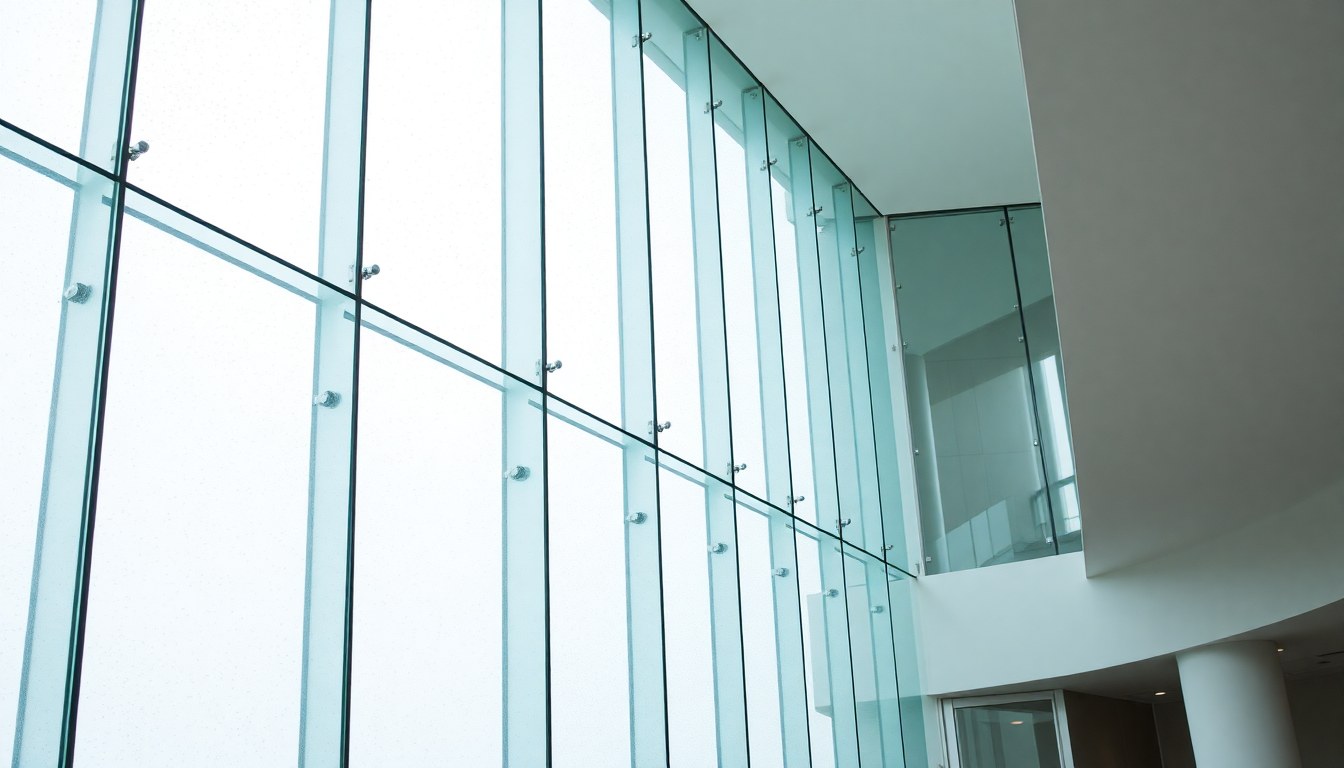
Hyderabad's tropical climate, characterized by intense monsoons and year-round dust, poses unique challenges for curtain wall glass maintenance. High-rise buildings with extensive glass facades require a strategic, seasonal approach to prevent water infiltration, mineral deposits, and structural degradation. This guide provides actionable maintenance schedules and proven cleaning techniques to keep your curtain walls pristine and functional throughout the year.
Understanding Hyderabad's Climate Impact on Glass Curtain Walls
Hyderabad experiences a semi-arid climate with a pronounced monsoon season from June to September, when rainfall can exceed 700mm. This heavy precipitation, combined with dust storms and high humidity, creates a perfect storm for glass deterioration. Water seeps into joints and sealants, while mineral-laden rainwater leaves stubborn deposits on glass surfaces. The dust, particularly during summer months, accumulates on horizontal ledges and in glazing frames, trapping moisture and accelerating corrosion of aluminum frames.
The city's rapid urbanization has intensified dust pollution, with construction activities and vehicle emissions adding to the problem. Glass curtain walls act as collectors for all these airborne particles, reducing light transmission and compromising the building's aesthetic appeal. Understanding these climate factors is essential for developing an effective maintenance strategy that addresses both immediate cleaning needs and long-term structural protection.
Monsoon-Specific Challenges
During Hyderabad's monsoon season, water ingress is the primary concern. Poorly maintained sealants allow water to penetrate behind glass panels, leading to mold growth, rust on metal frames, and damage to building interiors. The pressure from heavy rain can also stress structural connections, making regular inspection critical during this period.
Dust and Heat-Related Issues
The pre-monsoon months (April-May) bring intense heat and dust storms. Fine particles settle on glass surfaces and in drainage channels, blocking water flow and creating conditions for bacterial and algal growth. This accumulated dust also reduces the effectiveness of glass in controlling solar heat gain, increasing cooling costs.
Seasonal Maintenance Schedule for Curtain Wall Glass
A proactive maintenance schedule aligned with Hyderabad's climate cycles is essential for minimizing damage and reducing long-term repair costs. Each season presents distinct challenges that require tailored maintenance approaches.
Pre-Monsoon Maintenance (April-May)
- Complete professional cleaning of all glass surfaces and frames
- Inspect and repair all sealants and weatherstripping
- Clear drainage channels and weep holes of accumulated dust
- Check caulking around penetrations and expansion joints
- Pressure-wash aluminum frames and mullions to remove dust buildup
- Test water drainage systems to ensure proper function
This pre-monsoon inspection is crucial. Schedule it in late April to allow time for repairs before heavy rains arrive. Engage certified professionals who understand the specific vulnerabilities of curtain wall systems in tropical climates.
Monsoon Maintenance (June-September)
- Weekly visual inspections for water leakage or staining
- Monitor interior walls for signs of moisture infiltration
- Clean glass surfaces every two weeks to prevent mineral deposit buildup
- Clear debris from horizontal surfaces and drainage paths immediately after storms
- Document any water intrusion with photographs for repair planning
During monsoon, increase inspection frequency significantly. Even small cracks or sealant gaps can allow substantial water penetration over time. Maintain a maintenance log to track recurring issues, which can indicate systemic problems requiring professional intervention.
Post-Monsoon Maintenance (October)
- Comprehensive inspection of all sealants and frames for water damage
- Deep cleaning to remove mineral deposits and algal growth
- Repair or replace damaged sealants
- Inspect internal building components for moisture damage
- Dry out any areas where water has infiltrated
October is the ideal time for major repairs before the dry season. The reduced humidity makes it easier to apply new sealants, which require specific moisture conditions to cure properly.
Dry Season Maintenance (November-March)
- Monthly cleaning to remove dust and environmental pollutants
- Routine visual inspections
- Maintenance of building automation systems that monitor glass facade conditions
- Plan and budget for next season's major repairs
Professional Cleaning Techniques for Hyderabad Conditions
Effective cleaning requires more than standard window washing. Hyderabad's specific pollutants demand specialized techniques and products. Water quality is particularly important—hard water common in Hyderabad can leave mineral deposits that become harder to remove with time.
Water Quality and Filtration
Use deionized or distilled water for final rinses to prevent mineral spotting. Many professional cleaning services, including My Urban Home Cleaning Services, employ water filtration systems specifically designed for high-rise glass cleaning in Indian cities. This investment prevents the hazy, streaked appearance that mars many curtain walls in Hyderabad.
Chemical Selection for Tropical Environments
Choose cleaning solutions formulated for tropical conditions. Acidic cleaners can help dissolve mineral deposits from monsoon water, but they must be applied carefully to avoid damaging sealants or coatings. Alkaline cleaners work better for removing organic growth like algae and mold. Always test new cleaning products on inconspicuous areas first.
Equipment and Safety Considerations
High-rise curtain wall cleaning in Hyderabad requires specialized equipment including swing stages, rope access systems, or elevated work platforms. Professional cleaning contractors must maintain current safety certifications and liability insurance. The intense heat and occasional high winds in Hyderabad make safety protocols even more critical than in temperate climates.
Sealant and Joint Maintenance
Sealants are the first line of defense against water infiltration in curtain wall systems. In Hyderabad's climate, sealants degrade faster than in moderate climates due to UV exposure, thermal cycling, and moisture stress. Most silicone sealants last 15-20 years, but in Hyderabad's harsh conditions, they may need replacement every 10-15 years.
Identifying Failing Sealants
Look for cracking, peeling, discoloration, or loss of adhesion. If you can easily peel away sealant material or see daylight through gaps, replacement is urgent. Hyderabad's intense sun causes sealants to become brittle, making regular inspection essential. Partner with experienced professionals like The Edge Glass and Aluminum who understand local material performance.
Sealant Replacement Best Practices
Remove old sealant completely using mechanical methods rather than chemical solvents, which can damage surrounding materials. Clean joints thoroughly with appropriate primers before applying new sealant. Allow adequate curing time—typically 7-10 days depending on humidity—before exposing joints to water. Schedule sealant work during dry months when humidity is low and curing conditions are optimal.
Drainage System Management
Effective drainage is critical for preventing water accumulation and damage. Hyderabad's monsoon intensity means drainage systems must handle high water volumes without backing up. Weep holes, drainage channels, and exit points require regular clearing to function properly.
Install drain screens to prevent debris accumulation while allowing water flow. Check that drainage paths slope correctly to direct water away from building interiors. After heavy storms, inspect drainage systems for blockages and clear them immediately. Many building failures in Hyderabad trace back to inadequate or poorly maintained drainage rather than failed sealants.
Documentation and Professional Partnerships
Maintain detailed records of all maintenance activities, inspections, and repairs. Photograph problem areas and document solutions applied. This historical data helps identify patterns and predict future maintenance needs. Share inspection reports with building management and structural engineers to ensure coordinated maintenance efforts.
Establish relationships with qualified glass and aluminum specialists in Hyderabad. Companies like Modi Glass Centre and Beauty Glass Pvt Ltd offer expertise specific to local climate challenges. Regular professional inspections—at least twice yearly, more frequently during monsoon—provide early warning of developing problems.
Cost-Benefit Analysis of Preventive Maintenance
Investing in regular maintenance costs significantly less than emergency repairs. Water damage from a single monsoon season can cost ₹5-10 lakhs or more to repair, depending on the building's size and complexity. Preventive maintenance typically costs ₹50,000-2,00,000 annually depending on building size, but prevents exponentially larger expenses.
Consider maintenance as insurance against structural damage. The cost of replacing compromised sealants or repairing water damage to building interiors far exceeds regular cleaning and inspection expenses. Budget for seasonal maintenance as a standard operating expense rather than an optional cost.
Frequently Asked Questions
How often should curtain wall glass be cleaned in Hyderabad?
During monsoon season (June-September), clean every two weeks. In dry months, monthly cleaning suffices. High-pollution areas or buildings near construction sites may need more frequent cleaning. After dust storms or heavy rain, spot cleaning should be done immediately to prevent mineral deposits from setting.
What is the best time to replace sealants in Hyderabad?
October through November is ideal for sealant replacement. Humidity is low, temperatures are moderate, and sealants have time to cure properly before next monsoon. Avoid replacement during monsoon or extreme heat, as moisture and temperature extremes prevent proper curing.
Can I use regular window cleaning products on curtain wall glass?
Not recommended. Curtain wall systems are more complex than standard windows and require products formulated for the specific materials used—typically aluminum frames and silicone sealants. Regular window cleaners may damage sealants or leave residue in drainage channels. Always use products approved for high-rise curtain wall systems.
How do I know if water is infiltrating behind my curtain wall glass?
Signs include water stains on interior walls, visible moisture or condensation between glass panes, mold or mildew growth inside the building envelope, rust stains on frames, or a musty smell near the facade. Any of these indicate water intrusion requiring immediate professional inspection and remediation.
What maintenance records should I keep?
Document all cleaning dates, inspection findings, repairs performed, materials used, contractor information, and costs. Photograph problem areas before and after repair. Maintain a seasonal maintenance calendar with scheduled activities. These records help track performance patterns and prove due diligence if structural issues arise later.
Hyderabad's unique climate demands specialized curtain wall maintenance strategies. By implementing this seasonal schedule and partnering with qualified local professionals, you can protect your building's glass facades and ensure they perform optimally for decades. Explore the expertise available through glassy.in's directory of glass businesses in Hyderabad—find certified contractors, glass suppliers, and architectural specialists who understand the specific challenges of maintaining glass facades in India's climate.