
Glass Facades
Glass Facade Maintenance: Cleaning, Sealing & Weatherproofing for High-Rises
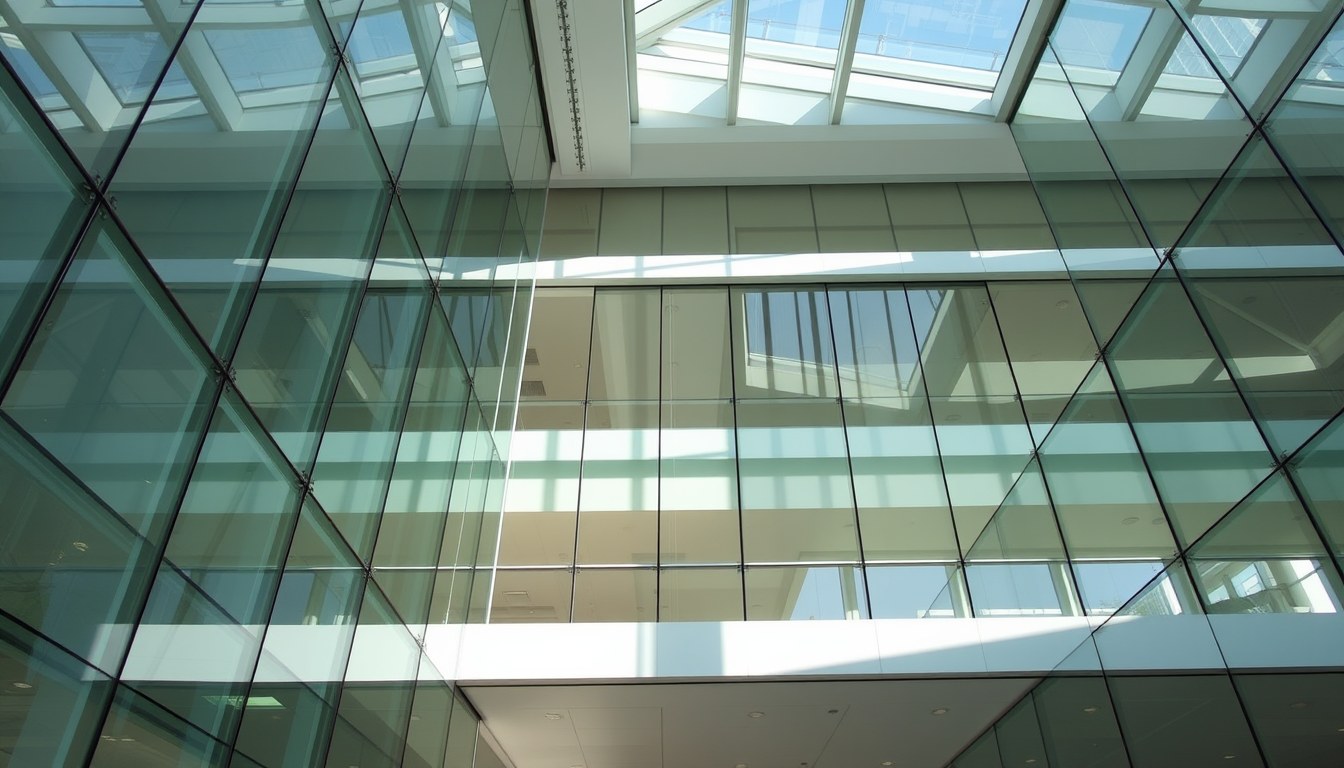
Modern high-rise buildings rely on glass curtain wall systems to create striking architectural statements while maintaining structural integrity and energy efficiency. However, without proper maintenance, these facades deteriorate rapidly, leading to water infiltration, thermal inefficiency, and safety hazards that can cost lakhs in repairs. This comprehensive guide walks building managers and facility teams through the essential maintenance protocols—cleaning, sealing, and weatherproofing—needed to extend facade lifespan and protect your investment.
Understanding Glass Facade Systems in High-Rises
Glass curtain walls are non-structural exterior coverings attached to a building's frame, designed to shed water, resist wind loads, and insulate interior spaces. In Indian cities like Mumbai, Bangalore, and Delhi, where monsoons and extreme temperature fluctuations are common, these systems face significant environmental stress. The facade comprises multiple layers: glass panes, aluminum framing, sealants, gaskets, and sometimes insulation materials, all working together to create a weather-tight envelope.
The longevity of a glass facade depends heavily on regular maintenance. Neglecting even minor issues—such as cracked sealant or debris accumulation—can lead to water seepage that damages structural elements, insulation, and interior finishes. Building managers must establish a proactive maintenance schedule rather than waiting for visible problems to emerge.
Step-by-Step Glass Facade Cleaning Protocol
Cleaning is the foundation of facade maintenance and must be performed safely and systematically. High-rise glass facades require specialized equipment and trained personnel, making this a task for certified professionals rather than general maintenance staff.
Pre-Cleaning Inspection
Before cleaning begins, conduct a thorough visual inspection from ground level and, if possible, using drone surveys. Document any visible damage: cracks, discoloration, bird droppings, algae growth, or water stains. This inspection identifies areas requiring special attention and helps prioritize repairs before cleaning commences. Pay particular attention to horizontal surfaces and corners where debris accumulates.
Cleaning Frequency and Methods
Most high-rise facades should be cleaned every 6–12 months, depending on environmental conditions. In coastal areas or near heavy traffic zones, increase frequency to quarterly. For cleaning, use these methods:
- Water-fed pole systems: Purified water delivered through telescopic poles with soft brushes—ideal for routine cleaning and safe for operators.
- Rope access (abseiling): Certified technicians rappel down the facade using safety harnesses, allowing detailed cleaning and simultaneous inspection of sealants and gaskets.
- Pressure washing: Effective for stubborn stains but requires expertise to avoid damaging sealants; use low-pressure settings (below 100 bar) and maintain proper distance from glass surfaces.
- Chemical cleaning: For algae, mineral deposits, or pollution buildup, apply pH-neutral cleaning agents formulated for glass facades. Always test on a small area first.
Avoid acidic or alkaline cleaners that can etch glass or degrade sealants. Always work from top to bottom to prevent dirty water from re-soiling cleaned areas. In monsoon-prone regions like Mumbai, schedule cleaning before the rainy season to prevent water ingress through compromised areas.
Sealing and Gasket Maintenance
Sealants and gaskets are the critical barrier preventing water infiltration. These materials degrade over time due to UV exposure, temperature cycling, and mechanical stress, making regular inspection and replacement essential.
Identifying Sealant Degradation
Inspect sealants annually for signs of failure: cracking, shrinkage, discoloration, hardening, or loss of adhesion to glass or framing. In high-rise buildings, even small sealant failures can allow water to penetrate multiple floors. Use a probe tool to test sealant flexibility—a healthy sealant should compress and rebound without tearing.
Sealant Replacement Procedure
When sealants fail, they must be removed completely and replaced with compatible materials. The process involves:
- Remove old sealant using a sealant removal tool or chemical sealant remover, being careful not to damage glass or aluminum substrates.
- Clean the joint thoroughly with a solvent appropriate to the substrate and remaining sealant residue.
- Apply a primer if recommended by the sealant manufacturer—this improves adhesion and durability.
- Install backer rod (foam rope) in the joint to control sealant depth and ensure proper configuration.
- Apply new sealant using a caulking gun, maintaining consistent width and depth. Most facades require silicone-based sealants rated for structural glazing applications.
- Tool the sealant surface with a wet tool to achieve proper profile and adhesion.
- Allow full cure time (typically 7–14 days for silicone) before exposing the facade to water or mechanical stress.
In India, high-quality structural sealants cost approximately ₹150–300 per cartridge, with labor costs varying by city and building height. Budget for sealant replacement every 15–20 years, though this varies based on climate and exposure conditions.
Weatherproofing and Water Management
Effective weatherproofing prevents water from entering the building, protecting structural integrity and interior spaces. This requires understanding how water moves across and through facade systems.
Water Drainage Systems
Modern curtain wall systems incorporate internal drainage channels that direct water down and out of the facade assembly. These channels must remain clear of debris, dust, and sealant droppings. Inspect drainage paths quarterly, especially after monsoons or heavy winds. Clear blockages using compressed air or careful manual removal—never use water pressure that could push debris deeper into the system.
Weatherproofing Maintenance Tasks
Implement these critical weatherproofing measures:
- Joint tape inspection: Check expansion joint tapes and gaskets for deterioration, displacement, or adhesion loss. Replace if compromised.
- Flashing maintenance: Ensure flashing at building transitions, roof edges, and mechanical penetrations remains intact and properly sealed. Flashing failures are common sources of water infiltration in high-rises.
- Thermal movement accommodation: Glass facades expand and contract with temperature changes. Ensure joints allow adequate movement without binding or opening excessively. Typical aluminum frames expand approximately 0.3mm per meter per 10°C temperature change.
- Weep hole cleaning: Small drainage holes in the facade frame should be checked regularly to ensure they're not blocked. Blocked weep holes trap water and promote corrosion.
Post-Monsoon Inspection Protocol
In India's monsoon regions, conduct detailed inspections within two weeks after heavy rains. Check for water stains on interior surfaces, moisture in insulation cavities, and corrosion on aluminum frames. These signs indicate sealant failure or drainage blockage requiring immediate attention. Document findings with photos for maintenance records and warranty claims if applicable.
Specialized Maintenance for High-Rise Challenges
High-rise facades face unique stresses that require specialized attention beyond standard maintenance.
Wind Load and Movement Monitoring
Tall buildings experience significant wind-induced movement, particularly in cities like Mumbai and coastal areas. This movement stresses sealants and can cause premature failure. Inspect sealants in high-wind zones more frequently—every 6 months rather than annually. Look for signs of cyclic stress: cracking patterns, sealant separation, or glazing compound deterioration.
Corrosion Prevention in Metal Components
Aluminum frames, fasteners, and anchors are susceptible to corrosion, especially in coastal or polluted environments. Apply protective coatings to exposed metal components every 5–7 years. Use anodized aluminum for new installations and maintain anodized surfaces by cleaning gently without abrasive materials. In salt-spray environments, consider powder-coated aluminum for superior corrosion resistance.
Safety Considerations for Maintenance Workers
All high-rise facade maintenance requires certified personnel and proper safety equipment. Ensure workers have:
- Current rope access certification (IRATA or equivalent)
- Fall protection systems and regular harness inspection
- Safety training specific to facade systems
- Insurance coverage for work at height
- Weather-appropriate scheduling (avoid high winds, heavy rain, or temperature extremes)
Creating a Maintenance Schedule and Budget
Develop a comprehensive maintenance plan tailored to your building's specific facade system, climate, and exposure conditions. A typical annual maintenance budget for a high-rise glass facade is ₹500–2,000 per square meter, depending on building size, age, and environmental factors.
Annual maintenance tasks: Visual inspection, cleaning, sealant condition assessment, drainage verification, and minor repairs.
Five-year maintenance tasks: Comprehensive sealant evaluation, corrosion assessment, thermal performance testing, and planned sealant replacement if needed.
Ten-year maintenance tasks: Full facade audit, structural glazing assessment, window seal replacement, and major weatherproofing upgrades.
Maintain detailed records of all maintenance activities, repairs, and costs. This documentation is essential for warranty claims, building assessments, and planning future upgrades. Digital maintenance logs allow quick reference and help identify recurring issues.
Frequently Asked Questions
How often should high-rise glass facades be cleaned?
Most high-rise facades should be cleaned every 6–12 months. In coastal areas, heavily polluted cities, or regions with frequent monsoons, increase frequency to quarterly cleaning. Environmental factors, building location, and specific facade exposure determine optimal cleaning schedules. Conduct visual inspections every 3 months to identify when cleaning is needed.
What is the expected lifespan of facade sealants?
High-quality structural silicone sealants typically last 15–20 years under normal conditions. However, in India's harsh climates—with intense UV exposure, temperature extremes, and monsoon moisture—sealant lifespan may be reduced to 10–15 years. Regular inspection every 2–3 years helps identify degradation early, allowing planned replacement before failures occur.
Can building managers perform facade maintenance, or must it be outsourced?
Routine cleaning and visual inspections can be performed by trained in-house staff using safe methods like water-fed poles. However, specialized tasks—rope access cleaning, sealant replacement, structural repairs, and weatherproofing work—require certified professionals with proper insurance and equipment. Outsourcing these tasks ensures safety compliance and warranty protection.
What are the warning signs of facade failure?
Common warning signs include visible cracks or gaps in sealants, water stains on interior walls, condensation between glass panes, visible corrosion on metal frames, loose or rattling glass panes, and mold or algae growth on the facade. Any of these issues warrant immediate professional inspection to prevent further damage.
How much does facade maintenance typically cost?
Annual maintenance costs range from ₹500–2,000 per square meter depending on building size, age, and location. A 10,000 square meter facade might cost ₹5–20 lakhs annually for comprehensive maintenance. Major sealant replacement projects can cost ₹10–50 lakhs depending on facade area and accessibility. Regular maintenance prevents costlier emergency repairs, making proactive investment financially prudent.
Proper glass facade maintenance is not optional—it's essential to protecting your building's structural integrity, energy efficiency, and occupant safety. Whether you manage a corporate tower in Bangalore or a residential high-rise in Delhi, implementing these maintenance protocols ensures your facade performs reliably for decades. Connect with certified facade maintenance specialists through the glassy.in directory to find trusted professionals in your region who specialize in curtain wall systems, glass cleaning, and weatherproofing services.