
Glass Facades
Glass Façade Maintenance: Preventing Algae and Mineral Deposits in Humid Cities
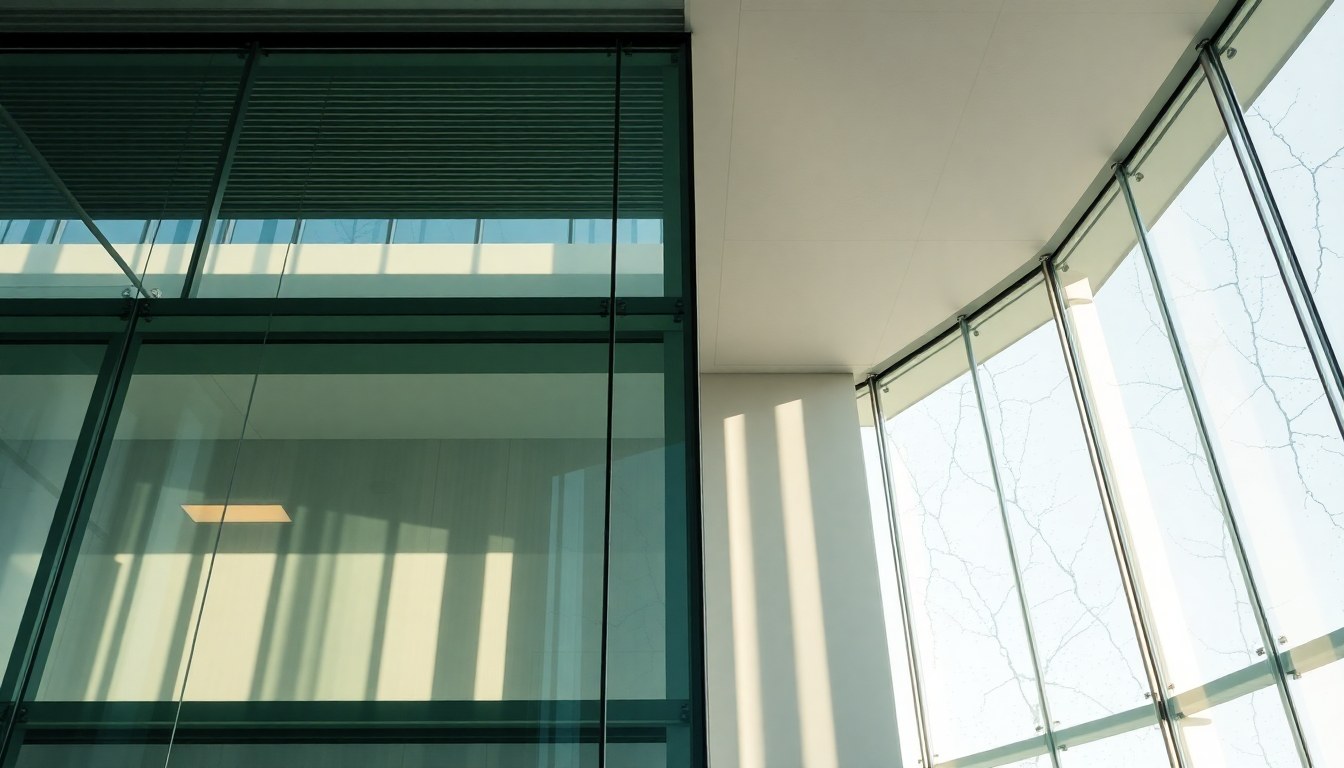
Glass façades are architectural showpieces that define modern Indian cities, yet humid climates create ideal conditions for algae and mineral deposits to thrive on these surfaces. In cities like Mumbai, Bangalore, and Kolkata, moisture-rich air combined with water runoff accelerates biological growth and mineral staining, compromising both aesthetics and structural integrity. This guide walks you through actionable maintenance protocols that prevent costly damage and keep your building's glass exterior gleaming year-round.
Understanding Algae and Mineral Deposit Formation on Glass
Algae growth on glass façades isn't merely a cosmetic issue—it's a biological process triggered by moisture, organic matter, and sunlight. In humid Indian cities, morning dew and afternoon rainfall create persistent wet conditions on glass surfaces, especially in shaded areas or where water pools along ledges and frames. Algae spores are airborne and settle on glass where they germinate into visible green or brown films within days.
Mineral deposits form differently. Hard water from rain or spray, combined with minerals like calcium and magnesium, leaves white or chalky residue as water evaporates. This is particularly common in coastal cities like Mumbai and Chennai, where salt spray deposits add another layer of corrosion risk. Both problems accelerate weathering of glazing seals and frames, leading to water infiltration and expensive repairs.
Why Humid Cities Face Greater Challenges
Humidity levels above 70% create persistent moisture films on glass—the perfect breeding ground for algae. Indian cities experience this year-round or seasonally, with monsoon months presenting acute challenges. Additionally, tropical heat accelerates biological metabolism, meaning algae colonizes faster in warm, wet climates than in temperate zones.
Establishing a Preventative Maintenance Schedule
Reactive cleaning—waiting until algae is visible—is costly and ineffective. Preventative schedules reduce buildup, extend glass life, and maintain property value. The frequency depends on your city's humidity, building orientation, and surrounding vegetation.
Recommended Cleaning Frequency by Season
- Monsoon months (June–September): Bi-weekly cleaning to manage water runoff and prevent algae colonization.
- Post-monsoon (October–November): Weekly cleaning to remove mineral deposits left by evaporating water.
- Dry season (December–May): Monthly cleaning to maintain appearance and monitor for early-stage growth.
- High-pollen areas: Additional weekly cleaning during flowering seasons, as organic debris feeds algae.
Buildings near water bodies, dense vegetation, or in coastal zones should increase frequency by 25–50%. South-facing and west-facing facades receive more sunlight and heat, accelerating algae growth, so prioritize these during scheduling.
Safe and Effective Cleaning Chemicals
Choosing the right cleaning solution is critical—aggressive chemicals damage glass coatings, seals, and aluminum frames, while ineffective solutions waste time and money. Indian facilities managers must balance efficacy with safety and environmental responsibility.
Recommended Chemical Solutions
- Mild detergent solutions (pH 7–8): Biodegradable dish soap mixed with distilled water works for light algae and dust. Cost: ₹50–100 per liter. Safe for coated glass and aluminum.
- Diluted white vinegar (1:3 ratio with water): Effective for mineral deposits and early-stage algae. pH around 2.5. Use on uncoated glass only; avoid on protective coatings. Cost: ₹20–30 per liter.
- Commercial algaecides (quaternary ammonium compounds): Specifically formulated for biological growth. Examples include products with DDAC (didecyldimethylammonium chloride). Cost: ₹300–800 per liter. Always check compatibility with your glass coating.
- Enzymatic cleaners: Break down organic matter without harsh chemicals. Suitable for coated glass and eco-conscious facilities. Cost: ₹400–1000 per liter.
- Deionized water rinse: Essential final step to prevent mineral redeposition. Cost: ₹2–5 per liter. Non-negotiable in hard-water areas.
Never use hydrofluoric acid or strong alkaline solutions on glass—these etch surfaces and void warranties. Always test any chemical on a small, inconspicuous area first. For coastal properties, rinse with deionized water after every cleaning to remove salt residue.
Safety Protocols During Cleaning
Glass façade cleaning often involves working at height. Chemical safety includes:
- Wearing appropriate PPE: nitrile gloves, eye protection, and respiratory masks for spray application.
- Ensuring proper ventilation—never seal areas during chemical treatment.
- Using OSHA-approved harnesses and scaffolding for high-rise work.
- Training staff on chemical handling and disposal per local regulations.
- Keeping safety data sheets (SDS) for all chemicals on-site.
Protective Coatings: Your First Line of Defense
Preventative coatings reduce cleaning frequency and protect glass from environmental damage. Modern coatings create hydrophobic or self-cleaning surfaces that repel water and resist biological adhesion.
Types of Protective Coatings
- Hydrophobic coatings: Water beads and rolls off, carrying algae spores with it. Typically last 2–3 years. Cost: ₹200–400 per square meter applied. Popular brands include Aquapel and Nanotech solutions available in India.
- Photocatalytic coatings (titanium dioxide-based): Use UV light to break down organic matter and prevent algae adhesion. Last 3–5 years. Cost: ₹500–1000 per square meter. Excellent for high-humidity zones.
- Oleophobic coatings: Repel both water and oils, reducing fingerprints and deposits. Cost: ₹300–600 per square meter. Ideal for facades subject to industrial pollution.
- Anti-microbial copper-ion coatings: Inhibit algae and bacterial growth at the molecular level. Cost: ₹600–1200 per square meter. Long-lasting (4–6 years) and highly effective in tropical climates.
Application should occur during dry weather, ideally in the dry season (December–February). Professional application ensures proper adhesion and durability. Reapply every 2–3 years depending on climate and traffic. In humid cities, combining coatings with regular cleaning extends their effectiveness.
Structural and Drainage Considerations
Water management is foundational to algae prevention. Poor drainage creates persistent wet zones where algae thrives unchecked.
Critical Drainage and Maintenance Points
- Clean gutters and drainage channels monthly: Debris blocks water flow, creating stagnant pools on glass and frames.
- Inspect and repair sealants quarterly: Deteriorated seals allow water to pool behind glass, creating ideal algae environments.
- Ensure proper slope on horizontal surfaces: Even slight slopes (1–2%) prevent water pooling.
- Install drip edges and weep holes: These direct water away from glass and prevent capillary action that traps moisture.
- Clear vegetation near façades: Overhanging branches shade glass and drop organic debris that feeds algae.
During monsoon season, inspect drainage systems weekly. Blocked drains transform minor water issues into major algae blooms within days. In coastal cities, ensure drainage systems are flushed with deionized water post-monsoon to remove salt deposits.
Cost-Benefit Analysis of Preventative Maintenance
Preventative maintenance requires upfront investment but delivers substantial long-term savings. A typical high-rise building with 5,000 square meters of glass façade faces these costs:
- Preventative approach: ₹50,000–80,000 per month (bi-weekly cleaning + quarterly inspections) = ₹600,000–960,000 annually. Protective coatings: ₹10–50 lakhs applied every 3 years.
- Reactive approach: Occasional cleaning when visible (₹2–3 lakhs per session) plus emergency repairs from water damage (₹10–30 lakhs). Over 5 years: ₹50–100 lakhs in reactive costs plus property value depreciation.
Preventative maintenance costs roughly 30–40% less over a decade while preserving building aesthetics and structural integrity. Insurance premiums may also decrease with documented maintenance records.
Frequently Asked Questions
How often should glass façades be cleaned in monsoon season?
In Indian monsoon months (June–September), glass façades should be cleaned bi-weekly or every 10 days in high-humidity zones. Daily rainfall and moisture create ideal conditions for rapid algae colonization. Post-monsoon (October–November), increase to weekly cleaning to remove mineral deposits left by evaporating water. Neglecting monsoon maintenance can result in visible biofilm within 3–5 days.
Can I use vinegar on all types of glass coatings?
No. Vinegar (acetic acid) is safe for uncoated annealed or tempered glass but can damage hydrophobic, photocatalytic, and anti-microbial coatings. Always verify your coating type before using acidic solutions. If unsure, test on a small area or consult your glass supplier. For coated glass, use pH-neutral detergent solutions instead.
What is the best time of year to apply protective coatings?
Apply protective coatings during the dry season (December–February) when humidity is lowest and surfaces can dry completely. Avoid application during monsoon or immediately before rainfall. Humidity above 70% and temperatures below 10°C compromise coating adhesion. Professional applicators typically recommend 48–72 hours of dry weather post-application for full curing.
Are algae deposits a structural safety concern?
While algae itself doesn't weaken glass, persistent moisture trapped beneath biofilm accelerates corrosion of aluminum frames and degrades silicone sealants. Over time, this leads to water infiltration, interior mold, and structural damage. Additionally, algae-covered glass reduces natural light and creates slip hazards on lower areas. Early prevention avoids costly structural repairs.
How do coastal cities differ from inland cities in maintenance needs?
Coastal cities like Mumbai and Chennai experience salt spray that deposits mineral residue faster than inland areas. Post-cleaning rinsing with deionized water is non-negotiable to prevent salt recrystallization. Cleaning frequency should increase by 25–50%, and anti-microbial copper-ion coatings offer superior protection. Inland cities like Delhi and Bangalore face less salt but higher dust and pollen, requiring focus on organic debris removal.
Connect with Glass Maintenance Experts on Glassy.in
Maintaining pristine glass façades requires expertise, quality products, and reliable service partners. Visit glassy.in, India's largest glass-business directory, to connect with certified glass cleaning contractors, coating specialists, and suppliers across your city. Whether you need preventative maintenance schedules, professional coating application, or emergency algae removal, our network of verified glass professionals is ready to help. Browse reviews, compare quotes, and schedule services—all in one place. Your building's glass exterior deserves expert care.