
Glass Facades
Tinted Glass vs Clear Glass for Home Façades: Heat Reduction Comparison
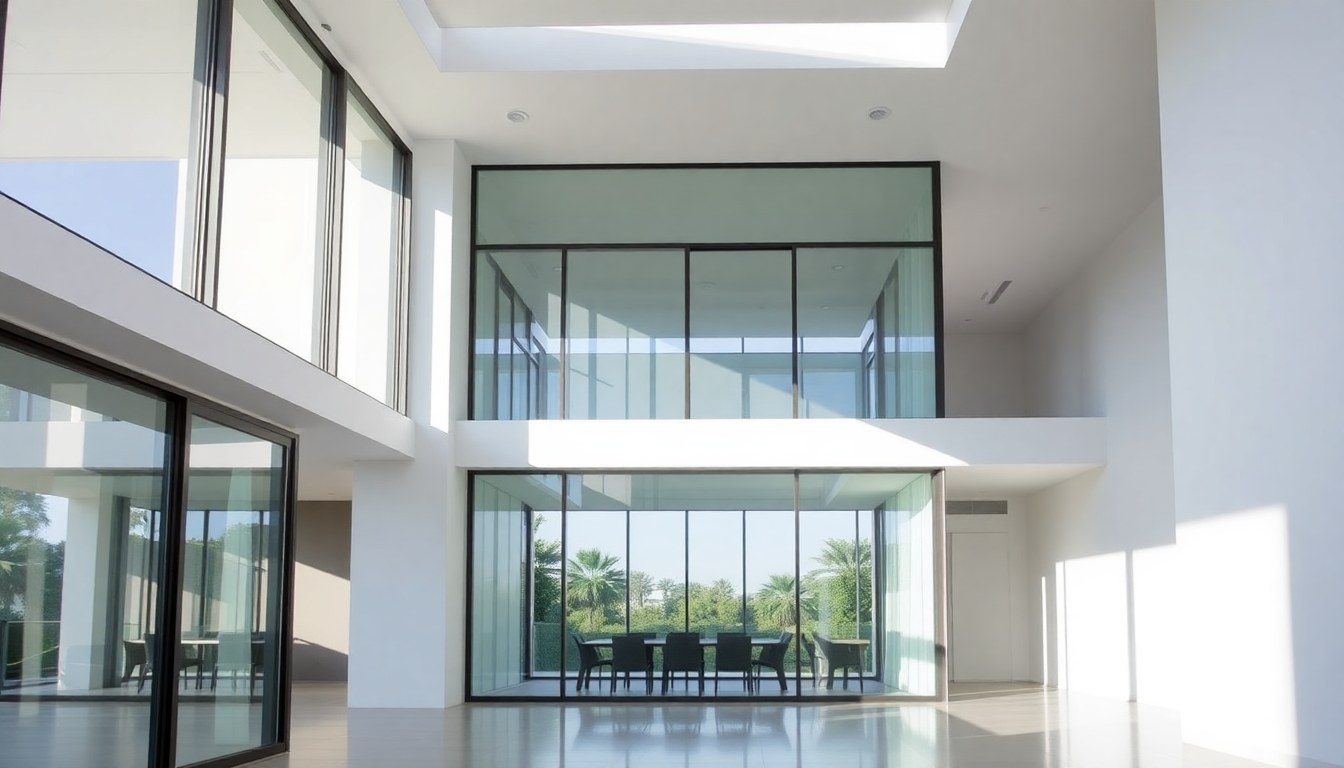
India's intense summer heat makes home cooling one of the largest energy expenses for homeowners. Choosing between tinted and clear glass for your home's façade directly impacts indoor comfort and monthly electricity bills. This guide compares both options with technical insights on heat reduction, helping you make an informed decision for your climate zone.
Understanding Heat Transmission Through Glass
Glass allows solar radiation to enter your home, raising interior temperatures significantly. Clear glass transmits approximately 84% of visible light and most of the solar heat spectrum, making it the least effective option in hot climates. When sunlight strikes a clear glass surface, it passes through without obstruction, converting to heat energy inside your living spaces.
Heat transmission is measured using the Solar Heat Gain Coefficient (SHGC), a rating between 0 and 1. Lower SHGC values mean less heat enters your home. Clear glass typically has an SHGC of 0.86, while tinted varieties range from 0.40 to 0.70 depending on tint type and thickness. In cities like Delhi, Mumbai, and Bangalore where summer temperatures exceed 40°C, this difference translates to tangible cooling savings.
How Tinted Glass Reduces Heat
UV-Reflective Tints
UV-reflective tints contain metallic oxides that bounce solar radiation away from your home before it enters. These tints are typically applied as coatings on the glass surface and reflect 40-60% of incoming solar energy. Common reflective tints include those with silver, aluminum, or titanium oxide compounds. They reduce interior temperatures by 8-12°C compared to clear glass in direct sunlight.
The main advantage of reflective tints is their superior heat rejection. However, they create a mirrored exterior appearance that some homeowners find less aesthetically pleasing. They also reduce natural light transmission, requiring artificial lighting during daytime hours in interior rooms.
Heat-Absorbing Tints
Absorbing tints contain iron oxide or other compounds that soak up solar radiation and release it gradually through the glass surface. These tints reduce SHGC to 0.45-0.60 and lower interior temperatures by 5-10°C. Unlike reflective tints, absorbing tints maintain better transparency and a more natural appearance while still providing significant heat reduction.
The trade-off is that absorbing tints get warmer than reflective options and can experience thermal stress if there's a large temperature difference between the exterior and interior. This is less problematic in residential settings but worth considering for large glass façades.
Energy Savings and Cost Analysis
The annual cooling cost reduction from tinted glass varies by location, orientation, and usage patterns. In hot Indian cities, homeowners typically see 20-35% reduction in air conditioning expenses when upgrading from clear to tinted glass on south and west-facing walls. For a typical 2,000 sq. ft. home with 300 sq. ft. of south-facing glass, this translates to ₹8,000-15,000 in annual savings.
Installation costs differ based on tint type. Clear glass costs ₹150-300 per sq. ft., while tinted options range from ₹400-800 per sq. ft. depending on the tint quality and whether it's applied during manufacturing or as an aftermarket coating. Payback periods typically range from 4-7 years in hot climates, after which savings accumulate as pure benefit.
- Reflective tints: ₹500-800 per sq. ft., 40-60% heat rejection, 3-5 year payback
- Absorbing tints: ₹400-600 per sq. ft., 30-45% heat rejection, 4-6 year payback
- Clear glass: ₹150-300 per sq. ft., minimal heat rejection, no payback period
Climate Considerations for Indian Homes
India's climate zones require different glass strategies. In coastal regions like Kerala and Tamil Nadu with high humidity, reflective tints perform better because they reduce both heat and glare. In dry climates like Rajasthan and Gujarat, absorbing tints work well since thermal stress is minimal. Northern regions with moderate summers can benefit from selective tinting—using tinted glass only on south and west exposures while keeping north-facing walls clear.
Orientation matters significantly. South and west-facing walls receive 3-4 times more solar radiation than north-facing walls. Prioritize tinting these exposures for maximum cooling benefit. For comprehensive façade solutions, consult with professionals like BIM Modeller Consulting Services who can design orientation-specific glass strategies.
Window size and shading also affect heat reduction. Large windows amplify the benefits of tinting, while external shading elements like overhangs or louvers further enhance cooling performance. A combination approach—tinted glass plus external shading—can achieve 50-60% heat reduction compared to clear glass alone.
Aesthetic and Practical Trade-offs
Clear glass offers maximum light transmission and an open, spacious feel. It's ideal for north-facing walls and interior spaces where heat isn't a concern. However, it provides no UV protection, causing furniture fading and interior heat buildup.
Tinted glass reduces glare and protects furnishings from UV damage, but reflective tints can create a closed appearance and interfere with views. Absorbing tints maintain better transparency while still protecting interiors. Some homeowners prefer gradient tints that vary in darkness from top to bottom, balancing privacy with light transmission.
For modern home designs incorporating large glass façades, work with interior designers experienced in glass selection. JPK Interio -VOX - FunderMax HPL specializes in integrated façade design that combines aesthetics with thermal performance.
Installation and Maintenance
Factory-applied tints (integrated during glass manufacturing) are more durable and uniform than aftermarket coatings. They last 20+ years without degradation. Aftermarket tint films, while cheaper, typically last 5-10 years and may peel or bubble in extreme heat.
Maintenance is minimal for both types. Regular cleaning with mild soap and water preserves tint effectiveness. Avoid abrasive cleaners that can scratch reflective coatings. For large residential projects, dealers like CITY GLASS PALACE AND ALUMINIUM FABRICATION offer professional installation ensuring proper sealing and alignment.
Tinted glass is compatible with standard aluminum frames and can be retrofitted to existing homes, though this is more expensive than specifying it during construction. Planning glass choices during the design phase is most cost-effective.
Frequently Asked Questions
Does tinted glass reduce natural light too much?
Absorbing tints reduce light transmission by 15-25%, which is barely noticeable indoors. Reflective tints reduce transmission by 30-40%, requiring supplemental lighting in some rooms. The trade-off is worthwhile in hot climates where cooling comfort outweighs minor lighting adjustments. North-facing walls can remain clear to maintain natural light.
Can I apply tint film to existing clear glass windows?
Yes, adhesive tint films can be applied to existing windows within 24 hours. However, film quality varies significantly. Professional-grade films from suppliers like Baby Associates last longer than budget options. Expect to pay ₹200-400 per sq. ft. for installation, with 5-10 year durability.
Which tint type is best for Indian homes?
In most Indian climates, absorbing tints offer the best balance of heat reduction, light transmission, and aesthetics. They reduce cooling costs by 25-30% without creating a mirrored appearance. Reflective tints suit coastal regions with extreme heat and humidity. For specific recommendations, consult local glass suppliers who understand regional climate patterns.
Does tinted glass affect my home's resale value?
Tinted glass on south and west-facing walls is viewed positively by buyers in hot climates, as it signals lower energy costs. Clear glass on north and east walls preserves natural light appeal. The combination enhances resale value by 2-5% in regions where cooling costs are significant.
How much can I save on electricity with tinted glass?
Typical savings range from ₹8,000-20,000 annually for a 2,000 sq. ft. home in hot Indian cities. Actual savings depend on current AC usage, tint type, window area, and local electricity rates. Reflective tints yield higher savings but at greater cost; absorbing tints offer better value for most homeowners.
Choosing between tinted and clear glass is a long-term investment in comfort and savings. For homes in India's hot climate zones, tinted glass—particularly absorbing tints—delivers measurable cooling benefits and reduced energy bills. Start by assessing your home's orientation and current cooling costs, then consult glass specialists through glassy.in, India's largest glass-business directory, to find suppliers and designers who can customize a solution for your specific needs.