
Toughened Glass
Tinted Glass for Heat Control: Which Shade Works in Your City?
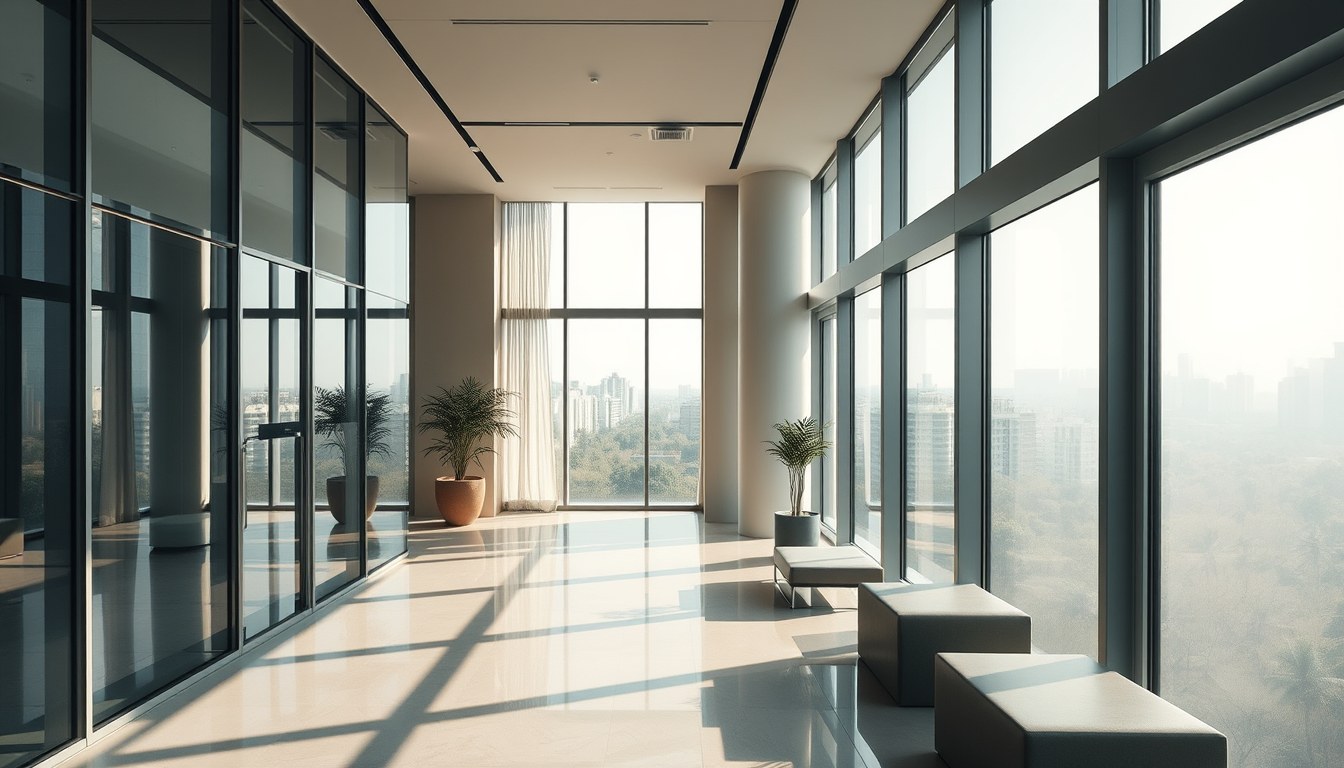
India's intense summer heat makes heat-control glass a practical investment for homes and offices across the country. Tinted glass reduces solar heat gain, lowers air-conditioning costs, and protects interiors from UV damage—but not all tints perform equally in every climate. The choice between grey, bronze, and green depends on your city's temperature patterns, humidity levels, and your aesthetic preferences, making location-specific guidance essential for smart purchasing decisions.
Understanding Solar Heat Rejection and Tinted Glass
Solar heat rejection refers to a glass's ability to block infrared (heat) radiation from the sun while allowing visible light to pass through. This is measured by the Solar Heat Gain Coefficient (SHGC)—the lower the SHGC, the more heat the glass blocks. Tinted glass achieves this through metallic oxides or ceramic coatings embedded during manufacturing, making it different from ordinary clear glass.
Toughened tinted glass is particularly popular in India because it combines heat control with safety. When tempered, tinted glass becomes stronger and more resistant to thermal stress—crucial in climates with rapid temperature fluctuations. The tint colour itself doesn't just affect performance; it also influences how your space looks and feels, making the selection process both technical and aesthetic.
How Tint Colour Affects Heat Control
Different tint colours reject heat at different rates. Grey and bronze tints typically offer superior solar heat rejection (SHGC values between 0.30–0.45), while green tints perform moderately well (SHGC around 0.40–0.50). However, these numbers vary based on the glass thickness, coating type, and manufacturer specifications. It's essential to check product datasheets rather than rely on colour alone.
Grey Tinted Glass: The High-Performance Choice
Grey tinted glass is the most effective heat-control option available, blocking 60–70% of solar heat depending on thickness and coating quality. It provides a neutral, modern appearance that works with most architectural styles and doesn't distort exterior colours significantly. This makes it a favourite for commercial buildings, modern residences, and offices where aesthetic neutrality is valued.
In cities like Hyderabad, where temperatures regularly exceed 40°C during summer, grey tinting delivers measurable energy savings. A 6mm grey tinted glass typically costs between ₹350–₹550 per square foot, while thicker variants (8–10mm) range from ₹500–₹800. The higher cost is justified by superior performance and durability.
Grey Glass in Hyderabad's Climate
Hyderabad experiences a semi-arid climate with peak temperatures in May and June. Grey tinted glass performs exceptionally well here, reducing indoor temperatures by 5–8°C compared to clear glass. The city's dry climate means there's less risk of condensation issues, and the neutral grey tone complements both traditional and contemporary architecture prevalent in Hyderabad's residential and commercial sectors.
Grey Glass in Chennai's Climate
Chennai's coastal climate is humid and hot, with temperatures hovering around 35–38°C year-round. While grey tint still performs well, the constant humidity means interior condensation can occur if air circulation is poor. Grey glass is still recommended here, but paired with adequate ventilation and dehumidification systems for optimal comfort.
Bronze Tinted Glass: The Balanced Alternative
Bronze tinted glass offers a middle ground between heat rejection and aesthetic appeal. It blocks 50–65% of solar heat and creates a warm, slightly amber-toned appearance that many find more visually appealing than grey. Bronze glass costs slightly less than grey—typically ₹320–₹500 per square foot for 6mm thickness—making it a popular choice for budget-conscious buyers who don't want to compromise entirely on performance.
Bronze tint does distort exterior colours slightly, giving the outside world a warmer tone when viewed from indoors. For some, this is a drawback; for others, it's an aesthetic benefit. The choice depends on whether you want maximum clarity or prefer the warmth bronze provides.
Bronze Glass in Hyderabad
In Hyderabad, bronze tinted glass is widely available through dealers like City Glass Palace and Aluminium Fabrication and Crystal Glass & Hardware. It performs adequately for residential applications, though it's less ideal than grey for commercial buildings where maximum heat rejection is prioritized. The warm tone suits traditional Hyderabadi architecture well.
Bronze Glass in Chennai
Chennai's architects and interior designers frequently specify bronze tint for residential projects. The warm aesthetic appeals to homeowners, and the heat rejection (though slightly lower than grey) is still sufficient for coastal climates. Bronze glass is easier to source in Chennai due to higher demand, and competitive pricing makes it accessible to middle-income households.
Green Tinted Glass: The Aesthetic Compromise
Green tinted glass is the least effective at heat rejection among the three common options, blocking 45–55% of solar heat. However, it offers distinct visual advantages: it provides a natural, cool appearance that many find psychologically comforting. Green glass is often chosen for applications where aesthetics matter as much as performance—luxury residences, premium office spaces, and hospitality projects.
Cost-wise, green tinted glass is comparable to bronze, ranging from ₹300–₹480 per square foot for standard 6mm thickness. The lower heat-rejection performance means higher cooling costs over time, but this is sometimes acceptable to buyers prioritizing the visual appeal of a green-tinted facade.
Green Glass in Hyderabad
Hyderabad's rapid urbanization has increased demand for premium architectural glass. Green tint is popular in upscale residential complexes and corporate offices where the aesthetic statement matters. However, for pure heat control in Hyderabad's intense climate, architects and interior designers like those at BIM Modeller Consulting Services typically recommend grey over green for maximum energy efficiency.
Green Glass in Chennai
Chennai's coastal setting and proximity to the sea make green-tinted glass visually appealing—it complements the environment and creates a harmonious aesthetic. However, Chennai's humidity combined with green glass's lower heat rejection can result in higher cooling loads. It's better suited to shaded areas or north-facing windows rather than south and west-facing exposures.
City-Specific Recommendations: Hyderabad vs Chennai
Hyderabad's Heat Control Strategy
Hyderabad's semi-arid climate with intense summer heat demands maximum solar heat rejection. For south and west-facing windows, grey tinted glass (6–8mm) is the recommended choice. For north-facing windows or areas with less direct sun exposure, bronze tint is acceptable. Green tint should be reserved for aesthetic priorities only, not primary heat control.
Hyderabad's rapid construction means toughened tinted glass is widely available. Prices are competitive due to multiple suppliers, and installation expertise is readily accessible. Budget ₹400–₹600 per square foot for quality grey tinted toughened glass, including installation.
Chennai's Heat Control Strategy
Chennai's coastal humidity and year-round warmth require a different approach. While grey tint is still superior, the constant moisture means proper ventilation and condensation management are critical. Many Chennai architects recommend combining tinted glass with external shading devices (louvers, blinds) to manage both heat and humidity effectively.
For Chennai, grey tint is ideal for south and west exposures, while bronze or even clear glass with external shading works for other orientations. Green tint can be used in shaded areas or as a design choice, but shouldn't be the primary heat-control measure. Expect similar pricing to Hyderabad: ₹400–₹650 per square foot for quality grey tinted toughened glass.
Cost Comparison and Long-Term Savings
While tinted glass costs more upfront than clear glass, the energy savings justify the investment. A typical residential window installation (say, 100 square feet of south-facing windows) costs:
- Clear glass: ₹20,000–₹30,000
- Grey tinted glass: ₹40,000–₹60,000
- Bronze tinted glass: ₹35,000–₹50,000
- Green tinted glass: ₹30,000–₹48,000
In Hyderabad's climate, grey tinted glass can reduce cooling costs by 15–25% annually, paying for itself in 5–7 years. In Chennai, savings are slightly lower (10–20%) due to year-round cooling needs, but the payback period remains economically attractive. These figures assume standard air-conditioning usage and don't account for government energy-efficiency incentives, which vary by state.
Installation and Maintenance Considerations
Tinted glass installation requires professional expertise, especially for toughened variants. Improper installation can lead to thermal stress and breakage. Always hire certified installers with experience in your region. In Hyderabad and Chennai, most reputable glass dealers provide installation services—verify credentials and warranty terms before committing.
Maintenance is straightforward: tinted glass cleans like regular glass using mild soap and soft cloths. Avoid abrasive cleaners that can damage the tint coating. The tint itself doesn't fade under normal conditions, though UV-protective coatings may degrade over 15–20 years in extreme climates.
Frequently Asked Questions
Which tint colour is best for heat control in India?
Grey tinted glass offers the best heat rejection (60–70%), making it ideal for intense climates like Hyderabad. Bronze is a balanced alternative with slightly lower performance (50–65%), while green prioritizes aesthetics over heat control (45–55%). Your choice should align with your city's climate and your priority—maximum efficiency or visual appeal.
Does tinted glass affect natural light inside?
Yes, tinted glass reduces visible light transmission by 10–30% depending on tint colour and thickness. Grey and bronze tints have minimal impact on light quality, while green tint can create a slightly cooler ambiance. If natural light is critical, consider using tinted glass only on south and west-facing windows, leaving north-facing windows clear.
Is toughened tinted glass necessary?
For residential windows and doors, toughened (tempered) tinted glass is highly recommended due to safety standards and thermal stress resistance. It's mandatory in many Indian building codes for windows above ground level. The additional cost (₹50–₹100 per square foot) is justified by durability and safety.
How much can I save on cooling costs with tinted glass?
In Hyderabad's climate, grey tinted glass can reduce cooling costs by 15–25% annually, with payback in 5–7 years. In Chennai, savings are 10–20% due to year-round cooling needs. Actual savings depend on window orientation, shading, insulation, and air-conditioning usage patterns.
Can I apply tint to existing windows?
Window tint films can be applied to existing glass, but they're less durable than factory-tinted glass and may bubble or peel over time. For permanent, professional results, replacing windows with factory-tinted toughened glass is recommended. This is especially important in humid climates like Chennai.
Make the Right Choice for Your Home
Selecting the right tinted glass shade isn't just about heat control—it's about balancing energy efficiency, aesthetics, and long-term value. Hyderabad's intense, dry heat demands grey tint for maximum performance, while Chennai's humid coastal climate benefits from grey tint paired with proper ventilation. Whether you're building new or renovating, consult with local glass dealers and architects who understand your city's specific climate challenges. Explore verified glass suppliers and installers on glassy.in, India's largest glass-business directory, to find trusted professionals near you and get competitive quotes for your tinted glass project.