
Toughened Glass
Laminated Glass for Balcony Safety: Why Bangalore Builders Prefer It
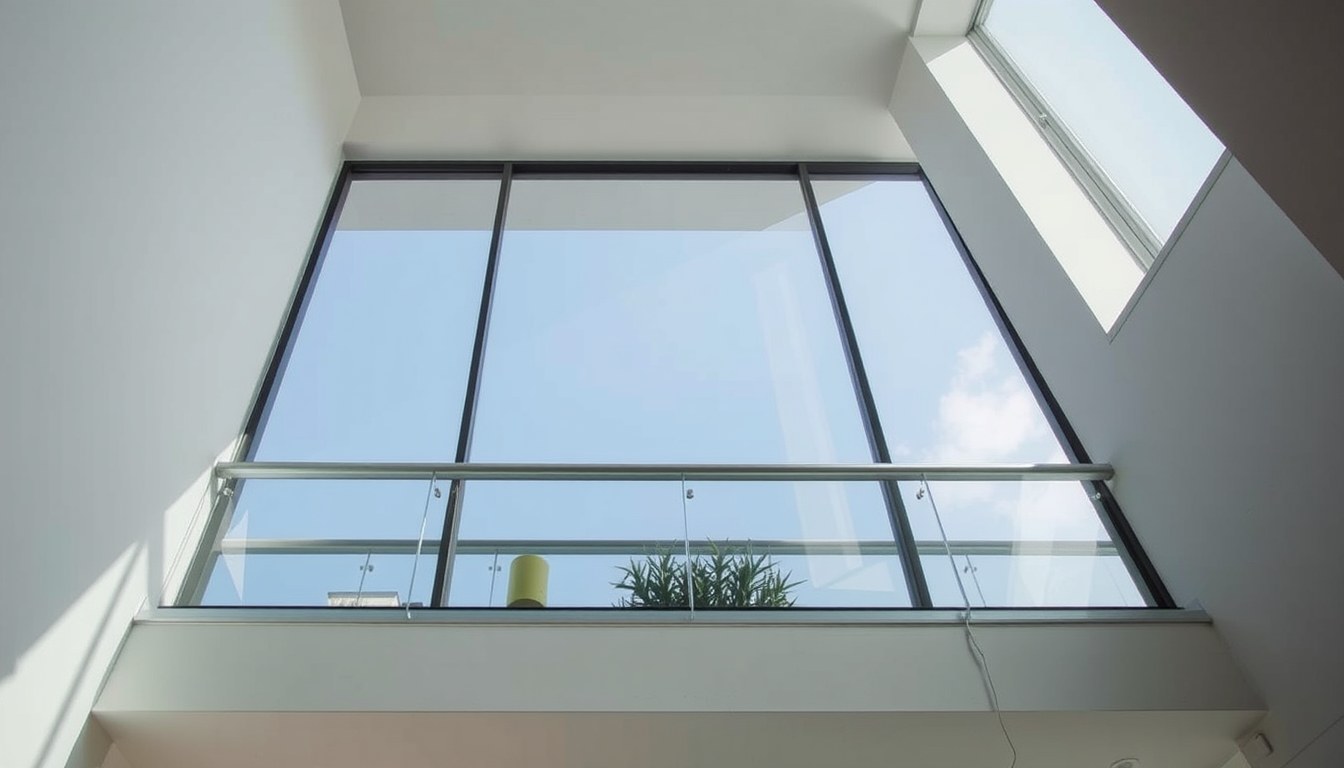
When a balcony railing fails, the consequences can be catastrophic. Bangalore's rapid construction boom has made safety compliance non-negotiable, and laminated glass has emerged as the preferred choice for balcony safety across the city's residential and commercial projects. Unlike toughened glass, which shatters into small fragments on impact, laminated glass holds together, providing a critical safety barrier that meets and often exceeds Bangalore building codes.
Laminated Glass vs. Toughened Glass: The Safety Difference
Both laminated and toughened glass are tempered safety glasses, but they behave very differently when subjected to impact or pressure. Understanding these differences is essential for anyone building or renovating in Bangalore.
Toughened glass undergoes thermal treatment that increases its strength and creates internal stress. When it breaks, it shatters into small, relatively harmless cubes. This property makes it excellent for applications like shower enclosures and car windows. However, for balconies, this characteristic becomes a liability—once toughened glass fails, there is no barrier to prevent a person or object from falling through.
Laminated glass, by contrast, consists of two or more glass panes bonded together with a polyvinyl butyral (PVB) interlayer. When impact occurs, the glass may crack, but the PVB layer holds the pieces together, maintaining the structural integrity of the railing. This "stay-together" quality is why Bangalore's building authorities and structural engineers consistently specify laminated glass for balcony safety applications.
Why This Matters for Balcony Design
A balcony railing must serve a dual purpose: it must be transparent enough to not obstruct views, yet strong enough to contain and restrain occupants. Laminated glass achieves both objectives. Even if a child pushes hard against the glass or an adult leans with significant force, the glass may show damage but will not fail catastrophically.
Understanding the PVB Interlayer: The Heart of Laminated Glass Safety
The polyvinyl butyral (PVB) interlayer is the defining feature that makes laminated glass suitable for safety-critical applications. This plastic layer, typically 0.38 mm to 1.52 mm thick, is bonded between glass panes under heat and pressure during manufacturing.
How PVB Works in Balcony Applications
When a balcony railing experiences impact—whether from a person falling, a heavy object striking it, or wind-driven debris—the PVB interlayer absorbs energy and distributes stress across the entire assembly. Instead of shattering into projectiles, the glass cracks while remaining adhered to the PVB layer. This prevents the glass from separating from the frame and falling, which would be catastrophic if someone is below.
The thickness of the PVB layer directly affects the safety performance. Thicker interlayers (1.52 mm or more) provide greater impact resistance and are recommended for high-rise buildings where wind loads and structural stress are higher. In Bangalore, where many new residential complexes exceed 15-20 stories, builders typically specify laminated glass with thicker PVB for balcony railings.
Additional Benefits of PVB Interlayers
- UV Protection: PVB blocks up to 99% of ultraviolet rays, protecting furnishings and reducing heat gain into the apartment.
- Sound Dampening: The interlayer absorbs sound vibrations, reducing traffic and external noise—a significant advantage in Bangalore's urban areas.
- Security: Laminated glass is much harder to break through intentionally, making it a preferred choice for ground-floor balconies and buildings in busy commercial zones.
- Durability: The PVB layer prevents the glass from becoming brittle over time, extending the lifespan of the balcony railing system.
Bangalore Building Codes and Laminated Glass Compliance
Bangalore's building regulations, governed by the Bangalore Building By-laws (BBC) and aligned with the National Building Code of India (NBC), set strict standards for balcony safety. These codes are enforced by the Bruhat Bengaluru Mahanagara Palike (BBMP) and private building approval authorities.
Key Code Requirements for Balcony Railings
According to the NBC and BBC, balcony railings must meet the following criteria:
- Minimum height of 1.1 meters (or 1.2 meters for residential buildings above 12 meters).
- Ability to withstand a horizontal load of 1.5 kN per linear meter without permanent deformation.
- Glass used must be safety glass (either tempered or laminated).
- If glass is used, it must be secured in a way that prevents it from falling out if broken.
Laminated glass naturally satisfies these requirements because even if cracked, it remains secured in the frame. Toughened glass, while technically a safety glass, requires additional mechanical restraints (like stainless steel cables or frames with higher safety margins) to ensure that shattered pieces don't fall. This makes laminated glass the more straightforward and cost-effective choice for compliance.
Approval by BBMP and Private Authorities
When submitting building plans to BBMP or private approval authorities in Bangalore, specifying laminated glass for balcony railings typically results in faster approvals. Structural engineers and architects recognize it as a code-compliant solution that requires no additional safety justification. This has made it the de facto standard in Bangalore's construction industry.
Why Bangalore Builders Prefer Laminated Glass for Balconies
Beyond safety and code compliance, several practical and economic reasons drive Bangalore builders to choose laminated glass for balcony applications.
Structural Simplicity and Cost-Effectiveness
Installing laminated glass requires straightforward framing and glazing techniques. Builders can work with local fabricators like Royal Art Glass Work or AJ BJ Aluminium Fabrication & UPVC Windows, who are well-versed in laminated glass specifications. The installation process is faster than systems requiring additional mechanical restraints, reducing labor costs and project timelines.
Aesthetic Advantages
Laminated glass offers a clean, modern appearance without visible cables, frames, or additional safety hardware. For Bangalore's premium residential projects, this aesthetic appeal is significant. Interior designers and architects, including firms like Yukta Interiors and Flairwood Interiors, prefer laminated glass because it maintains unobstructed sightlines and doesn't require visible safety infrastructure.
Insurance and Liability Considerations
Insurance companies and building management authorities in Bangalore view laminated glass balcony railings as a lower-risk installation. This can translate into lower insurance premiums and reduced liability exposure for builders and property owners. In the event of an incident, having specified laminated glass demonstrates due diligence in safety compliance.
Resale and Rental Value
Properties with laminated glass balcony railings are marketed as safer and more modern, which can positively influence resale and rental values in Bangalore's competitive real estate market. Buyers and tenants increasingly inquire about safety features, and laminated glass is a tangible selling point.
Installation and Maintenance of Laminated Glass Balcony Railings
Proper installation is critical to ensuring that laminated glass balcony railings perform as intended. In Bangalore, professional installation by certified fabricators is essential.
Installation Best Practices
The glass must be securely framed using aluminum or stainless steel profiles that are corrosion-resistant—important in Bangalore's humid climate. The frame must be anchored to the balcony structure with fasteners that account for thermal expansion and contraction. Sealants used around the glass must be high-quality, weather-resistant materials that prevent water ingress.
Reputable Bangalore-based fabricators ensure that all components meet Indian Standards (IS) specifications. For instance, N S Glass House and other established dealers in the city follow these standards rigorously.
Maintenance Requirements
Laminated glass balcony railings require minimal maintenance compared to other railing systems. Regular cleaning with mild soap and water keeps the glass transparent. Inspect the sealants annually and reseal if cracks appear. In Bangalore's monsoon season (June-September), pay special attention to water drainage around the frame to prevent staining and corrosion.
If the glass becomes cracked or damaged, it should be replaced promptly. Because the PVB interlayer holds the glass together, a cracked balcony railing remains safe, but the structural integrity may be compromised over time, especially under wind loads.
Frequently Asked Questions
Is laminated glass stronger than toughened glass?
Laminated and toughened glass have different strength profiles. Toughened glass is harder and more resistant to scratching, but laminated glass is tougher—it absorbs impact energy better and doesn't shatter into fragments. For balcony railings, laminated glass's toughness is more valuable than toughened glass's hardness, because the goal is to prevent failure and maintain the barrier, not to resist scratching.
Can laminated glass break in Bangalore's heat and monsoon?
Laminated glass is highly resistant to thermal stress and weather extremes. The PVB interlayer accommodates thermal expansion and contraction, and the glass itself doesn't become brittle. Bangalore's temperature variations (roughly 15°C to 35°C annually) are well within the operating range of modern laminated glass. However, proper installation with quality sealants is essential to prevent water damage during monsoons.
How much does laminated glass cost compared to toughened glass for a balcony?
Laminated glass typically costs 20-40% more than toughened glass per square meter, depending on thickness and PVB specifications. However, when accounting for installation simplicity, reduced need for additional safety hardware, and faster project timelines, the overall cost difference narrows significantly. For a typical Bangalore apartment balcony (8-15 square meters), the additional cost is often ₹8,000-₹15,000, which many builders and homeowners view as a worthwhile investment in safety and compliance.
Do Bangalore building authorities require laminated glass for balconies?
The NBC and BBC require safety glass (either tempered or laminated) for balcony railings. They do not mandate laminated glass specifically. However, laminated glass is the preferred choice because it meets all safety requirements without additional mechanical restraints, making it the path of least resistance for approvals and inspections. Many builders specify it as a standard to streamline the approval process.
What is the lifespan of laminated glass balcony railings?
Laminated glass can last 20-30 years or more with proper installation and maintenance. The PVB interlayer does not degrade significantly over time in normal conditions. The limiting factor is usually the frame and sealants, which may need replacement or resealing after 10-15 years, depending on exposure to weather and maintenance quality.
Conclusion: Safety and Compliance Go Hand-in-Hand with Laminated Glass
Laminated glass has become the standard for balcony safety in Bangalore because it delivers on multiple fronts: it meets and exceeds building codes, provides superior safety performance, offers aesthetic advantages, and simplifies construction and approval processes. The PVB interlayer ensures that even if the glass is damaged, it remains in place, protecting occupants and preventing catastrophic failure.
For builders, architects, and homeowners in Bangalore, specifying laminated glass for balcony railings is not just a compliance checkbox—it's a commitment to safety and quality that resonates with residents and regulators alike.
Ready to upgrade your balcony with laminated glass? Explore Bangalore's trusted glass suppliers and fabricators on glassy.in, India's largest glass-business directory. Connect with certified dealers, fabricators, and interior designers who can deliver code-compliant, safe, and beautiful balcony solutions tailored to your project's needs.