
Toughened Glass
Laminated Glass for Staircases: Safety, Load Capacity & Design Options
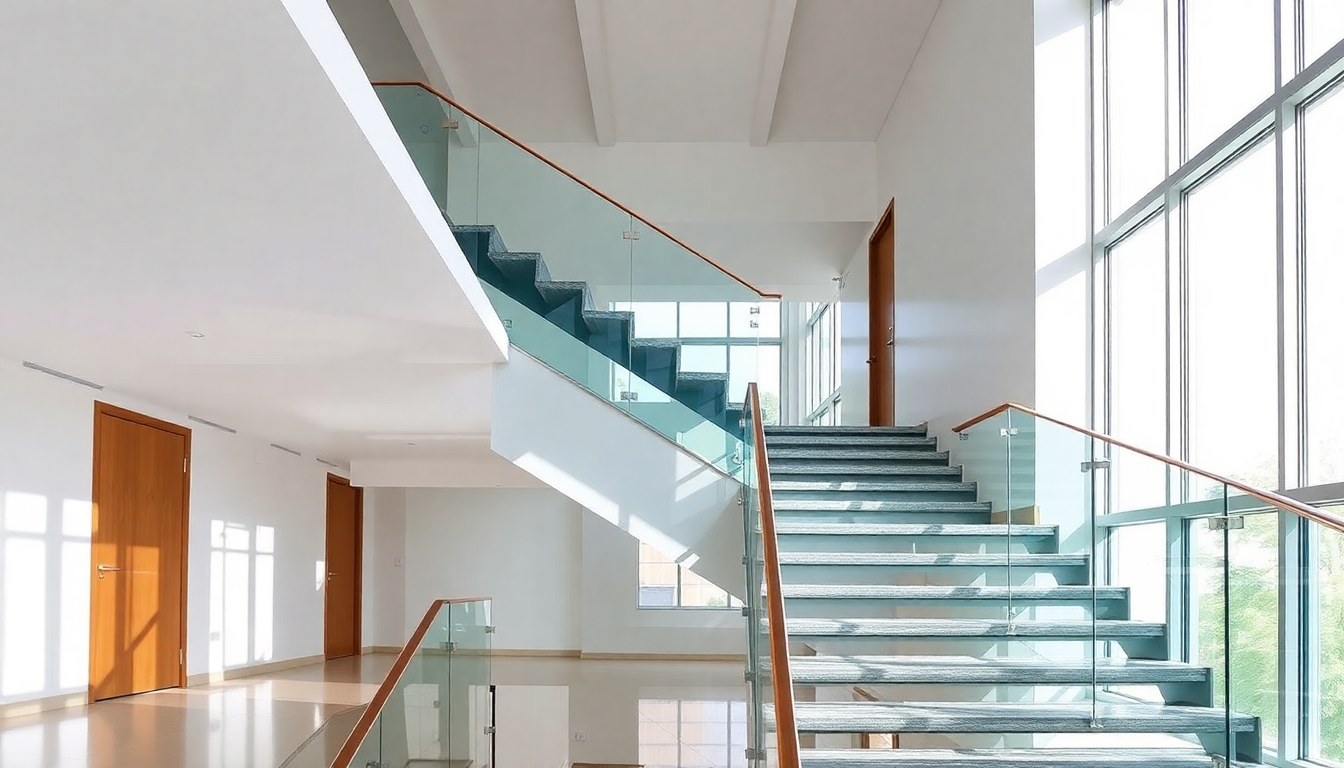
Modern staircases demand materials that balance safety, durability, and aesthetic appeal—and laminated glass delivers on all fronts. Whether you're designing a residential villa in Bangalore, a commercial office in Mumbai, or a boutique hotel in Delhi, laminated glass staircases have become the preferred choice for architects and homeowners who refuse to compromise on either function or form. This guide explores why laminated glass is ideal for staircases, how to select the right thickness, and what installation options work best for your space.
What Makes Laminated Glass Safe for Staircases?
Laminated glass consists of two or more glass panes bonded together with a polyvinyl butyral (PVB) interlayer. When impact occurs—whether from a fall, dropped object, or accidental collision—the interlayer holds the glass fragments together rather than allowing them to shatter into dangerous shards. This fundamental characteristic makes laminated glass significantly safer than annealed or even tempered glass for high-traffic areas like staircases.
In the event of breakage, the glass may crack but remains largely intact, reducing the risk of lacerations and serious injuries. This is especially important on staircases where falls or slips could be catastrophic. The interlayer also provides sound insulation and UV protection, making it a multifunctional choice for modern home and commercial design.
Meeting Indian Safety Standards
Laminated glass for staircases must comply with Indian Standards (IS 2553:2021), which specifies minimum thickness, interlayer strength, and impact resistance requirements. For residential staircases, 10mm or 12mm laminated glass (typically 6+6mm or 6+4mm configurations) is standard. Commercial applications often require thicker specifications like 12+12mm to handle higher foot traffic and load demands.
Load Capacity and Thickness Selection
Load capacity depends on the glass thickness, span between supports, and the interlayer quality. Thicker laminated glass can support higher loads without deflection or risk of failure. For staircases, the load includes not just the weight of users but also the structural integrity needed to prevent the glass from flexing excessively—which can feel unstable and unsettling underfoot.
Recommended Thickness for Different Applications
- Residential Staircases: 10mm or 12mm laminated glass is typically sufficient for standard residential use, supporting loads of 500–800 kg per square meter depending on support spacing.
- Commercial & High-Traffic Areas: 12mm to 15mm laminated glass is recommended, with load capacities ranging from 800–1,500 kg per square meter.
- Luxury or Large-Span Staircases: 15mm to 19mm laminated glass or even dual-layer configurations (12+12mm or 15+15mm) may be specified for spans exceeding 1.5 meters or where minimal deflection is critical.
- Balustrade Panels: Vertical glass panels used as railings typically use 10–12mm laminated glass, as they experience lateral forces rather than vertical loads.
Always consult with a structural engineer or glass supplier to confirm the appropriate thickness for your specific staircase design, span, and expected usage. Factors like the gap between support points, the type of interlayer, and whether the glass is fully supported or cantilevered all influence the final specification.
Deflection and Comfort
Even though laminated glass can support significant loads, excessive deflection (bending) can create an uncomfortable or unsafe feeling when walking on glass treads. A deflection of more than 5–10mm over a 1.5-meter span is generally considered unacceptable for staircases. Thicker glass and closer support spacing help minimize deflection and ensure user confidence and safety.
Design Options and Visual Impact
One of the greatest advantages of laminated glass for staircases is its versatility in design. Unlike solid materials, glass allows light to flow through, creating an open, spacious feel while maintaining structural integrity and safety.
Tread and Riser Configurations
- Full Glass Treads: Completely transparent glass steps create a floating effect and maximize light transmission. These are visually stunning but require careful cleaning to maintain appearance.
- Glass with Opaque Inserts: Combining clear laminated glass with frosted, sandblasted, or digitally printed sections offers privacy and reduces the visual intensity of full transparency while maintaining elegance.
- Glass Risers Only: Some designs use laminated glass only for the vertical riser panels, keeping wooden or metal treads for comfort and durability. This hybrid approach balances aesthetics with practicality.
- Frameless vs. Framed: Frameless glass staircases create a minimalist, modern look, while aluminum or stainless-steel frames add definition and can improve structural performance.
Customization and Finishes
Laminated glass can be customized with various finishes to suit any interior design scheme. Frosted, sandblasted, or acid-etched surfaces reduce transparency while adding texture and visual interest. Digital printing allows custom patterns, company logos, or artistic designs to be embedded within the glass. Colored interlayers (available in blue, green, bronze, and other hues) add a contemporary flair while maintaining safety performance.
For luxury residential projects in cities like Mumbai, Delhi, and Bangalore, bespoke laminated glass staircases with integrated LED lighting, custom tints, and designer finishes have become a signature feature in high-end homes and commercial spaces.
Installation Methods and Structural Considerations
Proper installation is crucial for safety and longevity. Laminated glass staircases require precise engineering and skilled craftsmanship to ensure the glass is adequately supported and secured without creating stress points that could lead to failure.
Support Systems
- Continuous Support: The glass treads rest on a continuous steel or aluminum frame along the entire bottom edge, distributing load evenly and minimizing deflection.
- Point Supports: Some designs use discrete support points (typically stainless-steel brackets) at intervals. These require thicker glass and careful engineering to prevent excessive deflection between supports.
- Cantilever Design: Advanced installations may feature cantilevered glass treads attached to a central spine or wall, creating a dramatic floating effect. These require maximum glass thickness and professional structural design.
Fastening and Sealing
Laminated glass must be fastened using appropriate hardware—typically stainless-steel bolts, brackets, or clamps that distribute pressure evenly across the glass surface. Improper fastening can create stress concentrations that weaken the glass or cause premature failure. Silicone sealants are used to weatherproof joints and prevent water ingress, which is particularly important in humid climates like coastal Indian cities.
Installation should always be performed by certified professionals experienced with glass staircases. Poor installation can compromise both safety and the visual integrity of the design. In India, reputable glass suppliers and contractors typically provide installation services as part of their offering, with warranties covering both materials and workmanship.
Maintenance and Long-Term Durability
Laminated glass staircases are relatively low-maintenance compared to other materials, but proper care extends their lifespan and preserves their appearance. Regular cleaning with mild soap and water keeps the glass clear and free of smudges. For frosted or textured finishes, soft brushes help remove dust from crevices.
The PVB interlayer is resistant to UV degradation and will not yellow or degrade significantly over time, even in India's intense sunlight. However, exposure to extreme temperature fluctuations or moisture (in tropical regions) can occasionally cause minor delamination at the edges if the glass is not properly sealed. Quality installation with appropriate sealants prevents this issue.
Laminated glass is also highly resistant to scratching and impact damage compared to polycarbonate or acrylic alternatives. If the glass does break, the interlayer holds it together safely, and individual panes can be replaced without compromising the entire staircase structure—though this should be done by professionals.
Cost Considerations and ROI
Laminated glass staircases are a premium investment, typically costing between ₹2,00,000 to ₹8,00,000+ depending on size, thickness, customization, and location. A simple 12mm laminated glass staircase in a residential setting might cost ₹3,00,000 to ₹4,50,000, while a bespoke commercial installation with custom finishes and advanced support systems could exceed ₹10,00,000.
While this is significantly higher than wooden or steel staircases, the benefits—enhanced safety, durability, light transmission, and aesthetic value—justify the investment for many homeowners and businesses. The dramatic visual impact and open feel laminated glass creates can increase property value, particularly in luxury real estate markets across India's major cities.
Frequently Asked Questions
Is laminated glass strong enough for staircase treads?
Yes, when properly specified and installed. Laminated glass of 10–15mm thickness, depending on span and load requirements, is engineered to safely support human traffic and meet Indian safety standards (IS 2553:2021). The key is selecting the correct thickness for your specific application and ensuring professional installation.
What happens if laminated glass on a staircase breaks?
The PVB interlayer holds the glass fragments together, preventing sharp shards from scattering. The glass may crack or become opaque in the impact zone, but it remains largely intact and safe. The staircase remains usable until the damaged pane is professionally replaced. This is a major safety advantage over tempered or annealed glass.
How do I clean laminated glass stairs without leaving streaks?
Use a mixture of mild dish soap and water with a soft cloth or squeegee. For stubborn smudges, a glass cleaner (like those used for windows) works well. Avoid abrasive scrubbers or harsh chemicals that can damage the interlayer seal at the edges. Microfiber cloths are ideal for streak-free results.
Can laminated glass be used for both treads and risers?
Absolutely. Many modern designs use laminated glass for both treads (horizontal steps) and risers (vertical panels) or as balustrade railings. This creates a cohesive, fully transparent or customized look. The thickness and support requirements differ slightly between treads (which bear vertical loads) and risers (which experience lateral forces), but laminated glass handles both effectively.
What's the difference between laminated glass and tempered glass for staircases?
Tempered glass is stronger but shatters completely into small, blunt pieces when broken—which can still be dangerous on staircases. Laminated glass is specifically designed to hold together when broken, making it the safer choice for high-traffic, high-risk areas like staircases. While tempered glass is cheaper, laminated glass is the industry standard for staircase safety.
Ready to transform your staircase with laminated glass? Explore verified glass suppliers, manufacturers, and installation experts on glassy.in, India's most comprehensive glass-business directory. Whether you're in Delhi, Mumbai, Bangalore, or any other city, find trusted professionals who specialize in laminated glass staircases and bring your vision to life safely and beautifully.