
Toughened Glass
Laminated vs Toughened Glass for Staircases: Safety & Design Trade-offs
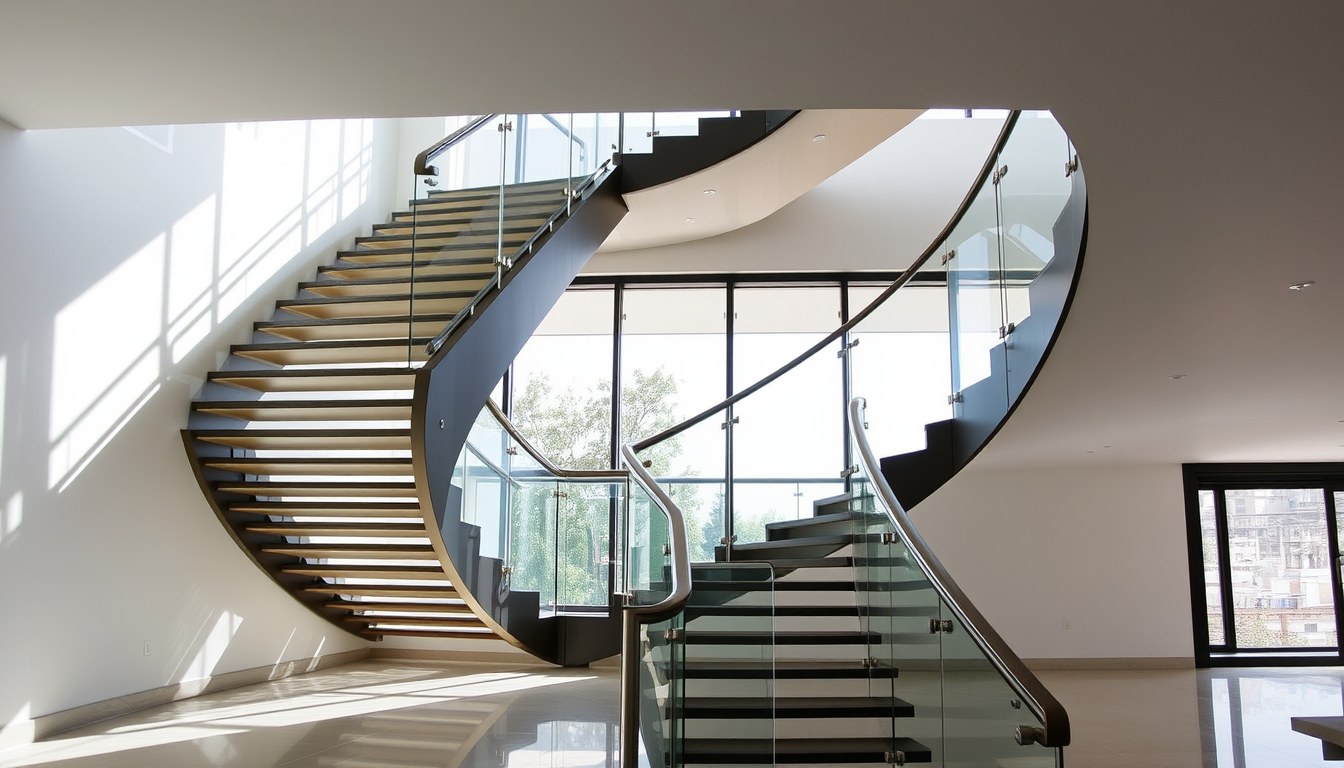
Staircases with glass railings and balustrades have become a hallmark of modern interior design, offering unobstructed views and an open feel to homes and commercial spaces. However, selecting the right glass type is critical—the choice between laminated and toughened glass directly impacts safety, durability, maintenance, and long-term costs. Understanding the strengths and limitations of each will help you make an informed decision that aligns with your safety requirements and design vision.
Understanding Laminated Glass for Staircases
Laminated glass consists of two or more glass panes bonded together with an interlayer, typically made of polyvinyl butyral (PVB) or ethylene-vinyl acetate (EVA). When laminated glass breaks, the interlayer holds the fragments in place, preventing sharp shards from scattering. This characteristic makes it exceptionally safe for applications where human contact is likely, such as staircase railings and balustrades.
In India, laminated glass is widely used in residential and commercial buildings, particularly in metro cities like Bangalore, Mumbai, and Delhi where safety regulations are strictly enforced. The interlayer also provides sound insulation and UV protection, making it suitable for staircases near windows or glass facades. Many architects and designers prefer laminated glass for its reliability in high-traffic areas.
Safety Performance of Laminated Glass
Laminated glass meets Indian Standard IS 2553 for safety requirements. When struck or impacted, it may crack, but the glass remains adhered to the interlayer, creating a spider-web pattern rather than dangerous fragments. This behavior is particularly valuable in staircase applications where falls or impacts are possible.
- Prevents sharp fragments from becoming projectiles
- Reduces injury severity in case of breakage
- Provides a second barrier even after cracking
- Meets building safety codes across Indian states
Understanding Toughened Glass for Staircases
Toughened glass, also called tempered glass, undergoes a heat-treatment process that creates internal compressive stress. This treatment makes it approximately four to five times stronger than annealed glass of the same thickness. When toughened glass does break—which is rare under normal use—it shatters into small, relatively harmless granules rather than sharp shards.
Toughened glass is increasingly popular for staircase applications in India, especially in modern residences and office complexes. Its superior strength means thinner glass can be used without compromising safety, creating a more minimalist aesthetic. However, once toughened, the glass cannot be cut, drilled, or modified, which limits design flexibility.
Safety Performance of Toughened Glass
Toughened glass complies with Indian Standard IS 2553 and IS 12600. Its inherent strength makes breakage unlikely under normal circumstances, and when it does break, the granular fragmentation pattern minimizes cutting injuries. However, the unpredictability of breakage—it can spontaneously shatter due to nickel sulfide inclusions—is a consideration some architects overlook.
- Four to five times stronger than regular glass
- Breaks into small, blunt granules if damaged
- Requires minimal maintenance
- Cannot be cut or modified after tempering
Safety Standards and Compliance in India
Both laminated and toughened glass must comply with Indian Standards for safety glazing. IS 2553:2016 covers safety requirements for glass in buildings, while IS 12600:2016 specifies safety requirements for toughened glass. State building codes, such as those in Maharashtra, Karnataka, and Delhi, often reference these standards in their regulations.
For staircases, most building bylaws in India recommend glass barriers to be either laminated or toughened, with minimum thickness of 8mm to 12mm depending on the height and span of the railing. Always consult your local municipal corporation or a certified architect before finalizing your choice. Professional glass suppliers like Rs Agency can guide you on compliance requirements specific to your location.
Breakage Behavior: A Critical Safety Difference
The way glass breaks is fundamental to staircase safety. Laminated glass, when damaged, remains largely intact due to its interlayer, creating a temporary barrier even after cracking. This gives occupants time to seek help and prevents immediate injury from sharp fragments. Toughened glass, conversely, breaks suddenly and completely, though the fragments are less sharp.
In a staircase scenario, laminated glass offers predictable failure—cracks appear, but the structure holds. Toughened glass offers unpredictable failure; it either withstands impact completely or shatters entirely. For high-traffic staircases in homes with children or elderly residents, many safety experts recommend laminated glass for this reason. However, the rarity of toughened glass breakage under normal use means the risk is minimal in practice.
Spontaneous Breakage Risk
Toughened glass can occasionally undergo spontaneous breakage due to nickel sulfide (NiS) inclusions, tiny impurities that can expand over time, causing the glass to shatter without external impact. While modern manufacturing has reduced this risk significantly, it remains a consideration. Laminated glass does not have this risk, making it more predictable in the long term.
Cost Analysis and Long-Term Value
Cost is often a deciding factor in staircase design. Laminated glass typically costs 20–30% more than toughened glass of the same thickness, depending on the interlayer quality and thickness. For a 10-foot staircase railing with multiple panels, this difference can amount to ₹15,000–₹30,000 or more.
However, long-term value extends beyond initial purchase price. Laminated glass requires minimal maintenance and has a longer lifespan without spontaneous failure risks. Toughened glass is cheaper upfront and more durable against daily wear, but if breakage occurs, replacement costs are identical. Additionally, if your design requires custom cuts, drilled holes, or modifications, laminated glass offers flexibility that toughened glass cannot provide. Consulting with experienced designers like DHISHA STRUCTURES AND DESIGNS LLP can help you evaluate the true cost of ownership.
Price Range in India (Approximate)
- Laminated Glass (8mm): ₹180–₹250 per square foot
- Toughened Glass (8mm): ₹150–₹200 per square foot
- Installation and finishing: ₹50–₹100 per square foot (both types)
Design Flexibility and Aesthetic Considerations
Laminated glass offers superior design flexibility. It can be cut, drilled, polished, or sandblasted after manufacturing, allowing for custom shapes, decorative patterns, and integrated hardware. If your staircase design includes frameless railings with concealed fittings, laminated glass accommodates this more easily.
Toughened glass must be cut and drilled before tempering, limiting customization. If you later decide to modify the railing—add a handrail bracket, change the height, or incorporate new design elements—you may need to replace the entire panel. For contemporary minimalist designs, toughened glass's superior clarity and strength create an elegant, uncluttered appearance. For designs requiring custom elements, laminated glass is the practical choice.
Frequently Asked Questions
Is laminated glass safer than toughened glass for staircases?
Both are safe and meet Indian safety standards. Laminated glass is safer if you prioritize predictable failure and fragment containment, as it holds together when cracked. Toughened glass is safer in terms of preventing breakage altogether due to its superior strength. The choice depends on your risk tolerance and specific use case. For homes with young children or elderly residents, laminated glass is often preferred.
Can toughened glass be cut or modified after tempering?
No, toughened glass cannot be cut, drilled, or modified after the tempering process. All customization must occur before heat treatment. Laminated glass, however, can be cut and drilled after manufacturing, offering greater flexibility for design changes.
What is the typical lifespan of laminated and toughened glass for staircases?
Both types, when properly installed and maintained, can last 20–30 years or longer. Laminated glass may require interlayer replacement in rare cases after significant damage, while toughened glass typically has no maintenance needs. The lifespan depends more on installation quality and environmental factors than the glass type itself.
Which glass type is more cost-effective for staircases?
Toughened glass has a lower upfront cost, typically 20–30% cheaper than laminated glass. However, laminated glass offers better long-term value if customization is needed or if spontaneous breakage concerns matter to you. Calculate the total cost of ownership, including potential modifications and replacement scenarios, rather than just the initial purchase price.
Are there any building code restrictions on using either type for staircases in India?
Indian building codes (IS 2553 and IS 12600) permit both laminated and toughened glass for staircase railings. However, specific requirements vary by state and municipality. Most codes mandate a minimum thickness of 8–12mm and require safety glazing certification. Always consult your local municipal corporation or a qualified architect to ensure compliance with regional bylaws.
Making Your Final Decision
Choosing between laminated and toughened glass for your staircase requires balancing safety, cost, design goals, and practical constraints. Laminated glass excels in safety predictability, design flexibility, and long-term reliability, making it ideal for homes and commercial spaces where customization matters. Toughened glass offers superior strength and lower initial costs, making it perfect for straightforward designs where durability and minimalist aesthetics are priorities.
Consult with certified glass suppliers and architects in your region to assess your specific needs. Whether you prioritize safety margins, design flexibility, or budget efficiency, both options deliver when properly installed and maintained. Explore the glassy.in directory to connect with trusted glass businesses, architects, and suppliers across India who can guide you through the selection process and ensure your staircase meets all safety standards while complementing your interior design vision.