
Toughened Glass
Low-E Glass vs Standard Toughened Glass: Thermal Performance & Long-Term Savings
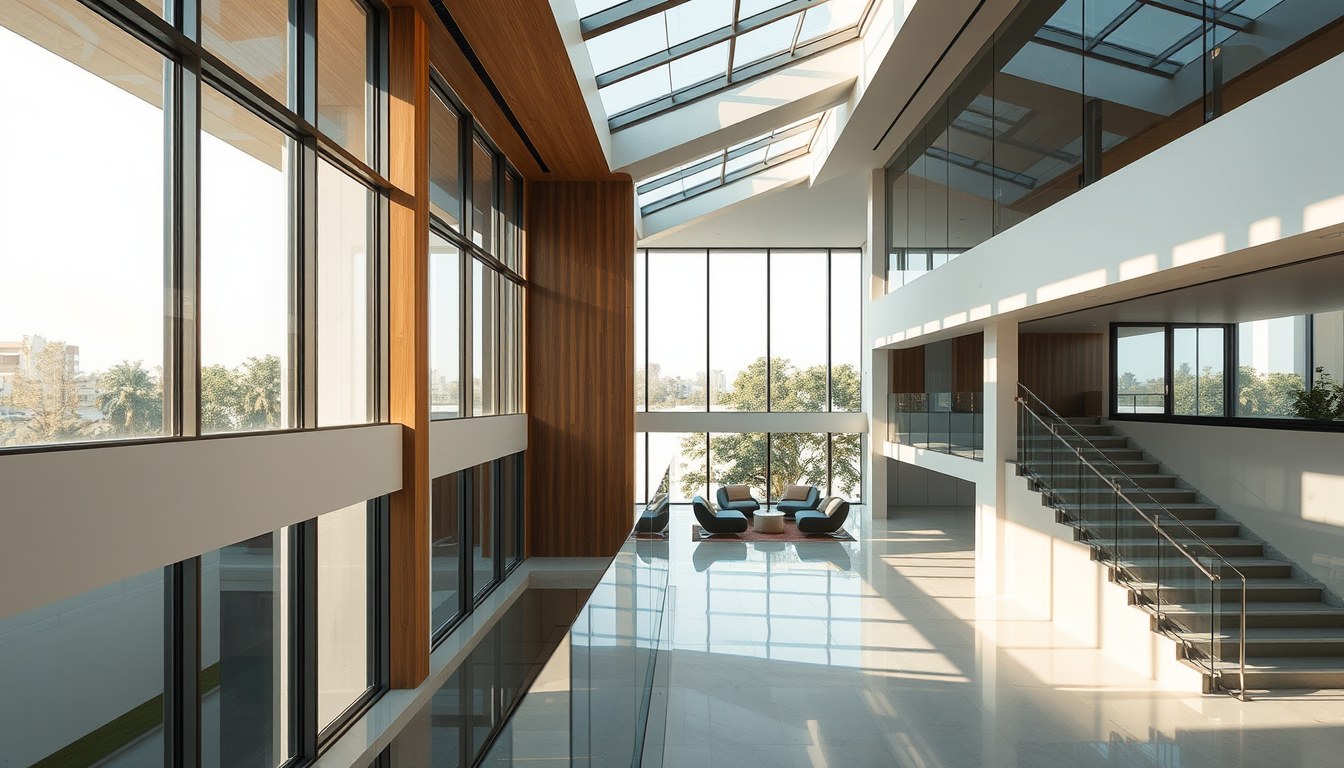
When choosing glazing for your home or commercial space in India, the difference between standard toughened glass and low-emissivity (low-E) coated toughened glass can mean substantial savings on cooling and heating costs. Low-E glass reflects infrared heat while allowing visible light to pass through, making it a smarter investment for thermal comfort and energy efficiency. This comprehensive guide compares both options so you can make an informed decision based on performance, cost, and your climate zone.
Understanding Toughened Glass Basics
Toughened glass, also called tempered glass, is standard safety glazing created through controlled heating and rapid cooling. This process increases its strength by four to five times compared to annealed glass, making it ideal for windows, doors, and facades in residential and commercial buildings across India.
Standard toughened glass offers excellent mechanical strength and safety—it shatters into small, harmless granules rather than sharp shards. However, it has no special thermal properties. It transmits both visible light and infrared radiation equally, meaning heat from the sun passes through in summer, and indoor heat escapes in winter. This is where thermal performance becomes a concern in India's diverse climate zones, from the hot plains to cooler hill stations.
What Is Low-E Glass and How Does It Work?
Low-emissivity (low-E) glass is toughened glass with a microscopically thin, transparent metallic oxide coating applied during or after the tempering process. This coating is invisible to the naked eye but highly effective at managing thermal radiation.
The Science Behind Low-E Coating
The coating works on a simple principle: it reflects infrared radiation (heat) while transmitting visible light. In summer, it reflects up to 70% of solar heat back outside, reducing cooling load. In winter, it reflects interior heat back indoors, reducing heating losses. The coating typically consists of layers of silver, tin oxide, or other materials that are just nanometers thick, yet powerful enough to make a measurable difference in energy consumption.
There are two main types of low-E coatings: hard-coat (pyrolytic) and soft-coat (sputtered). Hard-coat is applied during glass manufacturing at high temperatures and is more durable for exterior applications. Soft-coat is applied after manufacturing and offers superior thermal performance but requires protection in insulated glass units (IGUs).
Thermal Performance Comparison
Heat Transmission (U-Value)
The U-value measures how much heat passes through glass—lower is better. Standard single-pane toughened glass has a U-value around 5.8 W/m²K. Low-E coated toughened glass in an insulated glass unit reduces this to approximately 1.5–2.5 W/m²K, depending on the coating type and cavity gas fill. This dramatic difference translates to significantly reduced thermal transfer.
Solar Heat Gain Coefficient (SHGC)
The SHGC measures how much solar radiation enters through glass (0 to 1 scale; lower means less heat enters). Standard toughened glass has an SHGC around 0.86. Low-E glass reduces this to 0.20–0.40, making it far superior for hot climates like Delhi, Mumbai, and Bangalore where summer cooling is a major expense.
Visible Light Transmittance (VLT)
This measures how much visible light passes through (0 to 1 scale; higher is better). Both standard and low-E glass maintain high VLT around 0.70–0.80, so you don't sacrifice natural daylight. This is crucial for maintaining comfort and reducing dependency on artificial lighting.
Long-Term Financial Savings
Energy Bill Reduction
In India's hot climate zones, low-E glass can reduce air-conditioning costs by 20–40% depending on building design, orientation, and usage patterns. For a typical 2,000 sq. ft. apartment in Mumbai or Bangalore with annual cooling costs of ₹40,000–60,000, this represents savings of ₹8,000–24,000 per year. Over a 20-year window lifespan, cumulative savings can exceed ₹2 lakh.
In cooler regions and during winter months, low-E glass reduces heating losses, providing year-round benefits. The payback period typically ranges from 5–8 years, after which all savings are pure benefit.
Increased Property Value
Energy-efficient homes command higher resale values and attract environmentally conscious buyers. Many property developers in India now specify low-E glass as a premium feature, justifying higher asking prices and faster sales.
Installation and Material Costs
Low-E coated toughened glass costs approximately 30–50% more than standard toughened glass. A typical window installation might cost ₹500–800 per sq. ft. for standard toughened glass versus ₹700–1,200 per sq. ft. for low-E coated variants. However, when combined with insulated glass units and proper installation by professionals like Matz Design or ConstructDesigning, the investment delivers measurable returns.
Climate-Specific Recommendations for India
Hot and Humid Zones (Mumbai, Bangalore, Hyderabad)
Low-E glass with low SHGC (0.20–0.30) is ideal. The priority is blocking solar heat gain. Combined with proper external shading and insulated frames, low-E glass can reduce peak cooling loads significantly. Architects in these regions, such as DK Architecture Design, increasingly recommend this solution for residential and commercial projects.
Temperate Zones (Delhi, Chandigarh, Pune)
Balanced low-E coatings with moderate SHGC (0.40–0.50) perform best, allowing some winter solar gain while blocking excessive summer heat. These regions experience distinct seasons, so year-round thermal management is essential.
Cool Hill Stations (Shimla, Manali, Ooty)
Standard toughened glass may suffice if heating is minimal, but low-E glass still provides comfort and reduces heating costs during winter months. The investment is justified for premium residential projects.
Installation and Durability Considerations
Low-E glass requires proper installation in insulated glass units (IGUs) with quality seals to perform optimally. Poor installation negates the thermal benefits. Work with certified installers and architects who understand glazing specifications. Site Practice and Priya Architectural Solutions are known for precision in such installations.
Low-E coatings are durable and typically last the life of the glass (20+ years). Hard-coat versions withstand weathering better than soft-coat, making them suitable for exterior applications. Soft-coat versions, when protected in IGUs, maintain superior thermal performance without degradation.
Standard toughened glass, by contrast, requires no special maintenance and performs consistently throughout its lifespan—but without thermal benefits. Both types resist scratching and thermal stress equally well.
Environmental and Sustainability Impact
Lower energy consumption directly reduces carbon footprint. A home with low-E glass saves approximately 1–2 tonnes of CO₂ emissions annually compared to standard glazing, depending on climate and usage. For environmentally conscious homeowners and businesses, this aligns with India's net-zero and green building initiatives.
Many developers pursuing LEED, IGBC Green Building, or Vastu-compliant eco-friendly certifications now mandate low-E glass. This trend is accelerating in metropolitan areas and premium residential projects.
Frequently Asked Questions
Is low-E glass worth the extra cost in India?
Yes, especially in hot climates. The 5–8 year payback period through energy savings, combined with improved comfort, increased property value, and environmental benefits, makes low-E glass a sound investment for most Indian homes and commercial spaces. The longer you occupy the property, the greater your return.
Can low-E glass be applied to existing toughened glass windows?
No, the coating must be applied during or immediately after the glass tempering process. Retrofitting is not practical. However, you can replace existing windows with new low-E coated units. For renovation projects, consult with experienced interior designers like SIRA INTERIORS to plan the upgrade.
Does low-E glass reduce natural light?
No, low-E coatings maintain 70–80% visible light transmittance. You get the same natural daylight as standard glass while blocking infrared heat. This is one of the key advantages—thermal performance without sacrificing brightness.
Which is better for north-facing windows: low-E glass or standard toughened glass?
Low-E glass is still beneficial for north-facing windows because it reduces heating losses in winter and maintains consistent indoor temperatures. However, south and west-facing windows see the greatest energy savings benefit from low-E coatings in India's climate.
How long does low-E coating last?
Low-E coatings are integral to the glass and last the lifetime of the glass—typically 20+ years or longer. They do not degrade from UV exposure or weathering when properly installed in sealed insulated glass units. Hard-coat versions are especially durable for exterior applications.
Make Your Choice: Find the Right Glass Solution on Glassy.in
Whether you're building a new home, renovating an existing property, or upgrading commercial glazing, choosing between low-E glass and standard toughened glass depends on your climate, budget, and long-term goals. Low-E glass delivers superior thermal performance and measurable energy savings, especially across India's hot zones. Standard toughened glass offers strength and safety at lower cost, suitable for applications where thermal control is not a priority. Explore verified glass suppliers, architects, and installers on glassy.in—India's largest glass-business directory—to connect with experts who can guide your decision and ensure professional installation for maximum performance and durability.