
Toughened Glass
Tinted Glass for Car Garages: UV Protection & Heat Rejection Ratings
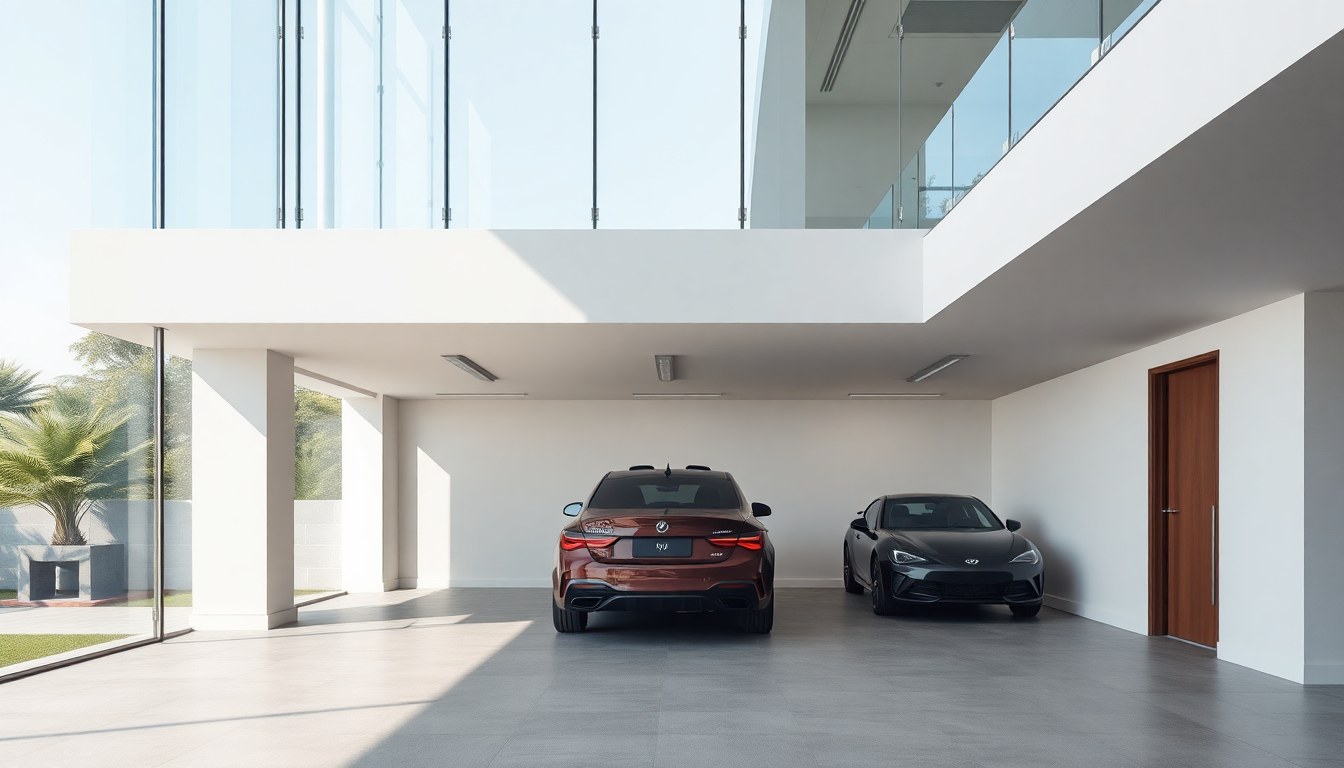
If you're building or renovating a car garage in India, tinted glass is a smart investment that protects both your vehicle and your interior from harmful UV rays and excessive heat. Automotive-grade tinted glass blocks up to 99% of ultraviolet radiation and can reject 50–70% of infrared heat, keeping your garage cooler and your car's paint, upholstery, and dashboard from fading or cracking. This guide covers the technical specifications, heat rejection percentages, legal standards in India, and cost comparisons across leading brands so you can make an informed decision.
Understanding Automotive-Grade Tinted Glass Specifications
Automotive-grade tinted glass is engineered differently from standard window glass. It combines multiple layers—typically a base glass substrate, a tinting layer (usually metallic oxides or dyes), and a protective coating—to achieve superior optical and thermal properties. These layers work together to reduce glare, block harmful radiation, and maintain structural integrity even under temperature stress.
The key specifications to evaluate are visible light transmittance (VLT), UV rejection rate, and infrared (IR) rejection percentage. VLT measures the percentage of visible light that passes through the glass—higher VLT means more light enters, while lower VLT provides more privacy and heat rejection. For car garages, a VLT between 40% and 60% strikes a balance between visibility and thermal control.
UV Protection Ratings
Ultraviolet radiation damages car paint, rubber seals, and leather upholstery over time, causing fading, brittleness, and discoloration. Premium automotive tints block 99% of UVA and UVB rays, meeting or exceeding international standards like ASTM G173 (solar spectral irradiance). This level of protection is critical in India, where intense tropical sunlight and high UV indices accelerate degradation.
Infrared (IR) Heat Rejection
Infrared radiation is the primary cause of heat buildup inside parked vehicles. Quality automotive tints reject 50–70% of infrared energy, significantly lowering interior temperatures and reducing air-conditioning load. Some premium ceramic and metallic tints achieve IR rejection rates above 70%, making them ideal for hot climates across India's urban and suburban regions.
Heat Rejection Ratings and Performance Metrics
Heat rejection is measured as a percentage of total solar energy blocked. The Solar Heat Gain Coefficient (SHGC) is an international standard that quantifies how much solar heat passes through a glazing system. For automotive applications, an SHGC below 0.40 is considered excellent; below 0.30 is premium-grade.
In practical terms, a garage with quality tinted glass (IR rejection 60%+) can maintain interior temperatures 8–12°C lower than untinted garages during peak summer hours. This translates to extended vehicle component lifespan, reduced interior wear, and lower cooling costs if the garage is air-conditioned.
Ceramic vs. Metallic vs. Dyed Tints
- Ceramic Tints: Non-metallic, non-conductive, and do not interfere with radio or GPS signals. Offer 50–65% IR rejection, excellent clarity, and superior fade resistance. Premium option, typically ₹800–₹1,500 per square meter.
- Metallic Tints: Contain aluminum or other metal particles for enhanced heat reflection. Provide 55–70% IR rejection but may cause signal interference. Mid-range option, ₹600–₹1,200 per square meter.
- Dyed Tints: Absorb solar energy using organic dyes. Offer 30–45% IR rejection, lower cost, but prone to fading over 3–5 years. Budget option, ₹300–₹700 per square meter.
Legal Compliance and Regulations in India
India's Motor Vehicles Act and Central Motor Vehicles Rules (CMVR) set strict limits on window tinting for road-going vehicles. However, garage windows and stationary installations are not subject to the same restrictions, giving you greater flexibility in choosing darker, more effective tints.
For vehicles themselves, the front windshield must allow minimum 70% light transmission, side windows 50%, and rear windows 50%. But when tinting garage windows—where the vehicle is parked—you can opt for tints with VLT as low as 20–30%, maximizing heat rejection without legal concerns. Always verify local municipal bylaws, as some jurisdictions may have additional requirements for commercial or residential garages.
Certification and Standards
Look for tints certified under ISO 3864 (safety glazing standards) or equivalent Indian standards (IS 2553 for safety glass). Reputable suppliers like City Glass Palace and Aluminium Fabrication provide documentation confirming UV and IR rejection percentages, ensuring you receive genuine automotive-grade material rather than untested alternatives.
Cost Comparison Across Leading Brands and Suppliers
Pricing for automotive-grade tinted glass in India varies based on material type, brand reputation, thickness, and installation. Below is a typical cost breakdown for a standard single-car garage (approximately 40–50 square meters of glazing):
| Tint Type | Per Sq. Meter Cost (₹) | Total Garage Cost (₹) | IR Rejection | Durability |
|---|---|---|---|---|
| Dyed Tint (Budget) | 300–700 | 12,000–35,000 | 30–45% | 3–5 years |
| Metallic Tint (Mid-Range) | 600–1,200 | 24,000–60,000 | 55–70% | 5–8 years |
| Ceramic Tint (Premium) | 800–1,500 | 32,000–75,000 | 50–65% | 8–12 years |
Labor costs for professional installation typically add ₹5,000–₹15,000 depending on garage size and glass configuration. Choice Art Glass and Dimond Glass are established dealers offering competitive pricing and installation services across major Indian cities.
Brand Recommendations
Leading international brands like 3M, Llumar, and V-Kool offer automotive-grade tints with proven performance and warranty coverage (typically 3–10 years). Indian manufacturers and authorized distributors provide cost-effective alternatives with comparable specifications. Always request independent test reports confirming UV and IR rejection claims before purchasing.
Installation Best Practices and Maintenance
Professional installation is essential for achieving the rated UV and IR rejection performance. Poor installation allows gaps, bubbles, and peeling, which compromise effectiveness and durability. Ensure the installer uses proper cleaning, application, and curing techniques specific to your tint type.
Maintenance is minimal—clean tinted glass with mild soap and soft cloth, avoiding abrasive materials. Avoid high-pressure water jets that may damage the adhesive layer. With proper care, ceramic and metallic tints last 8–12 years, while dyed tints typically require replacement after 3–5 years as UV exposure degrades the dye molecules.
Installation Timeline
A standard single-car garage can be fully tinted in 1–2 days, depending on window size and configuration. Multi-car facilities may require 3–5 days. Plan installation during mild weather to allow proper curing of adhesives and protective coatings.
Additional Benefits Beyond Heat and UV Protection
Tinted garage glass offers secondary benefits beyond thermal control. It reduces glare, improving visibility when working on vehicles or retrieving items. The tint also provides privacy, obscuring the interior from passersby and potential thieves. Some metallic and ceramic tints offer minor shatter-resistance properties, adding a safety layer if the glass experiences impact.
For architects and interior designers planning garage spaces, tinted glass integrates seamlessly with modern aesthetics. Firms like Archidose Architects incorporate automotive-grade tinting into comprehensive garage and vehicle storage designs, balancing functionality with visual appeal.
Frequently Asked Questions
What is the best IR rejection percentage for a car garage in India?
For Indian climates, aim for 60–70% IR rejection, which balances cost and performance. This level reduces interior temperatures by 8–12°C compared to untinted glass, significantly protecting vehicle components and reducing cooling costs. Premium ceramic tints often exceed this threshold while maintaining optical clarity.
Is tinted glass for garages legal in India?
Yes, tinting garage windows is entirely legal in India. Legal restrictions under the Motor Vehicles Act apply only to vehicle windows on road-going cars. Stationary garage installations have no regulatory limits, allowing you to choose darker, more effective tints (VLT 20–30%) without compliance concerns. Always verify local municipal bylaws for any additional requirements.
How long does automotive-grade tinted glass last?
Durability depends on tint type: dyed tints last 3–5 years, metallic tints 5–8 years, and ceramic tints 8–12 years. UV exposure and temperature fluctuations accelerate degradation in lower-grade materials. Premium ceramic tints are more resistant to fading and maintain performance over extended periods, making them a better long-term investment despite higher upfront costs.
Can tinted glass be applied to existing garage windows?
Yes, professional tint films can be applied to existing glass without replacement. This is a cost-effective upgrade for older garages. However, if your garage has damaged or poor-quality glass, replacement with pre-tinted automotive glass may be more durable and effective. Consult a qualified installer to assess your specific situation.
Does tinted glass affect natural lighting in the garage?
Tinted glass reduces visible light transmittance by 40–60%, dimming the space compared to untinted glass. For garages relying on natural light, consider supplementary LED lighting or choose a lighter tint (VLT 50–60%) to balance heat rejection with visibility. Ceramic tints typically maintain better optical clarity than metallic alternatives at equivalent IR rejection rates.
Conclusion: Invest in Quality Tinted Glass for Long-Term Vehicle Protection
Tinted glass for car garages is a practical investment that protects your vehicle from UV damage, reduces interior heat, and improves comfort and safety. By understanding UV protection ratings, IR rejection percentages, legal compliance in India, and cost options, you can select the right tint for your needs and budget. Ceramic tints offer the best long-term value, while metallic and dyed options provide cost-effective alternatives for budget-conscious buyers.
Ready to upgrade your garage with automotive-grade tinted glass? Explore verified glass dealers and installers on glassy.in, India's largest glass-business directory. Connect with trusted suppliers in your city, compare quotes, and find the perfect tinting solution for your vehicle storage needs.