
Glass Guides
Skylights with Insulated Glass: Daylight + Thermal Efficiency for Homes
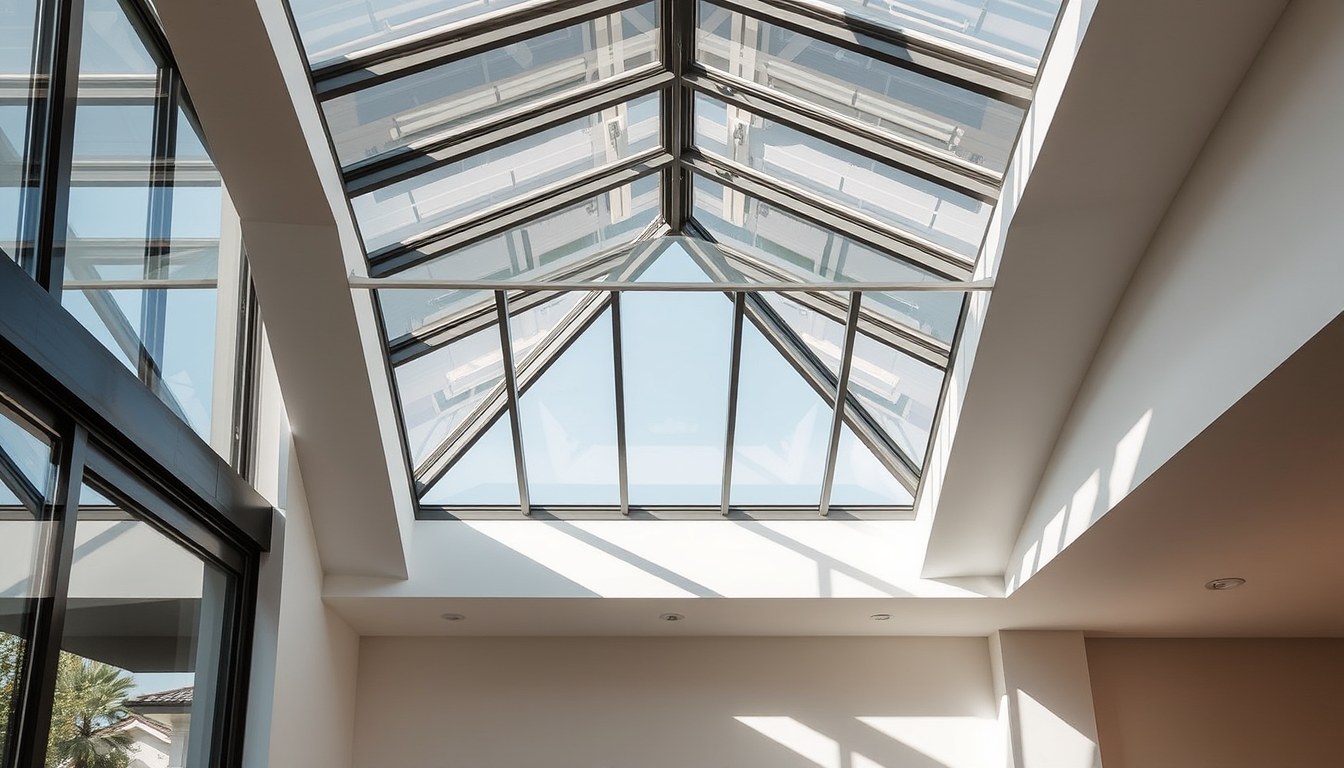
Skylights flood your home with natural light, but traditional single-pane skylights drain energy and inflate cooling bills. Insulated glass units (IGUs) solve this dilemma by combining the warmth of daylight with thermal performance that keeps heat in winter and cold in summer. Whether you're renovating a Mumbai apartment or building a new home in Bangalore, understanding IGU skylights helps you maximize natural light without sacrificing comfort or energy efficiency.
What Are Insulated Glass Skylights and Why They Matter
An insulated glass skylight is a window assembly made from two or three panes of glass separated by sealed air or argon gas chambers. Unlike single-pane skylights that conduct heat rapidly, IGU skylights create an insulating barrier that reduces thermal transfer by up to 50–70% compared to conventional glass. This dual benefit—abundant daylight plus energy savings—makes them increasingly popular in Indian homes where intense sun and air-conditioning costs are everyday concerns.
The science is straightforward: each air gap acts as a thermal buffer. In summer, this reduces solar heat gain; in winter, it traps interior warmth. Many IGU skylights also feature low-emissivity (Low-E) coatings, which reflect infrared radiation while allowing visible light through. The result is consistent indoor temperatures, reduced HVAC strain, and lower electricity bills—especially valuable in climates like Delhi, Hyderabad, and Chennai.
Key Components of an IGU Skylight
- Outer and inner glass panes: Tempered or laminated for safety; often 4–6 mm thick.
- Spacer bar: Holds panes apart; modern spacers are thermally broken (insulated) rather than aluminum, reducing heat bridging.
- Sealant: Dual-seal systems (primary and secondary) prevent moisture infiltration and gas loss.
- Low-E coating: Metallic layer that reflects heat while transmitting light.
- Gas fill: Argon or krypton gas (denser than air) improves insulation value.
Sizing and Placement: Getting the Balance Right
Proper sizing ensures you harvest daylight without overheating or creating glare. A skylight that's too large floods the room with heat and light; one that's too small wastes the opportunity for natural illumination. The rule of thumb is to allocate skylight area equal to 5–10% of the room's floor area. For a 200 sq ft bedroom, aim for 10–20 sq ft of skylight opening (roughly 1–2 square meters).
Placement matters equally. North-facing skylights deliver consistent, non-glare daylight year-round—ideal for kitchens, offices, and studios. South-facing skylights (in the Northern Hemisphere) maximize solar heat gain in winter but require shading in summer; in India, where the sun is intense, south-facing skylights must include motorized blinds or reflective films. East and west exposures bring morning and evening light but risk glare and heat gain during peak hours.
Climate-Specific Sizing
In hot, dry regions like Rajasthan or parts of Gujarat, smaller skylights (5–8% of floor area) with external shading are preferable. In moderate climates like Pune or Nashik, standard 8–10% sizing works well. In cooler, cloudier regions like Himachal Pradesh, larger skylights (10–12% of floor area) capture more diffuse daylight. Always consult local building codes—some Indian municipalities have restrictions on skylight size for seismic or structural reasons.
Preventing Condensation and Moisture Issues
Condensation on skylights is a common complaint, especially in humid Indian cities like Kolkata, Mumbai, and Kochi. When warm, moist indoor air meets a cold glass surface, water droplets form. IGU skylights with proper sealing and thermally broken spacers significantly reduce this risk, but prevention requires attention to ventilation and humidity control.
The key is maintaining a dew point balance. If indoor humidity exceeds 60% and the glass surface temperature drops below the dew point, condensation occurs. Solutions include:
- Ensure proper ventilation: Exhaust fans in kitchens and bathrooms; cross-ventilation through windows.
- Install motorized blinds or cellular shades: These add an insulating layer and reduce the temperature differential at the glass surface.
- Use a dehumidifier in humid seasons: Particularly useful during monsoons in coastal areas.
- Choose triple-glazed IGUs for extreme climates: A third pane significantly raises the inner glass temperature, nearly eliminating condensation.
- Ensure proper installation: Gaps in the frame seal allow humid air to reach the glass; hire certified installers to avoid this costly mistake.
Thermal Performance: U-Values and Solar Heat Gain Coefficient (SHGC)
Two metrics define an IGU skylight's thermal performance. The U-value measures heat transfer (lower is better); a good IGU skylight has a U-value of 0.20–0.30 W/m²K, compared to 0.50+ for single-pane skylights. The Solar Heat Gain Coefficient (SHGC) indicates how much solar radiation passes through; values range from 0 (blocks all heat) to 1 (transmits all heat).
For Indian homes, a balanced approach is ideal. In summer-dominated climates (most of India), choose SHGC values of 0.30–0.50 to block excess heat while still allowing daylight. In cooler regions, higher SHGC (0.50–0.70) captures winter solar warmth. Pair these with external shading (overhangs, blinds, or films) for seasonal control. A skylight with U-value 0.25 and SHGC 0.40, combined with a 1-meter overhang, can reduce cooling costs by 15–25% compared to a standard skylight.
Reading Performance Labels
When shopping for IGU skylights, look for labels from credible testing bodies. In India, the Bureau of Indian Standards (BIS) certifies glass products; international certifications like NFRC (North American Fenestration Rating Council) are also recognized. The label should clearly state U-value, SHGC, visible transmittance (VT—how much light passes through), and air leakage rates. Don't rely on manufacturer claims alone; independent certification ensures real performance.
Installation, Flashing, and Durability
A poorly installed skylight leaks water, loses thermal efficiency, and becomes a liability. Professional installation is non-negotiable. The frame must be sealed to the roof opening with flashing—typically aluminum or stainless steel—that channels water away from the interior. The flashing must extend under the roof covering above the skylight and over the covering below, creating a watertight overlap.
In India's monsoon regions, this detail is critical. Heavy rains and wind-driven moisture demand flashing that extends at least 150 mm above and below the skylight opening. Condensation inside the frame (between the panes) indicates seal failure and requires replacement. Quality IGU skylights from reputable manufacturers come with 10–15 year warranties on the seal; some premium brands offer 20+ year coverage. Installation labor typically costs ₹5,000–₹15,000 per skylight, depending on roof complexity and location.
Maintenance Tips
- Clean glass surfaces annually with mild soap and water; avoid abrasive cleaners.
- Inspect flashing and sealant every 2–3 years for cracks or deterioration.
- Keep gutters and downspouts clear to prevent water pooling near the skylight.
- Check motorized blinds and controls annually; replace batteries as needed.
Cost-Benefit Analysis: Investment and Return
IGU skylights are more expensive than single-pane alternatives. A standard 1.2 m × 1.2 m IGU skylight costs ₹25,000–₹50,000 for the unit alone, plus ₹10,000–₹20,000 for installation, flashing, and interior finishing. A triple-glazed skylight with motorized blinds can exceed ₹80,000. This upfront cost deters some homeowners, but the long-term savings are substantial.
A home with 3–4 IGU skylights can reduce daytime lighting electricity use by 20–30%, translating to ₹2,000–₹4,000 annual savings in cities with high electricity rates like Mumbai and Bangalore. In summer-heavy climates, reduced air-conditioning load saves an additional ₹3,000–₹6,000 yearly. Over 15 years, a ₹150,000 skylight investment yields ₹75,000–₹150,000 in utility savings—a payback period of 5–10 years. Add the intangible benefits (improved mood, better sleep, reduced reliance on artificial light), and the ROI becomes even more compelling.
Government incentives also matter. Some Indian states offer subsidies for energy-efficient home upgrades under schemes like UJALA or state-level green building programs. Check with your local municipal corporation or energy department for current offerings.
Frequently Asked Questions
Do IGU skylights really reduce energy bills?
Yes, but the savings depend on climate, skylight size, and shading. In hot climates with proper shading, IGU skylights reduce cooling costs by 15–25%. In moderate climates, combined heating and cooling savings reach 10–20%. A properly installed skylight with motorized blinds maximizes these benefits. Single-pane skylights offer no insulation, so the comparison is stark.
What's the difference between Low-E and regular glass in skylights?
Low-E (low-emissivity) coatings are microscopically thin metallic layers that reflect infrared radiation (heat) while allowing visible light through. In summer, Low-E coatings block solar heat; in winter, they reflect interior warmth back inside. Regular glass transmits both light and heat equally. For Indian homes, Low-E coatings are strongly recommended, especially in hot climates. The cost premium is 15–25%, but energy savings justify it.
Can I install a skylight in an existing home, or only during construction?
Retrofitting a skylight into an existing home is possible and common. The roof must be structurally sound, and you'll need to cut an opening and reinforce framing if necessary. This adds labor costs (₹15,000–₹30,000) compared to new construction, but it's entirely feasible. Hire a structural engineer to assess your roof's ability to support the opening, especially in earthquake-prone areas.
How do I prevent heat loss through skylights in winter?
Use cellular shades or honeycomb blinds with insulating air pockets; close them at night. Choose triple-glazed IGUs if winters are severe (not typical for most of India, but relevant for hill stations). Ensure the frame is thermally broken and sealed properly. External overhangs that block summer sun also trap warm air in winter. A well-designed skylight with winter-appropriate shading loses minimal heat.
What's the lifespan of an IGU skylight?
The glass and frame typically last 20–30 years with proper maintenance. The seal (the primary failure point) usually lasts 10–15 years, sometimes longer with premium brands. If the seal fails, the space between panes fills with moisture and insulation is lost. Replacement is often more cost-effective than repair. Regular maintenance—cleaning, flashing inspection, and sealant checks—extends lifespan significantly.
Conclusion: Bring Daylight Home Efficiently
Insulated glass skylights represent a smart investment for Indian homeowners seeking natural light without energy waste. By understanding sizing, placement, thermal performance, and maintenance, you can maximize their benefits. The combination of abundant daylight, reduced electricity consumption, and improved indoor comfort makes IGU skylights a worthwhile upgrade for any home renovation or new construction project.
Ready to explore skylight options for your home? Browse certified glass suppliers and skylight installers in your city on glassy.in, India's largest glass-business directory. Compare products, read reviews, and connect with professionals who understand local climate and building codes.