
Glass Guides
How to Maintain Low-E Coated Glass in Delhi's Extreme Heat and Cold
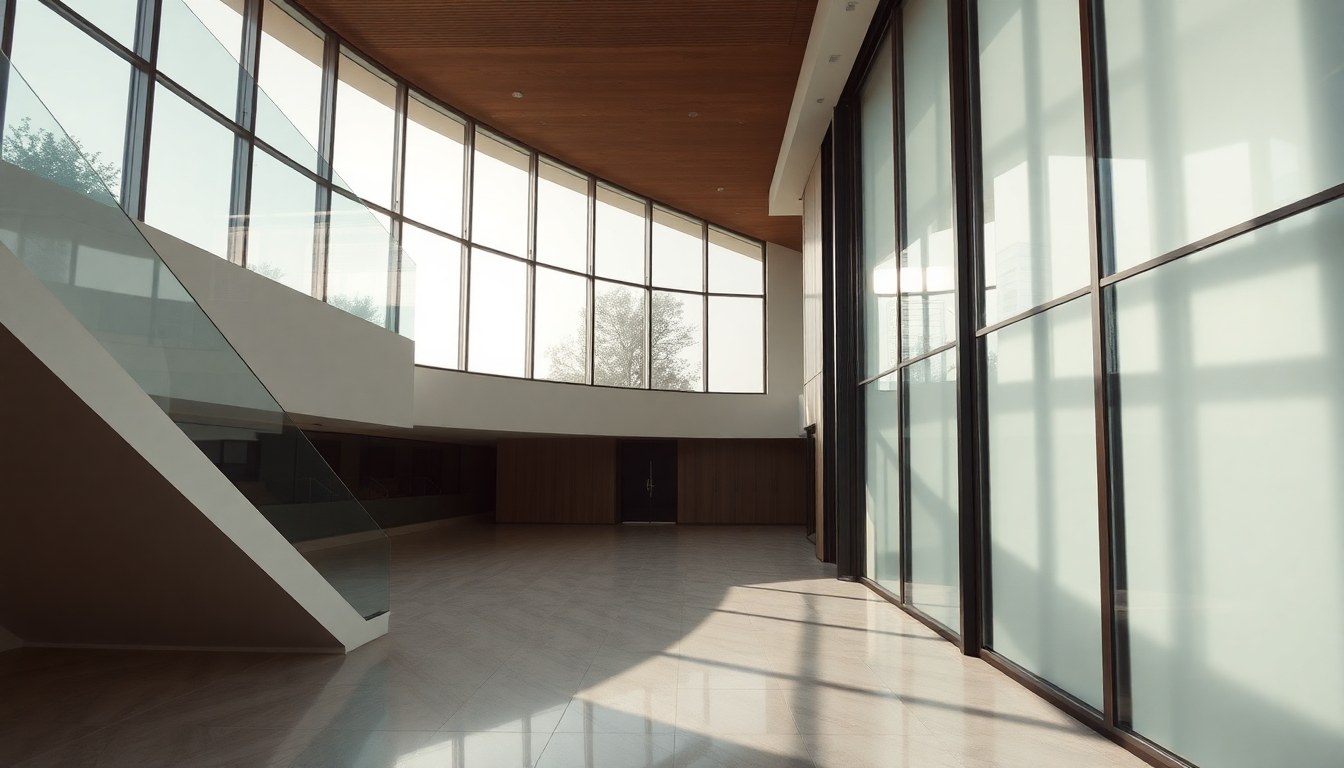
Low-emissivity (low-E) coated glass is a smart investment for Delhi homes and offices, reflecting heat in summer while retaining warmth in winter. However, Delhi's brutal temperature swings—from scorching 45°C summers to chilly 4°C winters—put unique stress on these delicate coatings. Proper maintenance is essential to protect your coating, preserve its thermal efficiency, and extend the lifespan of your windows beyond 15–20 years.
Understanding Low-E Coatings and Delhi's Climate Challenges
Low-E coatings are microscopically thin metallic layers applied to glass surfaces, typically containing silver, tin oxide, or zinc oxide compounds. These coatings allow visible light through while blocking infrared radiation—the primary source of heat transfer. In Delhi's climate, this technology can reduce cooling costs by 20–30% in summer and heating costs by 10–15% in winter.
The challenge lies in Delhi's extreme temperature fluctuations. Rapid heating and cooling cause the glass and its frame to expand and contract at different rates, creating stress on the coating. Dust, pollution, and moisture from the monsoon season further compromise the coating's integrity. Without proper care, the coating can develop micro-cracks, lose its reflective properties, and eventually fail.
Safe Cleaning Methods for Low-E Glass
Cleaning low-E coated glass requires a gentler approach than standard glass. The coating is durable but sensitive to harsh chemicals and abrasive materials that can scratch or strip the metallic layers.
Recommended Cleaning Solutions
- Distilled water with mild dish soap: Mix one tablespoon of liquid dish soap (like Dettol or any mild brand) in one liter of distilled water. This is the safest option for regular cleaning.
- White vinegar solution: Combine equal parts white vinegar and distilled water. Vinegar cuts through mineral deposits without damaging the coating.
- Specialized low-E glass cleaners: Products specifically formulated for coated glass are available at hardware stores across Delhi. Always check the label to ensure it's low-E safe.
Cleaning Technique and Tools
Use only soft, lint-free cloths—microfiber cloths are ideal—or soft-bristled brushes. Never use steel wool, scouring pads, or abrasive paper towels, as these will scratch the coating irreversibly. Apply the cleaning solution with a spray bottle or soft cloth, and wipe gently in circular motions. For stubborn deposits, let the solution sit for 5–10 minutes before wiping.
Avoid cleaning your windows during peak heat hours. The temperature difference between the hot glass and cool cleaning solution can cause thermal shock, leading to micro-fractures. Clean early morning or late evening, and never use high-pressure water jets or steam cleaners on low-E glass.
Protecting the Coating in Extreme Heat
Delhi's summer heat is intense, and low-E coatings need active protection during these months. The coating itself is designed to reflect heat, but the frame and seals around the glass are vulnerable to degradation.
Summer Maintenance Steps
- Inspect seals and gaskets monthly: Check the rubber or silicone seals around your windows. Heat causes these materials to dry out and crack. If you notice deterioration, have them replaced immediately to prevent moisture ingress.
- Clean more frequently: Dust and pollution accumulate faster in summer, reducing the coating's effectiveness. Clean your windows every 2–3 weeks instead of monthly.
- Use window shades or films: Install external shading devices like roller blinds or external films to reduce the load on the glass. This also protects the coating from prolonged UV exposure.
- Ensure proper ventilation: Keep the space between the glass panes (if double-glazed) clean and dry. Moisture trapped here can cause the coating to delaminate over time.
If your low-E glass is installed by professionals like ST INTERIOR GLASS & ALLUMINIUM UPVC WORKS in New Delhi, ask them to inspect the installation during summer. Proper installation with adequate ventilation is crucial for long-term durability.
Winter Care and Cold-Weather Challenges
Winter in Delhi brings moisture and temperature drops that pose different risks to low-E coatings. The coating's reflective properties are actually beneficial in winter, but condensation and frost can damage the glass and seals.
Winter Maintenance Checklist
- Monitor for condensation: If you notice condensation between glass panes, it indicates a seal failure. Contact a professional immediately, as this compromises the coating's insulating properties.
- Clean frost gently: Never scrape frost off the glass with metal tools. Instead, use a soft cloth dampened with lukewarm water, or allow the sun to melt it naturally.
- Check drainage: Ensure that drainage holes in window frames are clear. Blocked drainage traps water, which can seep into the glass unit and damage the coating.
- Maintain indoor humidity: Keep indoor humidity between 30–50% during winter. Excessive moisture promotes condensation and can weaken the coating's adhesion to the glass.
Winter is also an ideal time for a thorough professional inspection. Many glazing specialists across Delhi offer winter maintenance packages that include seal checks, drainage inspection, and coating assessment. This proactive approach can prevent costly repairs later.
Regular Inspection and Professional Maintenance
Even with careful home maintenance, low-E coated glass benefits from professional inspection at least once a year. A qualified glazier can detect early signs of coating degradation, seal failure, or frame damage that homeowners might miss.
What to Look For During Inspections
- Visible scratches, cloudiness, or discoloration on the coating
- Condensation between glass panes
- Cracks or chips in the glass itself
- Deteriorating seals or gaskets
- Water stains or mineral deposits that won't come clean
- Loss of the coating's reflective sheen
If your low-E glass is part of a larger interior design project, firms like Om Interior in Delhi can coordinate maintenance with your overall interior care schedule. For commercial spaces or complex installations, professional maintenance contracts are worth the investment.
Extending the Lifespan of Your Low-E Coating
With proper care, low-E coatings can last 15–20 years or longer. The key is consistency: regular cleaning, prompt repairs, and seasonal adjustments to your maintenance routine.
Document all cleaning and maintenance activities in a simple log. Note the date, what was cleaned, any issues observed, and any professional work done. This record helps you track patterns and anticipate when major maintenance might be needed. It also provides valuable information if you ever need to file an insurance claim or sell your property.
Avoid DIY repairs to the coating itself. If the coating is damaged, it cannot be repaired—the entire glass unit must be replaced. However, preventive maintenance can help you avoid this costly scenario. Invest in quality window treatments, maintain proper humidity levels, and address seal or frame issues as soon as they appear.
Common Mistakes to Avoid
Many Delhi homeowners unknowingly damage their low-E coatings through well-intentioned but harmful practices. Never use Windex, Harpic, or other harsh chemical cleaners on low-E glass—these can strip the coating or cause discoloration. Don't apply window tinting films directly to low-E glass without professional guidance, as the heat absorption can cause the coating to delaminate. Avoid placing hot objects like pots or heaters directly against the glass, as thermal stress can crack the coating.
If you're unsure about any maintenance step, consult a professional. Specialists like those at Rajput & Company in Old Delhi have extensive experience with Delhi's climate and can provide tailored advice for your specific situation.
Frequently Asked Questions
Can I use newspaper or paper towels to clean low-E glass?
No. Paper towels and newspaper contain abrasive fibers that can scratch the coating. Always use soft, lint-free microfiber cloths or soft cotton cloths. These materials are gentle enough to avoid damaging the delicate metallic layers while effectively removing dust and dirt.
How often should I clean low-E coated windows in Delhi?
In normal conditions, clean your low-E glass every 4–6 weeks. During Delhi's dusty seasons (May–June and October–November), increase frequency to every 2–3 weeks. After heavy rain or dust storms, inspect and clean as needed. Regular cleaning maintains the coating's reflective properties and prevents buildup that can degrade the glass.
What should I do if I notice condensation between the glass panes?
Condensation between panes indicates a seal failure, which is serious. Stop using the window and contact a professional glazier immediately. The glass unit will need to be replaced to restore insulation and protect the low-E coating from moisture damage. Continuing to use a failed unit can lead to further damage and higher repair costs.
Is it safe to apply window film to low-E glass?
Most standard window films should not be applied directly to low-E glass without professional assessment. The film can trap heat against the coating, causing it to delaminate or discolor. If you need additional shading or UV protection, consult a glazing professional first. They can recommend compatible films or external shading solutions that won't compromise your coating.
How much does professional maintenance of low-E glass cost in Delhi?
Costs vary widely depending on window size, location, and the extent of inspection needed. A basic annual inspection and cleaning typically ranges from ₹2,000 to ₹5,000 per window or ₹10,000 to ₹25,000 for a typical residential installation. Seal replacement or coating repairs cost significantly more. Getting quotes from multiple providers is recommended.
Maintaining low-E coated glass in Delhi's extreme climate is an investment in comfort, energy efficiency, and long-term savings. By following these care guidelines and seeking professional help when needed, you can protect your glass and enjoy its benefits for decades. Explore trusted glass dealers and specialists on glassy.in to find local experts who can help with installation, maintenance, and repairs tailored to Delhi's unique weather conditions.