
Glass Guides
Glass False Ceiling Installation: Structural Load, Lighting & Maintenance Tips
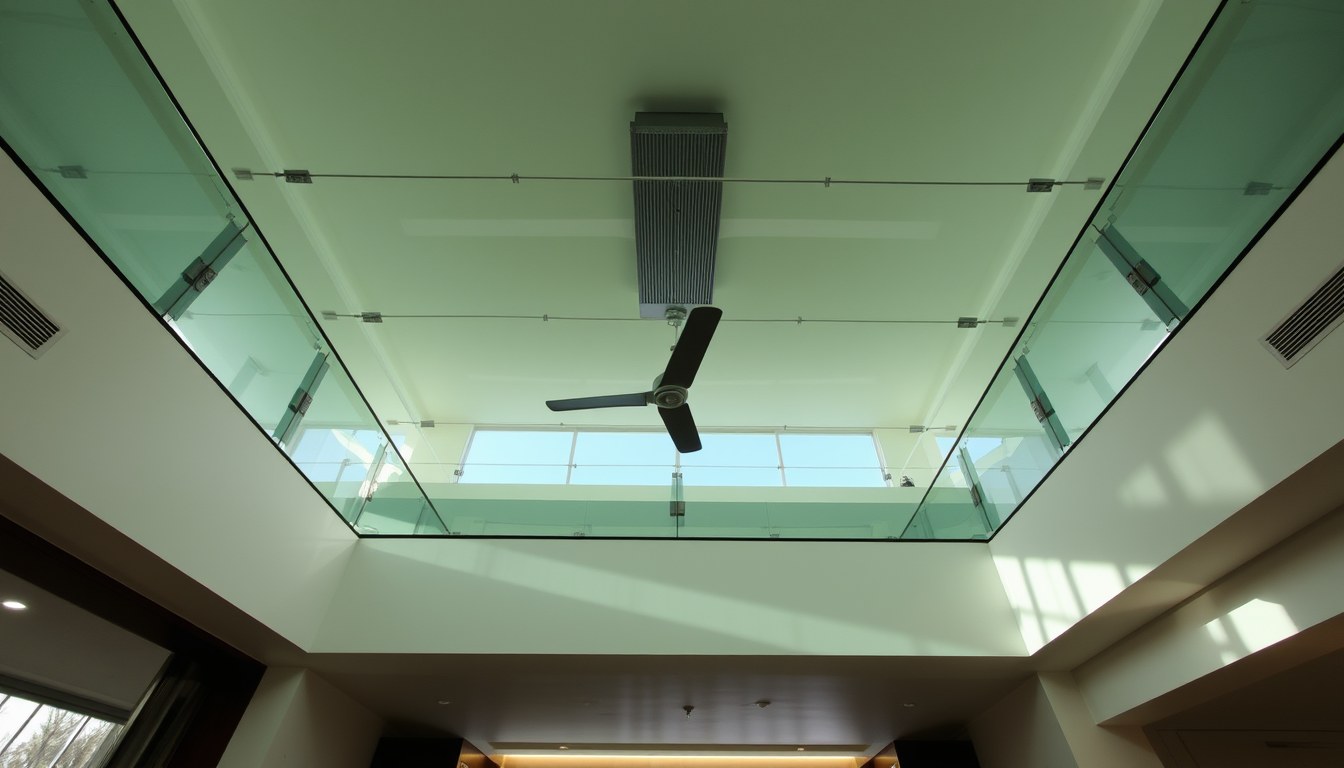
Glass false ceilings create an open, sophisticated aesthetic while improving light distribution in homes and commercial spaces. However, proper installation requires careful attention to structural load capacity, electrical safety, and ongoing maintenance. This technical guide walks you through every critical aspect of planning and installing a glass false ceiling system that performs reliably for years.
Understanding Structural Load Capacity
The foundation of any safe glass false ceiling installation is calculating the total weight your existing structure can support. Glass false ceilings are suspended systems that transfer their weight to the building's primary structure through metal frames and anchoring points. The load includes the glass panels themselves, the support framework, lighting fixtures, and any additional components like speakers or HVAC vents.
Most standard residential buildings in India are designed to handle suspended ceiling loads of 40–60 kg per square meter. However, this varies significantly based on your building's age, construction type, and the strength of the primary beams. Before purchasing materials, consult a structural engineer or a qualified contractor who can assess your specific ceiling structure. This step is not optional—it prevents costly mistakes and ensures safety.
Weight Distribution Fundamentals
Glass panels typically weigh 8–12 kg per square meter, depending on thickness. Standard 8mm toughened glass weighs approximately 20 kg per square meter, while 6mm toughened glass comes in at around 15 kg per square meter. The metal framework (usually aluminum or steel channels) adds another 8–15 kg per square meter. LED fixtures and wiring can contribute an additional 5–8 kg per square meter.
Distribute this load evenly across multiple suspension points. Space your suspension hangers at 1.2–1.5 meter intervals along the primary beam. Use high-tensile steel or aluminum suspension rods rated for at least 1.5 times the total calculated load. This safety factor protects against unexpected stress and ensures longevity.
Anchor Points and Fastening Systems
The quality of your anchor points directly impacts system durability. For concrete beams, use expansion anchors rated for the full load. For steel beams, welded brackets or bolted connections are ideal. Never rely solely on adhesive fastening for glass false ceilings—always use mechanical fasteners as primary supports.
- Concrete anchors: Use M10 or M12 expansion bolts with a minimum embedment depth of 60mm
- Steel beam connections: Welded brackets rated for the full suspended load
- Spacing: Position anchors no more than 1.5 meters apart to prevent sagging
- Material grade: Ensure all fasteners are stainless steel or hot-dip galvanized to prevent corrosion
Selecting and Installing Glass Panels
Not all glass is suitable for false ceiling applications. You need toughened (tempered) glass, which is heat-treated to be 4–5 times stronger than regular annealed glass. Toughened glass also breaks into harmless granules rather than sharp shards, making it safer if a panel fails. In India, toughened glass costs between ₹600–₹1,200 per square meter, depending on thickness and supplier.
For residential installations, 8mm toughened glass is the standard choice, offering good strength-to-weight balance. For commercial spaces with higher traffic or vibration concerns, 10mm toughened glass provides extra durability. Avoid frosted or patterned glass in load-bearing applications unless specifically engineered for that use.
Panel Installation Best Practices
Install glass panels in a metal framework that sits within the suspension system. The frame typically consists of aluminum channels that hold the glass edges without direct contact with fasteners. Use silicone gaskets or rubber strips between the glass and frame to absorb vibration and prevent stress concentration.
- Measure and cut aluminum frame members to exact dimensions with 3–5mm clearance for thermal expansion
- Assemble the frame on the ground before hoisting it into position
- Install gaskets in all frame grooves before inserting glass panels
- Secure panels with stainless steel clips spaced 300–400mm apart
- Apply silicone sealant to all joints to prevent dust and moisture infiltration
- Allow sealant to cure for 48 hours before applying load
LED Lighting Integration
LED lights are the ideal choice for glass false ceilings because they generate minimal heat and consume little power. Unlike older fluorescent or incandescent fixtures, LEDs won't cause thermal stress on glass panels or excessive load on the suspension system. Most modern LED panels weigh only 2–4 kg per square meter.
Plan your lighting layout before installation. Calculate the number of LED panels needed based on your space's square footage and desired illumination level. For residential spaces, aim for 300–500 lux (lumens per square meter). For office environments, 500–750 lux is standard. Consult your electrician to ensure your building's electrical panel can handle the additional load.
Wiring and Electrical Safety
All wiring must comply with Indian Electrical Rules and your local building codes. Use flame-retardant, insulated cables rated for the expected current. Run cables through conduits to protect them from damage and prevent contact with glass edges. Never allow cables to rest directly on glass panels or frame members.
- Use 1.5mm² copper cables for standard LED circuits (up to 10 amps)
- Install a dedicated circuit breaker for the false ceiling lighting system
- Position all junction boxes outside the false ceiling cavity for easy access
- Use waterproof connectors if your space is prone to moisture (kitchens, bathrooms)
- Install an RCD (residual current device) for additional protection against electrical faults
Dimming and Smart Controls
Modern LED systems support dimming and smart controls, allowing you to adjust brightness and color temperature. Ensure your LED driver and dimming module are compatible with your chosen LED panels. WiFi-enabled controls add convenience but require reliable internet connectivity and proper installation of control modules outside the false ceiling cavity.
Maintenance and Long-Term Care
Glass false ceilings require minimal maintenance compared to traditional drop ceilings, but regular care extends their lifespan and maintains their appearance. Dust accumulation on glass surfaces reduces light transmission and can harbor moisture, so establish a cleaning schedule based on your space's environment.
Cleaning Procedures
Clean glass false ceilings every 2–3 months in residential settings and monthly in commercial spaces. Use a soft microfiber cloth and a mild glass cleaner diluted with water. Avoid abrasive cleaners or rough cloths that can scratch the glass surface. For stubborn stains, use a mixture of equal parts white vinegar and water.
- Turn off all electrical systems before cleaning
- Use a stable ladder or scaffolding—never stand directly on the glass
- Wipe the glass gently in circular motions
- Dry thoroughly with a lint-free cloth to prevent water marks
- Check silicone sealants for cracks or deterioration during each cleaning
Inspection and Repairs
Inspect your glass false ceiling system every 6–12 months for signs of wear. Look for cracks in glass panels, corrosion on metal components, loose fasteners, and deteriorating sealants. Minor issues like loose clips or dried sealant can be addressed immediately. Cracked glass panels should be replaced promptly to prevent water infiltration and further structural damage.
Keep a record of all maintenance activities, including cleaning dates, repairs, and material replacements. This documentation helps track the system's condition and simplifies future maintenance or upgrades. If you notice sagging, unusual sounds, or visible cracks, contact a professional immediately—these are signs of structural stress that require expert assessment.
Seasonal Considerations
In India's varied climate, seasonal changes affect glass false ceilings. During monsoon season, moisture can accumulate in the cavity above the ceiling. Ensure adequate ventilation in this space and check sealants regularly for water ingress. In hot, dry seasons, thermal expansion can stress fasteners and sealants, so inspect these components more frequently.
Cost Estimation for Glass False Ceiling Installation
A typical glass false ceiling installation in India costs between ₹800–₹2,000 per square meter, depending on glass thickness, lighting specifications, and regional labor costs. This estimate includes materials (glass, aluminum frame, fasteners, sealants) and professional installation labor.
- Basic 8mm toughened glass with simple aluminum frame: ₹800–₹1,200 per sq. m
- Premium installation with integrated LED lighting: ₹1,500–₹2,500 per sq. m
- Smart lighting controls and dimming systems: Add ₹200–₹500 per sq. m
- Professional structural assessment: ₹5,000–₹15,000 (one-time cost)
Prices vary across major Indian cities. Bangalore, Mumbai, and Delhi typically charge 10–20% more than smaller cities due to higher labor costs and material availability. Always obtain quotes from at least three qualified installers and verify their credentials and past project portfolios.
Frequently Asked Questions
Can I install a glass false ceiling in an old building?
Yes, but you must first have a structural engineer assess your building's load-bearing capacity. Older buildings may have weaker primary beams or different construction standards. A professional inspection costs ₹5,000–₹15,000 but prevents expensive mistakes. In some cases, reinforcement of existing beams may be necessary before installation.
What is the lifespan of a glass false ceiling?
With proper installation and maintenance, a glass false ceiling lasts 15–25 years or longer. The glass itself is extremely durable, but fasteners, sealants, and electrical components may need replacement every 5–10 years. Regular inspections and timely repairs significantly extend the system's lifespan.
Is toughened glass really safe if it breaks?
Yes. Toughened glass breaks into small, relatively harmless granules rather than large, sharp shards. This design makes it significantly safer than regular glass in ceiling applications. However, a broken panel should be replaced promptly to restore the system's structural integrity and maintain the ceiling's appearance.
Can I add extra weight to my glass false ceiling after installation?
No. The system is designed and installed for a specific load capacity. Adding speakers, HVAC ducts, or other equipment after installation can exceed this capacity and cause structural failure. Any additions must be planned during the initial design phase and incorporated into the load calculations.
How do I choose between different glass thickness options?
Glass thickness depends on your space's span, the load above the ceiling, and local building codes. For typical residential spaces up to 2 meters span, 8mm toughened glass is standard. For larger spans or commercial applications, 10mm glass provides better strength and less deflection. Your structural engineer or installer will recommend the appropriate thickness based on your specific conditions.
Conclusion
Installing a glass false ceiling requires careful planning, precise execution, and ongoing maintenance, but the result is a modern, elegant space with superior light distribution and durability. By understanding structural load requirements, selecting quality materials, integrating lighting properly, and following maintenance protocols, you ensure a safe, long-lasting installation that enhances your property's value and aesthetics.
Ready to transform your space with a professional glass false ceiling? Browse verified glass suppliers, contractors, and installation specialists on glassy.in—India's trusted directory for all your glass solutions. Find local experts in your city, compare quotes, and connect with experienced professionals who understand your specific requirements.