
Glass Guides
Frameless Skylights: Installation Challenges and Waterproofing in Monsoon Climates
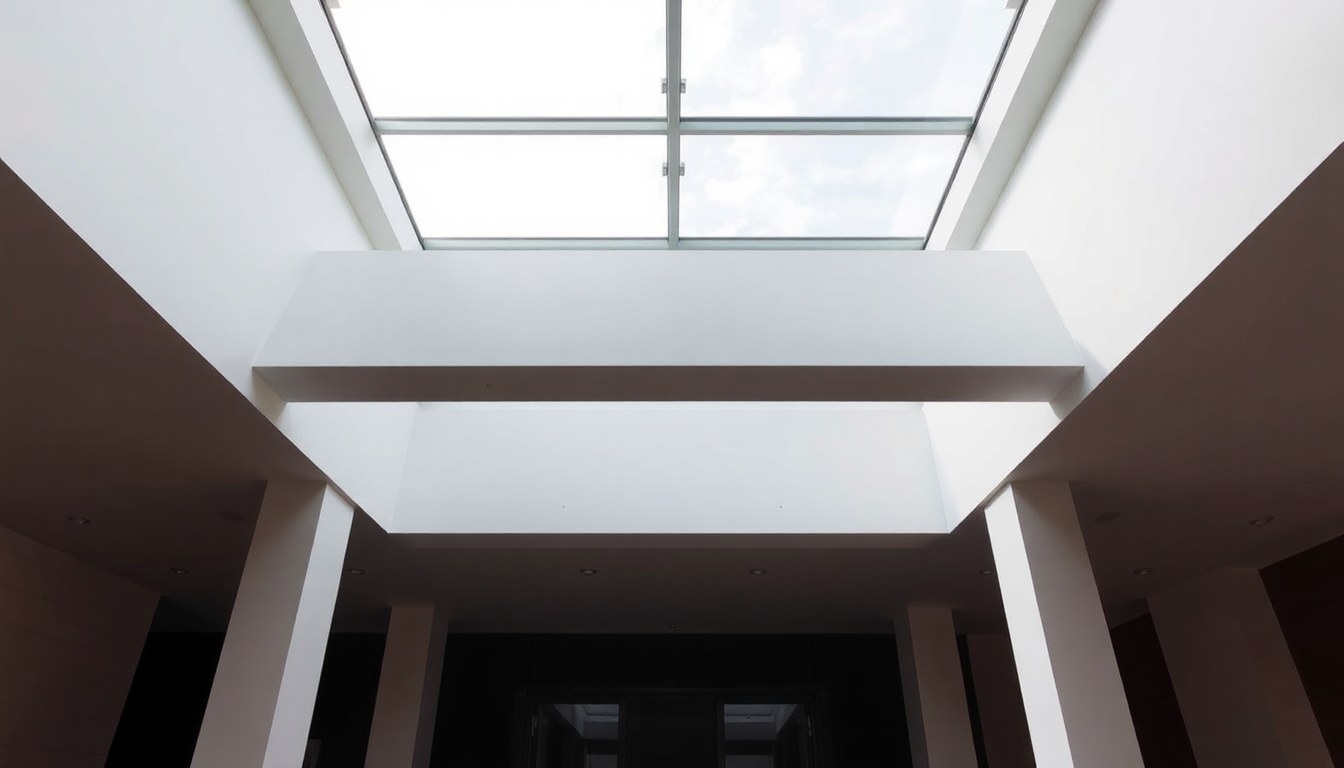
Frameless skylights create stunning visual impact and flood interiors with natural light, but installing them in India's monsoon regions presents unique engineering challenges. Heavy seasonal rainfall, high humidity, and thermal stress demand meticulous waterproofing, proper drainage design, and structural planning to prevent leaks that can damage ceilings, insulation, and interiors. This technical guide walks you through the critical installation considerations that separate successful, long-lasting skylight projects from costly failures.
Understanding Frameless Skylight Design and Monsoon Risks
Frameless skylights eliminate traditional aluminum or PVC frames, relying instead on structural silicone sealants to bond tempered glass directly to the roof opening. This minimalist design maximizes transparency and light transmission, but removes the protective frame that traditionally channels water away. In monsoon climates where rainfall can exceed 200mm in a single day, water penetration risk is dramatically higher if the installation doesn't account for India's intense wet seasons.
The primary challenge is that frameless systems have no redundant drainage pathways. Unlike framed skylights with integrated gutters and weep holes, frameless designs depend almost entirely on sealant integrity and the roof structure's ability to shed water. Any compromise in the sealant—whether from UV degradation, thermal cycling, or improper installation—creates a direct path for water ingress into the building envelope.
Critical Sealant Selection for Indian Monsoon Conditions
The sealant is the single most important component of a frameless skylight installation. In monsoon regions, you cannot compromise on quality. Structural silicone sealants rated for high-movement applications and extreme weather exposure are non-negotiable. Look for sealants that meet Indian Standards IS 1142 (for silicone sealants) and have proven performance in tropical climates.
Recommended Sealant Specifications
- Structural silicone: Must be 100% silicone, not polyurethane or acrylic. Silicone maintains flexibility in temperature swings from 10°C to 50°C+ that occur in Indian summers and monsoons.
- Movement capability: Select sealants rated for ±25% movement minimum. This accommodates thermal expansion of glass and surrounding structure during monsoon temperature drops and summer heat.
- UV and water resistance: Verify the product has passed ASTM C1248 (water immersion testing) and ASTM G154 (UV exposure testing).
- Fungal and mildew resistance: In humid monsoon climates, sealants must include biocides to prevent fungal growth, which compromises waterproofing over time.
- Cure time in humidity: Silicones rated for humid-climate curing are essential. Standard sealants may cure improperly in monsoon conditions; specify products tested for 80%+ relative humidity curing.
Budget ₹800–₹1,500 per cartridge (300ml) for premium structural silicone suitable for monsoon installations. Cheaper alternatives often fail within 3–5 years in tropical climates. Apply sealant in two continuous beads: one at the inner edge of the glass-to-substrate bond, and a second at the outer edge for redundancy.
Waterproofing Strategy: Layered Defense System
Professional frameless skylight installations in monsoon regions employ a layered waterproofing approach, not relying on sealant alone. This defense-in-depth strategy ensures that even if the primary sealant fails, secondary barriers prevent water from reaching the interior.
The Four-Layer Waterproofing System
- Primary sealant layer: Structural silicone bonding glass to the roof opening, applied in continuous beads with proper width (typically 12–15mm) and depth.
- Secondary membrane: A self-adhering waterproofing tape or membrane (such as EPDM or modified bitumen) installed on the roof substrate before the skylight frame is set. This catches water that penetrates the primary sealant and directs it to drainage.
- Flashing and slope: Metal flashing (aluminum or stainless steel, never galvanized in coastal or high-humidity areas) must slope away from the skylight opening at a minimum 1:12 pitch. The flashing should extend at least 150mm beyond the glass perimeter on all sides.
- Interior gasket or stop: An interior silicone gasket or compression stop creates a capillary break, preventing water from wicking into the building interior even if it penetrates to the interior edge of the glass.
This layered approach is standard in European and Australian installations for wet climates and is equally necessary for Indian monsoon regions. Skipping any layer increases risk of failure exponentially.
Drainage Design and Roof Structure Considerations
Water management around frameless skylights requires careful attention to the roof's slope and drainage infrastructure. A flat or near-flat roof dramatically increases waterproofing complexity and cost. Ideally, the roof should slope at least 1:12 (approximately 5°) to naturally shed water away from the skylight perimeter.
Drainage Specifications
If the roof is flat or slopes toward the skylight, you must install an external gutter or drainage pan around the skylight opening. This gutter should have a minimum 1:8 slope and must connect to the building's primary drainage system or external downpipes. In monsoon areas with heavy rainfall (150–300mm per day is common), calculate gutter capacity using Indian Standard IS 875-5 (Code of Practice for Design, Fabrication and Erection of Structural Steel in Buildings – Loads).
For a typical 1.2m × 1.2m skylight on a flat roof receiving 200mm of rainfall in one hour, the drainage system must handle approximately 240 liters of water. Undersized gutters cause water to back up and find paths into the building. Specify gutters with cross-sectional area sufficient for peak rainfall rates in your region—consult local meteorological data or the India Meteorological Department for historical monsoon rainfall intensity.
Structural Load and Condensation Drainage
Frameless skylights transmit all structural loads directly to the roof opening edges. Ensure the roof structure can support not just the glass weight (typically 40–60 kg/m² for 10mm tempered glass) but also dynamic loads from wind, thermal stress, and standing water. Have a structural engineer verify that the roof opening reinforcement is adequate.
Additionally, frameless skylights with minimal frame mass can experience significant interior condensation during monsoon season when warm, humid interior air meets cool glass. Install interior drainage channels or a condensation gutter along the bottom interior edge of the glass, sloped to direct condensation away from the interior space. This prevents water from running down interior walls and damaging ceilings or furnishings.
Installation Best Practices for Indian Monsoon Regions
Proper installation technique is as critical as material selection. Frameless skylight installation should only be performed by technicians trained in structural glazing methods and familiar with monsoon climate challenges.
Pre-Installation Preparation
- Schedule installation during the dry season (November to May). Avoid monsoon months (June to September) when high humidity impairs sealant curing and rain can compromise the installation.
- Inspect the roof opening for cracks, unevenness, or corrosion. The substrate must be clean, dry, and sound. Repair any structural damage before proceeding.
- Prime the roof substrate with a silicone primer recommended by your sealant manufacturer. This improves adhesion and reduces the risk of sealant failure.
- Verify that all flashing materials are installed and sealed before the glass is positioned.
Sealant Application and Curing
Apply structural silicone in continuous, uninterrupted beads. Avoid breaks or gaps that create water infiltration pathways. Use a caulking gun with proper pressure control to achieve consistent bead width. The sealant should be tooled smooth (slightly concave) with a wet tool or gloved finger to maximize contact with both glass and substrate surfaces.
After application, maintain the installation site at 15–30°C and 50–80% relative humidity during the sealant's curing period (typically 7–14 days for full strength, depending on product and climate). In monsoon regions, this means completing the installation well before the onset of heavy rains. Many sealant failures in India occur because installers don't allow adequate cure time before the monsoon arrives.
Post-Installation Testing
Conduct a water test 7–10 days after installation, once sealant has cured. Spray water at high pressure (using a garden hose or pressure washer at low setting) over the skylight perimeter for 10–15 minutes while an observer monitors the interior for any water ingress. Document the test with photos and notes. If any leakage occurs, the sealant must be removed, the substrate cleaned, and the installation repeated with corrective measures identified.
Thermal Stress and Long-Term Performance
Frameless skylights experience significant thermal stress in Indian climates. Summer temperatures can exceed 50°C on glass surfaces while interior air remains at 20–25°C in air-conditioned spaces. This 25–30°C differential creates substantial tensile stress at the sealant-to-glass and sealant-to-substrate interfaces. Over multiple thermal cycles, this stress can cause sealant to fail prematurely if the wrong product is selected.
To mitigate thermal stress, specify sealants with high elongation at break (minimum 400%) and low modulus (high flexibility). Avoid sealants marketed as "rigid" or "non-sag"—these are too stiff for frameless applications in variable climates. Additionally, consider installing low-emissivity (low-E) glass, which reduces solar heat gain and minimizes the temperature differential, thereby reducing thermal stress on the sealant.
Inspect frameless skylights annually, particularly before the monsoon season. Look for sealant cracking, shrinkage, or discoloration. Re-seal any compromised areas with fresh silicone, removing the old sealant completely before reapplication. Preventive maintenance extends the life of the installation from 10–15 years to 20+ years.
Common Installation Mistakes and How to Avoid Them
Many frameless skylight failures in India result from avoidable mistakes. Being aware of these pitfalls helps you work with installers who understand monsoon-specific requirements.
- Undersized sealant beads: Sealant beads narrower than 10mm or shallower than 8mm fail prematurely. Specify minimum 12mm width and 10mm depth.
- Installation during monsoon: Never install frameless skylights during active monsoon season. The sealant cannot cure properly, and rain can compromise the installation before it's complete.
- Omitting secondary membranes: Relying on sealant alone is risky. Always install a secondary waterproofing membrane beneath the glass-to-substrate interface.
- Poor substrate preparation: Dirty, wet, or unprimed substrates cause sealant adhesion failure. Invest time in proper surface preparation.
- Inadequate flashing slope: Flashing that doesn't slope away from the skylight allows water to pool and find entry points. Minimum 1:12 slope is non-negotiable.
- Ignoring condensation: Interior condensation is not a waterproofing failure, but it can damage interiors if not drained. Install interior drainage gutters for all frameless skylights in humid climates.
Frequently Asked Questions
What is the typical cost of a frameless skylight installation in India's monsoon regions?
A professional frameless skylight installation for a 1.2m × 1.2m opening typically costs ₹60,000–₹1,50,000 in India, depending on glass quality, sealant specifications, flashing materials, and regional labor rates. Monsoon-region installations cost more because they require premium sealants, secondary membranes, and more rigorous testing. Budget for annual maintenance of ₹3,000–₹5,000 to inspect and re-seal as needed.
How long do frameless skylights last in monsoon climates?
With proper installation and maintenance, frameless skylights last 15–20 years in monsoon regions. The sealant is the limiting factor; high-quality structural silicone rated for tropical climates typically requires re-sealing or touch-ups every 7–10 years. Inferior sealants may fail within 3–5 years. Regular inspection and preventive maintenance significantly extend lifespan.
Can frameless skylights be installed on flat roofs in monsoon areas?
Yes, but flat-roof installations require more extensive waterproofing infrastructure, including external drainage gutters, sloped flashing, and secondary membranes. Flat roofs increase waterproofing complexity and cost compared to sloped roofs. If possible, choose a location with roof slope of at least 1:12 to simplify drainage and reduce long-term maintenance.
What sealant should I specify for a frameless skylight in India?
Specify 100% structural silicone sealants with ±25% movement capability, UV and water resistance, fungal resistance, and proven performance in humid tropical climates. Look for products meeting Indian Standard IS 1142 and tested per ASTM C1248 and ASTM G154. Premium brands like Dow Corning, Sika, and 3M offer monsoon-suitable products. Avoid polyurethane or acrylic sealants, which don't perform well in high-humidity, high-temperature environments.
How can I prevent interior condensation on frameless skylights during monsoon season?
Install an interior condensation gutter or drainage channel along the bottom interior edge of the glass, sloped to direct condensation away from the interior space. Additionally, ensure adequate interior ventilation to reduce humidity levels. Low-emissivity (low-E) glass reduces temperature differentials between glass and interior air, minimizing condensation formation. Dehumidifiers or mechanical ventilation systems can further reduce condensation risk in high-humidity spaces.
Conclusion: Partner with Experts for Monsoon-Ready Skylights
Frameless skylights bring unmatched aesthetic appeal and natural light to Indian homes and commercial spaces, but their success in monsoon climates depends on meticulous engineering, premium materials, and expert installation. By understanding the unique challenges of monsoon waterproofing—layered defense systems, proper sealant selection, drainage design, and thermal stress management—you can ensure your skylight investment remains leak-free and beautiful for decades.
Whether you're planning a residential skylight installation or specifying skylights for a commercial project, connect with experienced glass professionals who understand monsoon-region requirements. Explore the glassy.in directory to find qualified skylight installers, structural glazing specialists, and glass suppliers in your region who can deliver installations engineered for India's demanding wet climate.