
Glass Guides
Low-E Coated Glass for Skylights: Thermal Performance Guide for Indian Homes
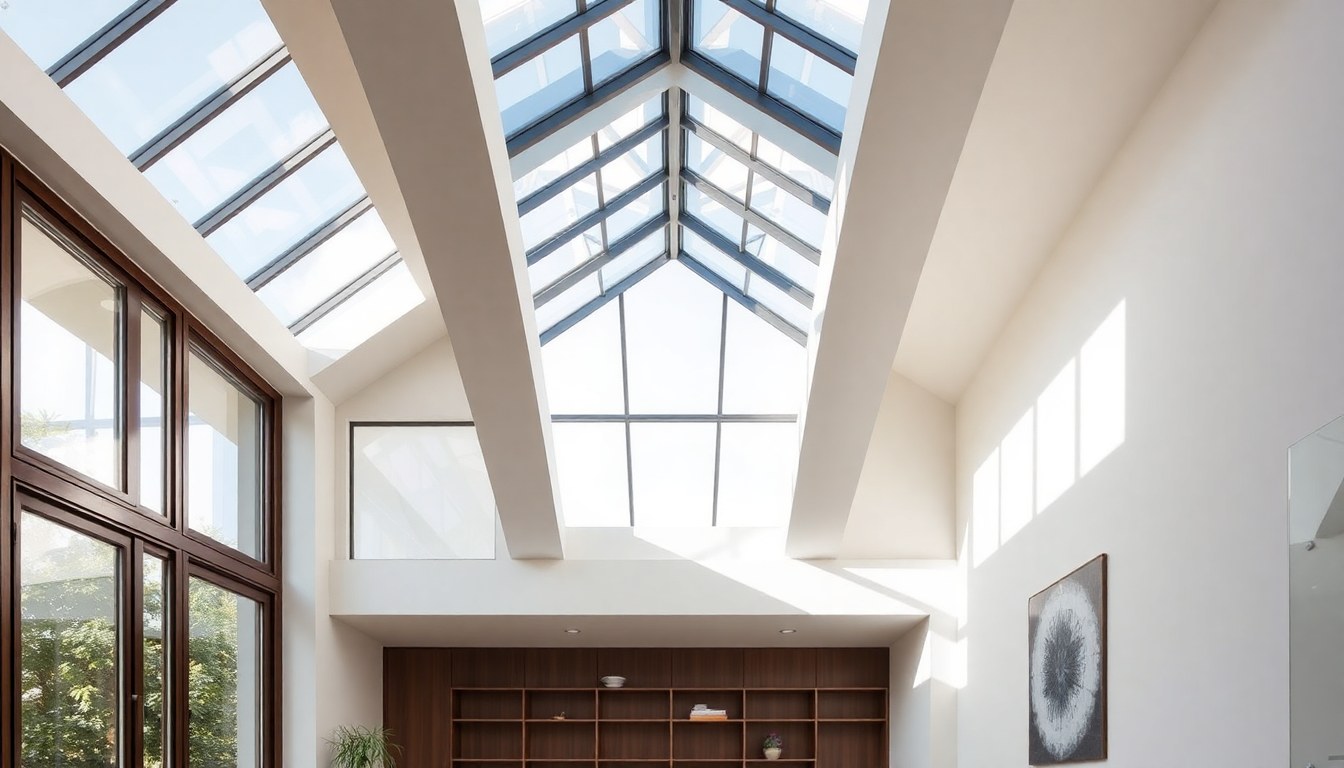
Skylights flood homes with natural daylight, but in India's tropical climate, they often become unwanted heat sources that drive up air-conditioning costs. Low-emissivity (low-E) coated glass offers a practical solution by reflecting infrared heat while allowing visible light to pass through, keeping interiors bright and cooler simultaneously. This guide explains how low-E technology works, its thermal benefits, and how to choose the right skylight glass for your Indian home.
Understanding Low-Emissivity (Low-E) Coatings
Low-emissivity coatings are microscopically thin, transparent layers applied to glass surfaces to control heat transfer. These coatings are typically made from metallic oxides such as silver, tin oxide, or titanium oxide, applied in multiple layers to achieve specific thermal properties. The coating works by reflecting long-wave infrared radiation (heat) while allowing short-wave solar radiation and visible light to enter the space.
In India's context, low-E glass is particularly valuable because it addresses two competing needs: maximizing daylight for energy savings and minimizing solar heat gain that increases cooling loads. The coating is so thin—often just a few micrometers—that it's invisible to the naked eye, preserving the clarity and aesthetics of your skylight while delivering measurable thermal performance improvements.
Types of Low-E Coatings
- Hard-coat (pyrolytic) low-E: Applied during glass manufacturing at high temperatures. More durable and suitable for single-glazed applications, though less thermally efficient than soft-coat options.
- Soft-coat (sputtered) low-E: Applied in a vacuum chamber after glass production. Offers superior thermal performance but requires protective positioning in insulated glass units (typically on the inner surface of double-glazed systems).
Thermal Performance Benefits for Indian Climates
India's diverse climate zones—from the humid tropics of Kerala to the arid deserts of Rajasthan—all benefit from low-E skylight glass, though the specific advantages vary. In hot-humid regions, low-E glass reduces the solar heat gain coefficient (SHGC), meaning less infrared heat enters your home, lowering cooling demand. Studies indicate that low-E coatings can reduce solar heat transmission by 50–70% compared to standard clear glass, translating to measurable reductions in air-conditioning runtime and electricity consumption.
For a typical Indian household with skylights in living areas or kitchens, switching to low-E glass can reduce peak cooling loads by 10–15%, depending on skylight area, orientation, and shading strategies. In cities like Delhi, Mumbai, and Bangalore, where summer temperatures regularly exceed 35°C, this efficiency gain reduces strain on cooling systems and extends their operational lifespan. Low-E glass also improves thermal comfort by reducing radiant heat—the direct warming effect felt from sunlight—making spaces feel more pleasant without constant thermostat adjustment.
U-Value and SHGC: Key Metrics Explained
U-Value measures heat transfer through the glass assembly. Lower U-values indicate better insulation. Standard single-pane clear glass has a U-value around 5.8 W/m²K, while low-E coated double-glazed units can achieve U-values of 1.5–2.5 W/m²K, depending on the gap and fill gas between panes.
Solar Heat Gain Coefficient (SHGC) indicates the fraction of solar radiation admitted through the glass. Clear glass has an SHGC of approximately 0.86, while low-E coatings reduce this to 0.30–0.50, meaning significantly less heat enters your space. For Indian skylights, an SHGC between 0.30 and 0.40 is often ideal, balancing daylight admission with heat rejection.
Skylight Orientation and Placement Strategy
The direction your skylight faces dramatically affects heat gain. North-facing skylights in the Northern Hemisphere (and south-facing in the Southern Hemisphere) receive minimal direct sun and benefit less from low-E coatings, though the coating still provides winter insulation value. East and west-facing skylights, however, receive intense morning and afternoon sun respectively and are prime candidates for low-E treatment. South-facing skylights (in the Northern Hemisphere) receive the most consistent solar exposure and demand the highest thermal performance.
In India, where the sun's intensity is high year-round, south-facing and west-facing skylights should almost always feature low-E coatings. Architects and interior designers—such as those at 78 Design Studio or Matz Design—often recommend combining low-E skylights with external shading devices like louvers or motorized blinds for maximum control over seasonal heat gain and daylight.
Installation and Glazing System Considerations
Low-E coatings deliver optimal performance when installed in insulated glass units (IGUs)—double or triple-glazed assemblies with an air or inert gas gap. A typical configuration for Indian homes is a double-glazed unit with low-E coating on the outer pane (facing outdoors) and clear glass on the inner pane. The air gap, ideally 12–16 mm, acts as an insulator and protects the low-E coating from environmental damage.
For skylights in regions with significant temperature fluctuations or high humidity (such as coastal areas), triple-glazed units with argon or krypton gas fill provide superior performance, though at higher cost. The frame material also matters: aluminum frames conduct heat readily, so thermally broken frames—with insulating material between inner and outer aluminum sections—are recommended for Indian climates. When working with experienced professionals like Satya Interiors, you ensure proper installation that maximizes the coating's effectiveness.
Maintenance and Durability
Low-E coatings are durable but require care. Hard-coat low-E is more resistant to scratching and weathering, making it suitable for exposed positions. Soft-coat low-E, when properly protected inside a sealed IGU, lasts 20–30 years or more. Regular cleaning with soft, non-abrasive cloths and mild detergent preserves clarity and performance. Avoid harsh chemicals or abrasive pads that can damage the coating.
Cost-Benefit Analysis for Indian Homeowners
Low-E coated skylights cost 20–40% more than standard clear glass skylights, depending on size, glazing system, and local availability. A typical low-E double-glazed skylight measuring 1.2 m × 1.2 m might cost ₹25,000–₹45,000 installed, compared to ₹15,000–₹25,000 for standard glass. However, the energy savings justify the investment in most Indian climates.
In hot-humid regions like Mumbai or Chennai, payback periods typically range from 5–8 years through reduced air-conditioning costs. In moderate climates like Bangalore or Pune, payback extends to 8–12 years. Beyond payback, low-E skylights increase home comfort, reduce peak electricity demand charges (important in areas with time-of-use pricing), and enhance resale value. Many homeowners also qualify for rebates or incentives under energy efficiency programs, further improving economics.
Comparing Low-E Glass with Alternative Solutions
Low-E glass isn't the only way to manage skylight heat gain. External shading devices like retractable awnings, roller blinds, or fixed louvers can block 70–90% of solar radiation but reduce daylight penetration and require active management. Internal blinds offer convenience but trap heat between the blind and glass, reducing overall effectiveness.
Tinted or reflective films applied to existing skylights provide a low-cost alternative (₹5,000–₹15,000 per skylight) but darken interiors and may reduce visible light transmission by 30–50%. Electrochromic (smart) glass can dynamically adjust tint based on sunlight but costs significantly more (₹60,000–₹100,000+) and requires electrical infrastructure.
For most Indian homes, low-E glass offers the best balance of thermal performance, daylight retention, durability, and cost. Combining it with selective external shading for peak summer months creates an optimal solution. Consult with architects like Site Practice or Groove Designs to design a skylight strategy tailored to your home's specific orientation and climate zone.
Regional Recommendations Across India
Hot-Humid Zones (Kerala, Goa, Coastal Areas): Low-E double-glazed skylights with SHGC 0.30–0.35 are essential. Combine with operable external shading to manage monsoon-season humidity and intermittent intense sun. Triple-glazing with argon fill provides additional insulation against thermal cycling.
Hot-Dry Zones (Rajasthan, Gujarat, parts of Maharashtra): Low-E glass with SHGC 0.25–0.35 minimizes heat gain. Fixed external louvers or overhangs aligned with seasonal sun angles reduce cooling loads without requiring active operation. Ensure proper ventilation to prevent heat buildup in attic spaces above skylights.
Moderate Zones (Bangalore, Pune, Hyderabad): Low-E glass with SHGC 0.35–0.45 balances year-round comfort. Seasonal shading (summer blinds, winter sun access) optimizes both cooling and heating benefits. Standard double-glazed units suffice in most cases.
Cold Zones (Himachal Pradesh, Uttarakhand, Kashmir): While heat gain is less critical, low-E coatings still provide winter insulation benefits. Triple-glazed units with low-E and high-performance frames minimize heat loss. Consider skylights on south-facing slopes to maximize solar heat gain during winter.
Frequently Asked Questions
Does low-E glass reduce natural light entering my home?
No, not significantly. Low-E coatings are designed to transmit visible light (wavelengths 380–780 nanometers) while reflecting infrared heat. Visible light transmission typically remains 70–80% with low-E coatings, compared to 88–90% with clear glass. The difference is imperceptible to most homeowners, and the trade-off for reduced heat gain is worthwhile in Indian climates.
Can I retrofit low-E coating to my existing skylights?
Retrofitting is not practical. Low-E coatings must be applied during glass manufacturing (hard-coat) or in a vacuum chamber (soft-coat). You cannot apply them to installed glass. However, you can replace existing skylights with low-E units, or apply temporary low-E films as a temporary measure, though films are less effective and may reduce clarity.
What's the difference between low-E and tinted glass for skylights?
Tinted glass reduces both visible light and heat transmission equally, darkening interiors while blocking heat. Low-E glass selectively blocks infrared heat while preserving visible light, maintaining brightness and natural color rendering. Low-E is superior for skylights where daylighting is a priority.
How long do low-E coatings last?
When properly installed in sealed double or triple-glazed units, low-E coatings last 20–30 years or longer. Hard-coat low-E is more durable in exposed conditions. Soft-coat low-E, protected inside an IGU, is essentially permanent. Durability depends on manufacturing quality and installation integrity.
Are there any government incentives for installing low-E skylights in India?
Several states offer energy efficiency rebates under programs like the Super-Efficient Equipment Program (SEEP) and building energy codes. Check with your state's energy department or municipal building authority for current incentives. Some energy service companies also offer financing options that account for long-term energy savings.
Next Steps: Find Your Low-E Skylight Solution
Low-E coated glass transforms skylights from thermal liabilities into efficient daylighting solutions for Indian homes. Whether you're building new or upgrading existing skylights, choosing the right low-E coating and glazing system based on your climate zone, orientation, and budget ensures years of comfort and energy savings. Explore glassy.in's directory of glass specialists, architects, and interior designers to connect with qualified professionals in your region who can specify and install low-E skylights tailored to your home's needs.