
Glass Guides
Skylights & Glass Roof Panels: Natural Light Without Overheating
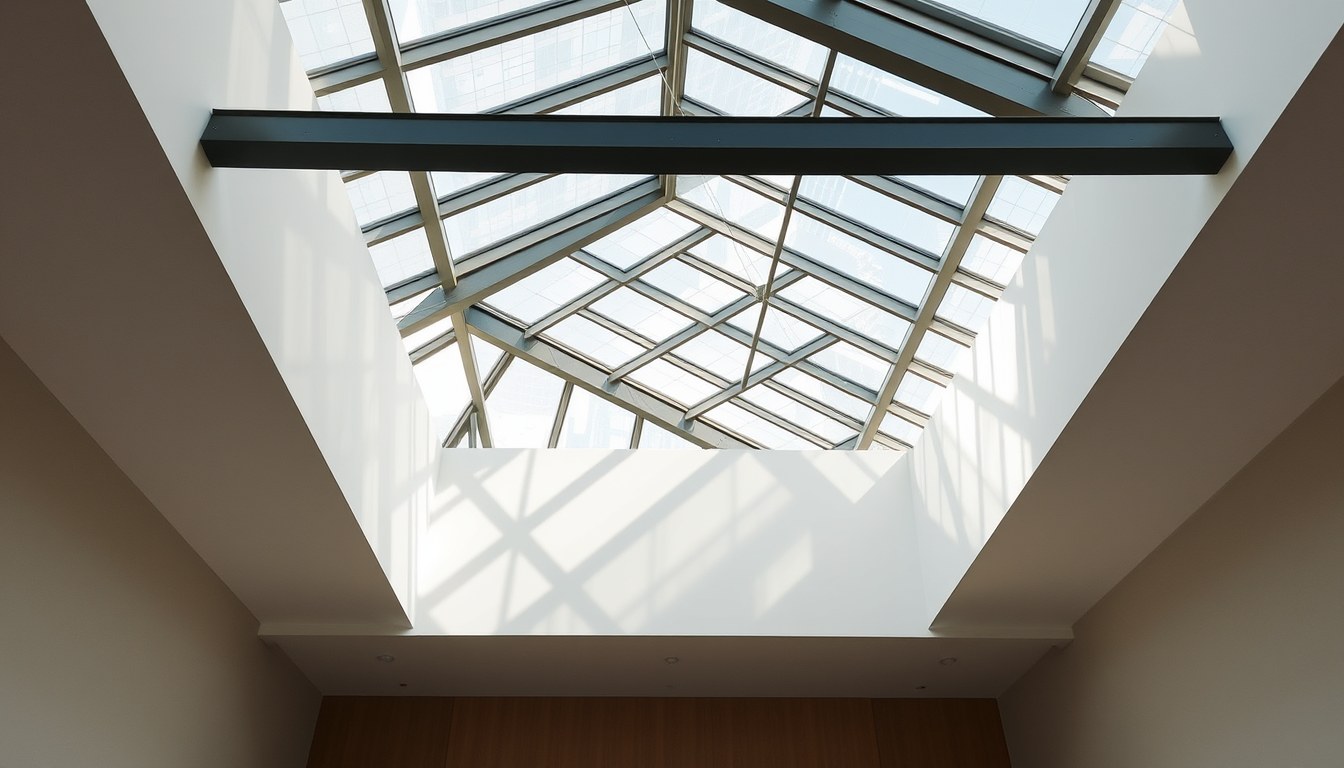
Skylights and glass roof panels flood your interiors with natural daylight, reducing electricity costs and creating bright, welcoming spaces. However, choosing the wrong type of glass or installing without proper planning can lead to excessive heat gain in summer, condensation in monsoon, and even structural damage. This guide walks you through selecting the right skylight system, preventing common problems, and ensuring your installation lasts decades.
Understanding Skylight Glass Types: IGU vs Single Pane
The glass you choose determines how well your skylight performs. Single-pane glass is the cheapest option but offers no thermal insulation. It conducts heat and cold directly into your home, making it unsuitable for India's hot climate or areas with significant temperature swings. In summer, a single-pane skylight can raise indoor temperatures by 5–8°C, forcing air conditioners to work harder and driving up energy bills.
Insulated Glass Units (IGU), also called double-glazed or hermetically sealed glass, consist of two or three glass panes separated by air or inert gas (typically argon or krypton). The gap between panes acts as an insulating barrier, reducing heat transfer by up to 40% compared to single pane. IGUs are the industry standard for skylights in India because they balance natural light with thermal efficiency.
Why IGU Outperforms Single Pane
- Thermal insulation: Argon-filled cavities slow heat and cold transfer, keeping interiors comfortable.
- Condensation resistance: The inner pane stays warmer, reducing moisture buildup on glass surfaces.
- Sound dampening: The sealed air gap absorbs external noise, useful in urban areas.
- Durability: Hermetic seals prevent dust and moisture from entering the cavity over time.
In India, expect to pay ₹800–₹1,500 per square foot for quality IGU skylights, compared to ₹300–₹600 for single pane. The higher upfront cost is recovered through lower cooling bills within 3–5 years in most climates.
Condensation Prevention: The Monsoon Challenge
Condensation is one of the most common complaints with skylights, especially during India's monsoon season. When warm, humid indoor air meets a cold glass surface, moisture condenses into droplets. This is purely a physics problem—not a defect—but it can damage wood frames, reduce visibility, and create mold if left unchecked.
Condensation occurs when the glass surface temperature drops below the dew point of indoor air. In monsoon, outdoor humidity can reach 80–90%, and if your home is air-conditioned, the temperature difference between inside and outside becomes sharp. The skylight glass, being the coldest surface in the room, becomes a magnet for moisture.
Proven Condensation Control Strategies
- Install IGU glass: The inner pane of an IGU stays warmer than single pane, reducing condensation risk by 60–70%.
- Use low-emissivity (Low-E) coating: This microscopically thin metallic layer reflects infrared heat back into the room, keeping the glass warmer. Low-E glass costs 15–20% more but is worth the investment in monsoon-prone regions.
- Improve ventilation: Use exhaust fans or open windows for 15–20 minutes daily to lower indoor humidity. Bathrooms and kitchens should have dedicated ventilation.
- Install thermal breaks in frames: Metal frames conduct cold; insulating thermal breaks (polyamide or vinyl) reduce this effect.
- Avoid drastic temperature differences: Set air conditioners to 24–25°C rather than 18–20°C during monsoon.
- Apply anti-condensation coating: Hydrophobic coatings (₹100–₹300 per square foot) make water bead and roll off rather than forming droplets.
If condensation does appear, wipe it off promptly and improve ventilation. Persistent condensation signals that your glass type or ventilation strategy needs adjustment.
Heat Management: Keeping Skylights Cool in Summer
India's summer sun is relentless. An unshaded skylight can transmit 800–1000 watts per square meter of solar heat into your home, equivalent to running a small heater. This is why skylights are often blamed for making homes uncomfortably hot, even when the glass itself is not at fault.
Heat management requires a three-layer approach: glass selection, shading, and ventilation. Start with the right glass. Tinted or reflective glass (such as bronze, gray, or green-tinted IGU) absorbs or reflects 40–50% of solar radiation, compared to just 10% for clear glass. Solar control Low-E coatings are even more effective, rejecting up to 70% of solar heat while allowing visible light through.
Effective Shading Solutions
- External shading: Fixed louvers, pergolas, or external roller blinds (installed outside the glass) block heat before it enters. They reduce solar gain by 60–80% and are the most effective option.
- Internal shading: Roller blinds, cellular shades, or reflective films reduce heat by 30–50%. They're easier to retrofit but less efficient than external shading.
- Automated blinds: Motorized systems that open in winter and close in summer optimize comfort and energy use. Expect to pay ₹5,000–₹15,000 per skylight for automation.
- Ventilation skylights: Operable skylights with motors allow hot air to escape. In summer evenings, opening them for 30–60 minutes can cool your home naturally.
For maximum efficiency, combine tinted IGU glass with external shading. This dual approach can reduce cooling costs by 20–35% compared to clear, unshaded skylights.
Structural Load Calculations and Installation
Skylights add weight to your roof structure. A single IGU panel (1 square meter) weighs 20–30 kg, and larger installations can add hundreds of kilograms. If your roof frame is not designed to bear this load, it can sag, crack, or fail—particularly during monsoon when water accumulation adds extra weight.
Before installation, have a structural engineer assess your roof. They will check the load-bearing capacity of beams, trusses, and the foundation. In India, this typically costs ₹5,000–₹15,000 but is non-negotiable for safety. Architects like Scale Architects and AB Initio Architects & Planners have experience with skylight load assessments and can guide your project.
Installation Best Practices
- Use reinforced frames: Aluminum or steel frames with thermal breaks distribute load evenly. Avoid thin plastic frames for large skylights.
- Seal all edges: Silicone sealant (not just caulk) creates a waterproof barrier. Reapply every 5–7 years in monsoon regions.
- Install flashing: Metal flashing around the skylight perimeter channels water away from the frame and into gutters. This is critical in India's heavy rains.
- Slope the roof slightly: A 5–10° slope ensures water drains and doesn't pool on the glass.
- Allow for thermal expansion: Glass expands and contracts with temperature. Leave 3–5 mm gaps between the glass edge and frame to prevent stress cracks.
Hire a licensed glazier or contractor experienced with skylights. Poor installation is the leading cause of leaks and condensation, not the glass itself. Firms like Vastulinear Pvt Ltd and Studio ARCPLUS CONSTRUCTION offer comprehensive installation and design services.
Maintenance and Long-Term Care
Skylights require minimal maintenance, but neglect can shorten their lifespan. Clean the glass quarterly to remove dust, bird droppings, and algae. Use a soft cloth and mild soap; avoid abrasive cleaners that scratch Low-E coatings. In monsoon, inspect the frame and flashing monthly for cracks or gaps.
Check the sealant around the skylight frame every two years. If it's cracked or peeling, have it resealed promptly. Silicone sealant typically lasts 7–10 years in India's climate; polyurethane sealant lasts 10–15 years. Replacing sealant costs ₹2,000–₹5,000 per skylight and prevents expensive water damage.
If you notice persistent condensation, fogging inside IGU glass (indicating seal failure), or visible cracks, contact your installer or glazier. Seal failures in IGU glass are usually covered under warranty (typically 5–10 years) and should be replaced, not repaired.
Frequently Asked Questions
What is the ideal size for a skylight?
Skylights should cover 5–15% of the room's floor area. A 10 square meter room benefits from a 0.5–1.5 square meter skylight. Larger skylights provide more light but increase heat gain and structural load. Consult an architect or engineer to find the right balance for your space and climate.
Can I install a skylight in an old house?
Yes, but older homes often have weaker roof structures. Have a structural engineer inspect your roof before installation. You may need to reinforce beams or trusses, adding ₹10,000–₹30,000 to the project cost. It's worth the investment to avoid future damage.
Do skylights leak in monsoon?
Properly installed skylights with good flashing and sealant rarely leak. Leaks are almost always due to poor installation, missing flashing, or deteriorated sealant. Use a licensed installer and inspect the frame annually during monsoon season.
Is tinted glass worth the extra cost?
Yes, if you live in a hot climate or south-facing room. Tinted or reflective IGU glass costs ₹1,000–₹1,800 per square foot (vs. ₹800–₹1,500 for clear IGU) but reduces cooling costs by 15–25% over time. Combined with external shading, it's the most cost-effective way to manage heat.
How long do skylights last?
Quality IGU skylights last 20–30 years with proper maintenance. Seals may fail after 10–15 years, requiring replacement of the glass unit (₹5,000–₹20,000 depending on size). Single-pane skylights last 15–20 years. Frame material (aluminum vs. vinyl) also affects lifespan; aluminum frames are more durable in India's monsoon climate.
Conclusion: Bringing Light Home Safely
Skylights and glass roof panels are excellent ways to brighten your home and reduce electricity costs, but they demand careful planning. Choose IGU glass with Low-E coating, plan for condensation and heat management from the start, and ensure your roof structure can handle the load. Work with experienced architects and glaziers who understand India's climate—monsoon rains, intense summer sun, and humidity all affect performance.
Find vetted glass suppliers, architects, and installation experts on glassy.in, India's largest glass-business directory. Browse local professionals in your city, compare services, and connect with specialists who can design and install skylights tailored to your home and climate.