
Glass Guides
Skylight Installation Troubleshooting: Fixing Leaks, Condensation & Seal Failures
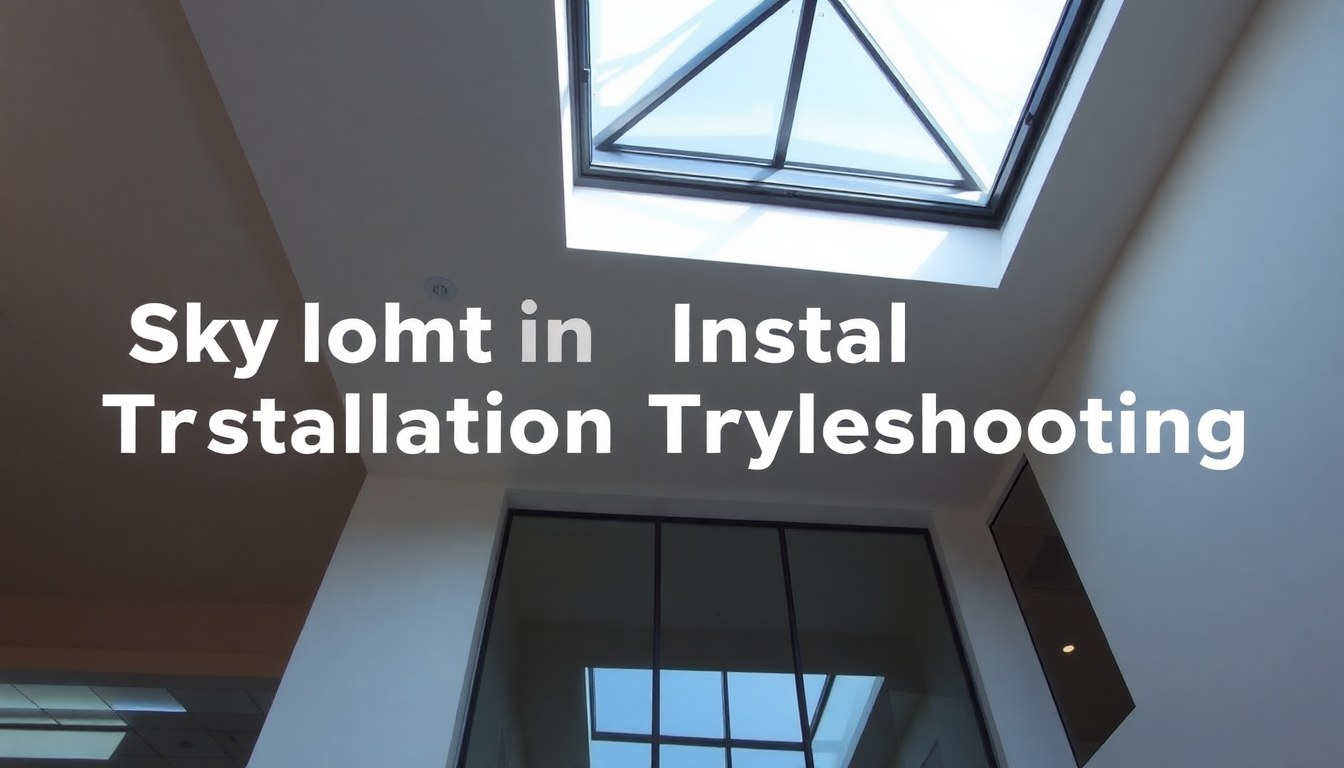
Skylights transform indoor spaces with natural light and ventilation, but they're also vulnerable to water infiltration, condensation buildup, and frame deterioration when not properly maintained. Whether you're dealing with active drips during monsoon season or persistent fogging that blocks your view, understanding the root cause is the first step toward a lasting repair. This guide walks you through diagnosing and fixing the most common skylight issues so you can restore both function and clarity to your overhead glass.
Understanding Common Skylight Problems
Skylights fail for predictable reasons: poor installation, aging sealants, thermal stress, and inadequate flashing around the frame. The Indian climate—with intense monsoons, temperature swings, and high humidity in coastal regions—accelerates wear on seals and promotes condensation. Most homeowners don't notice problems until water stains appear on ceilings or interior walls, which means damage may already be extensive.
The three main categories of skylight failure are:
- Water leaks – caused by failed flashing, cracked glass, or deteriorated sealant
- Condensation and fogging – trapped moisture between panes or on interior surfaces
- Seal and frame failure – structural degradation of the frame, gaskets, and perimeter seals
Early detection saves money. A small leak that goes unnoticed for weeks can rot wooden roof beams and invite mold growth, turning a ₹5,000–₹10,000 repair into a ₹50,000+ restoration project.
Diagnosing Water Leaks in Skylights
Locating the Leak Source
Water doesn't always drip directly below the skylight. Gravity and roof slope can channel water along beams or joists, making the actual leak point hard to spot. During or immediately after heavy rain, climb into your attic with a flashlight and inspect the underside of the skylight frame, flashing, and surrounding roof area. Look for water trails, discoloration, mold, or wet insulation.
Mark the leak location with a marker or tape so you can assess it from outside. If the leak is slow and intermittent, wait for the next rainfall to confirm the exact spot. Document the leak with photos—this helps when contacting repair professionals or filing insurance claims.
Checking Flashing and Sealant
Flashing—the metal or rubber seal around the skylight base—is the most common failure point. Over time, flashing can rust, crack, or separate from the roof surface. From outside, inspect whether the flashing sits flush against the roof and whether caulk or sealant is missing, cracked, or peeling away.
In India's humid climate, silicone sealant typically lasts 5–7 years before it hardens, shrinks, and loses adhesion. Polyurethane or polysulfide sealants offer slightly longer life (7–10 years) but cost more. If sealant is visibly damaged, it's usually the culprit.
Fixing Leaks: Repair and Prevention
Temporary Leak Stops
If heavy rain is forecast and you have an active leak, apply temporary waterproof tape or roofing cement to the affected area from inside (if accessible) or outside. Waterproof tape adheres to damp surfaces and can buy you time until a permanent repair is scheduled. This is a short-term measure—permanent fixes require proper flashing and sealant replacement.
Permanent Repair Options
Permanent repairs depend on the leak source:
- Reseal flashing: Clean the flashing area thoroughly, remove old sealant with a caulk removal tool, and apply fresh silicone or polyurethane sealant. Ensure the sealant bridges the gap between flashing and roof surface. Cost: ₹2,000–₹5,000 for a standard residential skylight.
- Replace flashing: If flashing is rusted or severely damaged, it must be replaced. This requires removing the skylight, stripping old flashing, and installing new aluminum or rubber flashing with proper underlayment. Cost: ₹8,000–₹20,000 depending on skylight size and roof complexity.
- Repair or replace glazing: Hairline cracks in glass can be sealed with clear epoxy resin as a temporary fix. Larger cracks or shattered panes require glass replacement. Tempered or laminated glass costs ₹5,000–₹25,000 per pane, depending on size and specification.
- Install a skylight pan or curb: A waterproof pan installed beneath the skylight frame catches water that bypasses the primary seal and directs it safely to gutters. Cost: ₹10,000–₹30,000 for custom installation.
For major leaks or structural damage, hire a qualified roofer or skylight specialist. Poor repair work can worsen the problem and void warranties.
Addressing Condensation and Fogging Issues
Why Skylights Fog Up
Condensation occurs when warm, humid indoor air meets a cold glass surface. In India's monsoon season or in air-conditioned homes with high humidity, this is especially common. Double-glazed skylights fog when the seal between panes fails, allowing moisture to enter the gap. This trapped moisture condenses on the inner glass, creating persistent fogging that no amount of wiping can clear.
Single-pane skylights also fog, but the moisture typically clears as indoor temperature rises or ventilation improves. Double-pane fogging, however, signals a broken seal and requires professional intervention.
Reducing Condensation Through Ventilation
Before investing in repairs, try improving air circulation:
- Install or open roof vents to reduce attic humidity
- Use exhaust fans in kitchens and bathrooms to expel moisture
- Open windows on dry days to cross-ventilate the room
- Use a dehumidifier in high-moisture rooms (₹3,000–₹8,000 for a decent unit)
- Ensure gutters and downspouts drain water away from the roof
These steps often reduce fogging by 50–70% without requiring skylight replacement.
Permanent Fixes for Fogging
If condensation persists despite better ventilation, the seal between glass panes is likely broken. Your options:
- Reseal the skylight: A technician can drill small holes in the outer pane, inject desiccant to absorb trapped moisture, and seal the holes. This is a temporary fix (3–5 years) but costs only ₹3,000–₹7,000.
- Replace the glass unit: Swap out the fogged double-glazed unit with a new one. Cost: ₹8,000–₹20,000 depending on size and glass type (tempered, laminated, or low-emissivity).
- Upgrade to low-emissivity (Low-E) glass: Modern Low-E coatings reduce heat transfer and minimize condensation. They're more expensive (₹12,000–₹30,000) but improve energy efficiency and reduce fogging risk by 80%.
Repairing Frame and Seal Deterioration
Signs of Frame Failure
Wooden skylight frames absorb moisture and rot over time, especially in humid climates. Aluminum frames can corrode or develop gaps as fasteners loosen. Look for:
- Soft or spongy wood around the frame edges
- Visible mold or mildew on the frame interior
- Gaps between the frame and glass panes
- Difficulty opening or closing operable skylights
- Rust stains or white corrosion on metal frames
Minor rot can be arrested by removing decayed wood, treating with wood preservative, and resealing. Severe rot requires frame replacement, which is labor-intensive and costly (₹15,000–₹50,000).
Maintaining Gaskets and Seals
Rubber gaskets around the glass edges harden and crack over 10–15 years. Inspect gaskets annually and replace them if they're visibly degraded. Replacement gaskets cost ₹1,000–₹3,000 and can be installed by a skilled technician in 2–3 hours.
Clean gaskets twice yearly with mild soap and water. Avoid harsh chemicals or pressure washers, which accelerate deterioration. A small investment in gasket maintenance prevents bigger problems later.
Preventive Maintenance for Long Skylight Life
The best repair is the one you never need. Establish a simple maintenance routine:
- Inspect quarterly: After monsoon season, check for leaks, cracks, and sealant damage.
- Clean gutters and roof: Debris blocks water drainage and promotes rot. Clear gutters every 2–3 months.
- Reseal every 5–7 years: Replace perimeter sealant before it fails completely. Preventive resealing costs ₹2,000–₹5,000 and adds years to skylight life.
- Trim nearby branches: Overhanging tree branches drop leaves, shade the skylight, and create moisture traps.
- Monitor interior condensation: Persistent fogging is an early warning sign. Address it promptly before it damages the frame.
- Check flashing after storms: High winds can shift flashing. Verify it's still seated properly after severe weather.
When to Call a Professional
Some skylight issues require professional expertise. Contact a qualified roofer or skylight technician if:
- Leaks persist after resealing attempts
- Glass is cracked or shattered
- The frame shows signs of rot or structural damage
- Flashing needs replacement or the skylight needs repositioning
- You're uncomfortable working at heights or on roofs
In India, certified roofers and glass specialists operate in most major cities. Request quotes from at least two providers, verify their insurance and licensing, and ask for references. A professional repair typically costs ₹5,000–₹50,000 depending on the issue, but it ensures the work is done safely and correctly.
Frequently Asked Questions
How long do skylight seals typically last?
Silicone sealant lasts 5–7 years in India's climate. Polyurethane and polysulfide sealants last 7–10 years. Rubber gaskets typically endure 10–15 years before hardening and cracking. Regular inspection helps you catch seal failure before water damage occurs.
Can I repair a leaking skylight myself?
Minor repairs like resealing perimeter joints are DIY-friendly if you're comfortable on a roof and have basic caulking skills. Major repairs like flashing replacement, frame repair, or glass replacement should be handled by professionals to ensure safety and warranty compliance.
Why does my skylight fog up only in winter or monsoon?
Fogging increases when indoor humidity is high and outdoor temperatures are low (or vice versa). Monsoon season brings humidity; winter brings temperature drops. Improving ventilation and using a dehumidifier during these seasons reduces fogging significantly.
Is it cheaper to repair or replace a failing skylight?
Minor repairs (resealing, gasket replacement) cost ₹1,000–₹7,000 and extend skylight life by 5–10 years. Full replacement costs ₹20,000–₹80,000 depending on size and type. Repair first; replace only if structural damage is severe or repairs fail repeatedly.
What type of glass is best for skylights in India?
Tempered glass is durable and safe. Laminated glass adds security and sound dampening. Low-emissivity (Low-E) glass reduces heat gain in summer and minimizes condensation year-round. For India's climate, tempered Low-E double-glazing offers the best balance of durability, energy efficiency, and condensation resistance.
Skylight problems are fixable with the right diagnosis and timely action. Whether you're tackling minor condensation or investigating a stubborn leak, the steps outlined here will guide you toward a solution. For professional installation, repair, or replacement, explore the verified glass and skylight specialists listed on glassy.in—India's trusted directory of glass businesses. Connect with local experts who understand your climate and can deliver quality workmanship backed by warranty.