
Glass Facades
Low-E Coated Glass for Curtain Walls: Thermal Performance in Bangalore's Climate
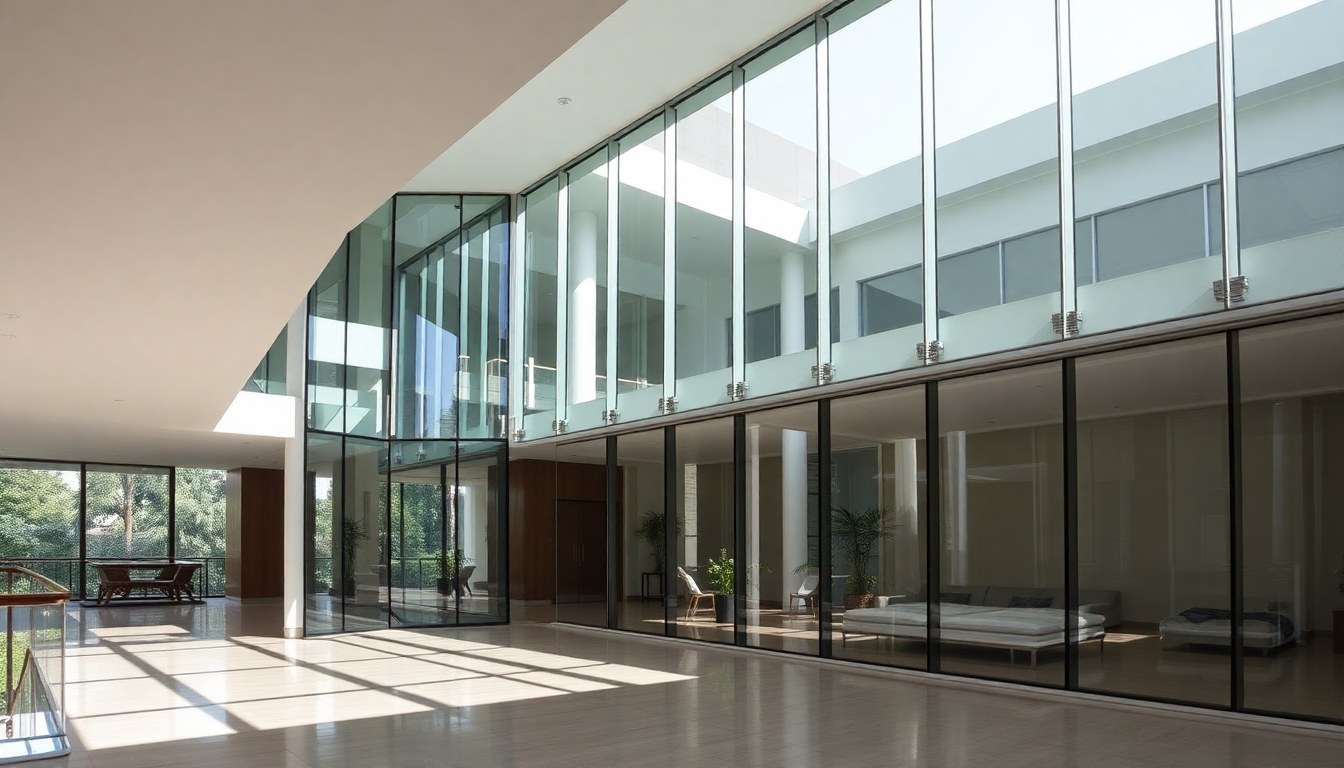
Bangalore's relentless heat and high cooling demand make low-emissivity (low-E) coated glass a game-changer for commercial curtain wall systems. By selectively reflecting infrared radiation while transmitting visible light, low-E coatings can reduce solar heat gain by 40–60%, directly lowering HVAC energy consumption and operating costs. This technical deep-dive explores how low-E technology performs in India's tropical climate and why it's becoming essential for sustainable high-rise façades.
Understanding Low-Emissivity Glass Technology
Low-E glass features an ultra-thin metallic or metal-oxide coating—typically layers of silver, tin oxide, or chromium—applied to one or more surfaces of the glazing unit. This coating has a low emissivity value (typically 0.04–0.15), meaning it reflects long-wave infrared radiation (heat) back into the building during winter, or outward during summer, while maintaining high visible light transmittance (VLT) of 60–80%.
The coating works through a principle called selective transmission: it allows the sun's visible spectrum (400–700 nm) to pass through while blocking most infrared wavelengths (>700 nm). Hard-coat (pyrolytic) low-E is fused during glass manufacturing and offers excellent durability; soft-coat (sputtered) low-E is applied in a vacuum chamber post-production and delivers superior thermal performance but requires protective spacers in insulating glass units.
Types of Low-E Coatings for Indian Climates
- Solar Control Low-E: Optimized for cooling-dominant climates like Bangalore, with lower solar heat gain coefficient (SHGC) values (0.25–0.35). Reflects 60–70% of solar radiation.
- Neutral/Balanced Low-E: Maintains aesthetic appeal with minimal color distortion while providing moderate thermal control (SHGC 0.40–0.50).
- High-Performance Triple-Glazed Low-E: Combines low-E on multiple panes with argon or krypton gas fill for maximum insulation, though less common in India due to cost.
Thermal Performance Benefits in Bangalore's Tropical Climate
Bangalore experiences average temperatures of 28–32°C during peak summer (March–May) and 15–25°C in winter, with intense solar radiation year-round. Standard clear glass allows 87% of solar radiation to penetrate, loading cooling systems significantly. Low-E coated glass reduces this solar transmission to 30–50%, depending on the coating specification.
A typical commercial building in Bangalore using standard double-glazed units experiences cooling loads of 250–350 W/m² on south and west façades. Switching to low-E coated glass can reduce this to 100–150 W/m², translating to 30–40% lower air-conditioning energy consumption. For a 20-storey office tower with 8,000 m² of curtain wall, this can mean annual energy savings of ₹15–25 lakhs, depending on electricity tariffs and operating hours.
U-Value and R-Value Improvements
The U-value (thermal transmittance) measures heat flow through glazing. Standard double-glazed units have U-values around 5.8 W/m²K; low-E coated double-glazing achieves 2.8–3.5 W/m²K. In Bangalore's warm climate, the primary benefit is outward heat rejection rather than inward insulation, but low-E still reduces conductive heat transfer, especially during cooler evenings and early mornings.
Visible light transmittance (VLT) remains high (65–75% for solar control low-E), ensuring occupants enjoy natural daylighting without excessive glare or heat. This reduces reliance on artificial lighting, delivering secondary energy savings of 10–15%.
Cost-Benefit Analysis for Bangalore Developers
Low-E coated double-glazing costs ₹1,200–1,800 per m² installed, compared to ₹600–900 for standard clear double-glazing. For a 10,000 m² curtain wall, the premium is ₹6–9 crores. However, payback periods are typically 5–8 years through energy savings, with a 25-year building lifespan yielding cumulative savings of ₹80–150 crores.
Many Indian commercial developers now factor low-E glazing into their design strategy to achieve LEED or IGBC (Indian Green Building Council) certification, which commands 5–10% higher rental premiums. Enhanced occupant comfort and productivity further justify the investment.
Lifecycle Cost Comparison
- Initial Cost Premium: ₹600–900/m² for low-E over standard glazing.
- Annual Energy Savings: ₹8–15/m² per year in reduced cooling costs.
- Payback Period: 5–8 years in tropical climates like Bangalore.
- Maintenance: Low-E coatings are durable; soft-coat requires careful handling during installation but no ongoing maintenance.
- Resale Value: Green-certified buildings command 8–12% higher valuations.
Integration with Modern Curtain Wall Systems
Contemporary curtain wall systems in Bangalore combine low-E glass with high-performance aluminum framing, thermal breaks, and weather sealing. Leading architects like studio anoma in Bangalore's Lower Palace Orchards area design façades that maximize the benefits of low-E technology.
Structural glazing (silicone-sealed) and unitized curtain walls both accommodate low-E units seamlessly. The key is ensuring proper installation: low-E coatings must face the correct direction (typically the third surface in a double-glazed unit—the inner surface of the outer pane—for maximum solar control in summer).
Ventilated Façade Systems
Double-skin or ventilated façades, increasingly popular in Bangalore's premium commercial projects, pair low-E inner glazing with clear or tinted outer glazing, separated by a 100–300 mm air cavity. This design further reduces heat transmission by creating a thermal buffer zone and allowing hot air to escape naturally. The combination can achieve U-values below 2.0 W/m²K.
Regulatory and Certification Drivers in India
India's Energy Conservation Building Code (ECBC) 2017, adopted by many state governments including Karnataka, recommends maximum U-values of 3.5 W/m²K for glazing in commercial buildings in warm climates. Low-E glass easily meets this standard. Additionally, IGBC's Green Building Rating System awards credits for high-performance glazing, incentivizing developers to specify low-E coatings.
Bangalore's Bruhat Bengaluru Mahanagara Palike (BBMP) increasingly mandates energy audits and green building compliance for large commercial projects, making low-E glazing a practical necessity rather than a luxury option.
Installation Best Practices and Challenges
Proper installation is critical to realizing low-E benefits. The coating is fragile and must be protected during handling, storage, and installation. Soft-coat low-E units require spacers that prevent the coating from contacting insulating gas (typically argon), which can degrade performance. Hard-coat low-E is more forgiving and suitable for projects with tight schedules.
In Bangalore's humid climate, moisture ingress is a concern. High-quality sealants, proper drainage, and ventilation within curtain wall cavities prevent condensation and coating degradation. Experienced curtain wall contractors familiar with low-E installation are essential; poorly installed units lose 20–30% of their thermal benefits.
Site-Specific Considerations
- Orientation: South and west façades benefit most from low-E; north façades may prioritize daylighting over solar control.
- Shading Devices: Combining low-E glass with external louvers or automated blinds can reduce cooling loads by an additional 15–25%.
- Thermal Bridging: Aluminum framing conducts heat; thermal breaks in frame sections minimize this effect, complementing low-E performance.
- Maintenance Access: Curtain walls must allow safe cleaning and maintenance; low-E coatings require gentle cleaning with non-abrasive methods.
Real-World Performance in Bangalore's Buildings
Several high-profile commercial projects in Bangalore's central business district have adopted low-E glazing. Post-occupancy energy audits show cooling energy consumption 35–50% lower than baseline estimates for comparable buildings with standard glazing. Occupant satisfaction surveys report improved thermal comfort, reduced glare, and lower noise transmission—low-E units typically include thicker glass, enhancing acoustic performance.
The Bangalore tech corridor's rapid growth has driven demand for sustainable office space. Tenants increasingly demand LEED or IGBC-certified buildings, creating competitive pressure on developers to invest in high-performance façades. Low-E coated curtain walls have become a differentiator in the premium office market.
Frequently Asked Questions
What is the difference between hard-coat and soft-coat low-E glass?
Hard-coat (pyrolytic) low-E is fused to glass during manufacturing, making it highly durable and suitable for monolithic glazing or as the outer pane in insulating units. Soft-coat (sputtered) low-E is applied in a vacuum chamber post-production and offers superior thermal performance (lower U-values) but is more fragile and must be protected on the interior surface of insulating units. For Bangalore's climate, soft-coat is preferred in double-glazed units due to better solar control performance.
Can low-E glass be used in existing curtain wall retrofits?
Yes, but with considerations. Retrofitting requires careful assessment of structural capacity, as low-E units may differ slightly in thickness or weight. In many cases, replacing individual glazing panes in existing frames is feasible and cost-effective. However, full curtain wall replacement (including framing) may be more economical if the existing system is aged or has thermal bridging issues.
How does low-E glass affect daylighting and views?
Quality low-E coatings maintain 65–75% visible light transmittance, preserving clear views and natural daylighting. Some tinted or reflective low-E options may introduce a slight blue or green tint, but modern neutral low-E coatings are nearly colorless. The trade-off is minimal and far outweighed by energy and comfort benefits.
What is the typical lifespan of a low-E coating?
Hard-coat low-E is essentially permanent, lasting the lifetime of the glass (50+ years). Soft-coat low-E, when properly installed in sealed insulating units, typically lasts 20–30 years. Degradation is rare if the unit seal remains intact and moisture ingress is prevented. In Bangalore's humid climate, regular maintenance and inspection of sealants extend coating life.
How much can low-E glass reduce air-conditioning costs in Bangalore?
Energy savings depend on building size, orientation, and operational hours. For a typical commercial building, low-E coated curtain walls reduce cooling energy by 30–40%, translating to ₹8–15 per m² of glazing annually. A 10,000 m² façade could save ₹8–15 lakhs per year, with payback in 5–8 years. Actual savings vary based on electricity tariffs, climate control setpoints, and occupancy patterns.
Conclusion and Next Steps
Low-E coated glass is no longer a premium option for Bangalore's commercial curtain walls—it's a practical investment that delivers measurable energy savings, regulatory compliance, and enhanced occupant comfort. With payback periods of 5–8 years and cumulative savings over a building's lifecycle, the business case is compelling.
To explore low-E glazing solutions and curtain wall design for your Bangalore project, consult experienced architects and glazing specialists through the glassy.in directory. Connect with professionals who understand India's climate challenges and can specify the right low-E technology for your façade system.