
Glass Guides
Low-E Glass Coatings: How They Work & Savings for Bangalore Summers
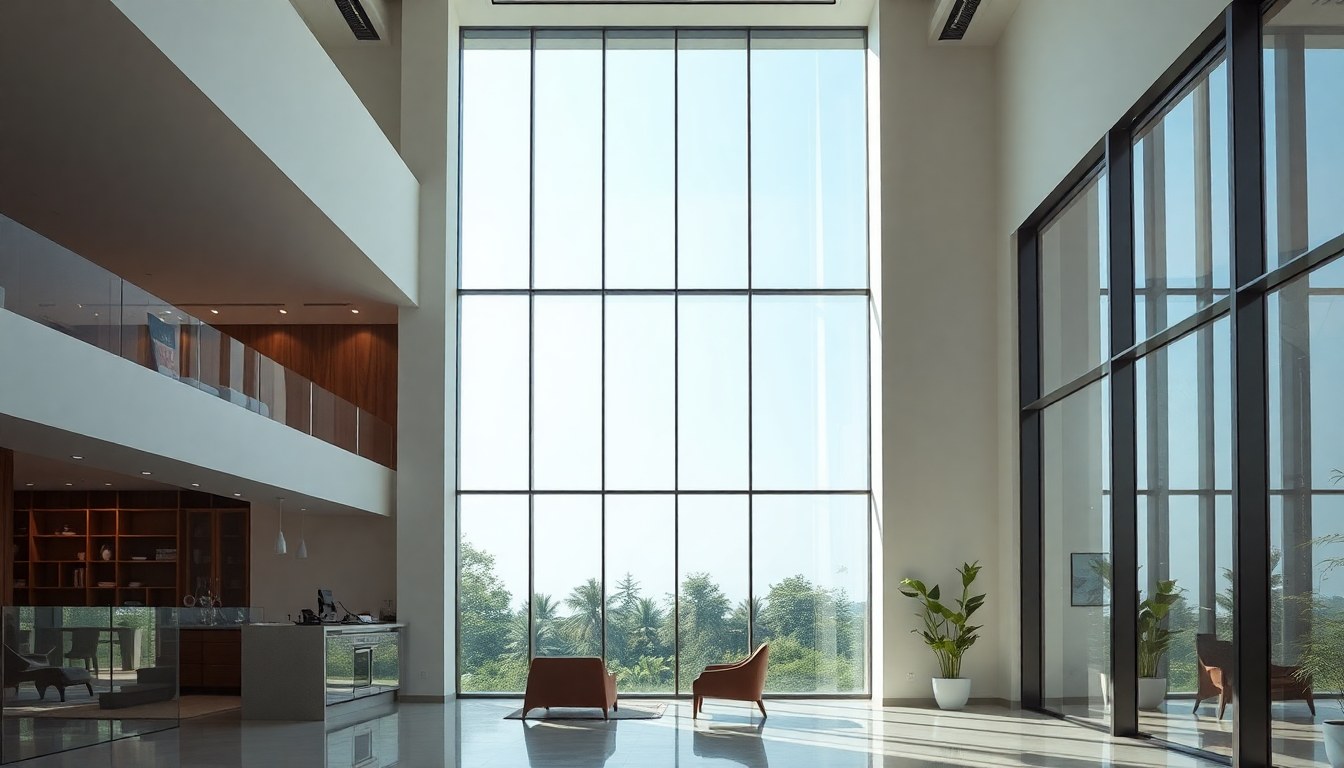
Bangalore's scorching summers push air conditioning bills through the roof, with windows and glass facades responsible for up to 40% of unwanted heat gain in buildings. Low-emissivity (Low-E) glass coatings are a proven solution that reflects infrared heat while transmitting visible light, reducing cooling loads and energy costs by 15–30% in tropical climates. If you're building or renovating in Bangalore or any hot-weather Indian city, understanding Low-E technology can help you make smarter decisions about thermal comfort and long-term savings.
What Is Low-E Glass Coating?
Low-emissivity coating is a microscopically thin layer of metallic oxide—typically silver, tin oxide, or titanium oxide—applied to one or both surfaces of glass. This invisible coating reflects thermal infrared radiation (heat) while allowing visible light to pass through. The term "low-E" refers to the coating's low emissivity value, meaning it doesn't radiate absorbed heat back into the building the way ordinary glass does.
The coating is so thin (typically 100–500 nanometers) that it's imperceptible to the naked eye, yet it fundamentally changes how the glass interacts with solar energy. In summer, Low-E coatings face outward and bounce heat away from the building. In winter (relevant for northern India), they can be positioned to trap heat inside, making them a year-round efficiency tool.
How Low-E Coatings Differ from Regular Glass
Standard clear glass allows nearly 85% of solar radiation to enter a building, contributing heavily to heat buildup. Low-E coated glass reduces this solar heat gain coefficient (SHGC) to 0.20–0.40, meaning only 20–40% of solar heat passes through. This dramatic reduction is what makes Low-E glass valuable in hot climates.
- Visible Light Transmittance (VLT): Low-E coatings maintain 70–80% VLT, so your interiors remain bright without sacrificing efficiency.
- U-Value: Regular glass has a U-value of 1.0; Low-E glass achieves 0.15–0.30, indicating superior insulation.
- Cost: Low-E glass costs 20–40% more than standard glass, but the energy savings typically recover this premium within 3–7 years.
The Science Behind Low-E Coatings
The physics of Low-E glass centers on the electromagnetic spectrum. Solar radiation consists of ultraviolet (UV), visible, and infrared (IR) light. Low-E coatings are engineered to be selective: they block infrared wavelengths (which carry heat) while remaining transparent to visible light (which our eyes perceive).
The metallic oxide layer acts as a partial mirror for infrared radiation. When heat energy in the form of IR photons strikes the coating, they are reflected back outward, preventing them from warming the interior. Meanwhile, visible light photons pass through unimpeded, maintaining natural daylighting and views.
Passive vs. Active Low-E Coatings
Passive Low-E coatings are optimized for summer heat rejection and are ideal for hot climates like Bangalore. They block approximately 65–75% of solar heat.
Solar control (or spectrally selective) Low-E coatings are engineered to reject heat while maximizing visible light transmission. These are particularly useful in mixed climates where both cooling and daylighting matter.
Energy Savings in Bangalore's Climate
Bangalore experiences intense solar radiation year-round, with summer temperatures regularly exceeding 35°C and peak solar irradiance reaching 900–1000 W/m². In this environment, Low-E glass delivers measurable energy savings.
Quantified Cooling Load Reduction
Studies by the Indian Green Building Council and energy modeling software (EnergyPlus, TRNSYS) show that Low-E coatings reduce cooling loads by 15–30% in tropical office and residential buildings. For a 2,000 sq. ft. apartment in Bangalore running AC 10 hours daily during summer, this translates to:
- Monthly AC energy consumption: 600–800 kWh (standard glass)
- Monthly AC energy consumption: 450–600 kWh (Low-E glass)
- Monthly savings: 150–200 kWh, or ₹1,200–₹1,600 (at ₹8/kWh average rate)
- Annual cooling savings: ₹14,400–₹19,200 per residence
These figures assume 40% of the building's glazed area and typical window-to-wall ratios. Larger glass facades (common in commercial buildings and modern apartments) see proportionally higher savings.
Peak Demand Reduction
Beyond energy consumption, Low-E glass reduces peak cooling demand. This matters because electricity tariffs in Bangalore include demand charges; lower peak loads reduce both consumption and demand-related costs, benefiting both homeowners and commercial tenants.
Thermal Comfort & Health Benefits
Energy savings are only part of the story. Low-E glass improves indoor thermal comfort by reducing radiant heat from windows. In a room with standard glass, you may feel uncomfortable near the window even if the air temperature is cool, because radiant heat from the glass warms your skin. Low-E coatings eliminate this discomfort, allowing occupants to sit near windows without the sensation of heat radiation.
Additionally, Low-E coatings block 99% of UV radiation, protecting furnishings, artwork, and flooring from fading and reducing skin cancer risk for occupants near windows.
Installation & Maintenance Considerations
When to Use Low-E Glass
Low-E coatings are most cost-effective in:
- High-rise residential and commercial buildings with large glazed facades
- Homes and offices with significant air conditioning use
- South- and west-facing windows (maximum solar exposure)
- Buildings designed by architects prioritizing energy efficiency—firms like Dream Homes Architects often specify Low-E glass in their sustainable designs
Installation & Durability
Low-E coatings are applied at the factory during glass manufacturing (hard coatings) or on-site after installation (soft coatings). Hard coatings are more durable and suitable for tropical climates with high humidity. Soft coatings offer superior optical performance but require protective glazing units (insulated glass units).
Low-E glass requires no special maintenance beyond regular window cleaning. The coating is sealed within the glass or between panes, protecting it from environmental degradation. Lifespan exceeds 20 years with proper installation.
Compatibility with Interior Design
Modern Low-E coatings are nearly invisible and do not significantly alter the appearance of glass. Interior designers and architects working on premium projects in Bangalore and Mumbai—such as those at SIRA INTERIORS—routinely specify Low-E glass without compromising aesthetic vision.
Return on Investment (ROI)
The payback period for Low-E glass depends on several factors: climate, building orientation, AC usage, electricity rates, and the cost premium of Low-E vs. standard glass.
Typical ROI Scenario for Bangalore
Assume a 2,000 sq. ft. residential unit with 200 sq. ft. of windows (10% window-to-wall ratio):
- Low-E glass cost premium: ₹500–₹800 per sq. ft. above standard glass
- Total glazing cost difference: ₹1,00,000–₹1,60,000
- Annual energy savings: ₹14,400–₹19,200
- Simple payback period: 5.2–11.1 years
However, if the building has higher glazing ratios (15–20% window-to-wall, common in modern apartments) or is located in an even hotter region, payback drops to 3–5 years. Moreover, Low-E glass increases property resale value and reduces long-term maintenance of AC systems, extending the true economic benefit beyond simple payback.
Low-E Glass in Indian Building Codes & Standards
The Energy Conservation Building Code (ECBC) 2017, issued by the Ministry of Power, recommends Low-E or spectrally selective glass for buildings in hot-dry and hot-humid climates. Bangalore falls under the hot-dry category, making Low-E glass a code-compliant choice for commercial buildings aiming for higher energy ratings.
The Indian Green Building Council's LEED and IGBC Green Building Rating Systems award points for high-performance glazing, including Low-E coatings. This can help projects achieve certification and command premium rents or resale prices.
Frequently Asked Questions
Does Low-E glass reduce natural light or create a dark interior?
No. Modern Low-E coatings maintain 70–80% visible light transmittance, so interiors remain bright and naturally lit. You may notice a very slight greenish or bluish tint in some Low-E glasses, but this is minimal and disappears when viewed from inside the building. The coating is designed to block infrared heat, not visible light.
Can Low-E glass be retrofitted to existing windows?
Low-E coatings are applied during glass manufacturing, so they cannot be added to existing single-pane windows. However, you can replace old windows with new Low-E insulated glass units. For large-scale retrofits, this is often cost-effective given the energy savings and improved comfort.
Is Low-E glass necessary in Bangalore, or is it overkill?
Bangalore's tropical climate makes Low-E glass highly beneficial, particularly for buildings with extensive glazing or high AC usage. While not mandatory for residential buildings under current codes, it is recommended for commercial buildings and is increasingly specified in premium residential projects. The 3–7 year payback period makes it a rational investment rather than an indulgence.
How does Low-E glass perform during monsoon or cloudy weather?
Low-E glass performs equally well in all weather. Its thermal properties are constant regardless of cloud cover. During monsoon, the coating continues to reflect infrared heat while allowing visible light through, maintaining energy efficiency and indoor comfort. If anything, the reduced solar intensity during monsoon means AC loads drop naturally, but Low-E glass still provides a thermal advantage.
What is the difference between single and double Low-E coatings?
Single Low-E coatings (one metallic oxide layer) are standard and cost-effective. Double Low-E coatings (two layers in an insulated glass unit) offer marginally better performance, particularly for mixed climates where you want both summer cooling and winter heating. For Bangalore's consistently hot climate, single Low-E is typically sufficient and more economical.
Conclusion: Making the Smart Choice for Your Bangalore Home
Low-E glass coatings are a proven, cost-effective technology for reducing cooling costs and improving thermal comfort in hot climates like Bangalore. With energy savings of 15–30%, a payback period of 5–7 years, and the added benefits of UV protection and better indoor comfort, Low-E glass is a smart investment for anyone building or renovating.
Whether you're working with an architect on a new residential project or retrofitting an existing commercial space, specifying Low-E glass is a straightforward way to align your building with modern energy standards and long-term cost efficiency.
Ready to explore Low-E glass options for your project? Visit glassy.in, India's largest glass-business directory, to connect with verified glass suppliers, manufacturers, and architects who specialize in energy-efficient glazing solutions. Browse detailed listings, compare products and services, and get in touch with professionals in your city today.