
Glass Guides
Low-E Glass Coating: How It Reduces Heat & Energy Bills
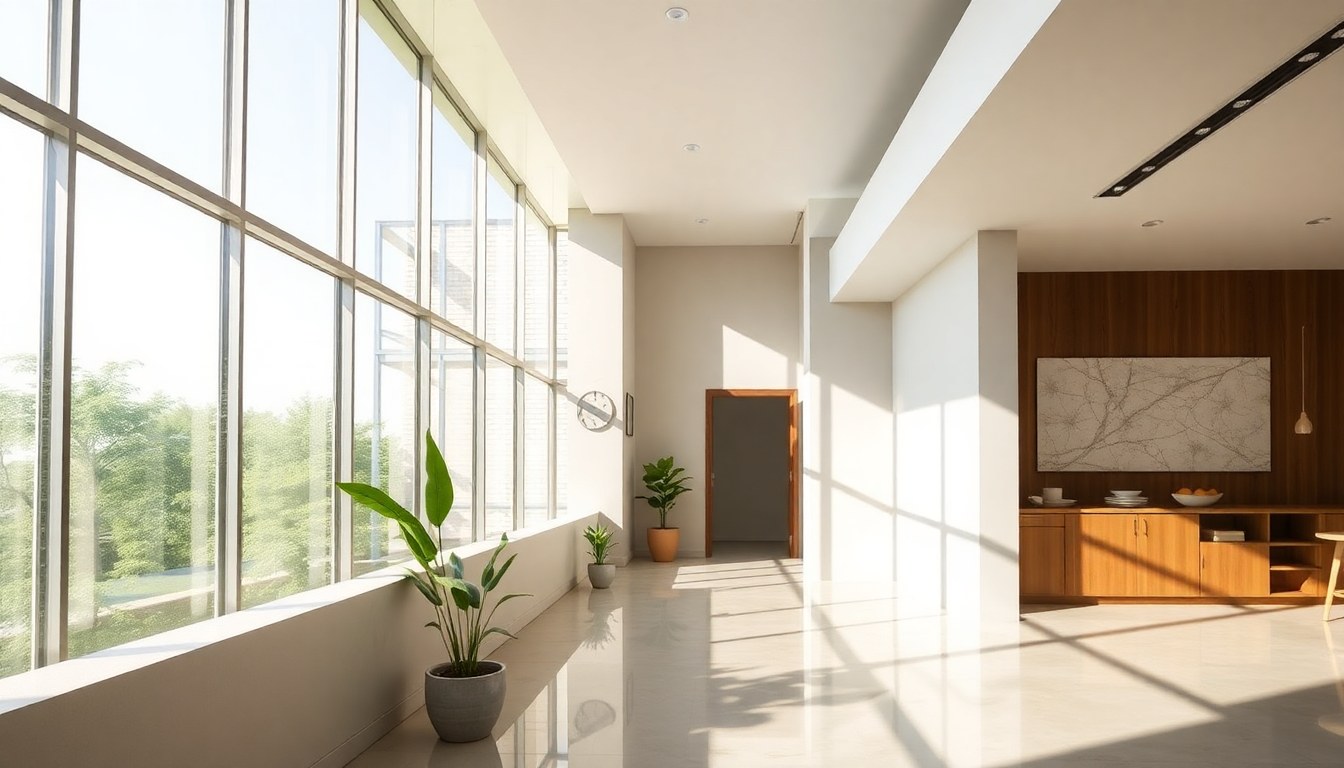
India's soaring summer temperatures and rising electricity costs make energy-efficient building materials essential for homeowners and businesses alike. Low-emissivity (Low-E) glass coatings are a proven technology that reflects infrared radiation while allowing visible light to pass through, dramatically reducing your cooling load and energy bills. This guide breaks down the science behind Low-E coatings, their suitability for different Indian climates, and the real financial returns you can expect.
What Is Low-E Glass Coating and How Does It Work?
Low-emissivity (Low-E) glass is coated with an ultra-thin layer of metallic oxide—typically tin oxide, silver, or chromium—that is invisible to the human eye but highly effective at controlling thermal radiation. The coating works by allowing short-wavelength visible light to enter your space while reflecting long-wavelength infrared (heat) radiation back outside during summer, and inward during winter. This selective transmission of light and rejection of heat is what makes Low-E glass fundamentally different from ordinary clear glass.
The coating is applied during the glass manufacturing process using one of two methods: pyrolytic (hard-coat) or sputtered (soft-coat). Hard-coat Low-E is applied during glass production and bonds permanently to the glass surface, making it more durable and suitable for single-glazed applications. Soft-coat Low-E is applied in a vacuum chamber and offers superior thermal performance but requires protection within a sealed insulating glass unit (IGU). Both types are widely available in India and offer measurable energy savings.
The Physics Behind Heat Rejection
Every object emits thermal radiation based on its temperature—this is measured by emissivity, a value between 0 and 1. Ordinary glass has an emissivity of around 0.84, meaning it radiates 84% of absorbed heat back into your room. Low-E coatings reduce this to 0.04–0.10, reflecting up to 96% of infrared radiation. This dramatic difference translates to cooler interiors in summer and reduced heating loss in winter, without compromising natural light or views.
Energy Savings: Real Numbers for Indian Homes
The energy-saving potential of Low-E glass depends on your climate, building orientation, window area, and current cooling/heating system. In hot, arid regions like Rajasthan and parts of Gujarat, homeowners report cooling cost reductions of 25–35%. In moderate climates like Bangalore and Pune, savings typically range from 15–25%. Even in humid coastal areas like Mumbai and Chennai, where air conditioning runs year-round, Low-E glass delivers consistent 20–30% reductions in cooling energy consumption.
To understand the financial impact, consider a typical 2,000 sq. ft. apartment in Mumbai with 150 sq. ft. of window area, currently spending ₹8,000–₹10,000 per month on air conditioning during peak summer (April–June). Installing Low-E coated glass could reduce this to ₹5,600–₹7,500 per month—a saving of ₹2,400–₹4,400 monthly or ₹28,800–₹52,800 annually. Over a 20-year lifespan, that's ₹5.76–₹10.56 lakhs in cumulative savings, far exceeding the installation cost of ₹1.5–₹3 lakhs for quality Low-E glass units.
Payback Period and ROI
The payback period for Low-E glass typically ranges from 5–10 years, depending on local electricity rates and climate. In states with higher tariffs (Delhi, Maharashtra, Karnataka), payback is faster. After the payback period, every rupee saved on energy bills is pure return on your initial investment. Additionally, many state governments offer subsidies for energy-efficient building materials under green building initiatives, which can reduce upfront costs by 10–20%.
Climate Suitability Across Indian Regions
Low-E glass is beneficial across India, but its performance and cost-effectiveness vary by region. Understanding your climate zone helps you make an informed decision.
Hot and Arid Regions (Rajasthan, Gujarat, Parts of Haryana)
These zones experience extreme summer temperatures exceeding 45°C and intense solar radiation. Low-E coatings are highly recommended here because they reject 40–50% of solar heat gain, dramatically reducing cooling loads. The high electricity costs in these states further improve ROI. Paired with reflective roofing and proper ventilation, Low-E windows can keep indoor temperatures 3–5°C cooler without additional AC use.
Warm and Humid Regions (Mumbai, Chennai, Kolkata)
Coastal and humid areas have moderate temperatures but high ambient humidity and year-round air conditioning use. Low-E glass reduces heat gain and prevents condensation on window surfaces, improving indoor air quality. The 20–30% energy savings are consistent throughout the year, making Low-E glass a solid investment even if seasonal temperature swings are less dramatic.
Temperate and Cool Regions (Bangalore, Pune, Himachal Pradesh)
These regions have milder summers and cooler winters. While cooling loads are lower, Low-E glass still delivers 15–25% energy savings. In hill stations like Shimla and Manali, the winter heat-retention benefit becomes significant—Low-E coatings prevent indoor warmth from escaping, reducing heating costs. For year-round comfort and moderate energy savings, Low-E glass is advisable in these zones.
Installation and Maintenance Considerations
Low-E glass is typically installed as part of a sealed insulating glass unit (IGU) in double-glazed or triple-glazed windows. Single-glazed hard-coat Low-E is available but less common in India due to structural limitations. When upgrading existing windows, you'll need to replace the entire frame or retrofit new glass units into existing frames—a decision best made with qualified glazing professionals.
Maintenance of Low-E glass is straightforward and identical to ordinary glass. Clean the exterior with mild soap and water every 3–6 months to remove dust and pollution buildup, which can reduce light transmittance. Avoid abrasive cleaners or rough cloths that might scratch the coating. The coating itself is protected within the sealed IGU, making it resistant to damage from weather or handling.
Professional Installation
Proper installation is critical to realizing the full performance of Low-E glass. Poor sealing or frame installation can create thermal bridges that undermine energy savings. Engage certified glazing contractors who understand local building codes and have experience with insulated glass units. Architects and interior designers like Linear Design and SIRA INTERIORS can recommend trusted installation partners and ensure Low-E glass integrates seamlessly with your building design.
Cost-Benefit Analysis and Long-Term Value
Low-E glass costs 20–40% more than ordinary clear glass, but the premium is justified by energy savings, improved comfort, and property value appreciation. A typical residential window upgrade from clear glass to Low-E might cost an additional ₹500–₹1,000 per square foot of glass area. For a 150 sq. ft. window installation, that's ₹75,000–₹1.5 lakhs in additional cost—recovered in 5–10 years through energy savings.
Beyond energy bills, Low-E glass offers secondary benefits: reduced fading of furniture and fabrics due to lower UV transmission, improved acoustic performance when combined with laminated glass, and enhanced thermal comfort by reducing cold drafts near windows in winter. These intangible benefits improve quality of life and can increase property resale value by 3–5% in premium segments.
For commercial buildings, Low-E glass reduces HVAC system size and operating hours, lowering both capital and operational costs. Office buildings in Bangalore and Mumbai increasingly specify Low-E glass to meet green building certifications (LEED, IGBC) and reduce occupancy costs—a trend that benefits both landlords and tenants.
Frequently Asked Questions
Does Low-E glass reduce natural light in my home?
No. Modern Low-E coatings transmit 70–80% of visible light while blocking 40–60% of infrared radiation. Your home remains bright and naturally lit, but feels cooler and more comfortable. The coating is nearly invisible to the human eye, so views and aesthetics are unaffected.
Can I apply Low-E coating to existing windows?
Retrofitting Low-E coating onto existing single-pane glass is possible but uncommon and less effective than factory-applied Low-E glass. For best results, replace the glass with new Low-E units or upgrade to double-glazed Low-E windows. Consult architects like Site Practice for retrofit options suited to your building.
Is Low-E glass worth the investment in moderate climates like Bangalore?
Yes. Even in moderate climates, Low-E glass delivers 15–25% energy savings and improves year-round comfort. The payback period may extend to 7–10 years, but the long-term value justifies the upfront cost, especially if you plan to stay in your home for over a decade.
Does Low-E glass work in winter, or only in summer?
Low-E glass works year-round. In summer, it reflects external heat outward. In winter, it reflects indoor warmth inward, reducing heating losses. This dual functionality makes it effective across all seasons, with the most dramatic savings in regions with significant temperature swings.
What is the lifespan of Low-E glass coating?
Factory-applied Low-E coatings are extremely durable and typically last 20–30 years or longer without degradation. The coating is protected within the sealed IGU, shielding it from weathering, UV damage, and physical wear. Maintenance is minimal—regular cleaning is sufficient to maintain performance.
Make the Smart Choice for Your Home's Energy Future
Low-E glass coating is a proven, long-term investment that reduces energy bills, improves comfort, and adds value to your property across India's diverse climates. Whether you're building new or retrofitting existing windows, understanding how Low-E technology works empowers you to make decisions that align with your budget and sustainability goals. Explore qualified glass suppliers and installation experts on glassy.in, India's largest glass-business directory, to find trusted professionals who can help you select and install the right Low-E glass solution for your home or commercial space.