
Glass Guides
Low-E Glass Coatings Explained: How They Save Money in Delhi Winters
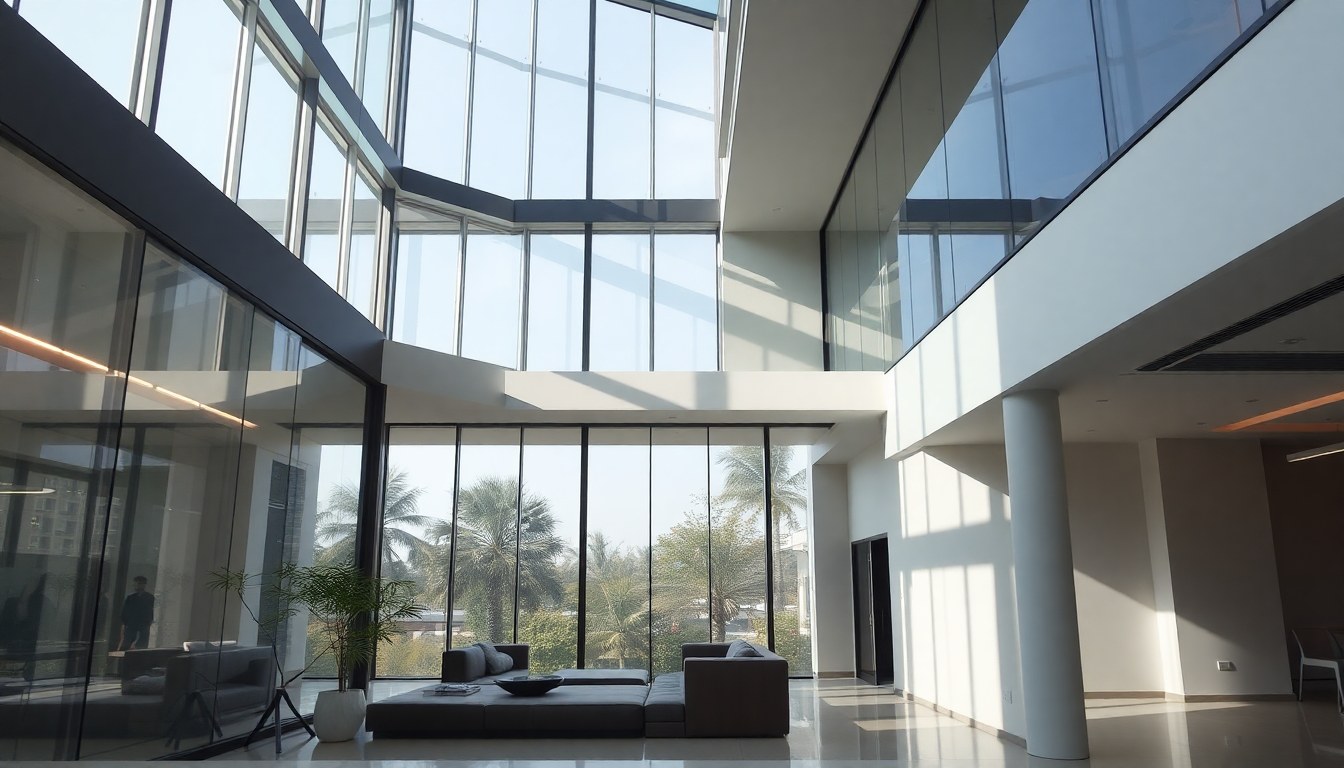
Delhi winters can push heating bills through the roof—literally. Low-emissivity (low-E) glass coatings are a proven technology that reflects heat back into your home while letting sunlight in, reducing your dependence on heaters and cutting energy costs by 15–30%. If you're renovating or building in Delhi, understanding how low-E glass works is essential to making a smart financial and environmental choice.
What Is Low-E Glass and How Does It Work?
Low-emissivity glass is ordinary glass coated with a microscopically thin layer of metallic oxide—typically silver, tin oxide, or titanium oxide. This invisible coating is just a few nanometers thick, yet it fundamentally changes how glass interacts with infrared radiation (heat).
The science is straightforward: all objects emit infrared radiation based on their temperature. In winter, your heated interior radiates warmth toward the cold windows. Traditional glass allows most of this infrared radiation to pass straight through and escape outdoors. Low-E coatings act like a thermal mirror, reflecting up to 95% of that outgoing infrared radiation back into the room while still allowing visible light to pass through. The result is a window that keeps warmth in, reducing the load on your heating system.
The Coating Process
Low-E coatings are applied in two main ways: hard-coat (pyrolytic) and soft-coat (sputtered). Hard-coat is applied during glass manufacturing at extremely high temperatures and is durable enough for single-glazed applications. Soft-coat is applied in a vacuum chamber after manufacturing and offers superior thermal performance but is typically used in insulated glass units (IGUs) to protect the coating from moisture and physical damage.
Why Delhi Winters Demand Low-E Glass
Delhi experiences harsh winters with temperatures dropping to 4–5°C between December and February. During these months, heating accounts for a significant portion of residential and commercial energy consumption. Traditional single-pane or even standard double-glazed windows allow substantial heat loss through conduction and radiation.
Low-E glass is particularly effective in cold climates because it targets the primary mode of heat loss through windows: infrared radiation. While traditional windows lose heat through all three mechanisms (conduction, convection, and radiation), low-E coatings specifically block radiation, making them ideal for Delhi's winter conditions. A home with low-E windows can maintain interior temperatures more efficiently, reducing the frequency and intensity of heating system operation.
Quantifying the Savings
Studies from the U.S. Department of Energy and similar research in India show that low-E windows reduce heating energy loss by 15–30%, depending on the climate zone and existing window type. For a typical Delhi home heated to 22°C during winter, this translates to measurable monthly savings on electricity or gas bills. The payback period typically ranges from 3–7 years, after which the savings accumulate as pure benefit.
Low-E Glass vs. Traditional Glass: A Comparison
Understanding the practical differences helps you make an informed decision for your Delhi property.
- Heat Retention: Low-E glass reflects 95% of infrared heat back indoors; traditional glass reflects only 5–10%.
- Visible Light Transmission: Modern low-E coatings allow 70–80% of visible light through, maintaining natural brightness without appearing tinted.
- UV Protection: Low-E coatings also block 50–99% of ultraviolet (UV) radiation, protecting furniture and interiors from fading.
- Summer Performance: In Delhi summers, low-E glass reduces cooling load by rejecting solar heat, offering year-round energy benefits.
- Cost: Low-E glass costs 15–40% more than standard glass but delivers returns through energy savings and extended HVAC system life.
Installation and Configuration in Delhi Homes
Low-E glass is most effective when installed as part of an insulated glass unit (IGU)—a sealed assembly of two or more glass panes with a gap filled with insulating gas (typically argon or krypton). The low-E coating is positioned on one of the interior surfaces, facing the insulating gap, which protects it and maximizes its thermal benefit.
For Delhi winters, a typical configuration is a double-glazed unit with low-E coating on the interior-facing surface of the outer pane. This allows solar heat to enter during the day while preventing nighttime heat loss. Some premium installations use triple glazing with low-E coatings on multiple surfaces, offering even greater performance—though the additional cost may not be justified for most Delhi applications.
Working with Architects and Designers
If you're planning a renovation or new construction in Delhi, consulting with experienced architects ensures that window specifications align with your building's overall thermal design. Firms like Studio Grid and UHA Mumbai integrate low-E glass strategically into modern designs, balancing aesthetics with energy performance. Proper frame selection and installation quality are equally important—even the best low-E glass performs poorly if the frame conducts heat or if air leaks around the installation.
Calculating Your Potential Savings
To estimate how much low-E glass could save you in Delhi, consider these factors:
- Window area: Measure the total square meters of windows in your home or building.
- Current heating costs: Review your winter electricity or gas bills to establish a baseline.
- Climate zone: Delhi's severe winter justifies the investment more than milder regions.
- Existing windows: Upgrading from single-pane to low-E double-glazing delivers greater savings than upgrading from standard double-glazing.
As a practical example: a Delhi apartment with 30 square meters of windows, heated to 22°C for four months, might spend ₹8,000–12,000 on winter heating. Low-E glass could reduce this by ₹1,200–3,600 annually. Over 10 years, that's ₹12,000–36,000 in cumulative savings, often exceeding the upfront cost difference.
For commercial buildings and offices, the savings scale significantly. A Delhi office building with 500 square meters of windows could save ₹50,000–150,000 annually, making low-E glass a compelling investment from both financial and sustainability perspectives.
Additional Benefits Beyond Winter Savings
While winter heating is the primary advantage in Delhi, low-E glass delivers other benefits that enhance its value proposition:
- Summer Cooling Efficiency: Low-E coatings reduce solar heat gain in summer, lowering air conditioning loads and costs.
- UV Protection: Blocks harmful ultraviolet radiation, protecting skin, eyes, and interior furnishings from fading and damage.
- Condensation Reduction: By maintaining warmer interior glass surfaces, low-E windows reduce the likelihood of condensation, preventing mold and moisture damage.
- Comfort: Warmer windows mean fewer drafts and more uniform interior temperatures, improving occupant comfort during harsh winters.
- Property Value: Energy-efficient windows are increasingly valued by buyers and tenants, potentially increasing property resale or rental value.
Choosing the Right Low-E Glass Supplier in Delhi
Quality matters when selecting low-E glass. Work with reputable manufacturers and installers who provide transparent specifications about coating emissivity, solar heat gain coefficient (SHGC), and U-value. Verify that products meet Indian standards (IS codes) and come with proper warranties.
Retailers and dealers like Silicate Glass Work can guide you toward certified low-E products suitable for Delhi's climate. Ensure your installer has experience with IGU assembly and low-E coatings, as improper installation can negate the performance benefits.
Frequently Asked Questions
Does low-E glass really make a difference in Delhi winters?
Yes, absolutely. Low-E coatings reduce heating energy loss by 15–30%, which translates to measurable reductions in winter heating bills. For Delhi's harsh winters (December–February), this technology is particularly effective because it specifically targets infrared heat loss, the primary mechanism by which windows leak warmth. Most homeowners and businesses see payback within 3–7 years.
Can I apply low-E coating to my existing windows?
Unfortunately, no. Low-E coatings must be applied during glass manufacturing or in a controlled vacuum environment. They cannot be reliably applied to windows already installed in buildings. However, you can replace existing windows with new low-E units. This is often done during renovation projects or when windows reach the end of their lifespan.
Will low-E glass make my home darker?
Modern low-E coatings are nearly invisible and allow 70–80% of visible light to pass through, so your home will not appear noticeably darker. In fact, most people cannot distinguish low-E glass from standard glass by appearance alone. The coating works on infrared wavelengths, which are invisible to the human eye.
Is low-E glass worth the extra cost in Delhi?
For most Delhi properties, yes. The additional upfront cost (15–40% more than standard glass) is typically recovered through energy savings within 3–7 years. After that, you enjoy pure savings. Additionally, low-E glass improves comfort, reduces condensation, protects furnishings from UV damage, and may increase property value—benefits that extend beyond simple energy cost calculations.
What is the difference between hard-coat and soft-coat low-E glass?
Hard-coat (pyrolytic) low-E is applied at high temperatures during manufacturing and is durable for single-pane applications. Soft-coat (sputtered) low-E is applied in a vacuum chamber after manufacturing and offers superior thermal performance but is more delicate and typically used only in sealed, insulated glass units. For Delhi winters, soft-coat in a double-glazed unit is generally the better choice due to superior performance.
Conclusion: Make Low-E Glass Part of Your Delhi Winter Strategy
Low-emissivity glass coatings represent a mature, proven technology that directly addresses the heating challenges of Delhi winters. By reflecting infrared heat back indoors while maintaining natural light and aesthetics, low-E windows deliver tangible energy savings, improved comfort, and long-term financial returns. Whether you're renovating a residential home or upgrading a commercial building, low-E glass is a smart investment that pays dividends year after year.
Ready to explore low-E glass options for your Delhi property? Browse verified glass suppliers, architects, and installers on glassy.in, India's largest glass-business directory. Find trusted professionals who can assess your windows, recommend the right low-E solutions, and ensure expert installation. Visit glassy.in today to connect with the right partner for your project.