
Glass Guides
Low-E Glass Coating Explained: Beat Delhi's Heat & Cold with Science
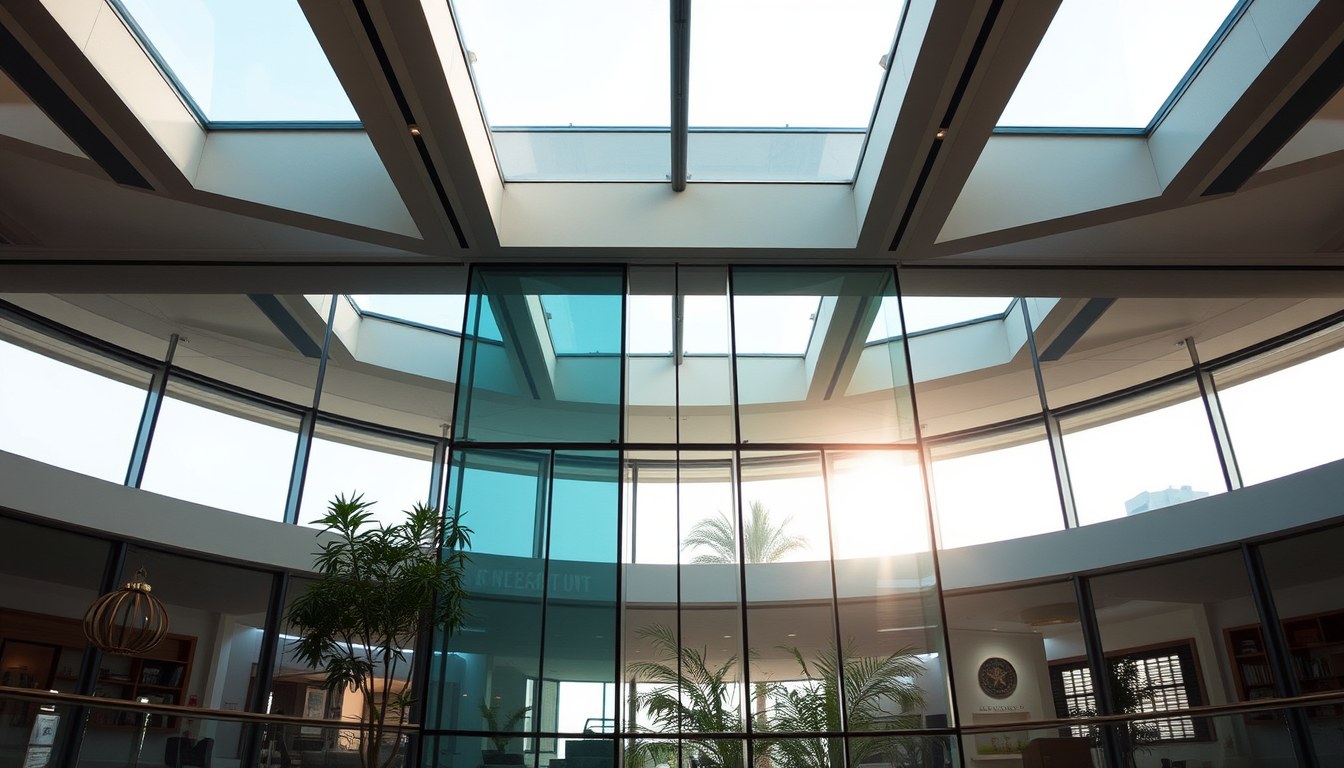
Delhi's temperature swings are brutal—scorching summers pushing 45°C and winters dipping below 5°C. Your windows are the weak link in your building's thermal envelope, but low-emissivity (low-E) glass coatings offer a scientifically proven solution. This invisible metallic layer reflects radiant heat while letting visible light through, cutting your cooling and heating costs by 20–30% while keeping your interiors comfortable year-round.
What Is Low-E Glass Coating?
Low-emissivity coating is an ultra-thin, transparent layer of metallic oxides—typically silver, tin oxide, or chromium—applied to glass surfaces. The coating is so fine that it measures just 100–500 nanometers thick, yet it fundamentally changes how glass interacts with thermal radiation. The term "low-emissivity" refers to the coating's ability to emit very little infrared radiation, which is the primary culprit behind heat gain and loss through windows.
The coating is applied during the glass manufacturing process using one of two methods: pyrolytic (hard-coat) or magnetron sputtering (soft-coat). Hard-coat low-E glass is fused to the glass surface at high temperatures and is more durable but slightly less efficient. Soft-coat low-E glass offers superior thermal performance and is the preferred choice for residential and commercial applications in India, though it requires careful handling and protection in insulated glass units.
How the Coating Is Applied
During manufacturing, a thin metallic oxide layer is deposited onto the glass surface using specialized equipment. This layer is invisible to the naked eye but highly reflective to infrared radiation. The process is precise and scalable, making low-E glass competitively priced compared to standard glazing in today's market.
How Low-E Glass Reflects Heat: The Physics
To understand low-E glass, you need to grasp the difference between visible light and infrared radiation. Visible light—what your eyes see—is only a small portion of the electromagnetic spectrum. Infrared radiation (heat) makes up about 50% of solar energy. Standard clear glass allows both visible light and infrared through freely, which is why a room heats up in direct sunlight. Low-E coating changes this equation.
The metallic oxide layer acts like a selective mirror. It reflects 40–70% of infrared radiation back outside in summer, preventing heat from entering your building. In winter, it reflects indoor heat (which is primarily infrared) back into the room, reducing heat loss through the window. Crucially, the coating still allows 70–80% of visible light to pass through, so your spaces remain bright and naturally lit.
Summer Performance in Delhi
During Delhi's brutal summers, low-E coatings on the exterior-facing side of windows reflect solar heat away before it penetrates the glass. This reduces the solar heat gain coefficient (SHGC) from the typical 0.86 for clear glass to as low as 0.30–0.40 for optimized low-E systems. The result is a cooler interior and significantly lower air-conditioning load.
Winter Performance in Delhi
In winter, when your heating system warms the indoor air, that heat radiates outward as infrared energy. Standard glass lets this heat escape freely. Low-E coating reflects this infrared energy back inside, reducing the U-value (heat transfer coefficient) from about 5.8 W/m²K for clear glass to 1.6–2.5 W/m²K. This means your heater works less, and warmth stays where you need it.
Types of Low-E Coatings for Indian Climate
Not all low-E coatings perform equally. The type you choose depends on your climate zone and whether you prioritize cooling or heating. India's varied geography means that Delhi's needs differ from coastal cities, so understanding your options is essential.
Solar-Control Low-E (Cool Coatings)
These coatings are optimized to reject solar heat while maintaining good visible light transmission. They are ideal for Delhi and other hot climates. Solar-control low-E typically achieves an SHGC of 0.30–0.40 and a visible light transmittance (VLT) of 70–75%. Brands like Guardian SunGuard, Saint-Gobain Climaplus, and PPG Solarban are commonly specified in India.
Passive Low-E (Heat-Retention Coatings)
These coatings prioritize heat retention over solar rejection, making them better for cold climates or north-facing windows. They offer lower U-values (around 1.6 W/m²K) but slightly higher SHGC values. In Delhi, these are less commonly used on south and west-facing windows but may be appropriate for north-facing glazing or in combination with solar-control coatings in double-glazed units.
Neutral or Balanced Low-E
Some coatings strike a balance between solar control and heat retention, offering moderate performance in both directions. These are versatile options for mixed climates or buildings with varied orientations.
Real-World Benefits for Delhi Homeowners and Businesses
The theoretical physics of low-E glass is compelling, but what matters most is practical impact on your life and wallet. Let's break down the tangible benefits you'll experience in Delhi.
Energy Cost Savings
A typical Delhi home or office with 30% of its wall area glazed can reduce cooling costs by 20–30% during summer and heating costs by 15–25% during winter by switching to low-E windows. On an annual basis, this translates to savings of ₹15,000–₹40,000 depending on building size, orientation, and occupancy patterns. Over a 20-year window lifespan, these savings compound significantly.
Improved Comfort
Low-E windows reduce the temperature difference between the glass surface and the room interior. In summer, the glass stays cooler, reducing the discomfort of radiant heat near windows. In winter, the glass stays warmer, eliminating cold drafts and the need to sit far from windows. This creates more usable interior space and eliminates thermal discomfort zones.
UV Protection
The metallic oxide layer also reflects 99% of harmful ultraviolet (UV) radiation, protecting your furniture, artwork, and flooring from fading. This is a significant benefit for homes with valuable interiors or businesses with merchandise on display.
Condensation Reduction
By keeping the inner glass surface warmer in winter, low-E coatings reduce the likelihood of condensation forming on windows, which prevents mold growth and maintains visibility.
Specifying Low-E Glass in Delhi: Practical Considerations
If you're planning a renovation or new construction in Delhi, working with experienced glass dealers and interior designers is crucial to selecting the right low-E solution. ST Interior Glass & Alluminium UPVC Works in New Delhi specializes in thermal glass solutions and can guide you through the selection process. Similarly, A S Interior Designer can integrate low-E glazing into your overall design strategy.
Orientation and Window Placement
South and west-facing windows in Delhi receive the most intense solar heat. These are prime candidates for solar-control low-E coatings with SHGC values below 0.40. North-facing windows, which receive diffuse light, can use slightly less aggressive coatings or even passive low-E to retain winter heat.
Frame and Sealant Quality
Low-E glass is only effective when installed in high-quality frames with proper sealing. UPVC, aluminum, or wood frames with thermal breaks are essential to prevent heat loss through the frame itself. Ensure your installer uses low-conductivity spacers and quality sealants.
Double-Glazed vs. Triple-Glazed Units
In Delhi, double-glazed units with low-E on one surface (typically the inner surface facing the room) are the standard and cost-effective choice. Triple-glazed units offer marginal additional benefit in Delhi's climate and are rarely justified by the extra cost, though they may be specified for premium projects or specific acoustic requirements.
Visible Light Transmittance (VLT)
Ensure your chosen low-E coating maintains adequate VLT (ideally 70% or higher) so your interiors don't feel dark or cave-like. Some aggressive solar-control coatings can reduce VLT to 60–65%, which may feel oppressive in residential settings.
Cost and Return on Investment
Low-E glass typically costs 15–30% more than standard clear glass, depending on the coating quality and manufacturer. For a typical Delhi home with 50 m² of glazing, the premium might be ₹30,000–₹60,000. Given the energy savings of ₹15,000–₹40,000 annually, the payback period ranges from 1.5 to 4 years, after which you're saving money every year. Over the 20–30 year lifespan of windows, this represents substantial value.
Additionally, low-E windows may qualify for green building certifications like LEED or IGBC, which can add property value and reduce municipal taxes or obtain incentives in some jurisdictions.
Frequently Asked Questions
Does low-E coating reduce natural light?
No, modern low-E coatings are designed to transmit 70–80% of visible light while blocking infrared radiation. Your rooms remain bright and naturally lit. The coating is invisible to the human eye, so you won't notice any color shift or darkness. However, some ultra-aggressive solar-control coatings may reduce VLT to 60–65%, so always check the specifications.
Can low-E coating be applied to existing windows?
Low-E coating is applied during glass manufacturing and cannot be retrofitted to existing windows. However, you can replace your existing windows with new low-E glazing. This is a worthwhile investment if your current windows are more than 15 years old or if you're experiencing high energy bills.
Is low-E glass worth it in Delhi?
Absolutely. Delhi's extreme temperature swings—from 45°C+ summers to sub-5°C winters—make low-E glass a smart investment. The energy savings alone justify the cost within 2–4 years, and the comfort improvements are immediate. Additionally, UV protection and condensation reduction add long-term value.
Which side of the glass should the low-E coating be on?
In a double-glazed unit, low-E coating is typically applied to the inner surface (facing the room) in Delhi's climate. This reflects summer heat away from the building and winter heat back into the room. Some designs may use coatings on multiple surfaces for enhanced performance, but this is less common in residential applications.
Does low-E coating affect window maintenance?
Low-E glass requires the same cleaning as standard glass—regular washing with mild soap and water. The coating is durable and won't peel or degrade with normal maintenance. Avoid abrasive cleaners or rough cloths that might scratch the surface.
Conclusion: Make the Smart Choice for Your Delhi Home
Low-E glass coating is not a luxury feature—it's a scientifically proven solution to Delhi's thermal challenges. By reflecting infrared radiation while transmitting visible light, these coatings cut energy costs, improve comfort, and protect your interiors from UV damage. Whether you're building a new home, renovating an existing property, or upgrading your office, specifying low-E glass is one of the highest-ROI decisions you can make.
Ready to explore low-E glass options for your project? Visit glassy.in, India's largest glass-business directory, to connect with certified dealers, installers, and designers in Delhi who specialize in thermal glass solutions. Get quotes, compare options, and make an informed decision backed by expert guidance.