
Glass Guides
Low-E Glass Coating Explained: How It Cuts Cooling Costs in Indian Summers
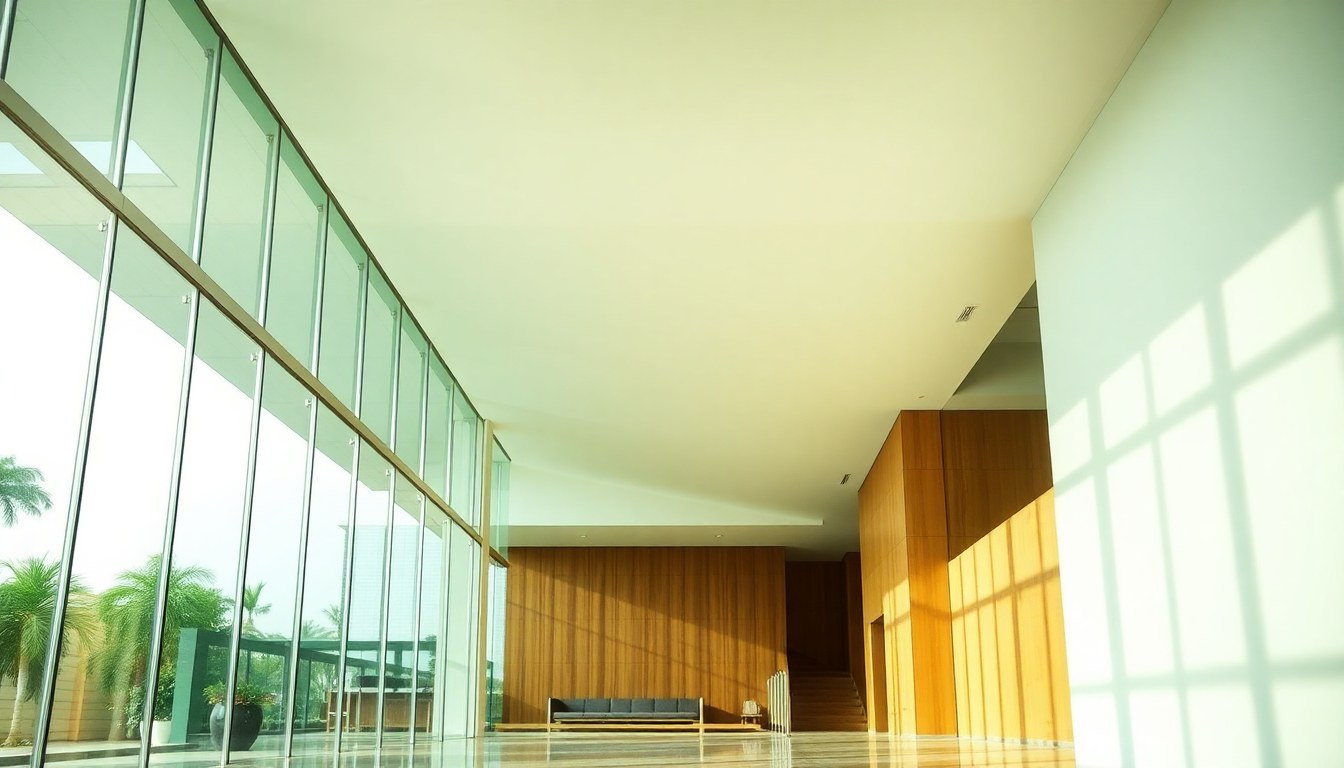
India's intense summer heat drives air-conditioning bills through the roof, with cooling accounting for 40–60% of residential electricity consumption in metro areas like Bangalore and Delhi. Low-emissivity (low-E) glass coatings offer a smart, passive solution: they reflect infrared heat while letting visible light through, reducing your AC load and energy bills without sacrificing natural light. This guide breaks down how low-E coatings work, their real-world cost savings, and whether they're worth the investment for your home.
What Is Low-E Glass Coating?
Low-emissivity (low-E) glass is standard glass treated with a microscopically thin metallic coating—typically silver, tin oxide, or titanium oxide—that reflects thermal radiation while remaining transparent to visible light. The coating is applied during manufacturing or retrofitted onto existing windows, and it works by reducing the amount of infrared energy (heat) that passes through the glass.
The term "emissivity" refers to a material's ability to radiate heat. Normal glass has high emissivity (around 0.84), meaning it absorbs and re-radiates a lot of heat into your home. Low-E coatings reduce this to 0.1 or lower, making them highly reflective to thermal energy. In Indian summers, this difference translates directly into cooler interiors and lower energy bills.
How the Coating Is Applied
Low-E coatings are applied in two main ways:
- Hard-coat (offline): Applied during glass manufacturing using a pyrolytic process. Durable and suitable for retrofit installations, though slightly less reflective than soft-coat.
- Soft-coat (online): Applied in a controlled environment after manufacturing using sputtering. Offers better thermal performance but is more delicate and typically used in insulated glass units (IGUs).
For Indian homes, hard-coat low-E glass is often preferred because it can be installed on existing window frames without replacing the entire unit, making it a cost-effective retrofit option.
The Science: How Low-E Coatings Reflect Heat
The sun's energy reaches Earth in three forms: visible light (about 50%), infrared heat (about 45%), and ultraviolet radiation (about 5%). Standard clear glass transmits nearly 90% of visible light and 80% of infrared heat, which is why rooms heat up quickly in summer.
Low-E coatings work by leveraging the principle of selective transmission. The metallic layer is engineered to be nearly transparent to visible light wavelengths (400–700 nanometers) but highly reflective to infrared wavelengths (above 700 nanometers). When infrared radiation hits the coating, it bounces back outside rather than penetrating into your home.
Solar Heat Gain Coefficient (SHGC)
The effectiveness of low-E glass is measured by its Solar Heat Gain Coefficient (SHGC), a value between 0 and 1 that indicates how much solar heat passes through the glass. A lower SHGC means better heat rejection. Standard clear glass has an SHGC of about 0.86, while quality low-E coatings can achieve SHGC values as low as 0.20–0.40, blocking 60–80% of solar heat.
For Indian summers, low-E glass with an SHGC below 0.35 is ideal, as it maximizes heat rejection while maintaining adequate daylighting. This is especially valuable in south and west-facing windows, which receive the most intense afternoon sun in India.
Real-World Cooling Cost Savings in India
The actual savings depend on your climate, window orientation, current cooling system, and electricity rates. However, field studies and energy audits in Indian cities provide useful benchmarks.
Bangalore Case Study
Bangalore's moderate but persistent summer heat (25–35°C) makes it ideal for low-E glass retrofits. A typical 3-bedroom apartment (2,500 sq. ft.) with 300 sq. ft. of south and west-facing windows can reduce AC runtime by 15–20% with low-E coating. At an average electricity rate of ₹8 per unit and an annual cooling load of 2,500 units, this translates to ₹3,000–4,000 in annual savings. Over 10 years, cumulative savings reach ₹30,000–40,000, easily covering the installation cost of ₹15,000–20,000.
Delhi Case Study
Delhi's extreme summer peaks (40–45°C) create higher cooling demands. The same apartment could see 20–25% AC load reduction, saving ₹4,000–5,500 annually. With electricity rates around ₹7.50 per unit, the payback period is typically 3–4 years, after which savings compound year after year.
Additional Benefits Beyond Energy Savings
- UV protection: Low-E coatings block 99% of harmful UV rays, protecting furniture, carpets, and artwork from fading.
- Comfort: Reduced radiant heat from windows makes rooms feel more comfortable, even at higher thermostat settings.
- Glare reduction: Some low-E coatings reduce glare, improving visibility and reducing eye strain.
- Winter benefits (in cooler regions): In Delhi's mild winters, low-E glass retains indoor heat, reducing heating costs.
Installation, Costs, and ROI in India
Low-E glass retrofits are more affordable than full window replacement, making them accessible for most Indian homeowners. Costs vary by region, glass type, and installation complexity.
Cost Breakdown (2024 Estimates)
- Hard-coat low-E glass film (retrofit): ₹400–800 per sq. ft., including installation. A typical window (10 sq. ft.) costs ₹4,000–8,000.
- Low-E insulated glass units (new windows): ₹1,200–2,500 per sq. ft., including frame and installation.
- Labor and installation: ₹2,000–5,000 per window, depending on accessibility and frame condition.
For a typical 3-bedroom home with 8–10 windows, total retrofit cost ranges from ₹40,000–80,000. Given annual savings of ₹3,000–5,000, the payback period is 8–15 years, with benefits extending well beyond.
Maximizing ROI
To get the best return on investment, prioritize south and west-facing windows, which receive the most intense heat. North and east-facing windows see less benefit from low-E coatings. Also, combine low-E glass with other passive cooling strategies—external shading, ventilation, and thermal insulation—to maximize overall energy savings.
Architects and design professionals like those at Groove Designs and DK Architecture Design often integrate low-E glass into comprehensive cooling strategies, ensuring optimal performance and aesthetics.
Choosing the Right Low-E Glass for Your Home
Not all low-E coatings are equal. Selecting the right product depends on your climate, window orientation, and aesthetic preferences.
Key Specifications to Consider
- SHGC (Solar Heat Gain Coefficient): For hot climates like India, aim for 0.20–0.35 to maximize heat rejection.
- U-Value: Measures heat transfer through the glass. Lower is better; aim for 0.25–0.35 W/m²K for Indian climates.
- Visible Light Transmittance (VLT): The percentage of visible light that passes through. Higher VLT (70–80%) is preferable to maintain natural lighting.
- Color and tint: Some low-E coatings add a slight greenish or bluish tint. Choose based on your aesthetic preference and existing décor.
Branded Options in India
Leading glass manufacturers offering low-E coatings in India include Guardian Industries, Saint-Gobain, Asahi Glass, and Pilkington. These brands are available through authorized dealers and can be sourced through local glass suppliers. When selecting a product, verify certifications (IS 2553 for safety glass, ISO 9001 for quality) and check warranty terms, which typically range from 5–10 years.
Installation and Maintenance Tips
Proper installation is critical to achieving the promised energy savings. Poor installation can compromise the seal and reduce effectiveness.
Professional Installation
Always hire certified installers experienced with low-E glass. Improper installation can lead to condensation, air leaks, and reduced thermal performance. Request a detailed quote that includes material, labor, and disposal of old glass.
Maintenance
Low-E glass is easy to maintain. Simply clean it with standard glass cleaner and a soft cloth, just like regular glass. Avoid abrasive scrubbers or acidic cleaners, which can damage the coating. Regular cleaning (monthly or quarterly, depending on dust levels) keeps the glass transparent and maximizes light transmission and cooling efficiency.
Low-E Glass vs. Other Cooling Solutions
Low-E coatings are one of several cooling strategies. Here's how they compare:
- External shading (blinds, louvers): Highly effective but can block daylight. Best combined with low-E glass for year-round benefits.
- Reflective films: Cheaper (₹200–400/sq. ft.) but reduce VLT significantly, making rooms darker.
- Upgraded AC units: More efficient but increase electricity consumption. Low-E glass reduces AC load, making existing units more efficient.
- Wall and roof insulation: Important but doesn't address solar heat gain through windows. Low-E glass is complementary.
The most cost-effective approach combines low-E glass on key windows with external shading and improved insulation, creating a comprehensive passive cooling strategy that reduces reliance on air-conditioning.
Frequently Asked Questions
Does low-E glass reduce natural light in my home?
No. Quality low-E coatings maintain 70–80% visible light transmittance, so your home remains naturally bright. Some coatings add a subtle tint, but this is usually imperceptible and does not significantly darken interiors. If light reduction is a concern, choose coatings with VLT above 75%.
Can low-E coating be applied to existing windows?
Yes. Hard-coat low-E glass can be retrofitted onto existing window frames by replacing just the glass pane, not the entire frame. This makes retrofitting affordable and non-disruptive. Soft-coat low-E is typically used in new insulated glass units (IGUs) but can also be retrofitted in some cases. Consult a professional to assess your windows.
How long does low-E coating last?
High-quality low-E coatings are durable and typically last 10–20 years or more, depending on climate and maintenance. Hard-coat versions are more durable than soft-coat. Most manufacturers offer 5–10 year warranties. Proper cleaning and avoiding abrasive materials extend the coating's lifespan.
Is low-E glass worth the investment in Indian homes?
Yes, especially in hot climates like Bangalore and Delhi. With annual savings of ₹3,000–5,000 and a payback period of 8–15 years, low-E glass is a solid long-term investment. Additional benefits—UV protection, comfort, and reduced glare—add value beyond energy savings. It's particularly worthwhile for homes with large south or west-facing windows.
Can low-E glass be combined with air-conditioning for better results?
Absolutely. Low-E glass reduces the cooling load on your AC system, allowing it to operate more efficiently and consume less electricity. This combination of passive cooling (low-E glass) and active cooling (AC) is the most effective and cost-efficient approach for Indian summers.
Conclusion
Low-emissivity glass coatings are a proven, cost-effective way to cut cooling costs and improve comfort in Indian homes. By reflecting infrared heat while maintaining natural light, they reduce AC load by 15–25%, translating to annual savings of ₹3,000–5,500 in cities like Bangalore and Delhi. With installation costs of ₹40,000–80,000 for a typical home, the payback period is 8–15 years, after which savings continue indefinitely. Whether you're building a new home or retrofitting existing windows, low-E glass deserves serious consideration as part of a comprehensive cooling strategy.
Ready to explore low-E glass options for your home? Browse our directory of glass suppliers, architects, and installers at glassy.in. Connect with certified professionals in your city—from Bangalore to Delhi to Mumbai—who can assess your windows, recommend the right low-E coating, and handle professional installation. Find trusted glass businesses and get quotes today.