
Glass Guides
Low-E Glass Coating: How It Works & Savings for Bangalore Homes
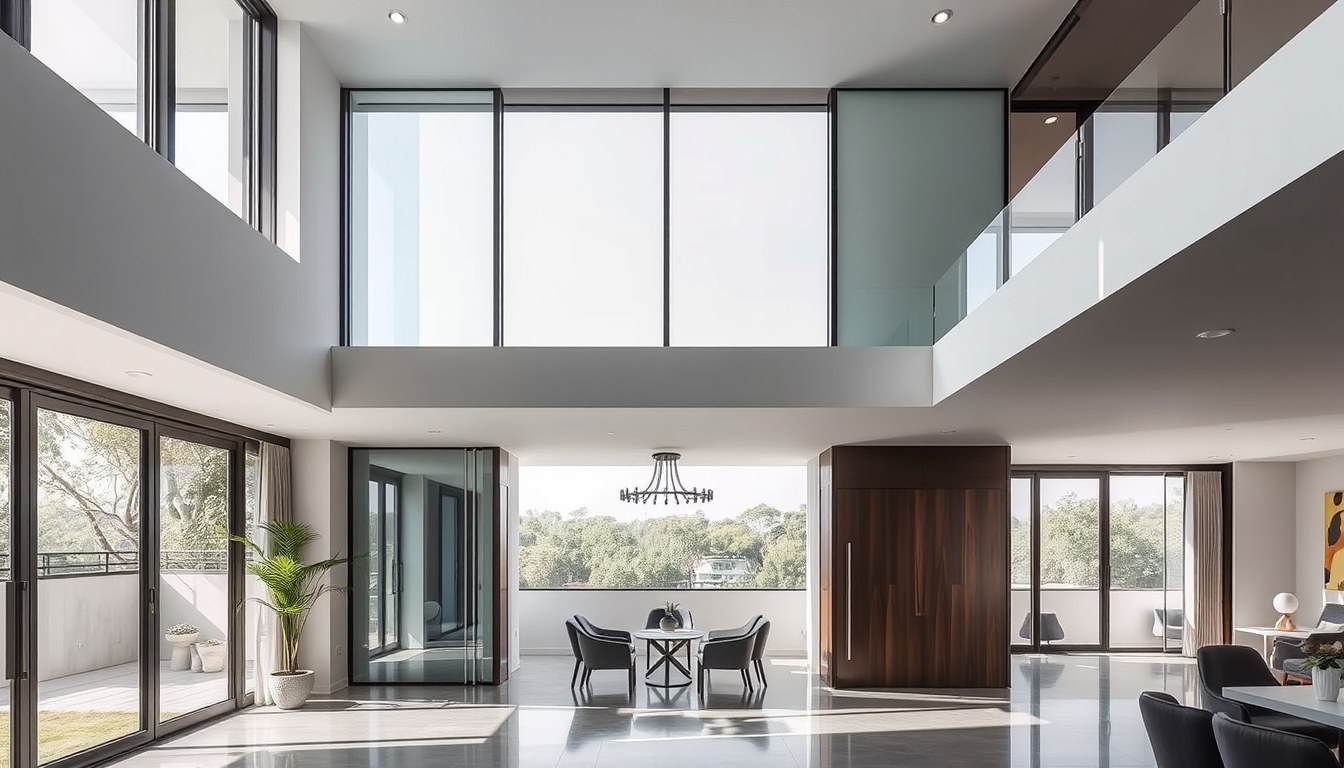
Bangalore's tropical climate means your air conditioning runs overtime, especially during peak summer months. Low-emissivity (low-E) glass coatings are a proven solution that reduces heat gain by up to 40% while maintaining natural light and visibility. In this guide, we'll break down the science behind low-E coatings, how they perform in Bangalore's specific climate, and the real financial savings you can expect.
What Is Low-E Glass Coating?
Low-emissivity glass is standard glass treated with a microscopically thin coating of metallic oxides—typically tin oxide, zinc oxide, or silver compounds. This coating is invisible to the naked eye but dramatically changes how glass interacts with infrared radiation and heat.
The coating works by allowing visible light to pass through while reflecting infrared (heat) radiation back outside. Think of it as a selective filter: it lets you see out clearly and enjoy natural daylight, but it bounces thermal energy away from your living spaces. This is fundamentally different from tinted or reflective glass, which blocks both light and heat indiscriminately.
Hard-Coat vs. Soft-Coat Low-E
There are two main types of low-E coatings available in India:
- Hard-coat (pyrolytic): Applied during glass manufacturing at high temperatures. More durable, resistant to scratching, and suitable for single-pane applications. Commonly used in India for cost-effective retrofits.
- Soft-coat (sputtered): Applied after manufacturing in a vacuum chamber. Offers superior thermal performance but requires protective glazing (typically used in double-glazed units). More expensive but increasingly popular in premium residential projects.
How Low-E Coating Reduces Heat in Bangalore Summers
Bangalore's summer temperatures regularly exceed 35°C, and without proper heat management, indoor temperatures can climb even higher. Low-E coatings address this by reflecting solar radiation before it enters your home.
The sun's energy reaches Earth in three forms: visible light (about 44%), infrared radiation (about 49%), and ultraviolet radiation (about 7%). Standard clear glass allows nearly all of this energy to pass through. Low-E coatings reflect 40–60% of infrared radiation, significantly reducing the cooling load on your air conditioning system.
Solar Heat Gain Coefficient (SHGC)
The effectiveness of low-E glass is measured by its Solar Heat Gain Coefficient (SHGC), a number between 0 and 1. A lower SHGC means less heat enters your home. Low-E coatings typically reduce SHGC from 0.86 (clear glass) to 0.25–0.40, depending on the coating type and glazing configuration.
For Bangalore, where cooling costs dominate your energy bill, an SHGC in the 0.25–0.35 range is ideal. This blocks maximum summer heat while still allowing adequate daylight and maintaining views.
Winter Warmth Retention & Year-Round Benefits
While Bangalore doesn't experience harsh winters, low-E coatings still provide measurable benefits during cooler months (November to February). The same reflective coating that keeps heat out in summer also reflects interior heat back inside during winter.
This is measured by the U-value (also called thermal transmittance). Standard clear glass has a U-value around 5.8 W/m²K, meaning significant heat loss through windows. Low-E glass reduces this to 1.5–2.5 W/m²K, depending on whether it's single or double-glazed. In double-glazed units with low-E coating, U-values can drop below 1.0, making windows nearly as insulating as walls.
For Bangalore residents, this translates to more consistent indoor temperatures year-round, reduced reliance on heating during cool nights, and better overall comfort.
Energy Savings & Cost-Benefit Analysis for Bangalore Homes
The financial case for low-E glass is strong, especially in Bangalore where air conditioning is a major household expense.
Typical Energy Savings
Homeowners in Bangalore can expect:
- 15–25% reduction in cooling costs if retrofitting existing windows with hard-coat low-E film
- 25–35% reduction if installing new double-glazed low-E windows
- Payback period of 5–8 years for new windows, depending on your current electricity tariff and usage patterns
At current Bangalore electricity rates (approximately ₹8–10 per kWh), a typical 1,500 sq. ft. apartment using 500 kWh monthly for cooling could save ₹600–1,500 per month with low-E windows. Over a year, that's ₹7,200–18,000 in direct cooling cost reduction.
Installation Costs
Low-E glass costs vary based on type and application:
- Hard-coat low-E film (retrofit): ₹150–300 per sq. ft. installed
- Hard-coat low-E glass (new windows): ₹400–700 per sq. ft.
- Soft-coat low-E double-glazed units: ₹800–1,500 per sq. ft.
For a typical Bangalore home with 200 sq. ft. of window area, retrofitting with hard-coat low-E film costs ₹30,000–60,000, while new double-glazed low-E windows might cost ₹160,000–300,000. Given the monthly savings, the investment pays for itself within 5–8 years.
Installation & Maintenance Considerations
Low-E coatings require professional installation to ensure maximum performance. The coating must be applied uniformly and protected from moisture and scratching during and after installation.
Installation Process
For retrofitting existing windows, the process is straightforward: the glass is cleaned thoroughly, the low-E film or coating is applied, and the edges are sealed. For new windows, low-E glass is specified during manufacturing or assembly, ensuring the coating is protected within the glazing unit.
Maintenance
Low-E coatings are durable and require minimal maintenance. Clean them like regular windows using mild soap and soft cloths. Avoid abrasive cleaners or rough materials that could scratch the coating. Hard-coat low-E is more resistant to damage than soft-coat, making it ideal for homes where durability is a priority.
For premium installations, consider consulting with local architects like Yukta Interiors or Studio Anoma, who understand Bangalore's climate and can recommend appropriate low-E specifications for your home.
Low-E Glass vs. Other Heat Control Options
Bangalore homeowners have several options for reducing solar heat gain. Low-E glass stands out for combining effectiveness, aesthetics, and long-term value.
- Tinted glass: Blocks heat but also reduces visible light and views. Requires thicker glass for structural integrity. Less expensive initially but less effective than low-E.
- Reflective glass: Highly effective at blocking heat but creates a mirror-like appearance that many homeowners dislike. Reduces natural light significantly.
- External shading (blinds, awnings): Effective and flexible but requires manual operation or motorized systems. Can obstruct views and architectural aesthetics.
- Low-E glass: Invisible coating, maintains clarity and views, provides superior thermal performance, and adds long-term property value. Higher upfront cost but best overall performance.
Frequently Asked Questions
Does low-E coating reduce natural light in Bangalore homes?
No. Low-E coatings are specifically designed to allow visible light (about 70–80%) to pass through while reflecting infrared heat. You'll enjoy the same natural light as clear glass, but with less heat gain. The coating is invisible and doesn't create a tint or haze.
Can low-E coating be applied to existing windows in Bangalore?
Yes, hard-coat low-E film can be applied to existing windows as a retrofit. This is a cost-effective option for homeowners who don't want to replace entire windows. However, soft-coat low-E (which offers superior performance) requires new double-glazed units, as the coating is applied during manufacturing and must be protected within the glazing.
How much will low-E glass reduce my electricity bills in Bangalore?
Most Bangalore homeowners see 15–25% reduction in cooling costs with retrofit low-E film, or 25–35% with new double-glazed low-E windows. Actual savings depend on your current window area, orientation, shading, and usage patterns. A typical apartment might save ₹600–1,500 monthly during peak cooling season.
Is low-E coating durable in Bangalore's humid climate?
Yes. Hard-coat low-E is highly durable and resistant to humidity, moisture, and weathering. Soft-coat low-E is protected within sealed double-glazed units, making it equally durable. Both types are designed to last 20+ years with minimal maintenance. Clean them regularly with mild soap and soft cloths to maintain clarity.
What's the difference between low-E and regular tinted glass?
Tinted glass blocks both visible light and heat indiscriminately, reducing clarity and views while still allowing some heat through. Low-E coatings selectively reflect infrared radiation while allowing visible light to pass, preserving views and natural light while providing superior heat control. Low-E is more effective and aesthetically superior.
Conclusion: Invest in Low-E Glass for Long-Term Comfort & Savings
For Bangalore homeowners, low-E glass coatings represent one of the smartest investments in home energy efficiency. By reflecting summer heat while maintaining winter warmth, they reduce your cooling costs, improve comfort, and add lasting value to your property. Whether you're retrofitting existing windows or planning new construction, low-E glass delivers measurable returns in a city where air conditioning dominates household energy budgets.
Ready to explore low-E glass options for your Bangalore home? Browse verified glass suppliers, installers, and architects on glassy.in, India's largest glass-business directory. Find trusted professionals in your area who specialize in thermal insulation and energy-efficient glazing solutions.