
Glass Guides
Low-E Coated Glass for North-Facing Windows: Beat Winter Heat Loss
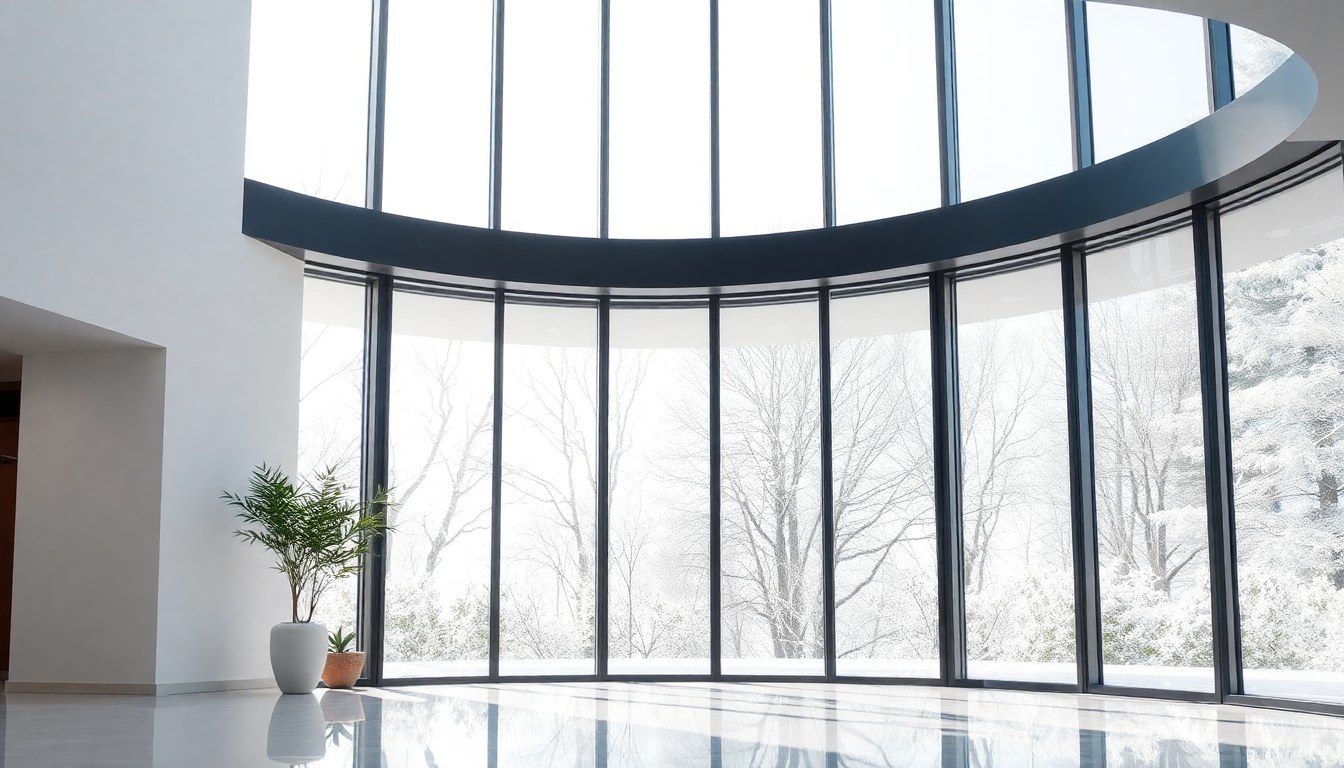
Winter in northern India brings plummeting temperatures and significant heat loss through windows—especially those facing north, which receive minimal direct sunlight. Low-emissivity (low-E) coated glass is a proven solution that reflects thermal radiation back into your home while maintaining clear visibility and natural light. This guide explains how low-E coatings work, why they matter for north-facing windows, and how to choose the right product for your Delhi, Himachal Pradesh, or Himalayan region home.
What Is Low-E Coating and How Does It Work?
Low-emissivity coating is a microscopically thin, transparent layer of metallic oxide applied to one surface of glass. This layer is invisible to the naked eye but acts as a thermal mirror, reflecting long-wave infrared radiation (heat) while allowing visible light and short-wave solar radiation to pass through.
The coating works by reducing the glass's emissivity—its ability to emit thermal radiation. Standard clear glass has an emissivity of around 0.84, meaning it radiates 84% of absorbed heat outward. Low-E glass reduces this to 0.05–0.10, cutting heat loss by up to 70% compared to uncoated glass. In winter, this means your indoor warmth stays inside rather than radiating through the window into the cold outdoors.
Types of Low-E Coatings
- Hard-coat (pyrolytic): Applied during glass manufacturing at high temperature. More durable, scratch-resistant, and suitable for both interior and exterior surfaces. Common in India.
- Soft-coat (sputtered): Applied after manufacturing in a vacuum chamber. Offers superior thermal performance but requires protective glazing (sealed in a sealed unit). More common in cold climates.
For north-facing windows in Indian homes, hard-coat low-E glass is typically preferred because it's robust, affordable, and performs well in moderate-to-cold winters without requiring complex installation.
Why North-Facing Windows Are Vulnerable to Heat Loss
North-facing windows receive little to no direct sunlight throughout the year, particularly in winter when the sun's path is low in the southern sky. This means they cannot rely on passive solar gain to offset heat loss—a luxury that south-facing windows enjoy. In cities like Delhi, Shimla, and Manali, winter temperatures often drop below 5°C, and uninsulated north-facing windows become thermal weak points.
A standard double-glazed window with clear glass loses roughly 2–3 watts per square meter per degree Celsius temperature difference. Over a 6-month winter season, this translates to thousands of rupees in wasted heating costs. Low-E coating directly addresses this by preventing radiative heat loss, the dominant mechanism of thermal escape through glass.
Homeowners and architects working on cold-climate projects—such as those engaged by firms like SDB architect in Delhi—increasingly specify low-E glass for north-facing facades to meet both comfort and energy-efficiency standards.
Benefits of Low-E Coated Glass for North-Facing Windows
Reduced Heating Costs
By reflecting indoor heat back into the room, low-E glass reduces the workload on heating systems. In winter, this can lower energy consumption by 10–20% in well-insulated homes. For a typical Delhi household, this translates to savings of ₹2,000–₹5,000 per heating season.
Improved Comfort
Windows without low-E coating feel cold to the touch in winter because they conduct heat away from the room. Low-E glass maintains a surface temperature closer to room temperature, eliminating drafts and cold radiation that make occupants uncomfortable near windows.
Maintained Visibility and Light
Unlike reflective films or heavy curtains, low-E coating is transparent. You retain clear views and natural daylight, which is psychologically important during long, dark winters and helps regulate circadian rhythms.
UV Protection
The same metallic oxide layer that blocks thermal radiation also filters 99% of ultraviolet light, protecting furnishings, artwork, and fabrics from fading—a long-term benefit that extends the life of interior décor.
Condensation Reduction
By keeping the inner glass surface warmer, low-E glass reduces the likelihood of condensation formation on windows during cold mornings. This prevents moisture damage, mold growth, and the need for constant wiping.
Selecting and Installing Low-E Glass for North-Facing Windows
Specification Considerations
When specifying low-E glass for north-facing windows in cold regions, consider the following:
- Solar Heat Gain Coefficient (SHGC): For north-facing windows, SHGC is less critical since solar gain is minimal. Focus on U-value instead.
- U-Value (Thermal Transmittance): Aim for U-values below 2.0 W/m²K. Low-E double-glazed units typically achieve 1.6–1.8 W/m²K. Triple-glazing with low-E coating can reach 0.8–1.2 W/m²K in premium applications.
- Visible Light Transmittance (VLT): Choose coatings with VLT above 70% to maintain brightness and outdoor views.
- Emissivity Rating: Select glass with emissivity of 0.05–0.10 for optimal performance.
Installation Best Practices
Low-E glass must be installed in sealed double or triple-glazed units to perform effectively. The coating should face the cavity (interior space) between panes, not the exterior, to trap heat inside. Always work with certified glaziers who understand proper spacer installation, sealant application, and frame insulation. In Delhi and Himachal Pradesh, interior designers and architects like A.V Brothers Interiors And Developers can recommend qualified installers in your region.
Cost Considerations
Low-E coated double-glazed units cost 20–40% more than standard clear glass units—roughly ₹600–₹1,200 per square meter, depending on coating type and glazing configuration. However, the payback period is typically 5–8 years through reduced heating bills, making it a sound long-term investment for homes in cold climates.
Low-E Glass in Indian Building Standards and Climate Zones
India's Energy Conservation Building Code (ECBC) and the Bureau of Energy Efficiency (BEE) guidelines recommend low-E glazing for buildings in cold climates (Himachal Pradesh, Uttarakhand, Jammu & Kashmir, and parts of Punjab and Haryana). Delhi, classified as a composite climate, benefits from low-E glass on north-facing and east-facing facades.
For architects and builders designing residential or commercial projects in these zones, specifying low-E glass aligns with national sustainability standards and can improve building energy ratings, which are increasingly important for property valuation and regulatory compliance.
Maintenance and Durability
Low-E coated glass requires no special maintenance beyond regular window cleaning. Hard-coat low-E glass is as durable as standard glass and resists scratching from normal use. Soft-coat low-E glass, though superior in thermal performance, is more delicate and should only be used in sealed glazing units where the coating is protected.
Most low-E coatings come with a 10–15 year warranty against delamination or degradation. When properly installed in sealed units, low-E glass performs reliably for 25+ years, matching the lifespan of the glazing unit itself.
Frequently Asked Questions
Does low-E glass reduce solar heat gain in summer?
Yes, low-E glass reduces both winter heat loss and summer heat gain. However, for north-facing windows in India, summer heat gain is negligible anyway. If you have south or west-facing windows, consider specifying low-E glass with a lower SHGC (0.30–0.40) to minimize summer cooling loads. Standard low-E coatings have SHGC around 0.50–0.60, which is acceptable for north-facing orientations.
Can low-E coating be applied to existing windows?
No, low-E coating is applied during glass manufacturing or in specialized coating plants. It cannot be applied to existing windows in the field. If you want to retrofit north-facing windows, you must replace them with pre-coated low-E units. This is a significant investment but worthwhile in cold climates.
Is low-E glass worth the extra cost in Delhi?
Delhi's winters are moderate compared to Himachal Pradesh or Kashmir, but low-E glass still delivers measurable savings—approximately 10–15% reduction in heating energy use. If you spend ₹50,000 annually on heating, you could save ₹5,000–₹7,500 per year. With a payback period of 5–8 years, it's a solid investment, especially if you plan to stay in the home long-term.
What's the difference between low-E glass and double-glazing?
Double-glazing refers to two panes of glass separated by an air or gas-filled cavity. Low-E coating is a surface treatment applied to one or both panes within a double or triple-glazed unit. The combination—low-E coated double-glazing—provides superior thermal performance compared to either technology alone.
Does low-E glass affect natural light and views?
No, quality low-E coatings are nearly invisible and do not significantly reduce visible light transmission. You'll notice no difference in brightness or outdoor views compared to standard glass. Some low-E coatings have a subtle greenish or bluish tint when viewed at an angle, but this is barely perceptible and does not affect indoor lighting.
Conclusion: Invest in Thermal Comfort
Low-E coated glass is a proven, cost-effective solution for reducing winter heat loss through north-facing windows in Indian homes. Whether you're building in Delhi, Shimla, or any cold-climate region, specifying low-E glass on north-facing and shaded orientations will improve comfort, lower energy bills, and align your project with national energy standards. Architects and interior designers working on residential or commercial projects should consult with certified glazing suppliers and installers to ensure proper specification and installation. Visit glassy.in, India's largest glass-business directory, to connect with verified glass suppliers, architects, and installers in your region who can guide you through selecting and installing the right low-E glass solution for your home or project.