
Glass Guides
Glass Skylight Installation: Cost, Safety Standards & Weather Protection in India
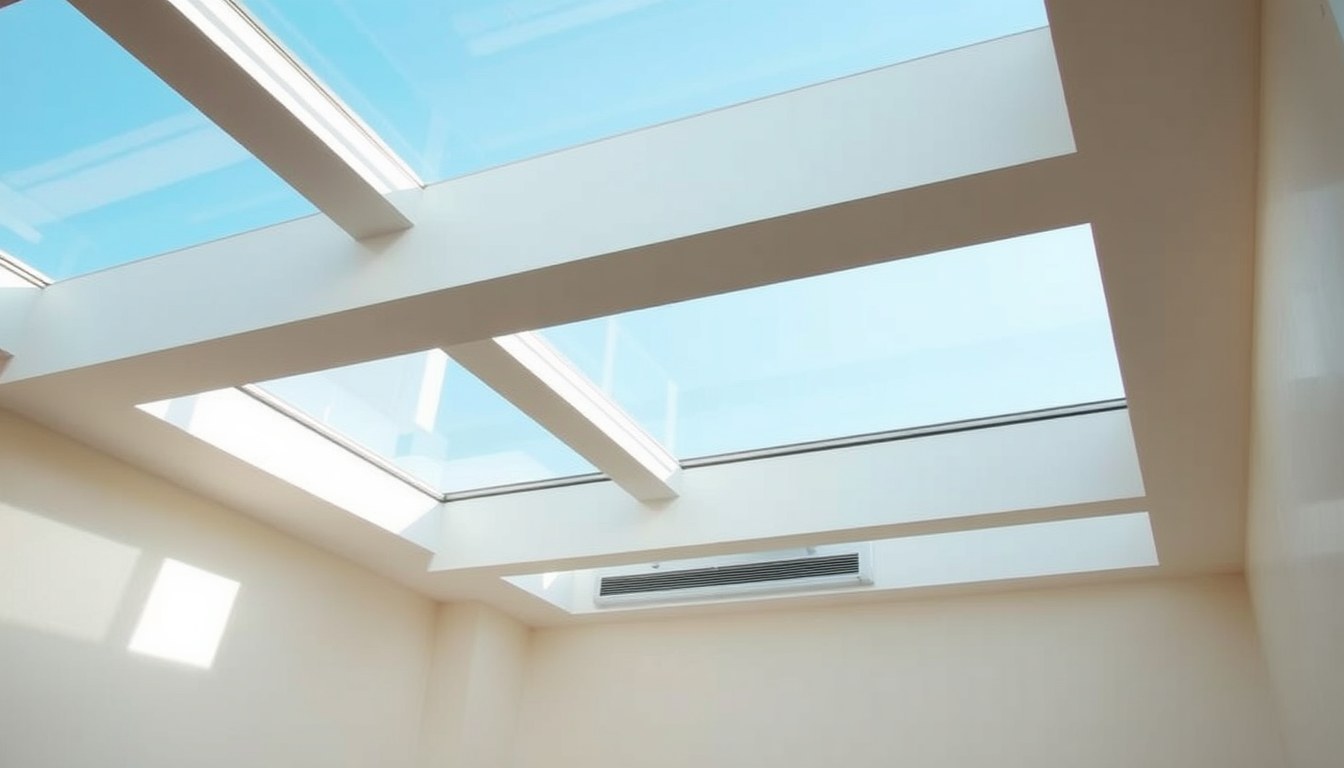
Glass skylights transform indoor spaces by flooding them with natural light, but installation in India requires careful planning around monsoon seasons, structural integrity, and adherence to building regulations. Whether you're adding a skylight to a residential property in Mumbai, Bangalore, or Delhi, understanding the cost implications, safety standards, and weatherproofing measures is essential for a successful installation that lasts decades.
Understanding Glass Skylight Installation Costs in India
The cost of installing a glass skylight in India varies significantly based on size, material quality, location, and structural modifications required. For a standard residential skylight measuring 1.2m × 1.2m, you can expect installation costs ranging from ₹35,000 to ₹85,000, including materials and labor. Premium options with double-glazing, UV-protective coatings, and motorized opening mechanisms can push costs to ₹1,20,000 or higher.
Labor costs differ across Indian cities. In metropolitan areas like Bangalore and Pune, skilled glass installation technicians charge ₹500 to ₹800 per hour, while in tier-2 cities, rates typically range from ₹300 to ₹500 per hour. The complexity of your roof structure—whether it's concrete, tiled, or wooden—directly impacts labor requirements and final expenses. Additional costs include structural reinforcement (₹15,000 to ₹40,000), waterproofing materials (₹8,000 to ₹20,000), and potential electrical work for motorized variants.
Cost Breakdown Components
- Glass panel: ₹20,000 to ₹50,000 depending on size and coating
- Frame and fixtures: ₹8,000 to ₹25,000 (aluminum or steel)
- Labor and installation: ₹10,000 to ₹30,000
- Waterproofing sealants: ₹5,000 to ₹15,000
- Structural modifications: ₹15,000 to ₹40,000 (if needed)
- Permits and inspections: ₹2,000 to ₹5,000
Safety Standards and Building Code Compliance
India's National Building Code (NBC) and local municipal building bylaws regulate skylight installation to ensure structural safety and occupant protection. Before installation, obtain approval from your local municipal corporation or gram panchayat. Most jurisdictions require structural drawings, engineer certification, and proof of materials compliance with Indian Standards (IS).
The skylight frame must comply with IS 2062 (structural steel) or IS 733 (aluminum alloy) standards, ensuring adequate load-bearing capacity. Glass panels should meet IS 2553 (safety glass) requirements, particularly toughened or laminated glass that prevents shattering during earthquakes or impact. Many Indian cities now mandate that skylights in residential buildings include safety glass to protect occupants from injury.
Key Safety Requirements
- Minimum structural load capacity: 1.5 kN/m² (dead load) plus 1.5 kN/m² (live load)
- Toughened or laminated glass with safety certification
- Proper framing that distributes weight evenly across roof beams
- Emergency escape provisions for skylights larger than 2m²
- Fall protection during installation (workers must use harnesses)
- Electrical grounding for motorized skylights
Monsoon Waterproofing: Critical for Indian Climates
India's monsoon season presents the greatest challenge to skylight longevity. Heavy rainfall, wind-driven moisture, and temperature fluctuations can cause leaks if waterproofing is inadequate. The installation must create a complete water-tight seal between the glass frame and roof structure, using multiple layers of protection rather than relying on a single sealant.
The waterproofing strategy should include a primary seal using polyurethane or silicone sealant, a secondary backup seal, and a tertiary drain system to direct any water that penetrates the first two layers safely away from interior spaces. In coastal areas or regions with extreme rainfall (like Kerala or Assam), additional precautions such as external aluminum flashing and internal drip trays are essential.
Waterproofing Installation Process
- Structural opening preparation: Ensure the roof opening is slightly larger than the frame, with a gentle slope for water drainage
- Primary seal installation: Apply premium-grade polyurethane sealant (minimum 10mm width) around the frame perimeter
- Flashing installation: Install aluminum or stainless steel flashing that overlaps the roof material and skylight frame
- Secondary sealant layer: Apply a second bead of sealant over the flashing-frame junction
- Interior drip edge: Install a drip tray or gutter inside to catch any water that penetrates outer seals
- Caulking and finishing: Seal all fastener holes and apply final weatherproofing coat
Regular maintenance during and after monsoon season is critical. Inspect sealants annually, clear debris from drip trays, and address any visible cracks or deterioration immediately. Many homeowners in high-rainfall areas apply a protective membrane coating every 3-5 years to extend the waterproofing lifespan.
Structural Requirements and Load Calculations
Before installation, a structural engineer must assess your roof's ability to support the skylight. The assessment considers the roof material (concrete, wood, or composite), beam spacing, existing structural damage, and the skylight's weight and size. In India, where many older buildings have aging wooden roof structures, this assessment is particularly important.
A typical glass skylight weighs 40-80 kg, but the frame and fixtures add another 20-40 kg. The concentrated load must be distributed across multiple roof beams or reinforced with steel support structures. In some cases, additional columns or bracing below the roof may be necessary, adding ₹15,000 to ₹40,000 to the project cost.
Common Structural Modifications
- Concrete roof: Cutting and reinforcing opening with steel bars (₹10,000-₹25,000)
- Wooden roof: Adding steel beams or trusses to redistribute load (₹20,000-₹40,000)
- Tiled roof: Removing tiles, reinforcing underlying structure, and reinstalling (₹15,000-₹35,000)
- Flat roof: Minimal modification needed if beams are adequate (₹5,000-₹15,000)
Material Selection: Glass Types and Coatings
Choosing the right glass type is crucial for durability and performance in India's climate. Toughened (tempered) glass is the most popular choice for residential skylights because it's five times stronger than ordinary glass and shatters into small, harmless pellets rather than sharp shards. Laminated glass offers additional security and sound insulation by bonding two glass panes with a plastic interlayer.
For maximum energy efficiency and UV protection, consider low-emissivity (Low-E) coated glass or double-glazed units. These reduce heat gain during summer months, lowering air-conditioning costs, while maintaining warmth during winter. In India's hot climate, a reflective or solar-control coating can reduce interior temperatures by 5-10°C and cut cooling costs by 15-25%.
Glass Options Comparison
- Toughened glass: ₹600-₹1,200 per m², excellent safety, standard choice
- Laminated glass: ₹1,000-₹1,800 per m², enhanced security and sound dampening
- Double-glazed units: ₹2,000-₹4,000 per m², superior insulation, higher cost
- Solar-control coating: Add ₹300-₹600 per m² for heat reduction
- UV-protective coating: Add ₹200-₹400 per m² to prevent fading
Installation Process and Timeline
A typical residential skylight installation takes 3-7 days, depending on structural modifications needed. The process begins with obtaining municipal approval and scheduling a site inspection. Once approved, the contractor marks the opening, cuts through the roof material, reinforces the structure if necessary, installs the frame and glass, applies waterproofing, and finishes with interior trim and painting.
Weather conditions significantly impact the timeline. Installation should never occur during monsoon or heavy rainfall. The best seasons for skylight installation in India are October-November (post-monsoon) and March-April (pre-summer). If structural modifications are extensive, add 5-10 additional days to the schedule.
Maintenance and Long-Term Care
Proper maintenance ensures your skylight remains leak-free and functional for 20-30 years. Clean the glass quarterly to maintain transparency and inspect sealants every 6 months for cracks or deterioration. After monsoon season, check the interior drip tray for water accumulation and ensure drainage pathways are clear of debris.
Annual professional inspections (₹2,000-₹5,000) are recommended, particularly for older installations or those in high-rainfall regions. During these inspections, technicians check frame integrity, sealant condition, glass for microcracks, and flashing for corrosion. Resealing typically costs ₹5,000-₹12,000 and should be done every 5-10 years depending on climate exposure.
Frequently Asked Questions
What is the typical lifespan of a glass skylight in India?
A properly installed and maintained glass skylight lasts 20-30 years in India. The primary factors affecting lifespan are the quality of waterproofing, exposure to monsoon rainfall, and regular maintenance. Skylights in coastal areas or high-rainfall regions may require more frequent sealant replacement every 5 years rather than 10 years.
Do I need permission from the municipal corporation for skylight installation?
Yes, most Indian municipal corporations require approval before installing a skylight. You must submit structural drawings, engineer certification, and material specifications to your local building department. The approval process typically takes 2-4 weeks. Installing without permission can result in fines and mandatory removal of the skylight.
Can a skylight be installed on any roof type?
Skylights can be installed on concrete, wooden, tiled, and metal roofs, but structural requirements vary. Concrete roofs are easiest and least expensive to modify. Wooden roofs often require additional support beams, increasing costs. Tiled roofs require careful removal and reinstallation of tiles. Your structural engineer will assess feasibility and recommend appropriate modifications.
How much can a skylight reduce electricity costs in India?
A skylight can reduce daytime lighting needs by 50-70% in the room directly below, translating to 10-20% reduction in overall household electricity consumption. During summer, however, heat gain through the skylight may increase air-conditioning costs by 5-15%. Double-glazed or solar-control coated skylights minimize this heat gain and provide net energy savings of 10-15% annually.
What should I do if my skylight leaks during monsoon?
First, place buckets or trays to catch water and prevent interior damage. Document the leak location with photos. Contact your installation contractor immediately—most provide 1-2 years of warranty covering waterproofing failures. If the contractor is unavailable, a professional glass installation service can inspect the seal and apply emergency waterproofing (₹3,000-₹8,000) while you arrange permanent repairs.
Ready to brighten your home with a glass skylight? Browse certified skylight installers, glass suppliers, and structural engineers in your city on the glassy.in directory. Compare quotes, read customer reviews, and find trusted professionals who understand India's unique climate and building code requirements.