
Glass Guides
Glass Skylight Condensation: Why It Happens & Permanent Fixes
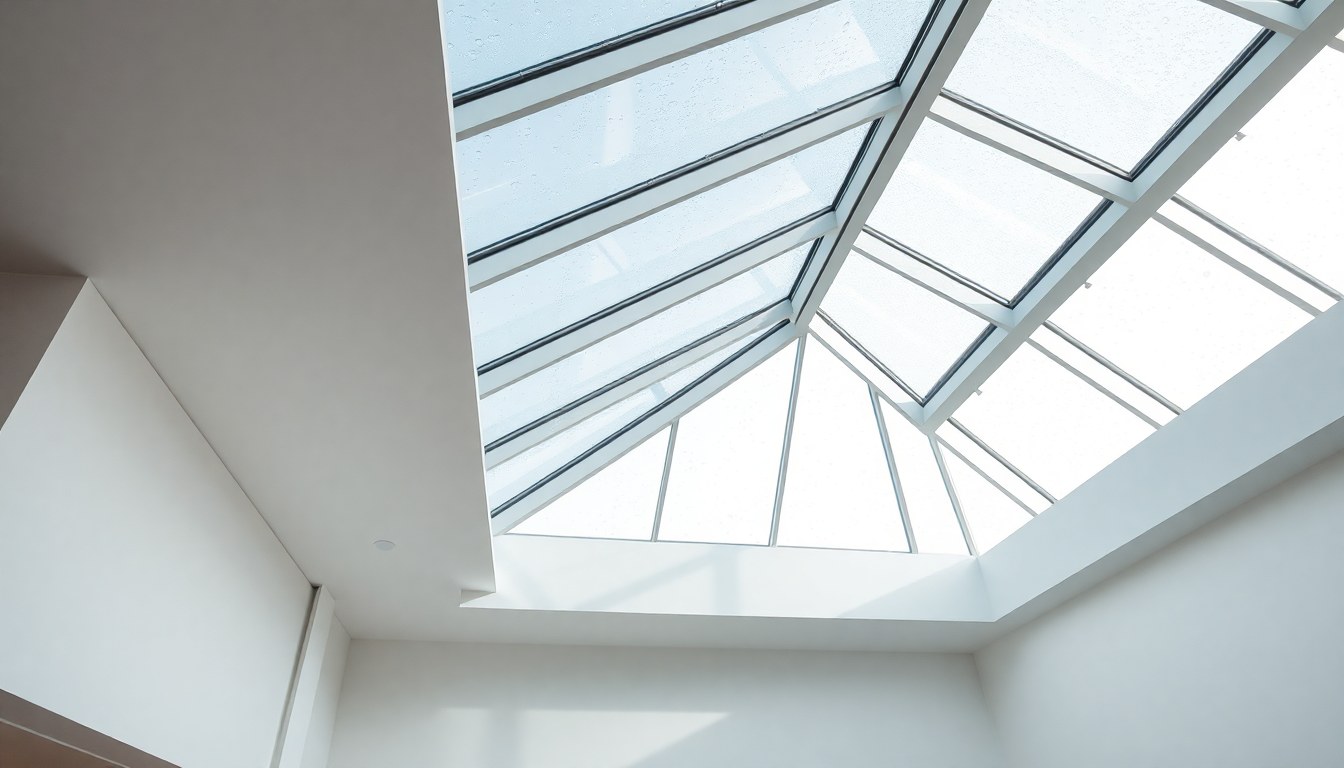
Condensation on skylights is one of the most frustrating problems homeowners face—it clouds your view, drips onto ceilings, and can lead to mold and structural damage if left unchecked. Whether you're dealing with interior fogging or exterior moisture buildup, the good news is that most skylight condensation problems have practical, cost-effective solutions. This guide walks you through the causes, diagnosis, and permanent fixes to keep your skylights crystal clear.
Why Skylight Condensation Forms: The Science Behind the Moisture
Condensation occurs when warm, moisture-laden air meets a cold surface. Skylights are particularly vulnerable because they're exposed to outdoor temperature extremes while sitting above heated indoor spaces. During winter, warm air from your home rises and hits the cold glass, causing water vapor to condense into visible droplets. In humid climates like coastal India or during monsoon season, this problem intensifies dramatically.
The physics is simple: every gram of air holds a maximum amount of moisture (called saturation point). When air cools, it can't hold as much moisture, so the excess condenses. A skylight with a temperature difference of 10–15°C between inside and outside can trigger condensation within minutes on high-humidity days.
- Interior condensation: Forms on the inside pane when indoor humidity is high and outdoor temperatures are low.
- Exterior condensation: Forms on the outside pane and typically dries quickly as the sun warms it.
- Between-pane condensation: Indicates a failed insulated glass unit (IGU) seal—a serious problem requiring replacement.
Diagnosing the Root Cause: Is It Ventilation or Glass Failure?
Before investing in repairs, identify whether your condensation is a ventilation issue or a glass failure. This distinction determines your solution and cost.
Interior Condensation (Ventilation Problem)
If moisture appears only on the inside surface of the skylight, your home likely has excess humidity. This is the most common scenario and the easiest to fix. Check for these signs:
- Condensation appears mainly in winter or during high-humidity periods.
- Moisture dries when you open windows or run exhaust fans.
- The skylight frame and surrounding ceiling stay dry.
- Multiple skylights show the same problem.
This pattern indicates your home's ventilation system isn't removing moisture fast enough. Kitchens, bathrooms, and laundry areas are the primary culprits.
Between-Pane Condensation (IGU Failure)
If moisture appears trapped between the two panes of glass, the seal has failed. You'll notice:
- Condensation that never fully dries, even on sunny days.
- A milky or hazy appearance inside the glass.
- Moisture visible along the edges or corners of the pane.
- The problem worsens over weeks or months.
A failed IGU loses its insulating properties and cannot be repaired—only replaced. This is a more expensive fix but necessary to restore thermal performance and prevent further damage.
Ventilation Solutions: The First Line of Defense
If your condensation is interior-surface only, improving air circulation and humidity control should resolve the issue within days.
Install or Upgrade Exhaust Fans
Bathrooms and kitchens generate the most moisture. Ensure these spaces have properly vented exhaust fans (not recirculating fans that blow air back into the home). Fans should run for at least 15–20 minutes after showers or cooking. In India, where many homes lack adequate ventilation, adding a quality exhaust fan costs ₹3,000–₹8,000 and provides immediate relief.
Improve General Air Circulation
Use ceiling fans and ensure interior doors remain open to allow air movement. Stagnant air pockets trap moisture. In multi-story homes, warm, humid air naturally rises toward skylights, so promoting downward air circulation helps. Open windows on opposite sides of your home for 10–15 minutes daily to create cross-ventilation, even in winter—the brief exposure to cold air helps dry indoor moisture.
Use Dehumidifiers
In high-humidity regions (coastal areas, monsoon zones), a standalone dehumidifier placed near the affected skylight can reduce interior moisture quickly. Modern units cost ₹8,000–₹20,000 and are especially effective during humid seasons. Some homeowners also use silica gel canisters in skylight frames as a low-cost, temporary solution.
Check Insulation and Air Sealing
Poor insulation around the skylight frame allows warm, humid air to reach the cold glass. Inspect the frame for gaps and seal them with weatherstripping or caulk. In older installations, inadequate insulation in the ceiling cavity around the skylight can be upgraded by a contractor—this is a moderate investment (₹5,000–₹15,000) but prevents long-term moisture damage.
When to Replace the Glass: Recognizing IGU Failure
If ventilation improvements don't resolve condensation within 2–3 weeks, or if you've confirmed moisture between panes, the insulated glass unit has failed and must be replaced.
Signs Your Skylight Glass Needs Replacement
- Condensation persists between glass panes despite dry indoor conditions.
- Thermal insulation has visibly reduced (you feel cold drafts or temperature swings).
- The glass has a permanent haze or cloudy appearance.
- The skylight is older than 10–15 years (typical IGU lifespan).
- Moisture has caused visible mold growth on the frame or ceiling.
Replacement Options and Costs
When replacing a skylight, you have several upgrade options. A standard double-glazed IGU replacement costs ₹15,000–₹35,000 depending on size and quality. For better performance, consider triple-glazed or low-emissivity (Low-E) glass, which reduces heat transfer and condensation risk—these cost ₹25,000–₹50,000 but offer superior insulation and lower energy bills over time.
Always hire a certified installer to ensure proper sealing and flashing, which prevents future leaks and condensation. Poor installation is a leading cause of premature IGU failure.
Long-Term Prevention: Best Practices for Clear Skylights
Once you've resolved the immediate condensation problem, these habits keep skylights clear year-round.
- Maintain consistent indoor humidity: Aim for 30–50% relative humidity. Use a hygrometer (₹500–₹1,500) to monitor levels.
- Run exhaust fans during and after moisture-generating activities: 20 minutes post-shower, 15 minutes during cooking.
- Ensure proper roof drainage: Clogged gutters trap moisture near the skylight. Clean gutters quarterly, especially before monsoon season.
- Inspect flashing and seals annually: Water intrusion around the frame can cause internal condensation. Address leaks immediately.
- Avoid blocking vents: Never cover soffit vents or exhaust outlets with insulation or debris.
- Use window treatments wisely: Heavy curtains or cellular shades trap cold air against the glass. Use light, breathable fabrics or open them during the day.
Frequently Asked Questions
Is skylight condensation dangerous?
Interior condensation alone isn't immediately dangerous, but prolonged moisture exposure can lead to mold growth, wood rot in the frame, and ceiling damage. Between-pane condensation indicates a failed seal and reduces the skylight's insulating ability, increasing heating and cooling costs. Address the problem within weeks to prevent structural damage.
Can I clean condensation off my skylight myself?
Yes, you can wipe interior condensation with a soft cloth daily as a temporary measure. However, this only treats the symptom, not the cause. Cleaning won't solve the underlying ventilation or seal failure issue. Focus instead on improving air circulation and humidity control.
How much does it cost to fix skylight condensation?
Ventilation improvements (exhaust fans, dehumidifiers, weatherstripping) cost ₹3,000–₹20,000. Full IGU replacement ranges from ₹15,000–₹50,000 depending on glass type and size. Hiring a professional installer adds ₹5,000–₹10,000. The total depends on whether you need ventilation fixes, glass replacement, or both.
Why does my skylight have condensation only in winter?
Winter condensation is normal when outdoor temperatures drop significantly. Cold glass combined with warm indoor air creates ideal condensation conditions. If it's severe, improve ventilation and insulation. If it persists into spring, suspect IGU failure.
Can I prevent skylight condensation with special coatings?
Anti-condensation coatings exist but are temporary solutions that wear off within months. They don't address root causes. Focus instead on ventilation and proper glass installation. Modern Low-E coatings on replacement glass help reduce condensation risk by maintaining higher surface temperatures on the interior pane.
Skylight condensation is frustrating but fixable. Start by diagnosing whether you're dealing with a ventilation issue or glass failure, then implement the appropriate solution. Most condensation problems resolve with better exhaust ventilation and humidity control—no expensive replacement needed. If between-pane moisture persists, invest in a quality IGU replacement to restore clarity and thermal performance. For professional guidance on skylight selection, repair, or replacement, explore trusted glass suppliers and installers on glassy.in, India's most comprehensive glass business directory.