
Glass Facades
Frameless Glass Shopfront Design: Maximizing Display & Street Appeal
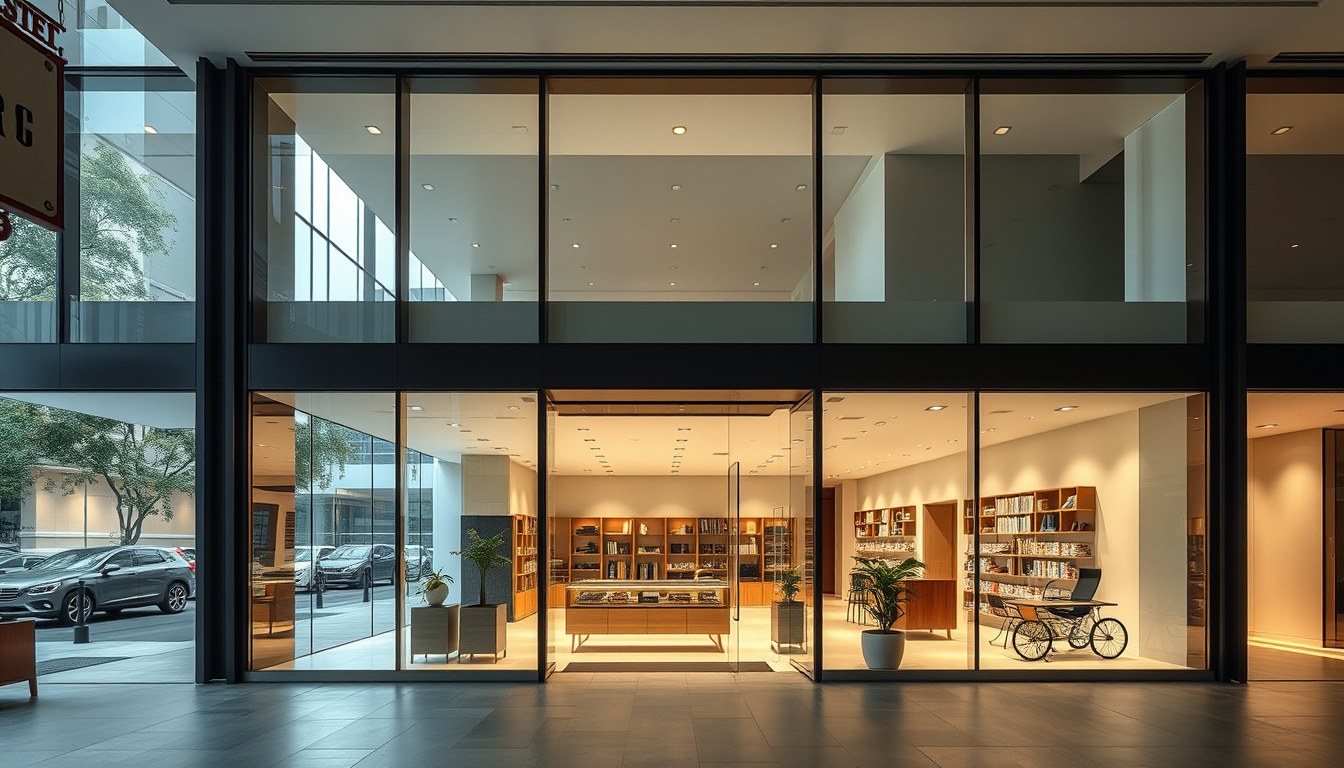
A frameless glass shopfront is more than just a window—it's your retail brand's first handshake with potential customers. By eliminating visible frames and mullions, you create an unobstructed sightline that showcases merchandise, draws foot traffic, and communicates premium positioning. This guide covers the design principles, material specifications, and installation best practices that make frameless glass shopfronts work effectively in Indian retail environments.
Understanding Frameless Glass Shopfront Architecture
Frameless glass shopfronts rely on toughened (tempered) glass panels as structural elements rather than infill material. Unlike traditional framed systems where aluminum or steel mullions carry loads, frameless designs distribute weight through the glass itself, creating a seamless, transparent envelope. The absence of frames maximizes the visible merchandise area—sometimes by 20–30% compared to conventional storefronts—and eliminates visual clutter that can distract from your display.
The structural integrity of a frameless system depends on careful engineering. Glass thickness typically ranges from 10 mm to 12 mm for single-pane applications, with 12 mm being standard for ground-level retail in high-traffic zones. For larger spans or upper-floor installations, laminated glass (combining two panes with an interlayer) is often specified to improve safety and sound insulation while maintaining the frameless aesthetic.
Glass Specifications for Retail Shopfronts
- Toughened glass: Heat-treated to 5–10 times the strength of annealed glass; mandatory for safety in public-facing retail environments.
- Laminated glass: Two or more panes bonded with polyvinyl butyral (PVB) interlayer; resists breakage and dampens sound.
- Low-iron glass: Reduces greenish tint, improving color accuracy for product display—especially valuable for jewelry, fashion, and cosmetics retail.
- Thickness: 10 mm minimum for small spans; 12 mm recommended for spans exceeding 1.2 m or high-impact zones.
Maximizing Sightlines and Visual Impact
The primary advantage of frameless design is unobstructed visibility into your retail space. A customer walking past your shopfront should see products, lighting, and interior ambiance without visual interruption. This requires thoughtful display layout: position high-value or eye-catching items at eye level (approximately 1.4–1.7 m from ground), use interior lighting strategically to highlight merchandise, and avoid cluttering the window with signage or promotional materials that block views.
Sightline optimization also extends to the structural supports. Frameless systems often use minimal framings at the top and bottom—these are typically 100–150 mm deep and should be positioned just beyond the natural viewing angle. Some premium installations use glass-to-glass connections with stainless steel or aluminum brackets hidden behind the glass plane, further reducing visual obstruction.
Lighting Considerations for Frameless Shopfronts
Proper lighting transforms a frameless shopfront from a simple display window into a compelling retail attraction. LED strip lights mounted above the top framing or inside the soffit create a halo effect that draws attention. Interior spotlights positioned to avoid direct reflection on the glass surface illuminate products without creating glare that deters customers from looking in.
During evening hours, well-lit shopfronts act as beacons in commercial streets. Consider installing dimmable LED systems that allow you to adjust intensity based on time of day or seasonal campaigns. This flexibility is particularly valuable in Indian malls and high streets, where foot traffic patterns shift throughout the day.
Anti-Reflective Coatings and Glass Clarity
One challenge with large glass surfaces is reflection. On bright days or under strong artificial lighting, reflections can obscure the view into your shopfront, reducing its effectiveness as a display window. Anti-reflective coatings address this by reducing surface reflectance from typically 8% per pane to 1% or less. The result is dramatically improved clarity and color fidelity for displayed merchandise.
Anti-reflective coatings are applied during the glass manufacturing process and are permanent. They work by creating a thin, multi-layer optical coating that cancels out reflected light through destructive interference. For retail applications, single-sided coatings on the outer surface are standard. Costs are typically 15–25% higher than uncoated glass, but the investment pays dividends in customer perception and sales impact.
Types of Coatings Available
- Standard anti-reflective: Reduces reflectance across the visible spectrum; suitable for most retail applications.
- Selective coatings: Can reduce heat transmission while maintaining clarity; useful for shopfronts exposed to afternoon sun in Indian climates.
- Self-cleaning coatings: Hydrophobic surfaces that reduce water spotting and dust adhesion—beneficial in urban environments with high pollution or seasonal dust storms.
Structural Design and Safety Compliance
Frameless glass shopfronts must comply with Indian Standards (IS 4099 for safety glass, IS 2553 for tempered glass) and local building codes. The design must account for wind loads, impact resistance, and thermal stress. In cities like Mumbai, Chennai, or Kolkata, wind load calculations are critical. A structural engineer should verify that the glass thickness, fixing method, and support system can withstand expected wind pressures without deflection or failure.
Impact resistance is another key consideration. Ground-level shopfronts in high-traffic areas should use laminated glass or thicker toughened glass to resist accidental impacts from pedestrians, vehicles, or goods being moved. Many retailers in Indian metros also specify impact-resistant film or protective barriers at the base (up to 1 m height) as an additional safeguard.
Fixing and Support Systems
Frameless glass is typically fixed using:
- Patch fittings: Small stainless steel brackets that clamp the glass at corners and edges; create minimal visual obstruction.
- Continuous channels: Aluminum or stainless steel U-channels at top and bottom that support the full width of the glass; more robust for large spans.
- Structural silicone: High-strength adhesive bonding between glass and frame; used in premium installations to eliminate visible fixings.
- Frameless glass doors: Pivot hinges or floor-mounted systems that allow seamless entry without interrupting the glass plane.
Installation Best Practices for Indian Climates
Successful frameless shopfront installation requires attention to local climate conditions. In India's diverse climates—from humid coastal regions to dry interiors—glass and fixings must be specified accordingly. Stainless steel (grade 304 or 316) is preferable to mild steel for all fixings, as it resists corrosion from salt spray, pollution, and humidity.
During installation, proper sealing is essential. All joints between glass, frame, and building structure should be sealed with high-quality silicone sealant (ISO 11600 standard, F or G grade for movement accommodation). This prevents water ingress, which can lead to staining, corrosion, and structural deterioration. In monsoon-prone regions, additional waterproofing measures—such as drip edges or sloped sills—are recommended.
Thermal movement is another consideration. Glass expands and contracts with temperature changes; inadequate allowance for this movement can cause cracking or seal failure. Frameless systems should be designed with minimum 10 mm clearance at edges and 20 mm at joints to accommodate seasonal and diurnal temperature variations. This is particularly important in inland cities with large temperature swings.
Maintenance and Longevity
Frameless shopfronts require regular maintenance to retain their visual impact. Weekly cleaning with appropriate glass cleaners removes dust, fingerprints, and atmospheric deposits that accumulate in urban environments. In high-pollution areas, more frequent cleaning may be necessary. Self-cleaning coatings can reduce maintenance frequency, though they do not eliminate the need for periodic professional cleaning.
Inspect seals and fixings annually for signs of deterioration. Stainless steel fixings should remain corrosion-free, but silicone sealants degrade over time and may need replacement every 7–10 years depending on climate exposure. Prompt maintenance extends the life of your shopfront and maintains its premium appearance.
Cost Considerations and ROI
Frameless glass shopfronts are a premium investment, typically costing ₹3,500–₹6,500 per square meter installed, depending on glass specification, coating options, and structural complexity. A typical retail shopfront of 3 m × 2.5 m (7.5 m²) can range from ₹26,000 to ₹49,000. This is 30–50% higher than conventional framed systems, but the investment yields returns through improved customer perception, increased foot traffic, and enhanced merchandise visibility.
Many retailers find that the improved display impact justifies the premium cost, particularly in high-value retail categories such as jewelry, luxury goods, fashion, and cosmetics. The frameless aesthetic also signals premium positioning and quality, which can support higher pricing and brand perception.
Frequently Asked Questions
What is the minimum glass thickness for a frameless shopfront?
The minimum thickness is 10 mm toughened glass for small spans (under 1 m width). For spans exceeding 1.2 m or locations with high wind loads or impact risk, 12 mm toughened or laminated glass is recommended. Always consult a structural engineer to confirm thickness based on your specific location and building conditions.
Do frameless shopfronts require anti-reflective coating?
Anti-reflective coating is not mandatory but is highly recommended for retail applications. It significantly improves clarity and reduces glare, making merchandise more visible and attractive to customers. The cost is typically 15–25% higher, but most retailers find the improved visual impact justifies the investment.
How often should a frameless glass shopfront be cleaned?
Weekly cleaning with appropriate glass cleaners is standard practice. In high-pollution urban areas or near coastal regions, more frequent cleaning may be necessary. Self-cleaning coatings reduce maintenance frequency but do not eliminate the need for periodic professional cleaning.
Are frameless shopfronts safe in high-traffic retail areas?
Yes, when properly specified and installed. Toughened glass is significantly stronger than annealed glass and is mandatory for safety. Laminated glass adds additional impact resistance. For ground-level shopfronts in very high-traffic areas, impact-resistant film or protective barriers at the base (up to 1 m height) provide extra protection.
What maintenance is required for frameless shopfront fixings?
Stainless steel fixings require minimal maintenance beyond regular cleaning. Silicone sealants should be inspected annually and replaced every 7–10 years depending on climate exposure. In coastal or high-pollution areas, more frequent inspections are advisable to catch any early signs of deterioration.
Transform Your Retail Presence Today
A frameless glass shopfront is an investment in your retail brand's visual impact and customer experience. Whether you're planning a new store opening or upgrading an existing shopfront, the design principles and best practices outlined here will guide you toward a solution that maximizes display appeal while ensuring structural integrity and longevity. Explore the glassy.in directory to connect with experienced glass fabricators and installers across India who specialize in frameless shopfront systems and can help bring your retail vision to life.