
Glass Guides
Fluted Glass vs Reeded Glass: Design, Durability & Cost Comparison
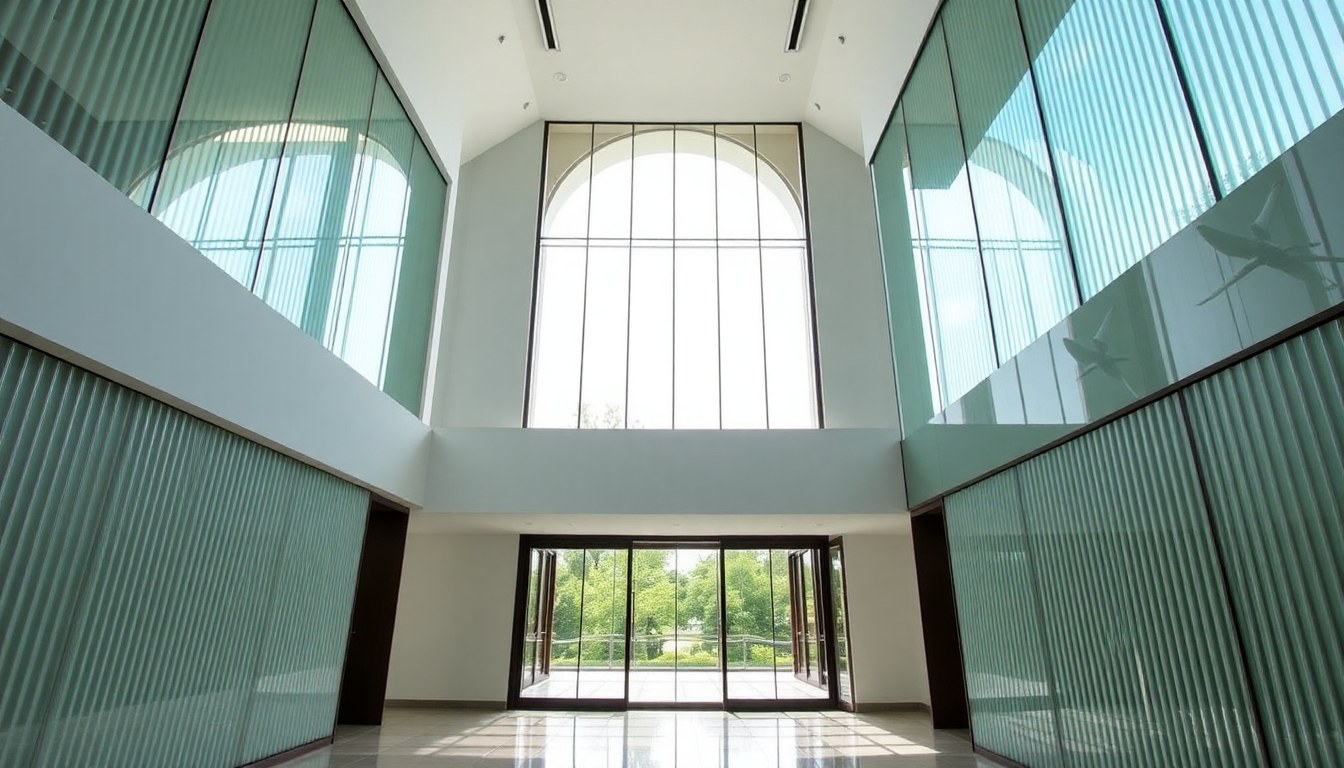
When privacy and aesthetic appeal matter equally, fluted and reeded glass emerge as two of the most popular textured glass options in India. Both create visual interest while obscuring views, but they differ significantly in pattern direction, light behavior, maintenance demands, and cost. Understanding these differences helps you choose the right solution for your home, office partition, or storefront.
What Are Fluted and Reeded Glass?
Fluted glass features vertical ridges or grooves that run parallel down the surface, creating a linear striped appearance. These grooves are typically uniform in depth and spacing, giving the glass a sleek, modern look. The pattern is created during manufacturing by pressing molten glass against a textured mold.
Reeded glass, by contrast, displays a similar ridge pattern but with finer, more closely spaced grooves. Some manufacturers use the terms interchangeably, though reeded glass often refers to a more refined, delicate version of fluting. The reeds create a subtler visual effect while still providing excellent privacy and light diffusion.
- Fluted glass: Wider, more pronounced grooves; bolder aesthetic
- Reeded glass: Finer, densely packed grooves; softer, more refined appearance
- Both: Directional texture; vertical or horizontal orientation options
Design and Aesthetic Differences
The visual impact of fluted versus reeded glass depends largely on groove width and spacing. Fluted glass makes a stronger design statement, with grooves typically 2–4 mm wide and clearly visible from both near and far. This bold texture works well in contemporary interiors, modern office spaces, and where you want the textured glass to be a focal point rather than merely functional.
Reeded glass offers a more understated elegance. The finer grooves—often 1–2 mm wide—create a gentle visual texture that softens light without dominating the space. This makes reeded glass ideal for traditional homes, heritage properties, and settings where you prefer privacy without architectural drama.
Light Diffusion Patterns
Both options scatter and diffuse light, but the effect differs. Fluted glass creates more pronounced shadow lines and a stronger directional light pattern, especially in strong sunlight. Reeded glass produces a softer, more uniform diffusion with gentler shadow gradations, making it ideal for spaces where you want consistent ambient light without harsh striations.
Privacy and Functionality
Both fluted and reeded glass provide excellent privacy by obscuring details while still allowing light transmission. The effectiveness depends on groove depth, spacing, and viewing angle. Deeper, wider grooves (as in fluted glass) offer slightly better obscuration, while reeded glass still prevents clear visibility at normal distances despite its finer pattern.
For bathroom windows, office partitions, and entrance doors, both options work equally well. The choice comes down to the privacy level you need and your aesthetic preference. If you require maximum privacy with minimal light loss, opt for fluted glass with deeper grooves. For moderate privacy with a softer appearance, reeded glass excels.
- Obscures details and silhouettes effectively
- Maintains natural light transmission (70–85% depending on depth)
- Works well for ground-floor windows and office partitions
- Prevents people from seeing clearly in or out
Durability, Maintenance, and Longevity
Fluted and reeded glass are equally durable in terms of structural integrity. Both are tempered or annealed depending on application, and both resist thermal stress and impact similarly. The real difference lies in maintenance—and this is where groove spacing matters significantly.
Fluted glass, with wider grooves, is easier to clean because dust and dirt accumulate less densely. A simple wipe with a microfiber cloth or squeegee removes most debris. Reeded glass, with finer, closely spaced grooves, requires more careful cleaning. Dust settles deeper in the grooves, and you may need a soft brush or specialized cleaning tool to reach all crevices without scratching the glass.
Cleaning and Maintenance Tips
For fluted glass, use a standard glass cleaner and a soft cloth. The wider grooves allow easy access, and you can clean quickly without worry. For reeded glass, use a soft-bristled brush with your cleaner, working gently along the groove direction. Avoid abrasive pads that could scratch the delicate ridges. In high-moisture areas like bathrooms, regular cleaning prevents mineral deposits from building up in the grooves.
Both types resist discoloration and degradation over 15–20+ years when properly maintained. Tempered versions are more impact-resistant and suitable for high-traffic areas or homes with children and pets.
Cost Comparison and Pricing in India
Pricing for fluted and reeded glass varies based on glass thickness, quality, and supplier, but they typically fall in similar price ranges. In India, basic fluted glass panels (6 mm) cost approximately ₹400–₹800 per square foot, while reeded glass ranges from ₹450–₹900 per square foot. The slight premium for reeded glass reflects the finer manufacturing precision required.
Tempered versions of both cost 20–40% more than annealed glass. Custom sizes, special tints, or laminated options add further to the price. Bulk orders from suppliers in Delhi, Mumbai, Bangalore, or Chennai often come with discounts of 10–15%.
Cost Factors to Consider
- Glass thickness: 4 mm, 6 mm, or 8 mm affects price and durability
- Tempering: Adds ₹100–₹200 per square foot for safety
- Size and shape: Custom cuts increase labor and material costs
- Quantity: Bulk purchases reduce per-unit cost significantly
- Delivery and installation: Factor in logistics, especially for large orders
Best Use Cases: When to Choose Each
Choose Fluted Glass for: Modern homes and offices seeking a bold design statement, spaces where maintenance ease is a priority, commercial storefronts wanting contemporary appeal, and areas where maximum privacy with dramatic aesthetics matters. The pronounced grooves make it ideal for feature walls and statement partitions.
Choose Reeded Glass for: Traditional and heritage-style homes, spaces requiring subtle elegance over boldness, areas where consistent light diffusion is preferred, and settings where fine detailing aligns with the overall design language. Reeded glass suits classic interiors, libraries, and upscale residential applications.
For bathrooms, both work equally well—fluted if you prefer modern style, reeded if you prefer traditional. For office partitions, fluted glass reads more contemporary, while reeded suits corporate environments valuing refined aesthetics. Kitchens benefit from fluted glass's easier cleaning, while living rooms often suit reeded glass's softer appearance.
Installation and Customization Options
Both fluted and reeded glass can be installed in standard frames, sliding doors, fixed partitions, and decorative panels. Customization options include orientation (vertical or horizontal grooves), tint (clear, frosted, or colored), and framing materials (aluminum, wood, or steel). Horizontal grooves create a different visual rhythm than vertical ones, so consider room proportions when deciding direction.
Professional installation is recommended to ensure proper sealing, especially in bathrooms and areas exposed to moisture. Many glass suppliers across India offer installation services, often included in bulk orders. Always request a site survey before finalizing dimensions and specifications.
Frequently Asked Questions
Is reeded glass the same as fluted glass?
While the terms are sometimes used interchangeably, reeded glass typically has finer, more closely spaced grooves compared to fluted glass's wider ridges. Both provide privacy and light diffusion, but they create different visual effects and have slightly different maintenance requirements.
Which is easier to clean—fluted or reeded glass?
Fluted glass is easier to clean because its wider grooves don't trap dust as deeply. Reeded glass requires a soft brush to reach the finer grooves without scratching. For high-maintenance-averse homeowners, fluted glass is the practical choice.
Does fluted or reeded glass cost more?
Reeded glass typically costs 10–15% more than fluted glass due to the precision required in creating finer grooves. However, both fall within similar budget ranges. Tempered versions of either add 20–40% to the base price. Bulk orders and local suppliers can reduce costs significantly.
Can I use fluted or reeded glass in a bathroom?
Yes, both work excellently in bathrooms for privacy and moisture resistance. Ensure you choose tempered glass for safety and seal all edges properly to prevent water infiltration. Reeded glass may require more frequent cleaning in humid environments to prevent mineral buildup.
Which provides better privacy—fluted or reeded glass?
Fluted glass offers marginally better privacy due to deeper grooves, but the difference is minimal in practical terms. Both effectively obscure details and silhouettes at normal viewing distances. Choose based on your aesthetic preference rather than privacy alone.
Finding the right textured glass for your space requires balancing design goals, maintenance tolerance, and budget. Whether you choose fluted or reeded glass, both deliver privacy, light diffusion, and lasting durability. Explore options from trusted glass suppliers on glassy.in, India's largest glass-business directory, to connect with manufacturers and installers near you and get competitive quotes for your project.