
Toughened Glass
Toughened Glass vs Borosilicate Glass: Which Is Safer for Kitchen Splashbacks?
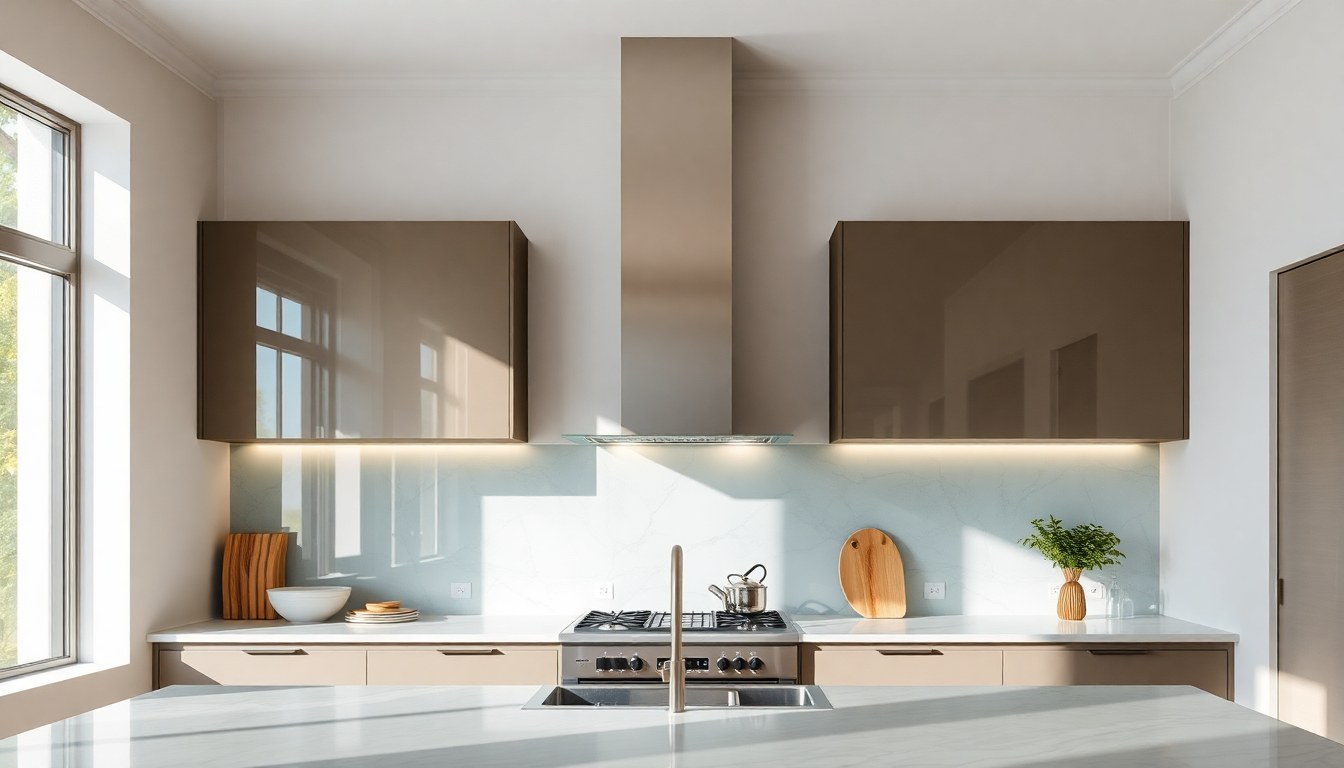
When renovating your kitchen, selecting the right splashback material can make the difference between a beautiful, durable surface and one that cracks under stress. Both toughened glass and borosilicate glass are popular choices, but they perform very differently in high-heat environments. This guide compares their heat resistance, safety certifications, and real-world durability to help you make an informed decision for your home.
Understanding Toughened Glass for Kitchen Use
Toughened glass, also called tempered glass, undergoes a heating and rapid cooling process that creates internal stress. This manufacturing method makes it four to five times stronger than ordinary annealed glass, and when it does break, it shatters into small, relatively harmless granules rather than sharp shards. This safety feature is why toughened glass is widely used in automotive windows and glass doors across India.
For kitchen splashbacks, toughened glass offers excellent impact resistance and a sleek, modern appearance. It's available in various colors, patterns, and finishes, making it a versatile design choice. However, there's an important limitation: toughened glass has a lower melting point than borosilicate glass, typically around 230°C, which can be problematic in direct heat zones near gas stoves or ovens.
Heat Resistance Limits of Toughened Glass
The rapid cooling process that strengthens toughened glass also makes it sensitive to sudden temperature changes. Placing a hot pan directly against a toughened glass splashback, or exposing it to sustained heat above 230°C, can cause thermal shock—a condition where the glass contracts and expands unevenly, leading to spontaneous cracking. Many kitchen fires or high-heat incidents have resulted in toughened glass splashbacks failing without warning.
- Maximum safe continuous temperature: ~230°C
- Vulnerable to thermal shock from direct flame or hot cookware contact
- Requires at least 100–150 mm clearance from cooktop surfaces
- Not recommended for areas directly above gas burners
Borosilicate Glass: The Heat-Resistant Alternative
Borosilicate glass is a specialized glass formulation that includes boron oxide, which fundamentally changes its thermal properties. Unlike toughened glass, borosilicate is engineered to withstand extreme temperature fluctuations and sustained heat exposure. Laboratory glassware and industrial applications have relied on borosilicate for decades because of this reliability.
For kitchen splashbacks, borosilicate glass can safely handle temperatures up to 230–250°C continuously, and even brief exposure to 300°C without cracking. Its low thermal expansion coefficient—roughly one-third that of ordinary glass—means it expands and contracts minimally when heated, virtually eliminating thermal shock risk.
Superior Heat Tolerance and Durability
Borosilicate glass's resistance to thermal stress makes it the safer choice for high-heat kitchen zones. A splashback installed directly behind a gas cooktop or above an electric range will perform reliably with borosilicate, whereas toughened glass in the same location carries significant risk of spontaneous failure.
- Continuous temperature tolerance: 230–250°C (higher than toughened glass)
- Brief exposure tolerance: up to 300°C without cracking
- Low thermal expansion coefficient reduces thermal shock risk
- Ideal for direct installation above cooktops and near ovens
- Used in laboratory and industrial settings for thermal reliability
Safety Certifications and Indian Standards
In India, both toughened and borosilicate glass splashbacks must comply with relevant safety standards. Toughened glass typically meets IS 2553:2014 (Indian Standard for Tempered Safety Glass), which ensures the glass meets impact resistance and safety fragment requirements. This certification guarantees that if the glass breaks, it fragments into safe granules.
Borosilicate glass used in kitchen applications should meet ISO 3585 or equivalent thermal glass standards, though certification requirements in India are less stringent than for toughened glass. When purchasing borosilicate splashbacks, verify with the supplier that the glass has undergone thermal testing and meets international heat-resistance benchmarks.
What to Check Before Purchase
When selecting either material, request documentation from the supplier confirming the glass type, thickness, and heat-resistance rating. For toughened glass, ensure the product carries the IS 2553 mark. For borosilicate, ask about thermal testing reports and the maximum safe operating temperature.
- Request material certification documents from the supplier
- Confirm the glass thickness (typically 6–10 mm for splashbacks)
- Verify maximum continuous and peak temperature ratings
- Ask about the manufacturer's warranty for heat-related damage
- Check installation guidelines and required clearances from heat sources
Cost Comparison and Availability in India
Toughened glass splashbacks are more widely available and generally more affordable across Indian cities. Prices typically range from ₹800–₹1,500 per square foot, depending on thickness, color, and local supplier. Most glass dealers and kitchen design showrooms stock toughened options readily.
Borosilicate glass splashbacks are less common and command a premium, usually costing ₹1,200–₹2,500 per square foot. Availability is more limited, particularly outside major metropolitan areas like Delhi, Mumbai, Bangalore, and Hyderabad. However, the higher upfront cost is often justified by superior durability and safety in high-heat applications.
Long-Term Value Assessment
While borosilicate costs more initially, consider the replacement and repair expenses if a toughened glass splashback fails. A crack or spontaneous fracture requires full replacement, which disrupts your kitchen and incurs labor costs. Borosilicate's reliability in high-heat zones often delivers better value over 10–15 years of use.
Installation Considerations and Safety Clearances
Proper installation is critical for both materials. Toughened glass splashbacks must maintain a minimum clearance from direct heat sources—typically 100–150 mm from gas burners and 50–100 mm from electric cooktops. This clearance prevents thermal shock and extends the glass's lifespan.
Borosilicate glass allows closer installation due to its heat tolerance, but maintaining some clearance is still recommended for safety and to protect surrounding materials like grout or adhesive. Both materials should be installed with heat-resistant adhesive and silicone sealant rated for kitchen use.
Professional Installation Best Practices
- Use heat-resistant, waterproof adhesive suitable for glass-to-wall bonding
- Ensure proper ventilation and exhaust hood installation above the cooktop
- Maintain manufacturer-recommended clearances from direct flame or heating elements
- Seal edges with food-grade silicone to prevent water ingress and mold
- Install splashbacks after cooktop placement to ensure accurate positioning
Which Should You Choose for Your Kitchen?
Your choice depends on your cooktop type, kitchen layout, and budget. If your splashback will be positioned away from direct heat sources, with adequate clearance from your cooktop, toughened glass is a cost-effective and visually appealing option. Its strength and safety fragment properties make it suitable for most kitchen environments when installed correctly.
However, if your splashback will be installed directly above or very close to a gas stove, electric cooktop, or oven, borosilicate glass is the safer and more reliable choice. The extra investment protects against thermal shock failure and ensures your splashback remains intact for years. For open-plan kitchens with high cooking activity, borosilicate also offers peace of mind.
Consider also the aesthetic preferences: toughened glass offers more color and pattern options, while borosilicate is typically available in clear or limited tints. If you prioritize design variety, toughened glass with proper clearance may suit your needs. If safety and durability in high-heat zones are paramount, borosilicate is the superior choice.
Frequently Asked Questions
Can toughened glass splashbacks be used directly behind a gas cooktop?
Not safely. Toughened glass has a maximum safe temperature of around 230°C and is vulnerable to thermal shock from direct flame and hot cookware. Building codes and glass manufacturers recommend maintaining 100–150 mm clearance from gas burners. Borosilicate glass is the safer choice for direct installation above gas cooktops.
Is borosilicate glass more expensive than toughened glass in India?
Yes, borosilicate glass typically costs 30–50% more than toughened glass, ranging from ₹1,200–₹2,500 per square foot compared to ₹800–₹1,500 for toughened. However, its superior heat resistance and durability often justify the premium cost over the long term, particularly in high-heat kitchen zones.
What is the difference in strength between toughened and borosilicate glass?
Toughened glass is stronger in terms of impact resistance—it's four to five times stronger than ordinary glass and fragments safely when broken. Borosilicate glass is not as impact-resistant but excels in thermal resistance. For kitchen splashbacks, thermal resistance is more critical than impact strength, making borosilicate the better choice for high-heat areas.
Can borosilicate glass splashbacks handle direct contact with hot cookware?
Borosilicate glass can tolerate brief contact with cookware heated to 250–300°C without cracking, thanks to its low thermal expansion coefficient. However, it's still best practice to maintain some clearance and allow the glass to cool gradually rather than subjecting it to repeated thermal shock.
Where can I buy borosilicate glass splashbacks in India?
Borosilicate glass splashbacks are available through specialized glass suppliers and high-end kitchen design showrooms in major cities like Delhi, Mumbai, Bangalore, and Hyderabad. Many online glass retailers also offer borosilicate options with delivery across India. Check the supplier's credentials and request thermal testing certifications before purchase.
Choosing the right splashback material is an investment in your kitchen's safety and longevity. Whether you opt for toughened or borosilicate glass, verify the specifications with your supplier and ensure professional installation. Browse verified glass suppliers and kitchen specialists on glassy.in to find trusted providers in your area who can guide you through the selection and installation process.