
Buying Guides
Tinted Glass for Commercial Storefronts: UV Protection & Brand Visibility Balance
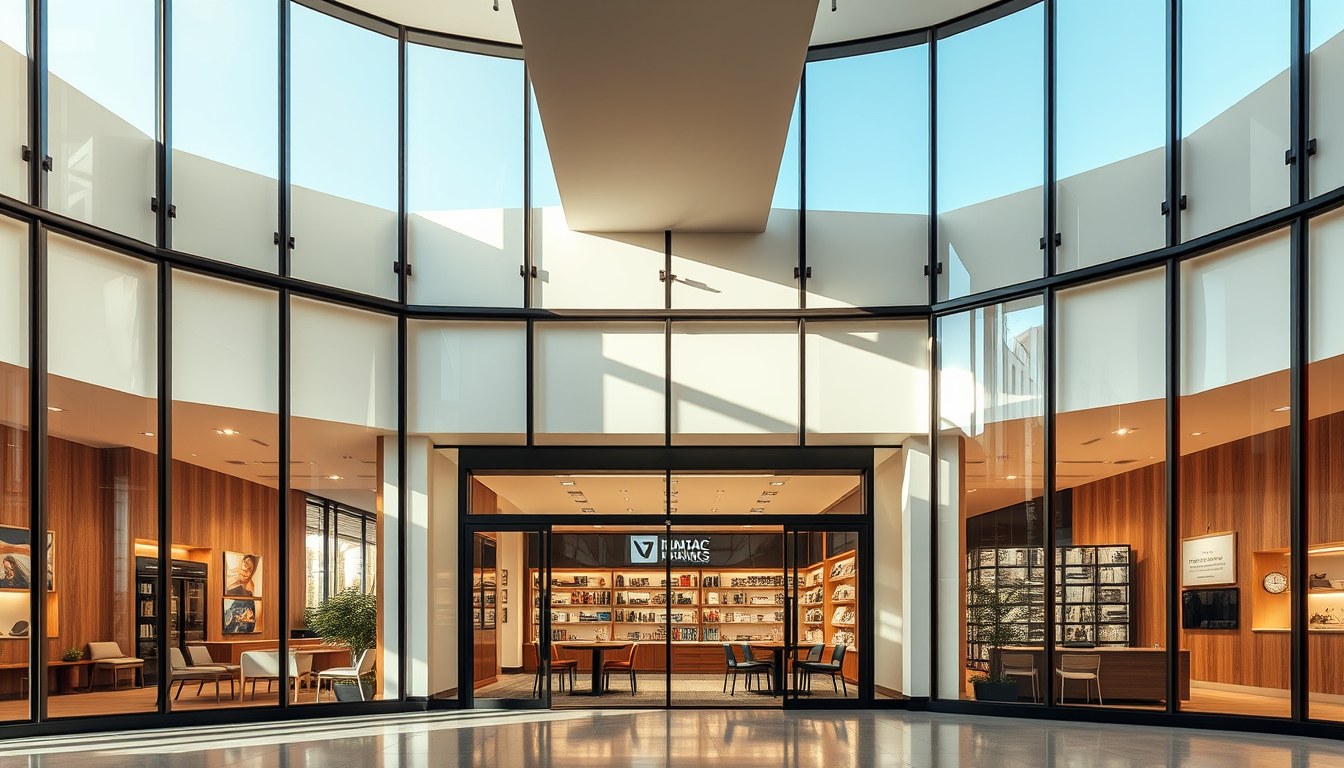
Your retail storefront is your silent salesman, and the glass that frames your merchandise plays a crucial role in protecting inventory while inviting customers inside. Tinted glass for commercial storefronts solves a critical challenge: blocking harmful UV rays that fade colors, degrade materials, and reduce product lifespan, while maintaining the visual appeal that draws customers to your shop. Whether you operate a fashion boutique in Mumbai, a jewelry store in Delhi, or an electronics shop in Bangalore, choosing the right tinted glass can reduce cooling costs by 20-30%, protect merchandise from sun damage, and enhance your brand's professional appearance.
Understanding UV Protection in Tinted Glass
Ultraviolet radiation damages merchandise through a process called photodegradation, where UV wavelengths break down chemical bonds in materials. Fabrics fade, leather cracks, paint loses vibrancy, and gemstones can become discolored over time. Standard clear glass blocks only about 25% of UV rays, leaving your display vulnerable to damage that accumulates silently over months and years.
Tinted glass works by adding metallic oxides or specialized coatings that absorb or reflect UV radiation. Quality tinted glass can block 99% of UV-A and UV-B rays, providing protection comparable to professional-grade conservation methods. This protection extends the lifespan of your merchandise, reduces replacement costs, and maintains the visual integrity of your displays—critical factors for luxury goods like jewelry, designer clothing, and premium electronics.
How UV Blocking Works in Different Tint Types
- Absorptive tints: Metallic oxides within the glass absorb UV energy and convert it to heat, offering consistent protection throughout the glass thickness
- Reflective coatings: Applied to the glass surface, these coatings bounce UV rays away before they enter the glass, providing maximum protection with minimal color shift
- Low-emissivity (Low-E) glass: Specialized coatings that block UV while allowing visible light through, ideal for merchandise displays where color accuracy matters
Tint Colors and Their Impact on Merchandise Visibility
The color of your tinted glass directly affects how customers perceive your merchandise. A tint that's too dark reduces visibility and creates a cave-like entrance that discourages foot traffic. Too light, and UV protection becomes inadequate. The goal is finding the sweet spot where protection meets presentation.
Common tint options for retail storefronts include bronze, gray, green, and blue tints, each offering different aesthetic and protective qualities. Bronze tints warm the appearance of merchandise and work well for clothing, home décor, and jewelry—creating an inviting, luxurious feel. Gray tints provide neutral color representation and work across all retail categories. Green tints reduce glare while maintaining brightness, making them popular for electronics shops where screen visibility matters. Blue tints offer a modern, cool aesthetic but can shift color perception of warm-toned products like gold jewelry or warm fabrics.
Choosing the Right Tint for Your Product Category
- Fashion & Textiles: Bronze or light gray tints preserve color accuracy while creating warmth; avoid excessive darkness that hides garment details
- Jewelry & Luxury Goods: Light bronze or specialized low-E coatings maintain sparkle and color saturation without creating reflections that obscure merchandise
- Electronics & Appliances: Gray or green tints reduce glare on screens and shiny surfaces while maintaining visibility of product features
- Cosmetics & Beauty: Neutral gray or light bronze prevents color shifting that confuses customers about actual product shades
Heat Reduction and Energy Efficiency Benefits
Beyond UV protection, tinted glass significantly reduces solar heat gain—the amount of thermal energy passing through the glass into your shop. This reduction directly lowers air-conditioning costs, a substantial expense in India's hot climate. Studies show that quality tinted glass can reduce cooling loads by 20-30%, depending on the tint type and glass thickness.
Heat reduction offers multiple benefits for retail operations. Lower interior temperatures create a more comfortable shopping environment, encouraging customers to spend more time browsing. Reduced AC strain extends the lifespan of your HVAC system and lowers maintenance costs. For temperature-sensitive merchandise like cosmetics, chocolate, or certain electronics, this protection prevents product degradation and reduces waste.
Calculating Your Energy Savings
A typical retail storefront in Delhi with 50 square meters of glass might spend ₹15,000-25,000 monthly on cooling during summer. Installing quality tinted glass could reduce this by ₹3,000-7,500 monthly—savings that add up to ₹36,000-90,000 annually. The initial investment in tinted glass (₹30,000-50,000 for a medium storefront) typically pays for itself within 6-12 months through energy savings alone.
Balancing Protection with Merchandise Display Appeal
The fundamental challenge in selecting tinted glass is maintaining the visual appeal that attracts customers while providing the protection that preserves merchandise. A storefront with excellent UV protection but poor visibility will protect inventory that never sells. Conversely, clear glass maximizes visibility but leaves merchandise vulnerable to fading and degradation.
Professional retail designers recommend a multi-layered approach: use tinted glass for the storefront structure, combine it with strategic interior lighting that highlights merchandise, and employ UV-protective window displays or interior shading for particularly sensitive items. This approach provides comprehensive protection while maintaining the visual hierarchy and appeal that drives sales.
Best Practices for Optimal Display Visibility
- Pair tinted glass with high-quality LED spotlights that enhance merchandise visibility without adding heat
- Use display window depths of 60-90 cm to create visual interest while maintaining sight lines to interior products
- Position high-value or color-sensitive items in the center of displays where tint impact is minimal
- Avoid dark tints (over 50% light transmission reduction) unless your shop receives intense direct sunlight
- Test tint samples with your actual merchandise before committing to full installation
Installation and Maintenance Considerations
Tinted glass installation requires professional expertise to ensure proper fitting, sealing, and structural integrity. In India, where monsoons and temperature fluctuations are common, professional installation prevents water infiltration and thermal stress that can damage merchandise and compromise the glass seal.
Maintenance of tinted glass is straightforward but important. Regular cleaning with non-abrasive materials preserves the tint's appearance and protective properties. Avoid harsh chemicals that can degrade coatings, particularly on low-E glass. Most quality tinted glass requires minimal maintenance beyond standard window cleaning, though annual professional inspection ensures the seal remains intact and protective properties remain effective.
Maintenance Tips for Longevity
- Clean with soft, lint-free cloths and mild soap solution; avoid vinegar-based cleaners on coated glass
- Inspect seals quarterly, especially after heavy monsoon seasons, for signs of water infiltration
- Check for micro-cracks or discoloration that might indicate coating degradation
- Professional maintenance every 2-3 years extends the lifespan of specialized coatings
Cost-Benefit Analysis for Retail Storefronts
Investing in quality tinted glass represents a long-term cost-benefit decision. While the upfront expense is higher than standard glass, the combination of energy savings, merchandise protection, and enhanced brand appearance justifies the investment for most retail operations.
For a typical retail storefront in an Indian city, expect to invest ₹25,000-60,000 for professional tinted glass installation, depending on size, tint type, and complexity. This investment typically yields returns through energy savings (₹36,000-90,000 annually), reduced merchandise replacement costs, and improved customer experience that drives sales. Most retailers see full payback within 12-18 months, with decades of protection and savings following.
Frequently Asked Questions
Does tinted glass reduce the amount of light entering my shop?
Yes, tinted glass reduces visible light transmission, typically by 15-50% depending on tint darkness. However, modern tinted glass is designed to maintain adequate brightness for retail environments. Pairing tinted glass with strategic interior lighting ensures merchandise remains well-lit and visible. Most retailers find that the slight reduction in ambient light is more than offset by the professional appearance and merchandise protection benefits.
Can tinted glass be applied to existing storefronts?
Yes, tinted glass can be retrofitted to existing storefronts, though it requires professional installation. Alternatively, UV-protective films can be applied to existing glass as a more economical temporary solution. However, for permanent installations, replacing glass provides superior performance and longevity. Consult with a professional glass supplier to assess your specific storefront structure and determine the best approach.
Which tint color is best for jewelry stores?
Light bronze or specialized low-E tints work best for jewelry stores, as they preserve the sparkle and color saturation of gemstones and precious metals while providing excellent UV protection. Avoid dark tints that can obscure the brilliance of jewelry. Many luxury jewelry retailers use low-E coatings specifically designed to maintain color accuracy while blocking 99% of UV rays.
How much can I save on air-conditioning with tinted glass?
Quality tinted glass typically reduces cooling costs by 20-30%, depending on your climate, storefront size, and existing HVAC efficiency. In Indian cities with intense summer heat, savings often reach the higher end of this range. A ₹40,000 investment in tinted glass for a medium storefront can save ₹3,000-7,500 monthly during peak summer, paying for itself within 6-12 months.
Does tinted glass affect the appearance of my brand?
Tinted glass enhances brand appearance when chosen correctly. The right tint creates a premium, professional aesthetic that attracts customers and communicates quality. Many luxury brands intentionally use tinted glass to create exclusivity and sophistication. The key is selecting a tint that complements your brand identity and merchandise while maintaining visibility. Test samples with your actual storefront and merchandise before deciding.
Ready to protect your merchandise while enhancing your storefront's visual appeal? Explore verified glass suppliers and installation experts on glassy.in, India's largest glass-business directory. Connect with specialists who understand retail requirements and can recommend the perfect tinted glass solution for your shop.