
Buying Guides
Laminated Glass vs Toughened Glass for Staircase Safety: Which Should You Choose?
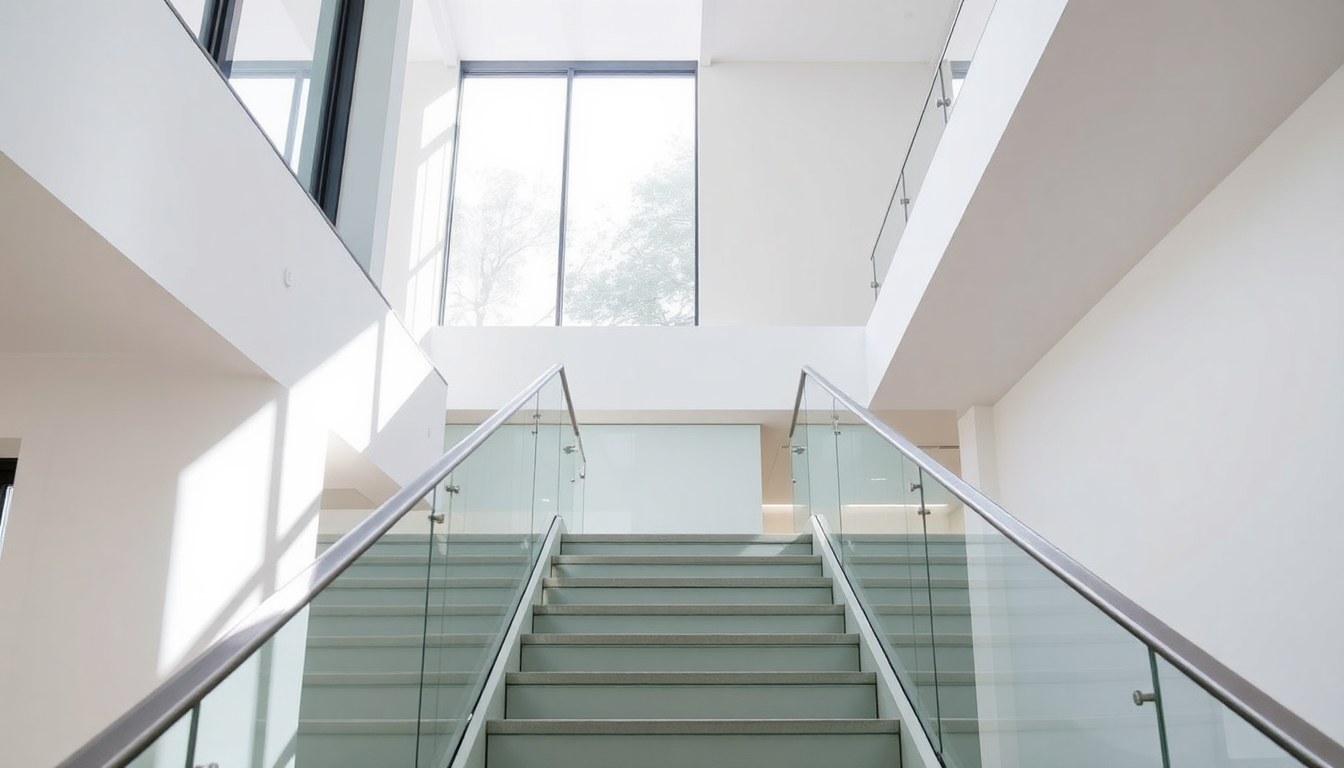
When renovating or building a home in India, selecting the right glass for your staircase is a critical safety decision that affects both aesthetics and long-term durability. Laminated and toughened glass are the two most popular choices, each offering distinct advantages and trade-offs. Understanding the differences between these two types will help you make an informed decision that aligns with your safety needs, budget, and design preferences.
Understanding Laminated Glass
Laminated glass consists of two or more panes of glass bonded together with a polyvinyl butyral (PVB) interlayer. This interlayer acts as a strong adhesive that holds the glass together even when it breaks, preventing sharp shards from scattering. The manufacturing process involves heating and pressing the layers under controlled conditions to create a seamless bond.
The primary advantage of laminated glass is its safety performance. When laminated glass breaks due to impact, the interlayer keeps the fragments intact, reducing the risk of severe cuts or injuries. This characteristic makes it particularly valuable for staircase applications where falls or accidental impacts are possible. Additionally, laminated glass provides excellent sound insulation and UV protection, which can be beneficial if your staircase receives direct sunlight.
Key Properties of Laminated Glass
- Remains intact when broken, held together by the interlayer
- Provides superior impact resistance
- Offers UV and noise reduction benefits
- Heavier than standard glass, requiring sturdy support structures
- Slightly reduces light transmission due to the interlayer
Understanding Toughened Glass
Toughened glass, also known as tempered glass, is created by heating annealed glass to approximately 620°C and then rapidly cooling it. This thermal treatment creates internal stress that makes the glass significantly stronger than regular glass. When toughened glass breaks, it shatters into small, relatively blunt granules rather than sharp shards, minimizing injury risk.
Toughened glass is lighter than laminated glass and offers excellent clarity with minimal visual distortion. It's highly resistant to thermal stress, making it ideal for staircases exposed to temperature fluctuations. However, once toughened glass is manufactured, it cannot be cut, drilled, or modified without losing its tempered properties. This limitation requires precise planning during the design phase.
Key Properties of Toughened Glass
- Four to five times stronger than regular glass
- Shatters into small, blunt fragments upon breaking
- Excellent thermal resistance and clarity
- Cannot be cut or modified after manufacturing
- More affordable than laminated glass
Safety Comparison for Staircase Applications
Both laminated and toughened glass meet Indian safety standards for staircase installations, but they provide safety in different ways. Laminated glass excels at preventing glass fragments from becoming projectiles, making it ideal for high-traffic staircases where impact is a concern. The interlayer holds broken pieces together, reducing the severity of potential injuries. Toughened glass, conversely, prevents injuries by breaking into small, harmless granules rather than sharp shards. It's less likely to break in the first place due to its superior strength.
For Indian homes, the choice between these two often depends on the staircase design and usage patterns. In residential settings with children or elderly family members, laminated glass offers peace of mind because even if broken, the glass remains in place rather than falling. For commercial or high-traffic staircases, toughened glass's superior strength and lower breakage risk may be more appropriate.
Indian Safety Standards
Both glass types comply with IS 2553 (Indian Standard for Safety Glass), which mandates that safety glass used in staircases must minimize the risk of injury upon breakage. Laminated glass must have a minimum PVB interlayer thickness of 0.76mm, and toughened glass must shatter into granules with no sharp edges. Always ensure your supplier provides certification of compliance with these standards.
Cost Analysis and Budget Considerations
Cost is often a deciding factor for Indian homeowners. Toughened glass typically costs ₹400–₹600 per square foot, depending on thickness and quality, while laminated glass ranges from ₹800–₹1,500 per square foot. The price difference reflects the additional manufacturing complexity and materials required for lamination. For a standard residential staircase spanning 150–200 square feet, laminated glass could add ₹30,000–₹50,000 more to your project budget compared to toughened glass.
Beyond the initial purchase price, consider long-term costs. Toughened glass is less likely to break, reducing replacement expenses. Laminated glass, while more expensive upfront, provides additional benefits like sound and UV protection that may reduce future costs for window treatments or climate control. When working with architects like Incredoo Architects or Aman Architects And Builders, discuss total cost of ownership rather than just initial expenditure.
Durability and Maintenance
Toughened glass is exceptionally durable and requires minimal maintenance. Its superior strength means it withstands daily wear, impacts, and temperature fluctuations without degradation. Cleaning is straightforward—standard glass cleaners and a soft cloth suffice. The main limitation is that any damage necessitates complete replacement since the glass cannot be repaired.
Laminated glass also offers excellent durability, though the interlayer can degrade over extended periods, particularly if exposed to intense UV radiation or moisture. In tropical Indian climates, ensuring proper sealing around laminated glass edges is crucial to prevent water infiltration that could weaken the interlayer. Regular cleaning and occasional resealing (every 5–10 years) helps maintain performance. Interior design professionals like VEGA MarCon Pvt Ltd can recommend protective measures tailored to your climate zone.
Maintenance Checklist
- Toughened Glass: Monthly cleaning with glass cleaner; annual inspection for cracks or damage
- Laminated Glass: Monthly cleaning; biannual inspection of seals and interlayer; resealing every 5–10 years in humid climates
- Both types: Avoid abrasive cleaners that scratch the surface
- Both types: Check support structures and fasteners regularly
Design and Aesthetic Considerations
Toughened glass offers superior optical clarity and light transmission, making staircases appear more open and bright. There's no visible interlayer, so the glass looks pristine and modern. This makes it ideal for minimalist or contemporary home designs where visual clarity is paramount. However, toughened glass cannot be customized after manufacturing, limiting design flexibility if you want edge treatments, custom thickness, or specific dimensions.
Laminated glass provides more design flexibility. You can choose different interlayer colors (clear, tinted, or decorative) to achieve specific aesthetic effects. Some laminated glass options include colored or patterned interlayers that add visual interest while maintaining safety. The slight haze from the interlayer is barely noticeable in most applications. When consulting with designers like DREAM TRUE CONSTRUCTIONS & HOME LINE INTERIORS, explore whether custom laminated designs align with your vision.
Installation Requirements and Support Structures
Both glass types require robust support structures, but their weight differences matter. Toughened glass is lighter (approximately 2.5kg per square meter for 6mm thickness), making installation simpler and reducing structural demands. Laminated glass is heavier (approximately 5kg per square meter for the same thickness), requiring reinforced frames and support systems. This added weight can increase installation costs and may necessitate structural modifications in existing homes.
Professional installation is essential for both types. Poor installation can compromise safety regardless of the glass quality. Ensure your installer is experienced with staircase glass applications and follows IS 2553 guidelines for fastening, sealing, and support spacing. Dealers like Bhavani Glass can connect you with certified installers familiar with local building codes.
Climate and Environmental Factors in India
India's diverse climate zones influence which glass type performs better. In hot, humid coastal regions (Kerala, Mumbai), laminated glass's UV protection and sealed interlayer provide advantages, though you must ensure proper sealing to prevent moisture ingress. In dry regions (Delhi, Rajasthan), toughened glass's thermal resistance handles temperature fluctuations excellently. In monsoon-prone areas, laminated glass's water resistance becomes more valuable.
Dust and pollution are considerations across Indian cities. Both glass types collect dust equally, but laminated glass's slightly textured interlayer may show dust more readily than the smooth surface of toughened glass. Regular cleaning mitigates this issue in both cases.
Frequently Asked Questions
Can I cut or drill toughened glass after it's been tempered?
No, toughened glass cannot be cut, drilled, or modified after the tempering process without losing its safety properties and potentially shattering. All customizations must be completed before tempering. This is why precise measurements and design planning are critical when choosing toughened glass for staircases.
Is laminated glass safer than toughened glass for staircases?
Both are equally safe when properly installed and compliant with IS 2553 standards. Laminated glass prevents fragments from scattering, while toughened glass breaks into harmless granules. The "safer" option depends on your specific staircase design, usage patterns, and risk factors. Consult with your architect to assess your situation.
How long does the interlayer in laminated glass last?
With proper maintenance and sealing, a laminated glass interlayer typically lasts 20–30 years. In harsh climates or if seals are compromised, degradation can occur sooner. Regular inspection and resealing every 5–10 years extend the lifespan significantly.
Which glass type is more cost-effective over 20 years?
Toughened glass is generally more cost-effective long-term due to lower initial cost and minimal maintenance. However, if you value the additional benefits of laminated glass (UV protection, sound reduction, design flexibility), the premium may be justified. Calculate total cost of ownership based on your specific needs and climate.
Do I need special fasteners or hardware for either glass type?
Both require stainless steel or corrosion-resistant fasteners to prevent rust and ensure longevity. Laminated glass's added weight may require heavier-duty hardware and closer fastening intervals. Your installer should follow IS 2553 specifications for fastener placement and materials.
Making Your Final Decision
Choosing between laminated and toughened glass for your staircase ultimately depends on balancing safety, budget, design preferences, and climate considerations. Toughened glass offers superior strength, affordability, and clarity, making it ideal for most residential staircases. Laminated glass provides unmatched safety when broken, design flexibility, and additional environmental benefits, justifying its higher cost for homeowners prioritizing these features.
Visit glassy.in to connect with qualified glass suppliers, architects, and interior designers across India who can assess your specific staircase requirements and recommend the best solution for your home. Browse our directory to find trusted professionals in your area who specialize in safety glass installations.