
Buying Guides
Tinted Glass for Shopfronts: Heat Control, Privacy & Brand Visibility
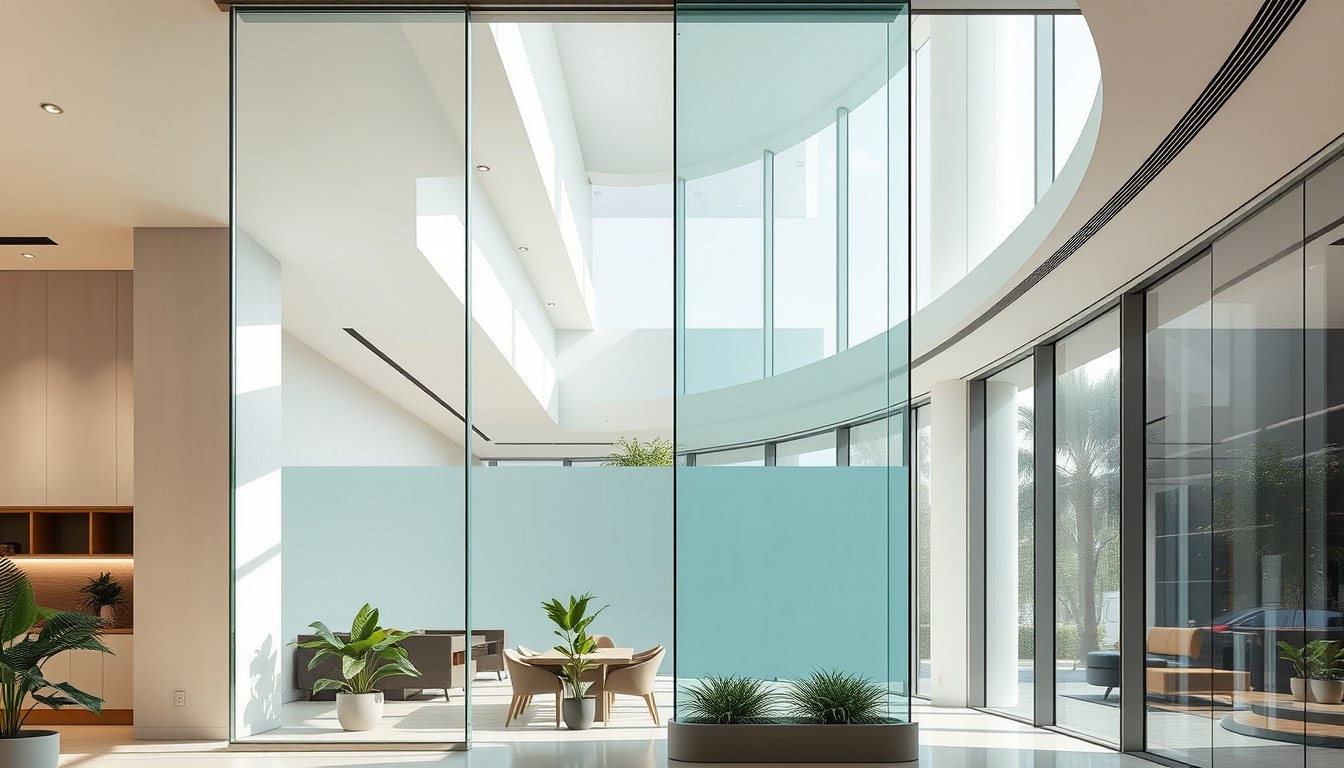
A well-designed shopfront is your first impression—and tinted glass plays a crucial role in creating one that works for your business. By combining solar heat rejection, enhanced privacy, and aesthetic branding, tinted glass transforms ordinary storefronts into energy-efficient, visually striking retail spaces. This guide walks you through selecting the right tinted glass solution that balances comfort, visibility, and your brand identity.
Why Tinted Glass Matters for Modern Retail Storefronts
Retail storefronts face unique challenges: intense solar heat during Indian summers, unwanted visibility into stockrooms or fitting areas, and the need to stand out in competitive markets. Tinted glass addresses all three simultaneously. Unlike plain glass, tinted variants reduce glare, lower interior temperatures, and create a sophisticated aesthetic that reinforces brand positioning.
The financial impact is real. Reduced air-conditioning load translates to lower monthly electricity bills, particularly critical for retail spaces in metros like Delhi, Mumbai, and Bangalore where cooling costs are substantial. Additionally, tinted glass protects merchandise from UV damage, extending product lifespan and reducing replacement costs.
Understanding Solar Heat Rejection and Energy Efficiency
Solar heat rejection is measured by the Solar Heat Gain Coefficient (SHGC) and the Visible Light Transmittance (VLT). SHGC indicates how much solar energy enters through the glass (lower is better for heat control), while VLT measures how much visible light passes through (higher is better for product visibility). The challenge lies in balancing these two metrics.
How Tinting Reduces Heat Load
Tinted glass works by absorbing and reflecting solar radiation before it enters your shopfront. Bronze, grey, and green tints are particularly effective at heat rejection. A bronze-tinted glass with SHGC of 0.35–0.40 can reduce solar heat transmission by 40–50% compared to clear glass, significantly lowering cooling costs in high-temperature regions.
Reflective or metallic coatings amplify this effect. Low-emissivity (Low-E) coatings, which reflect infrared radiation while allowing visible light through, offer superior thermal performance. These are ideal for premium shopfronts where both energy efficiency and product visibility are priorities.
Calculating ROI on Heat Control
Consider a 200 sq. ft. shopfront in Mumbai with 8 hours of direct sun exposure daily. Upgrading from clear to tinted glass with effective heat rejection can reduce air-conditioning runtime by 20–30%, saving approximately ₹3,000–₹5,000 monthly during peak summer months. Over a year, this translates to ₹36,000–₹60,000 in energy savings, often justifying the upfront investment within 2–3 years.
Privacy Without Sacrificing Product Visibility
Retail storefronts must display merchandise attractively while maintaining privacy in back-of-house areas. Tinted glass achieves this balance effectively. Medium to dark tints (VLT 30–50%) obscure interior details from outside while allowing customers to see displayed products clearly when properly lit from within.
Tint Levels and Privacy Grades
- Light Tints (VLT 70–85%): Minimal privacy, ideal for premium brands showcasing luxury goods. Offers slight heat reduction and glare control.
- Medium Tints (VLT 50–70%): Balanced approach. Provides moderate privacy while maintaining clear product visibility. Best for most retail applications.
- Dark Tints (VLT 20–50%): Strong privacy, ideal for high-end boutiques or storefronts with sensitive stockroom areas. Requires excellent interior lighting to showcase products.
Pro tip: Combine tinted glass with strategic interior lighting. Bright, well-positioned spotlights on merchandise create contrast, making products pop even through darker tints. This technique is commonly used in jewellery and electronics retail across India's major shopping districts.
Tint Colours and Brand Positioning
The colour of your tint communicates brand identity instantly. Different tints evoke distinct psychological responses and suit various retail sectors.
Popular Tint Colours for Shopfronts
- Bronze Tint: Warm, welcoming aesthetic. Ideal for fashion, jewellery, and lifestyle brands. Offers excellent heat rejection (SHGC 0.35–0.45) and maintains warm product colours.
- Grey Tint: Neutral, modern appearance. Suits tech, automotive, and contemporary retail. Provides superior heat control (SHGC 0.30–0.40) with minimal colour distortion.
- Green Tint: Eco-conscious, calming vibe. Popular for wellness, organic, and sustainable brands. Moderate heat rejection with distinctive aesthetic appeal.
- Blue Tint: Cool, professional tone. Effective for corporate retail, banking, and premium segments. Good heat performance with a contemporary look.
- Reflective/Mirror Tint: High-end, exclusive impression. Maximizes privacy and heat rejection but reduces visibility into the shopfront. Best for luxury brands willing to trade some visibility for prestige.
Consider your location and surrounding architecture. A bronze-tinted shopfront harmonizes with traditional markets in Old Delhi or Kolkata's heritage areas, while grey or blue tints align better with modern shopping malls and corporate zones.
Types of Tinted Glass Solutions Available in India
The Indian glass market offers diverse tinting options, each with distinct advantages and price points. Understanding these helps you make an informed decision aligned with your budget and requirements.
Absorption Tint
Colour is embedded into the glass during manufacturing. This is the most economical option, with prices ranging from ₹300–₹600 per sq. ft. depending on tint colour and thickness. Absorption tints are durable and uniform but offer moderate heat rejection. They're ideal for budget-conscious retailers prioritizing privacy and aesthetics over maximum energy efficiency.
Reflective Coated Glass
A metallic or reflective layer is applied to the glass surface, offering superior heat rejection (SHGC as low as 0.20–0.35) and enhanced privacy. Costs range from ₹800–₹1,500 per sq. ft. These are popular in high-heat zones like Rajasthan and Gujarat, and in premium retail segments across metros.
Low-E (Low-Emissivity) Coated Glass
Advanced coating technology that reflects infrared radiation while transmitting visible light. Offers the best balance of heat control and visibility, with SHGC 0.25–0.40 and VLT 50–70%. Price range: ₹1,200–₹2,000 per sq. ft. Ideal for high-end retail where energy efficiency and brand presentation are equally important.
Laminated Tinted Glass
Tinted glass bonded with polyvinyl butyral (PVB) interlayer for safety and sound insulation. Adds ₹200–₹400 per sq. ft. to base tinting costs but provides superior durability, safety compliance, and acoustic benefits. Recommended for ground-floor storefronts in busy commercial areas.
Installation and Compliance Considerations
Tinted glass installation must adhere to Indian building codes and local regulations. The National Building Code of India (NBC) specifies minimum visible light transmittance requirements for safety and accessibility. Most tinted glass solutions comply easily, but verify with your supplier before purchase.
Installation quality directly impacts performance. Poor sealing leads to heat leakage and condensation issues. Always hire certified glaziers familiar with shopfront installations. In metros like Bangalore and Pune, several specialized glass installation firms have proven track records with retail projects.
Ensure your tinted glass includes proper framing and weather sealing. This prevents water ingress during monsoons—critical in coastal cities like Mumbai and Kochi. Budget an additional ₹200–₹400 per sq. ft. for professional installation, including structural assessment and finishing work.
Maintenance and Long-Term Performance
Tinted glass requires minimal maintenance compared to plain glass. Regular cleaning with mild soap and water preserves clarity and tint appearance. Avoid abrasive cleaners that may scratch coatings on reflective or Low-E variants.
Quality tinted glass maintains performance for 15–20 years with proper care. Coated variants may require periodic inspection to ensure coating integrity, particularly in high-pollution areas like Delhi-NCR. Most reputable suppliers offer 5–10 year warranties covering manufacturing defects.
Frequently Asked Questions
What tint percentage is best for a shopfront that displays small products like jewellery?
A medium tint with VLT 50–65% works well for jewellery. This provides privacy while allowing enough light through to showcase merchandise. Pair it with accent lighting—LED spotlights positioned to highlight key pieces. This technique is standard in premium jewellery stores across Mumbai and Delhi, creating dramatic product presentation even through tinted glass.
How much can I expect to save on air-conditioning costs with tinted glass?
Savings vary by location, shopfront size, and existing cooling system efficiency. In hot climates like Hyderabad or Jaipur, a 200 sq. ft. shopfront with quality tinted glass can save ₹2,500–₹6,000 monthly during summer. Annual savings typically range from ₹30,000–₹72,000, with payback periods of 2–4 years depending on initial installation cost.
Does tinted glass fade or lose effectiveness over time?
Quality absorption tints are fade-resistant and maintain colour for 15+ years. Reflective coatings and Low-E glass are more durable than older tinting methods but may show minor degradation after 10–15 years in extreme climates. Choose products from established manufacturers with proven durability records in Indian conditions.
Can I apply tint film to existing shopfront glass instead of replacing it?
Yes, window tint films are an affordable alternative (₹100–₹300 per sq. ft.) for temporary or budget solutions. However, they're less durable than factory-tinted glass, prone to bubbling and peeling, and don't offer the same heat rejection performance. For permanent installations, factory-tinted or coated glass is superior.
What's the difference between absorption tint and reflective coatings in terms of heat rejection?
Absorption tints reduce heat by absorbing solar radiation into the glass itself (SHGC 0.40–0.55). Reflective coatings bounce radiation away before it enters (SHGC 0.20–0.35), offering better heat rejection. Reflective options cost more but deliver superior energy efficiency, particularly valuable in high-heat regions.
Conclusion
Tinted glass for shopfronts is a strategic investment that balances comfort, privacy, and brand identity. By understanding heat rejection metrics, tint colours, and available solutions, you can select a system that serves your retail business for years to come. Whether you prioritize energy savings, privacy, or aesthetic impact, India's glass market offers options for every budget and requirement.
Ready to transform your shopfront? Explore verified tinted glass suppliers, manufacturers, and installation specialists on glassy.in, India's largest glass-business directory. Connect with trusted professionals who understand your local climate and retail needs, and get competitive quotes tailored to your project today.