
Buying Guides
Fluted Glass vs Frosted Glass for Shopfronts: Visibility and Branding Guide
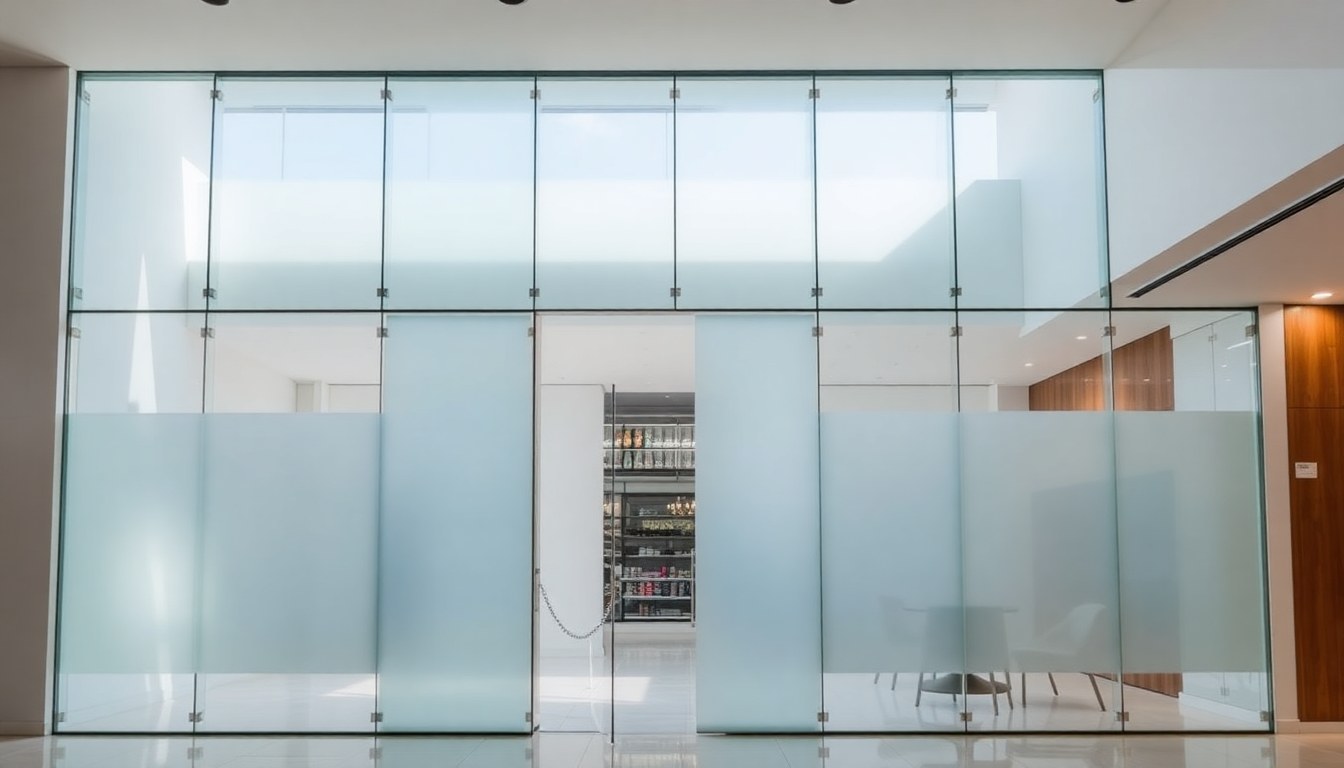
Your shopfront is the first impression customers have of your brand, and the choice between fluted and frosted glass can make or break that critical moment. Both options offer distinct advantages for retail visibility and aesthetics, but they serve different business goals and customer engagement strategies. This guide helps you understand the key differences and choose the right glass solution for your retail space across India.
Understanding Fluted Glass and Frosted Glass
Fluted glass features vertical or horizontal grooves that run across its surface, creating a ribbed texture. These parallel lines allow light to pass through while diffusing it in multiple directions. The grooves are typically uniform and precise, giving fluted glass a modern, structured appearance that works well in contemporary retail environments.
Frosted glass, by contrast, has a uniform matte finish achieved through acid etching or sandblasting. This process creates a smooth, cloudy surface that obscures vision almost completely while still allowing light transmission. Frosted glass offers a softer, more elegant aesthetic and is often associated with premium or luxury retail brands.
- Fluted Glass: Directional light diffusion, visible texture, modern look
- Frosted Glass: Uniform matte finish, complete privacy, sophisticated appearance
Visibility and Customer Engagement
When it comes to shopfront visibility, fluted glass strikes a balance between transparency and privacy. Customers can see into your store through the grooves, especially when interior lighting is bright. This partial visibility creates curiosity and encourages foot traffic, as passersby can glimpse your products, displays, and store atmosphere without feeling completely exposed to the street. In busy retail areas like Delhi's Connaught Place or Mumbai's Linking Road, this subtle visibility advantage can translate to higher customer conversion rates.
Frosted glass, however, prioritizes privacy and exclusivity. It completely obscures the interior, preventing customers from seeing products, staff, or store layout from outside. While this creates an air of mystery and premium positioning, it significantly reduces impulse foot traffic. Customers must actively choose to enter, rather than being drawn in by visible displays. This approach works best for high-end boutiques, jewelry stores, or wellness centers where exclusivity enhances brand perception.
Light Transmission and Ambiance
Fluted glass allows directional light transmission, meaning natural daylight enters your store but spreads across the ribbed surface. This creates interesting shadow patterns and visual texture that can enhance your storefront's aesthetic appeal. The light diffusion also reduces glare, making the interior more comfortable for customers and staff.
Frosted glass diffuses light uniformly, creating a soft, even glow that feels premium and sophisticated. However, it requires more interior lighting to compensate for the reduced natural light penetration. This can increase your electricity costs, particularly in Indian cities with intense sunlight. Budget approximately ₹150-300 per square foot for additional LED lighting installation when choosing frosted glass.
Branding and Aesthetic Considerations
Your choice of shopfront glass directly communicates your brand identity to potential customers. Fluted glass appeals to modern, tech-forward, and contemporary brands. It works exceptionally well for fashion retailers, electronics stores, restaurants, and lifestyle brands that want to showcase their products and create an inviting atmosphere. The textured appearance adds visual interest without appearing cold or corporate.
Frosted glass positions your brand as premium, exclusive, and sophisticated. It's the preferred choice for luxury brands, high-end beauty salons, jewelry stores, and professional services like law firms or consultancies. The opaque nature suggests that what's inside is worth the effort of entering, creating a perception of exclusivity and quality. Many upscale malls in Bangalore and Hyderabad feature frosted glass shopfronts for precisely this reason.
Customization and Design Flexibility
Fluted glass offers limited customization options. You can choose the groove direction (vertical, horizontal, or diagonal), spacing, and depth, but the overall effect remains consistent. This uniformity works well for minimalist and modern brand identities. Some retailers combine fluted glass with branded window displays and interior lighting to create visual interest.
Frosted glass provides more design flexibility. You can add custom logos, patterns, or designs through selective frosting or vinyl overlays. Many Indian retailers use frosted glass with etched brand names, creating a personalized shopfront without compromising privacy. Custom frosting typically costs ₹200-500 per square foot depending on design complexity.
Maintenance and Durability
Fluted glass requires more frequent cleaning due to its textured surface. Dust and dirt accumulate in the grooves, requiring specialized cleaning techniques or professional services. Monthly deep cleaning is recommended for retail shopfronts in high-traffic areas. Use soft brushes and appropriate glass cleaners to avoid damaging the grooves. In Indian cities with high pollution levels, fluted glass may show visible dirt accumulation within weeks.
Frosted glass is easier to maintain in terms of visible dirt, as the matte finish doesn't show fingerprints and dust as prominently as clear glass. However, the frosting can degrade over time with harsh cleaning or abrasive materials. Use only soft cloths and mild glass cleaners. Professional cleaning every 2-3 months is sufficient for most retail environments. Both options are equally durable in terms of structural integrity, with a lifespan of 15-20 years with proper care.
Climate Considerations for India
India's diverse climate presents unique challenges for shopfront glass. In coastal areas like Chennai or Goa, salt air can corrode both fluted and frosted glass over time. In monsoon-prone regions, water staining becomes a concern. Fluted glass's grooves can trap water, potentially leading to mold or mineral deposits. Frosted glass handles moisture better due to its smooth surface, but both require protective coatings in humid climates. Budget an additional ₹100-150 per square foot for weather-resistant coatings in coastal or high-moisture areas.
Cost Comparison and Budget Planning
Pricing for both glass types varies based on thickness, size, and supplier location. Fluted glass typically costs ₹400-800 per square foot in India, depending on groove depth and spacing. Frosted glass ranges from ₹350-700 per square foot for standard finishes, though custom frosting with logos or patterns can push costs to ₹500-900 per square foot.
Installation costs are similar for both options, averaging ₹100-200 per square foot. However, frosted glass with custom designs requires additional design and application time, potentially adding ₹50-100 per square foot. When budgeting for a typical 10x8 feet shopfront window (approximately 80 square feet), expect total costs between ₹40,000-80,000 for material and installation, depending on your location and chosen specifications.
- Fluted Glass: ₹400-800/sq ft + ₹100-200/sq ft installation
- Frosted Glass: ₹350-900/sq ft + ₹100-250/sq ft installation (with customization)
- Long-term maintenance: Fluted requires more frequent professional cleaning; Frosted requires less visible maintenance
Choosing the Right Option for Your Retail Space
Select fluted glass if you operate a fashion boutique, restaurant, cafe, electronics store, or any retail business that benefits from showcasing products and creating an approachable, modern brand image. Fluted glass works particularly well in shopping malls and high-street locations where foot traffic is driven by window displays. It's ideal if your business model relies on impulse purchases and visual appeal.
Choose frosted glass if you run a luxury brand, jewelry store, high-end salon, or professional services business where exclusivity and privacy enhance your brand value. Frosted glass suits businesses in premium malls or standalone locations where your target customers actively seek you out. It's also appropriate if your store layout or inventory management requires privacy from street-level visibility.
Consider a hybrid approach: use frosted glass for lower sections of your shopfront for privacy and structural stability, combined with fluted or clear glass in the upper portion for light transmission and visual interest. This strategy is increasingly popular in Indian retail spaces, balancing branding goals with practical considerations.
Frequently Asked Questions
Can fluted glass be cleaned without professional help?
Yes, but it requires care. Use soft brushes or microfiber cloths with mild glass cleaner, working along the groove direction. For stubborn dirt, use a soft-bristled toothbrush. Avoid high-pressure washing or abrasive materials that can damage the grooves. Professional cleaning every 2-3 months ensures optimal appearance and prevents dirt buildup in high-traffic retail areas.
Does frosted glass reduce natural light significantly?
Frosted glass reduces direct light transmission by approximately 40-60% compared to clear glass, but still allows diffused light to enter. You'll need supplementary interior lighting, which increases electricity costs. However, the soft, even light distribution creates a premium ambiance that many luxury retailers prefer over the cost savings of natural light.
Can I add my logo or branding to frosted glass?
Absolutely. Custom frosting with etched logos, patterns, or brand names is widely available in India. Techniques include acid etching, sandblasting, or vinyl overlays. Design complexity affects cost, ranging from ₹200-500 per square foot. This option allows you to maintain privacy while showcasing your brand identity on the shopfront.
Which option is better for high-traffic areas like malls?
Fluted glass performs better in mall environments where foot traffic is driven by visible displays and window shopping. The partial visibility encourages impulse entries. Frosted glass works if you're a luxury brand in premium malls where customers actively seek exclusive retailers. Consider your target customer behavior and brand positioning when deciding.
How long do both glass types last?
With proper maintenance, both fluted and frosted glass last 15-20 years. Durability depends more on installation quality, maintenance practices, and local climate conditions than on the glass type itself. Coastal areas may require protective coatings to extend lifespan. Professional installation and regular cleaning significantly impact longevity.
Your shopfront glass choice shapes customer perception and business performance. Whether you prioritize visibility and modern aesthetics with fluted glass or exclusivity and premium positioning with frosted glass, both options offer distinct advantages for Indian retail spaces. Explore quality glass suppliers and customization options through the glassy.in directory to find the perfect solution for your retail business. Browse our comprehensive listing of glass manufacturers and retailers across India to compare pricing, designs, and services tailored to your shopfront needs.