
Buying Guides
Laminated Glass vs Toughened Glass for Balcony Safety: Which Meets Indian Standards?
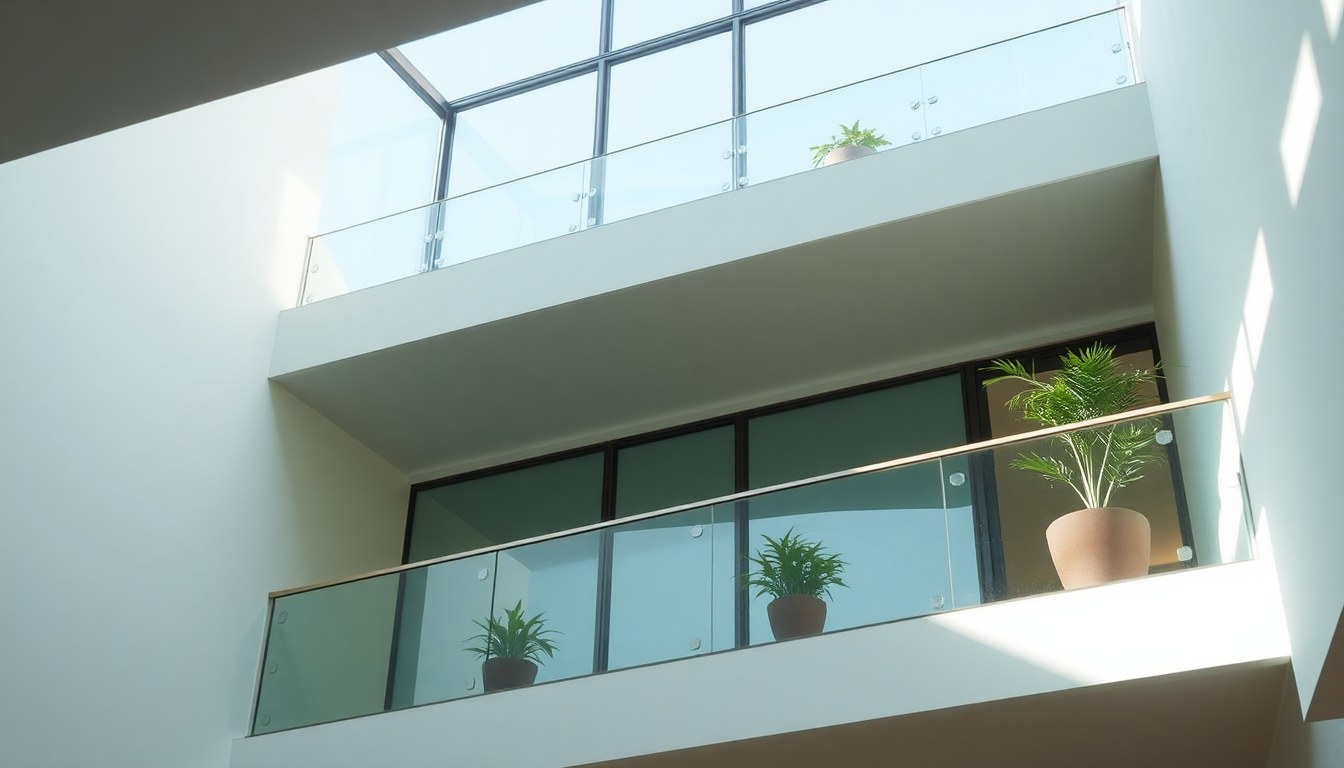
When it comes to balcony safety in Indian high-rise apartments, the choice between laminated and toughened glass isn't just about aesthetics—it's about protecting lives. Both materials are widely used across Indian construction projects, but they behave very differently when subjected to impact, thermal stress, or wind pressure. This guide breaks down the safety performance of each, their compliance with Indian Standards (IS codes), and which option truly delivers the protection your family deserves.
Understanding Toughened Glass and How It Works
Toughened glass, also called tempered glass, undergoes a specialized heat treatment process that creates internal stress patterns. The outer surfaces cool rapidly while the interior remains hot, resulting in a material that's approximately 4–5 times stronger than annealed glass. When toughened glass fails, it breaks into small, relatively harmless granular pieces rather than sharp shards, which is why it's often chosen for safety applications.
In India, toughened glass is governed by IS 2553:2013, which specifies minimum thickness, strength requirements, and testing procedures. The standard ensures that toughened glass can withstand significant mechanical stress and thermal shock—critical for balconies exposed to India's intense sun and temperature fluctuations. Most apartment balconies in metro cities like Mumbai, Delhi, and Bangalore use toughened glass precisely because of this durability and the predictable fracture pattern.
Advantages of Toughened Glass for Balconies
- Breaks into small, blunt pieces that minimize injury risk
- Excellent resistance to thermal stress and temperature changes
- Higher impact strength compared to annealed glass
- Typically more affordable than laminated alternatives
- Complies with IS 2553:2013 safety standards
Limitations of Toughened Glass
- Once tempered, it cannot be cut, drilled, or reshaped
- Spontaneous breakage is rare but possible due to nickel sulfide inclusions
- Offers no sound insulation benefits
- Doesn't hold fragments together if broken—fragments fall separately
Understanding Laminated Glass and Its Safety Features
Laminated glass consists of two or more glass panes bonded together with a polyvinyl butyral (PVB) interlayer. When laminated glass breaks, the interlayer holds the fragments together, preventing them from scattering. This "stay-together" characteristic makes laminated glass particularly valuable in high-rise buildings where falling glass could endanger people below on the street.
In India, laminated glass is regulated under IS 2553:2013 and IS 5778:2007, which cover specifications for laminated safety glass. The interlayer thickness determines the safety rating—thicker interlayers provide better sound insulation and impact resistance. For balconies in high-rise apartments, a minimum 0.76 mm PVB interlayer is typically recommended, though thicker options (1.52 mm or more) are increasingly common in premium developments.
Advantages of Laminated Glass for Balconies
- Fragments remain bonded to the interlayer—no sharp shards fall
- Provides excellent noise reduction (important for city balconies)
- Offers UV protection, reducing fading of indoor furnishings
- Can be cut and customized after manufacturing
- Superior protection against forced entry and break-ins
- Meets IS 5778:2007 safety specifications
Limitations of Laminated Glass for Balconies
- Higher initial cost (₹400–₹800 per sq. ft. vs. ₹200–₹400 for toughened)
- Interlayer can yellow or degrade over 15–20 years in harsh UV exposure
- Heavier than toughened glass, requiring stronger framing
- Takes longer to install due to weight and handling requirements
Indian Building Codes and Safety Standards for Balcony Glazing
India's National Building Code (NBC) and various state-specific building bylaws mandate safety requirements for balcony glazing in high-rise residential buildings. The primary standards governing this choice are:
IS 2553:2013 – Code of Practice for Safety Glass
This standard covers both toughened and laminated glass, specifying minimum performance requirements for impact resistance, thermal shock resistance, and edge strength. For balconies, the code recommends a minimum thickness of 6 mm for toughened glass and 6 mm + 6 mm laminated configurations in buildings above 15 meters height. Many developers in Delhi, Bangalore, and Hyderabad follow this standard strictly to obtain occupancy certificates.
IS 5778:2007 – Laminated Safety Glass
This standard specifically addresses laminated glass specifications, including interlayer composition, adhesion strength, and aging resistance. It ensures that the PVB interlayer maintains its bonding properties over the building's lifespan. Compliance with this code is essential for balconies in buildings taller than 20 stories, where the risk of falling glass is highest.
National Building Code (NBC) Requirements
The NBC Part 4 (Safety) mandates that all glazing in balconies of buildings above 15 meters must be safety glass—either toughened or laminated. For buildings exceeding 30 meters, laminated glass is often preferred by architects and developers to minimize the risk of injury to pedestrians below. Many municipal corporations in Mumbai, Pune, and Chennai have incorporated these requirements into their local building bylaws.
Safety Performance: Head-to-Head Comparison
Impact Resistance
Toughened glass excels in immediate impact resistance due to its higher mechanical strength. It can withstand direct blows from objects better than laminated glass of equivalent thickness. However, laminated glass's interlayer provides a secondary containment mechanism—even if the glass cracks, the fragments stay bound, reducing the hazard.
Breakage Behavior and Injury Risk
This is where the two materials diverge significantly. Toughened glass breaks into small, relatively harmless granules, which is excellent for preventing cuts. However, all the fragments fall immediately, creating a hazard for people below. Laminated glass fragments remain attached to the interlayer, virtually eliminating the risk of falling debris—a critical advantage for balconies in densely populated urban areas across India.
Thermal Stress Resistance
Toughened glass handles rapid temperature changes better than laminated glass. In Indian climates—where balconies face intense afternoon sun followed by evening cooling—toughened glass's superior thermal shock resistance is a genuine advantage. Laminated glass can develop internal stress if exposed to extreme temperature gradients, though modern formulations have improved significantly.
Long-Term Durability
Toughened glass maintains its properties indefinitely, while laminated glass's interlayer can gradually degrade under prolonged UV exposure. In cities like Ahmedabad and Jaipur, where solar intensity is particularly high, this degradation becomes noticeable after 15–20 years. Regular maintenance and UV-protective coatings can extend laminated glass longevity.
Cost Considerations and Value for Money
The price difference between toughened and laminated glass is substantial. For a typical 10 sq. meter balcony in an Indian apartment, toughened glass costs approximately ₹2,000–₹4,000, while laminated glass ranges from ₹4,000–₹8,000. Over a 20-year period, the maintenance costs of both are minimal, making the initial purchase decision the primary financial consideration.
However, cost shouldn't be the only factor. Insurance companies and property valuers increasingly recognize laminated glass as a premium safety feature. In high-rise developments in Mumbai and Bangalore, laminated glass can add 2–3% to property resale value. Additionally, if a balcony faces a busy street or public space, the liability protection offered by laminated glass (no falling fragments) justifies the higher upfront cost.
Many developers offer a middle-ground solution: toughened glass for the visible panels and laminated glass for the lower portion of the balcony (where falling fragments pose the greatest risk to pedestrians). This hybrid approach reduces costs while maintaining safety.
Which Should You Choose for Your Balcony?
Choose Toughened Glass if: Your balcony is on a lower floor (below 5 stories), faces a private garden or low-traffic area, and you prioritize thermal resistance and cost-effectiveness. It fully complies with IS 2553:2013 and is suitable for most residential applications in Indian cities.
Choose Laminated Glass if: Your balcony is in a high-rise building (above 15 stories), overlooks a busy street or public space, you value sound insulation, or you want maximum protection against break-ins. It meets both IS 2553:2013 and IS 5778:2007, offering superior safety for high-density urban environments.
Hybrid Approach: Many architects recommend combining both—toughened glass for upper panels and laminated glass for lower sections. This balances cost, safety, and performance while ensuring full compliance with Indian Building Codes.
Frequently Asked Questions
Is toughened glass approved for balconies in high-rise apartments in India?
Yes, toughened glass is approved for balconies under IS 2553:2013 and the National Building Code. However, for buildings above 30 meters, many municipal authorities and developers prefer laminated glass due to the risk of falling fragments. Always verify with your local building authority and your apartment's architectural specifications.
Can laminated glass be used for balconies in all Indian climates?
Laminated glass performs well in most Indian climates, though the PVB interlayer can degrade faster in regions with extreme UV exposure (like Rajasthan and Gujarat). Using UV-protective coatings or higher-quality interlayers (like SGP) can mitigate this. Toughened glass remains superior for thermal shock resistance.
What is the typical lifespan of laminated glass on Indian balconies?
With proper maintenance, laminated glass lasts 15–20 years before the interlayer begins to yellow or lose adhesion. In harsh climates, this can reduce to 12–15 years. Toughened glass has an indefinite lifespan, though it should be inspected regularly for spontaneous breakage risk.
Do I need permission from my municipal corporation to replace balcony glass?
In most Indian cities, balcony glass replacement doesn't require formal permission if you're using approved safety glass (toughened or laminated) that complies with IS codes. However, structural modifications require approval. Check with your local municipal corporation and your apartment association before proceeding.
Which glass option provides better sound insulation for balconies?
Laminated glass, particularly with thicker interlayers (1.52 mm or more), provides significantly better sound insulation—reducing noise by 30–40% compared to toughened glass. This is a major advantage for balconies facing busy roads in cities like Delhi, Mumbai, and Bangalore.
Choosing the right glass for your balcony is an investment in safety, comfort, and property value. Whether you opt for toughened or laminated glass, ensure it complies with IS codes and meets your building's specific requirements. Explore verified glass suppliers and installers in your city through the Glassy.in directory to get quality products with proper certifications and professional installation.