
Buying Guides
Tinted Glass for Shopfronts: UV Protection, Privacy & Brand Aesthetics
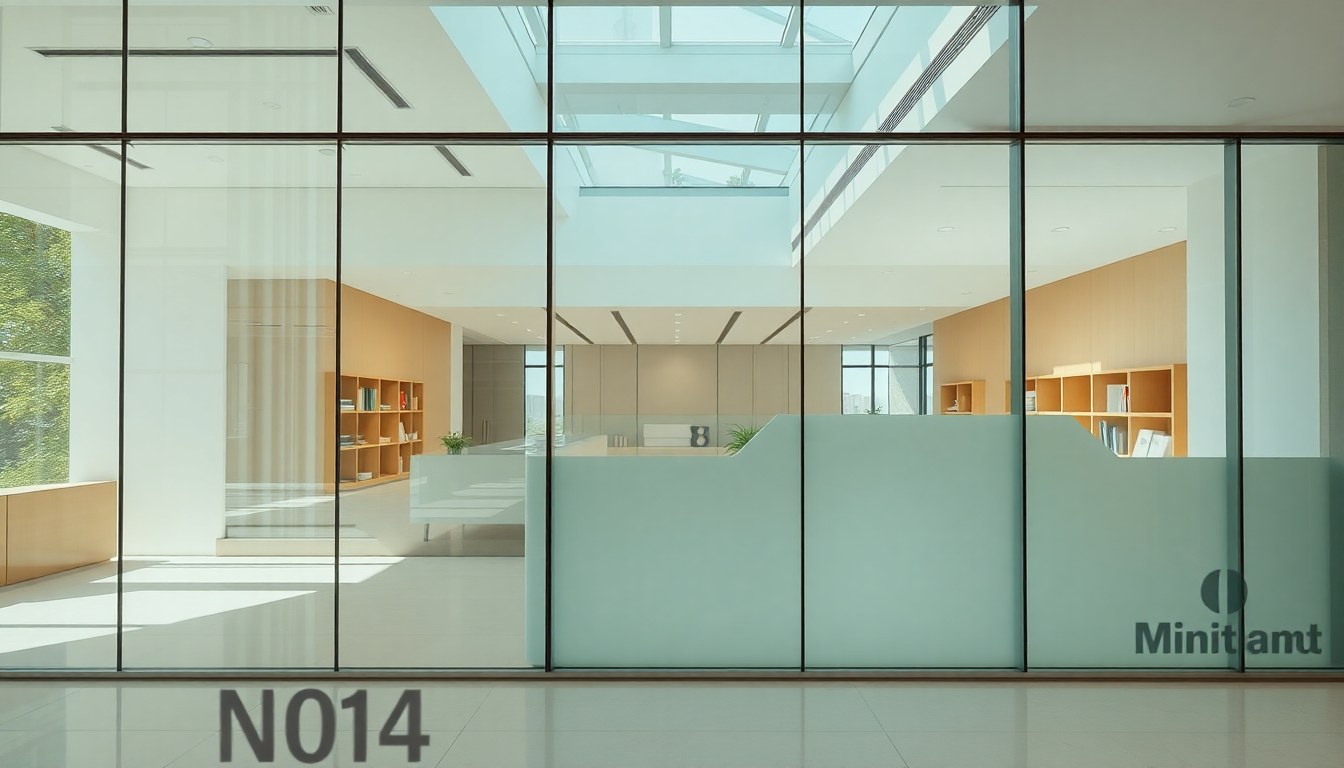
Your shopfront is the first impression customers have of your retail business. Tinted glass transforms that crucial space by protecting valuable merchandise from harmful UV rays, maintaining customer privacy, and establishing a memorable brand identity. Whether you run a jewellery store in Delhi, a fashion boutique in Mumbai, or a cosmetics shop in Bangalore, choosing the right tinted glass solution is essential for both protecting your inventory and creating an inviting retail environment.
Why Tinted Glass Matters for Retail Storefronts
Retail storefronts face constant exposure to sunlight, which can fade products, damage packaging, and deteriorate materials over time. Tinted glass acts as a protective barrier, filtering out ultraviolet radiation while maintaining visibility and aesthetic appeal. Beyond protection, tinted glass offers retailers a powerful tool for controlling the customer experience—from managing glare and heat to creating an air of exclusivity that encourages foot traffic.
The retail environment has become increasingly competitive, and shopfront design plays a vital role in brand differentiation. Tinted glass allows you to establish visual consistency with your brand identity while solving practical challenges like temperature control, merchandise protection, and customer privacy. This combination of functionality and aesthetics makes tinted glass an investment that pays dividends across multiple aspects of your retail operation.
Understanding UV Protection and Merchandise Preservation
Ultraviolet radiation damages products in ways that aren't always immediately visible. Fabrics fade, leather cracks, cosmetics degrade, and printed materials lose colour vibrancy. Standard clear glass blocks only about 25-30% of UV radiation, leaving your merchandise vulnerable to photodegradation. Tinted glass solutions can block 99% of harmful UV rays, dramatically extending the lifespan and visual appeal of products on display.
Types of UV-Protective Tinting
Different tinting technologies offer varying levels of UV protection. Reflective tints use metallic coatings to bounce UV rays away from the glass, while absorptive tints contain pigments that absorb radiation before it penetrates. Spectrally selective tints are engineered to block UV and infrared while maintaining clarity and natural light transmission—ideal for jewellery stores where product visibility is paramount. The choice depends on your merchandise type and how much natural light you want to preserve in your display.
In India, where intense sunlight is common across most regions, UV protection becomes even more critical. A jewellery store in Kolkata or a textile shop in Jaipur experiences different seasonal intensities, so selecting tint percentages that match your local climate is important. Most retailers find that 50-70% tint density provides excellent UV protection without making the shopfront appear too dark or unwelcoming.
Privacy and Customer Comfort
Tinted glass creates a psychological boundary between the street and your retail space, offering customers a sense of privacy while browsing. This is particularly valuable for high-end retailers, luxury goods stores, and boutiques where customers appreciate discretion. The reduced glare from tinted glass also improves the shopping experience by reducing eye strain and making product displays more comfortable to view.
Temperature control is another underrated benefit. Tinted glass reduces solar heat gain, keeping your shopfront cooler during peak summer months. This means lower air conditioning costs and a more comfortable environment for both staff and customers. In Indian cities like Chennai, Hyderabad, and Delhi, where summer temperatures soar, this heat rejection can translate to significant operational savings over the year.
Balancing Privacy with Visibility
The challenge lies in finding the right balance—you want privacy without sacrificing the visibility that drives impulse purchases. Lighter tints (20-35% density) maintain excellent visibility while offering modest privacy. Medium tints (50-70%) provide strong privacy with good product visibility. Darker tints (80%+) are typically reserved for storage areas or premium boutiques that prioritize privacy over foot-traffic attraction. Consider your product category and target customer behaviour when making this choice.
Enhancing Brand Identity Through Tinted Glass Design
Tinted glass is far more than a functional element—it's a branding tool. The colour and intensity of your tint communicate brand values instantly. A luxury watch store might use a subtle bronze or grey tint to convey sophistication, while a contemporary fashion boutique might opt for a bold blue or green tint. Your shopfront tint becomes part of your visual identity, making your store recognizable and memorable to passersby.
Consistency across multiple store locations is crucial for brand recognition. If you operate several outlets in different cities, maintaining the same tint specification ensures a unified brand experience. This is particularly important for franchise operations or growing retail chains where brand consistency drives customer loyalty and trust.
Colour Psychology in Retail Tinting
Different tint colours evoke different emotional responses. Warm tints like amber or bronze create a welcoming, premium atmosphere suited to jewellery, watches, and luxury goods. Cool tints like blue or grey project modernity and professionalism, ideal for tech stores or contemporary fashion. Neutral greys work universally and complement most brand aesthetics. Before selecting a tint colour, consider your target demographic, product category, and the surrounding streetscape to ensure your shopfront stands out for the right reasons.
Choosing the Right Tinted Glass for Your Retail Space
Selecting tinted glass involves evaluating several technical and aesthetic factors. First, determine your primary need: Is UV protection your main concern, or are you prioritizing privacy, heat reduction, or brand aesthetics? Different tinting solutions excel at different priorities, and understanding your hierarchy of needs helps narrow down options.
Key Selection Criteria
- UV Protection Level: Specify the percentage of UV rays blocked (ideally 99% for merchandise protection)
- Visible Light Transmission (VLT): The percentage of visible light that passes through; higher VLT means brighter interior, lower VLT offers more privacy
- Solar Heat Rejection: Measured as Solar Heat Gain Coefficient (SHGC); lower values mean better heat rejection
- Tint Colour and Intensity: Choose based on brand identity and local aesthetic preferences
- Durability and Maintenance: Consider how easily the tint can be cleaned and whether it requires special care
- Compliance and Regulations: Ensure your choice meets local building codes and fire safety standards
Working with Glass Suppliers
Quality matters significantly in tinted glass installations. Reputable glass suppliers in India, particularly those serving major retail hubs, can provide sample installations and performance data specific to your location's climate. Request specifications for UV transmission, heat gain, and light transmission. Ask about warranty periods—most quality tinted glass comes with 5-10 year warranties covering discolouration and delamination.
Get multiple quotations, but don't choose based on price alone. A ₹15,000 installation that lasts 5 years costs more per year than a ₹25,000 installation lasting 10 years. Consider the total cost of ownership, including installation, maintenance, and longevity. For a typical shopfront (10-15 square metres), budget ₹20,000-₹60,000 depending on glass thickness, tint quality, and installation complexity.
Installation and Maintenance Best Practices
Professional installation is crucial for tinted glass performance. Poor installation can lead to bubbling, peeling, and reduced effectiveness. Ensure your installer has experience with retail shopfronts and uses quality adhesives and techniques. Installation should include proper edge sealing to prevent moisture infiltration and UV degradation at the tint edges.
Maintenance is straightforward but important. Use mild soap and soft cloths to clean tinted glass—avoid abrasive cleaners or rough materials that can scratch the tint. Most quality tints are scratch-resistant, but prevention is always better than repair. Regular cleaning maintains clarity and ensures your shopfront always presents your merchandise in the best light.
In humid climates like Mumbai or coastal areas, check for signs of moisture infiltration or edge deterioration annually. Proper ventilation around the shopfront helps prevent condensation issues. If you notice bubbling, significant fading, or peeling after the warranty period, it may be time to consider replacement—typically a worthwhile investment given the protection and branding benefits.
Frequently Asked Questions
How much UV protection does tinted glass actually provide?
Quality tinted glass blocks 99% of harmful UV rays, compared to just 25-30% for clear glass. This dramatic difference means your merchandise retains colour, integrity, and value significantly longer. The specific UV-blocking capability depends on the tint type and thickness, so always request detailed specifications from your supplier.
Will tinted glass make my shopfront too dark inside?
Not if you choose the right tint density. Modern spectrally selective tints can block 99% of UV rays while maintaining 60-70% visible light transmission, keeping interiors bright and welcoming. Lighter tints (20-35% density) are even brighter. The key is matching tint darkness to your specific needs and merchandise display requirements.
Can I change the tint colour later if I rebrand?
Yes, but it's not trivial. Removing old tint and applying new tint typically costs 60-70% of the original installation price. It's worth planning your colour choice carefully initially, but rebranding is certainly possible if your business direction changes. Some retailers use removable window films as a temporary branding solution, though these offer less durability than permanent tinting.
How long does tinted glass last?
Quality tinted glass typically lasts 8-12 years, with some premium options lasting 15+ years. Lifespan depends on climate exposure, installation quality, and maintenance. Harsh UV exposure, temperature extremes, and humidity accelerate degradation. Most suppliers offer 5-10 year warranties, which is a good baseline for expected performance.
Is tinted glass more expensive than alternatives like roller shutters?
Tinted glass costs ₹20,000-₹60,000 for a typical shopfront and lasts 8-12 years. Roller shutters cost ₹30,000-₹80,000 but must be operated daily, don't provide UV protection when open, and require ongoing maintenance. Tinted glass offers better value for continuous protection and requires no daily operation, making it ideal for most retail applications.
Transform Your Shopfront Today
Tinted glass is a smart investment that protects your merchandise, enhances customer experience, and strengthens your brand identity. Whether you prioritize UV protection, privacy, heat reduction, or aesthetic appeal, the right tinted glass solution delivers measurable benefits for your retail business. Ready to explore tinted glass options for your shopfront? Browse verified glass suppliers, manufacturers, and installation specialists on the Glassy.in directory to find the perfect partner for your retail space transformation.