
Interior Design
Tinted Glass for Shopfronts: Reducing Heat & Glare While Showcasing Products
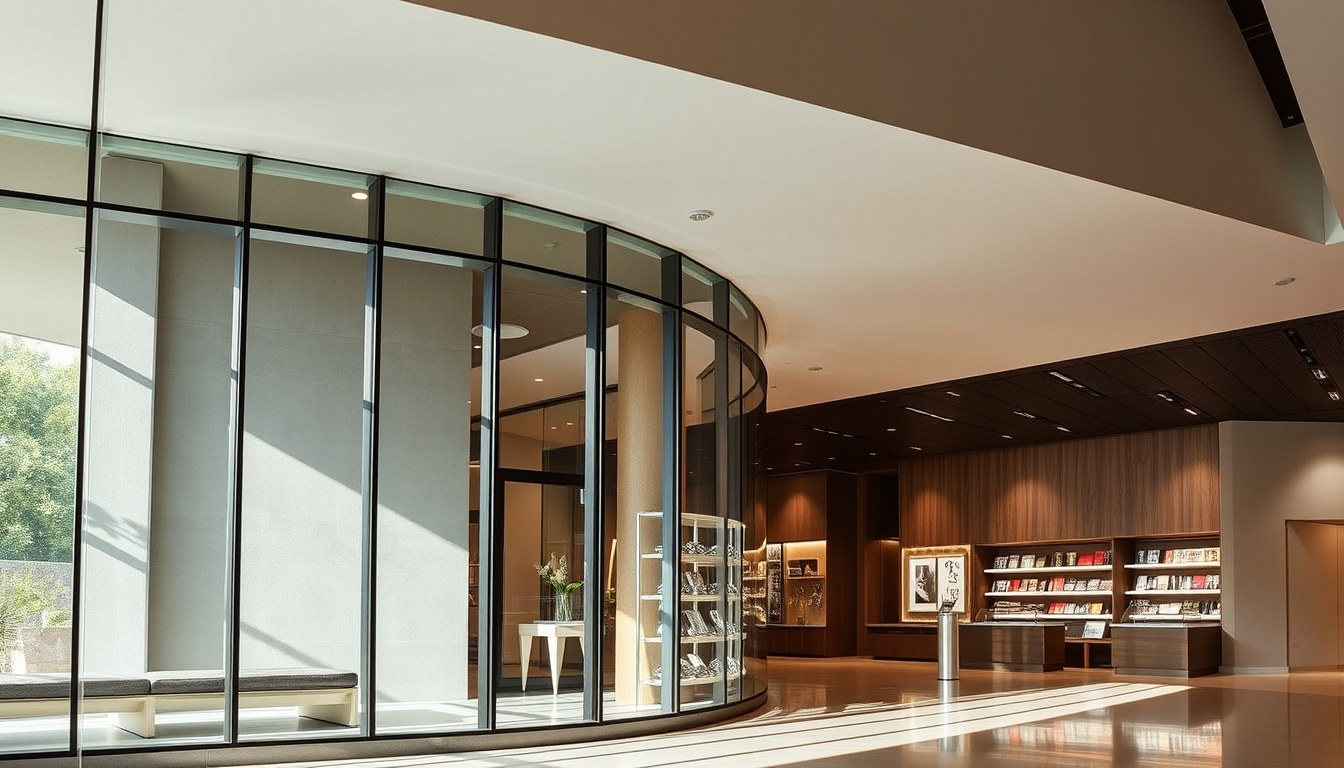
Shopfront design directly influences customer experience and operational costs. Tinted glass solutions offer a strategic balance between reducing solar heat gain and glare while keeping your products visible and attractive to passersby. In India's hot climate, the right tint density can cut cooling expenses by 20–30% while enhancing the visual appeal of your retail display.
Why Tinted Glass Matters for Modern Retail Storefronts
Traditional clear glass shopfronts invite excessive solar radiation, raising indoor temperatures and creating uncomfortable glare that obscures product visibility. This forces retailers to rely heavily on air conditioning, driving up energy bills and carbon footprint. Tinted glass addresses these challenges without sacrificing the transparency needed to showcase merchandise.
The strategic use of tinted glass also protects products from UV damage. Textiles, cosmetics, and artwork fade under prolonged sun exposure. A quality tinted glass solution filters 99% of harmful UV rays, preserving product quality and extending shelf life. For luxury retail and high-end showrooms, this protection translates directly to reduced inventory loss and maintained brand perception.
Understanding Tint Density and Light Transmission
Tint density is measured by Visible Light Transmission (VLT), expressed as a percentage. A 70% VLT means 70% of visible light passes through the glass; a 20% VLT allows only 20%. For shopfronts, the challenge is finding the sweet spot—enough transparency to showcase products, yet sufficient tint to control heat and glare.
Common VLT Ranges for Retail Applications
- 50–70% VLT (Light Tint): Minimal visual impact, subtle heat reduction, ideal for high-end boutiques and jewelry stores where product visibility is paramount.
- 30–50% VLT (Medium Tint): Balanced approach, moderate heat rejection (25–35%), good for fashion retail, electronics, and general merchandise stores.
- 15–30% VLT (Dark Tint): Significant heat reduction (40–50%), suitable for restaurants, bars, and automotive showrooms where privacy and cooling are priorities.
- Below 15% VLT (Very Dark): Minimal visibility from outside, primarily used for privacy or specialized applications; rarely recommended for product-focused retail.
The choice depends on your product type, geographic location, and store orientation. A north-facing shopfront in Delhi may function well with 40% VLT, while a south-facing boutique in Mumbai might need 60% VLT to maintain adequate interior brightness and product appeal.
Solar Heat Rejection and Energy Efficiency
Solar Heat Gain Coefficient (SHGC) measures how much solar energy passes through glass as heat. Standard clear glass has an SHGC of 0.86; tinted glass reduces this significantly. A 50% VLT tinted glass typically achieves an SHGC of 0.40–0.50, cutting solar heat transmission by nearly half.
In Indian cities like Bangalore, Chennai, and Hyderabad, where summer temperatures exceed 35°C, this reduction translates to tangible savings. A medium-tinted shopfront (50% VLT) can reduce air-conditioning load by 20–30%, lowering monthly electricity bills by ₹5,000–₹15,000 depending on store size and usage patterns. Over a year, these savings often offset the initial cost of tinted glass installation within 18–24 months.
Calculating Return on Investment
Tinted glass for a typical 300 sq. ft. shopfront costs ₹45,000–₹80,000 (installed). Annual cooling savings average ₹60,000–₹90,000 in high-heat zones. This delivers a payback period of 6–14 months, after which savings compound. Beyond energy efficiency, reduced glare also improves the shopping experience, potentially increasing foot traffic and sales by 5–10% according to retail design research.
Balancing Visibility and Heat Control: Practical Tint Selection
Choosing the right tint requires evaluating three factors: climate, product category, and store orientation. A jewelry store in a mall may prioritize visibility with 65% VLT, while a fast-food outlet in direct sunlight might opt for 35% VLT to maintain comfort and reduce signage glare.
Tint Selection by Retail Type
- Jewelry, Watches, High-End Fashion: 60–75% VLT. Maximum visibility ensures customers see intricate details and finishes from the street.
- Electronics and Appliances: 45–60% VLT. Reduces screen glare while maintaining visibility of product displays.
- Restaurants and Cafes: 30–50% VLT. Creates ambiance, reduces glare on dining areas, and maintains some street-facing visibility.
- Automotive Showrooms: 40–55% VLT. Protects vehicle interiors from fading while allowing customers to see the cars clearly.
- Clothing and General Retail: 50–65% VLT. Balances aesthetic appeal with heat control.
Geographic and seasonal factors also matter. A north-facing shopfront receives less direct sun and can operate effectively at 65–70% VLT year-round. A west-facing storefront in Delhi experiences intense afternoon heat and benefits from 35–45% VLT to prevent excessive interior heating between 2 PM and 6 PM.
Types of Tinted Glass for Shopfronts
The market offers several tinting solutions, each with distinct advantages. Understanding these options helps you select the most cost-effective and durable solution for your retail space.
Colored Tinted Glass
Pre-tinted glass, manufactured with color throughout the material, provides consistent heat rejection and UV protection. Bronze, gray, and blue tints are popular in India. Colored glass is affordable (₹200–₹400 per sq. ft.) but offers limited customization and cannot be retrofitted to existing storefronts without complete replacement.
Reflective Tinted Glass
A metallic coating reflects solar radiation outward, achieving SHGC values as low as 0.25–0.35. This maximizes cooling but creates a mirror-like appearance that reduces interior visibility. Best suited for commercial buildings and less critical for product-focused retail. Cost: ₹400–₹700 per sq. ft.
Low-E (Low-Emissivity) Coated Glass
Advanced coatings allow high visible light transmission (up to 75% VLT) while rejecting infrared heat. These selective coatings are ideal for luxury retail where visibility is non-negotiable. They also reduce heat loss in winter, making them suitable for air-conditioned interiors. Cost: ₹600–₹1,200 per sq. ft., but superior performance justifies the investment.
Switchable (Smart) Tinted Glass
Electrochromic glass adjusts tint density electronically, offering dynamic control throughout the day. Morning light can be maximized; afternoon glare can be minimized. Increasingly popular in premium retail environments. Cost: ₹1,500–₹3,000 per sq. ft. Requires electrical infrastructure but delivers unmatched flexibility.
Installation and Maintenance Considerations
Proper installation is critical for performance and longevity. Tinted glass must be sealed correctly to prevent moisture ingress and ensure structural integrity. Hiring certified glaziers from established glass suppliers ensures compliance with Indian standards (IS 2553 for toughened glass, IS 2730 for safety glass).
Maintenance is straightforward. Use soft cloths and mild detergent to clean tinted glass; avoid abrasive materials that scratch coatings. Monthly cleaning maintains clarity and ensures your product displays remain visible. Tinted glass typically lasts 15–20 years without degradation, making it a long-term investment in retail aesthetics and energy efficiency.
Real-World Benefits Beyond Energy Savings
Beyond reduced cooling costs, tinted shopfronts offer psychological and commercial benefits. Reduced glare creates a welcoming entrance that encourages customers to linger and browse. Studies in retail design show that storefronts with controlled lighting and glare experience 8–12% higher conversion rates compared to brightly lit, glare-prone competitors.
Tinted glass also enhances security perception. A slightly darker storefront with strategic internal lighting creates a sense of privacy and exclusivity, particularly valuable for jewelry stores, luxury boutiques, and high-value merchandise retailers. Additionally, the reduced UV exposure protects employee comfort and health, reducing fatigue during long shifts in sun-exposed locations.
Frequently Asked Questions
What VLT percentage is best for a shopfront in direct sunlight?
For direct sunlight exposure (south or west-facing), aim for 40–55% VLT. This provides substantial heat rejection (30–40% reduction in solar gain) while maintaining adequate visibility of products. In extremely hot regions like Rajasthan or interior Gujarat, 30–45% VLT may be necessary. Test samples before committing to ensure the tint doesn't make your products appear too dark or unappealing.
Will tinted glass make my shopfront look dark and unwelcoming?
Not if chosen correctly. Medium tints (50–60% VLT) appear subtle and sophisticated, especially when paired with strategic internal lighting. Retailers often enhance visibility by installing bright LED spotlights on product displays. The combination of external tint and internal lighting creates visual interest and draws attention to merchandise without glare or overheating.
Can I apply tint film to existing clear glass instead of replacing the entire shopfront?
Yes. Window tint films are an affordable alternative (₹80–₹200 per sq. ft.) to glass replacement. Films are removable and non-permanent, ideal for rented spaces or trial periods. However, films may show bubbles or peeling over 3–5 years in high-heat environments. For permanent installations, replacing glass is more durable and professional-looking.
How much can I save on electricity by installing tinted glass?
Savings depend on climate, store size, and current AC usage. In hot Indian cities, medium-tinted shopfronts reduce cooling costs by 20–30%, translating to ₹5,000–₹15,000 monthly savings for a 300 sq. ft. space. Annual savings of ₹60,000–₹180,000 are realistic, with payback periods of 6–18 months depending on initial investment and local electricity rates.
Does tinted glass require special cleaning or maintenance?
Tinted glass requires no special maintenance. Use standard glass cleaner and soft cloths, avoiding abrasive scrubbers that may damage coatings. Monthly cleaning keeps displays bright and visible. High-quality tinted glass resists discoloration and maintains optical clarity for 15–20 years, making it a low-maintenance long-term investment.
Ready to transform your shopfront with energy-efficient tinted glass? Explore verified glass suppliers and installation specialists on glassy.in, India's largest glass-business directory. Compare quotes, read reviews, and connect with trusted professionals who understand retail design and heat control solutions tailored to your location and budget.