
Interior Design
Reeded Glass for False Ceilings: Acoustic and Aesthetic Benefits in Commercial Spaces
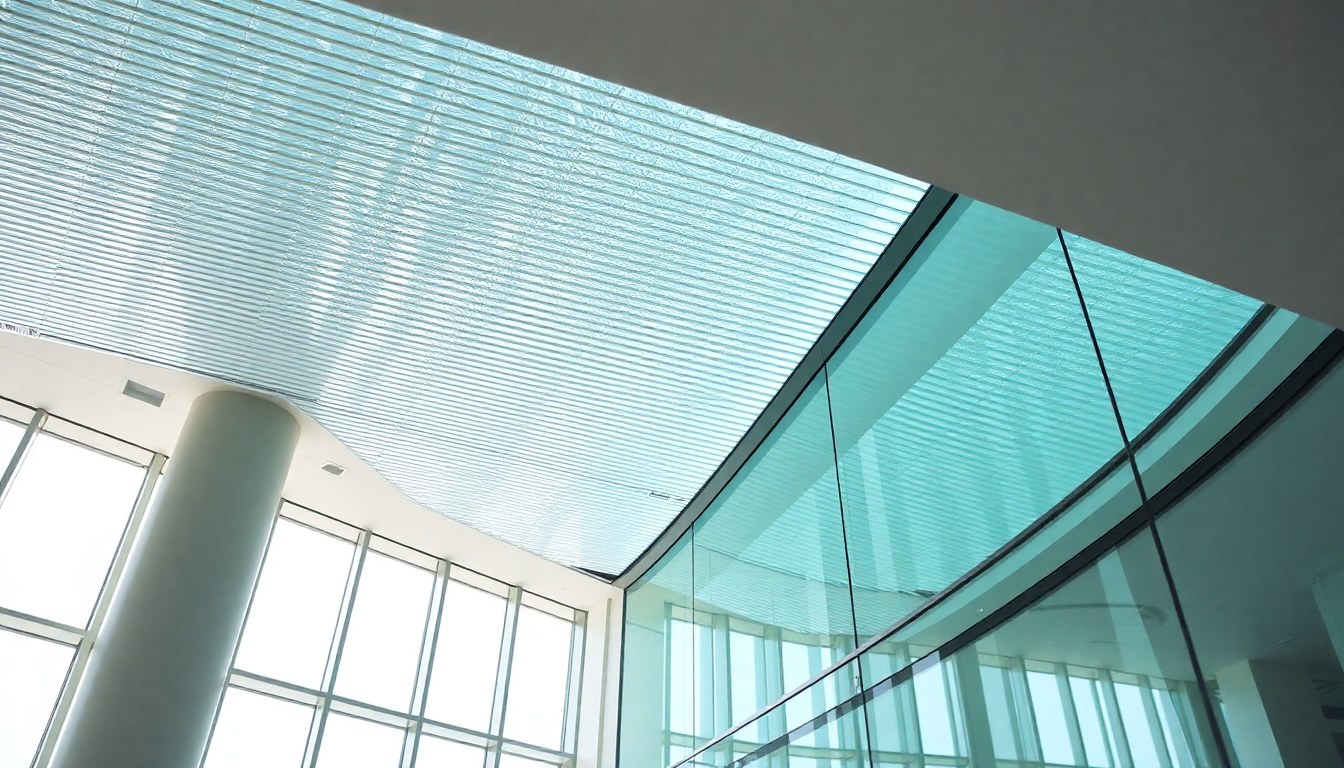
Reeded glass is revolutionizing false ceiling design in Indian commercial spaces by combining sound absorption with sophisticated visual appeal. Unlike conventional suspended ceiling materials, reeded glass panels diffuse light naturally while reducing noise pollution—making them ideal for offices, restaurants, and retail environments. This comprehensive guide explains how reeded glass enhances both the functionality and beauty of modern commercial interiors.
What Is Reeded Glass and How Does It Work?
Reeded glass is a textured glass product featuring parallel linear grooves or "reeds" running across its surface. These grooves are created during the manufacturing process, where molten glass is pressed against a patterned mold. The result is a semi-transparent material that maintains visibility while creating visual interest through light and shadow play.
The acoustic properties of reeded glass stem from its texture. When sound waves strike the grooved surface, they scatter in multiple directions rather than reflecting back into the space. This diffusion effect reduces echo and reverb, creating a more pleasant auditory environment. The glass itself absorbs minimal sound, but when combined with sound-absorbing materials behind it in a false ceiling system, the overall acoustic performance becomes significant.
Types of Reeded Patterns
Reeded glass comes in various groove patterns and depths. Common options include:
- Fine Reeds: Closely spaced grooves creating subtle texture and minimal distortion of objects behind the glass
- Medium Reeds: Standard spacing offering balanced privacy and light transmission
- Coarse Reeds: Wide grooves providing maximum obscuration and dramatic visual effect
- Directional Reeds: Grooves running in specific directions to control light flow and sightlines
Acoustic Benefits in Commercial Environments
Noise control is a critical concern in commercial spaces. Open-plan offices, busy restaurants, and retail shops generate constant sound that can reduce productivity and customer satisfaction. Reeded glass false ceilings address this challenge effectively.
When reeded glass panels are installed as part of a suspended ceiling system with acoustic backing materials—such as mineral fiber or foam—they create a multi-layered sound barrier. The glass texture scatters incoming sound waves, while the backing absorbs the dispersed energy. This dual-action approach achieves noise reduction coefficients (NRC) comparable to traditional acoustic tiles, but with superior aesthetics and light transmission.
Real-World Acoustic Performance
In a typical office setting with reeded glass false ceilings backed by 50mm acoustic material, ambient noise levels can be reduced by 15–25 decibels depending on the frequency. This translates to noticeably quieter spaces where conversations in adjacent areas become less intrusive. Restaurants benefit even more, as reeded glass reduces the amplification of clattering dishes and overlapping conversations that usually plague dining environments.
The effectiveness varies based on installation quality and the acoustic material chosen. Professional installation ensures proper sealing and air gaps, maximizing sound absorption. Thicker backing materials and larger ceiling cavities improve low-frequency absorption, which is crucial for HVAC noise and traffic sound.
Aesthetic and Light Diffusion Advantages
Beyond acoustics, reeded glass elevates the visual design of commercial spaces. The textured surface creates a sophisticated, contemporary look that outperforms standard suspended ceilings. Light passing through reeded glass is softened and diffused, eliminating harsh glare while maintaining brightness throughout the space.
This light-diffusing property is particularly valuable in offices where employees spend long hours under artificial lighting. The diffused light reduces eye strain and creates a more inviting atmosphere. In retail environments, reeded glass ceilings help create ambient lighting that highlights merchandise without creating uncomfortable shadows or bright spots.
Design Flexibility and Customization
Reeded glass false ceilings offer designers multiple customization options:
- Tinting: Colored reeded glass (blue, grey, bronze) adds personality while maintaining the diffusion effect
- Lamination: Safety-laminated reeded glass for high-traffic areas or locations requiring impact resistance
- Mixed Installations: Combining reeded glass with clear glass panels or opaque sections for visual variety
- Grid Patterns: Installing reeded glass in geometric patterns within suspended ceiling grids for dramatic effect
- Backlit Options: LED lighting integrated behind reeded glass panels for stunning visual impact
In high-end restaurants across Delhi, Mumbai, and Bangalore, architects increasingly specify reeded glass ceilings to create upscale ambiance while controlling noise from kitchens and dining areas. Retail showrooms use reeded glass to soften overhead lighting and draw attention to product displays rather than the ceiling itself.
Installation and Practical Considerations
Installing reeded glass false ceilings requires careful planning and professional execution. The glass panels are typically mounted within aluminum or steel suspension grids, similar to standard suspended ceiling systems. However, several factors differ from conventional ceiling installation.
Reeded glass is heavier than acoustic tiles, usually weighing 15–20 kg per square meter. The suspension system must be rated for this additional load. Structural engineers should verify that building support can handle the weight, particularly in older commercial buildings. The grid spacing is typically narrower (600mm × 600mm or 600mm × 1200mm) to prevent sagging.
Key Installation Requirements
Proper installation ensures optimal acoustic and aesthetic performance:
- Acoustic Backing: Install 50–100mm acoustic material directly above the glass panels to capture scattered sound
- Air Gaps: Maintain adequate space between the backing material and the structural ceiling to allow sound absorption
- Sealing: Use acoustic sealant around panel edges to prevent sound leakage
- Reinforced Grid: Use heavy-duty suspension systems rated for glass weight
- Professional Fitting: Employ experienced installers familiar with glass ceiling systems
In India, installation costs typically range from ₹800 to ₹1,500 per square meter, depending on the glass quality, pattern complexity, and acoustic backing materials. This is higher than standard acoustic tiles (₹300–₹600) but lower than premium alternatives like wood or metal ceilings (₹1,200–₹2,500).
Cost-Benefit Analysis for Commercial Spaces
While reeded glass false ceilings represent a larger upfront investment than conventional suspended ceilings, they deliver substantial long-term value. The durability of glass means these ceilings outlast acoustic tiles, which require replacement every 10–15 years due to dust accumulation and degradation.
In office environments, improved acoustics and lighting directly impact employee productivity and well-being. Studies show that better acoustic conditions reduce stress and enhance focus, potentially improving output by 5–10%. For companies occupying premium commercial real estate in major Indian metros, this productivity gain justifies the ceiling investment.
Restaurants and hospitality venues benefit from enhanced customer experience. Quieter dining environments encourage longer stays and repeat visits. Retail stores with reeded glass ceilings report improved customer perception of the space and increased dwell time, leading to higher sales per visitor.
Maintenance and Longevity
Reeded glass ceilings require minimal maintenance compared to acoustic tiles. Regular dusting with a soft cloth keeps them clean. Unlike porous acoustic materials, glass does not absorb moisture or odors, making it ideal for kitchens and humid environments. A well-installed reeded glass system can last 25+ years with negligible performance degradation, making it a cost-effective choice over the building's lifetime.
Design Applications Across Commercial Sectors
Reeded glass false ceilings are transforming diverse commercial environments across India. Each application leverages the material's unique combination of acoustic and aesthetic properties.
Corporate Offices
Open-plan offices benefit significantly from reeded glass ceilings. The material reduces noise between workstations while maintaining the spacious, modern aesthetic that contemporary office design demands. Conference rooms with reeded glass ceilings provide acoustic privacy without the heavy, enclosed feeling of traditional soundproofing. Premium office buildings in Bangalore's tech corridor and Mumbai's business districts increasingly feature reeded glass to attract top talent and command higher rental rates.
Restaurants and Hospitality
Fine-dining establishments use reeded glass ceilings to create sophisticated ambiance while managing the acoustic chaos of busy service. The diffused lighting flatters food presentation and creates an intimate atmosphere even in large dining rooms. Casual restaurants and cafes benefit from the contemporary aesthetic and improved noise control, which enhances customer comfort during peak hours.
Retail and Showrooms
Retail spaces use reeded glass ceilings to draw focus to merchandise displays rather than architectural elements. The soft, diffused lighting highlights products effectively, and the acoustic benefits reduce fatigue in high-traffic areas. Luxury showrooms for automobiles, furniture, and fashion brands use reeded glass to reinforce premium positioning.
Healthcare and Education
Hospitals and clinics employ reeded glass ceilings in waiting areas and consultation rooms where acoustic privacy and a calm environment are essential. Educational institutions use the material in libraries and study halls to reduce noise while creating an inspiring visual environment. The hygienic properties of glass make it ideal for healthcare settings where cleanliness is paramount.
Frequently Asked Questions
Does reeded glass provide complete soundproofing?
Reeded glass alone does not provide complete soundproofing, but it significantly reduces noise transmission when combined with acoustic backing materials. A properly installed system with 50–100mm acoustic backing can achieve NRC ratings of 0.6–0.8, which is comparable to standard acoustic tile ceilings. For maximum sound isolation, additional measures like thicker backing, larger air gaps, and structural isolation may be necessary.
Can reeded glass be used in wet areas like kitchens and bathrooms?
Yes, reeded glass is excellent for wet environments because it does not absorb moisture like porous acoustic materials. However, ensure proper ventilation and use appropriate backing materials that resist moisture. In kitchen areas, ensure the suspension system and backing are rated for humidity exposure. The glass itself will not degrade, but metal components must be corrosion-resistant.
What is the typical lifespan of a reeded glass false ceiling?
A well-installed reeded glass false ceiling system typically lasts 25–30 years or longer with minimal maintenance. Unlike acoustic tiles that degrade and require replacement every 10–15 years, glass maintains its acoustic and aesthetic properties indefinitely. Occasional cleaning is the primary maintenance requirement.
How does reeded glass compare to clear glass for false ceilings?
Clear glass transmits more light but provides no acoustic benefit and offers no visual privacy. Reeded glass diffuses light softly, reduces glare, and provides acoustic scattering. Clear glass is appropriate for spaces where maximum light transmission is desired and noise is not a concern, while reeded glass is superior for most commercial applications where both aesthetics and acoustics matter.
What are the color options available for reeded glass in India?
Standard options include clear, grey (neutral), blue (cool tone), and bronze (warm tone). Custom tinting is available through major glass manufacturers, though it may involve higher minimum orders and longer lead times. Laminated reeded glass with colored interlayers offers additional design possibilities. Check with your glass supplier for availability and pricing in your region.
Transform Your Commercial Space with Reeded Glass
Reeded glass false ceilings represent a sophisticated solution for commercial interiors seeking to balance acoustic performance with contemporary design. Whether you're designing a corporate office, restaurant, retail space, or hospitality venue, reeded glass delivers measurable improvements in sound control, lighting quality, and visual appeal.
Ready to explore reeded glass options for your project? Browse the extensive directory of glass suppliers, manufacturers, and installation specialists on glassy.in. Connect with industry experts across India who specialize in reeded glass solutions for commercial spaces. Find the right partner to bring your ceiling design vision to life.