
Interior Design
Tinted Glass for Car Parking Structures: UV Blocking and Glare Reduction
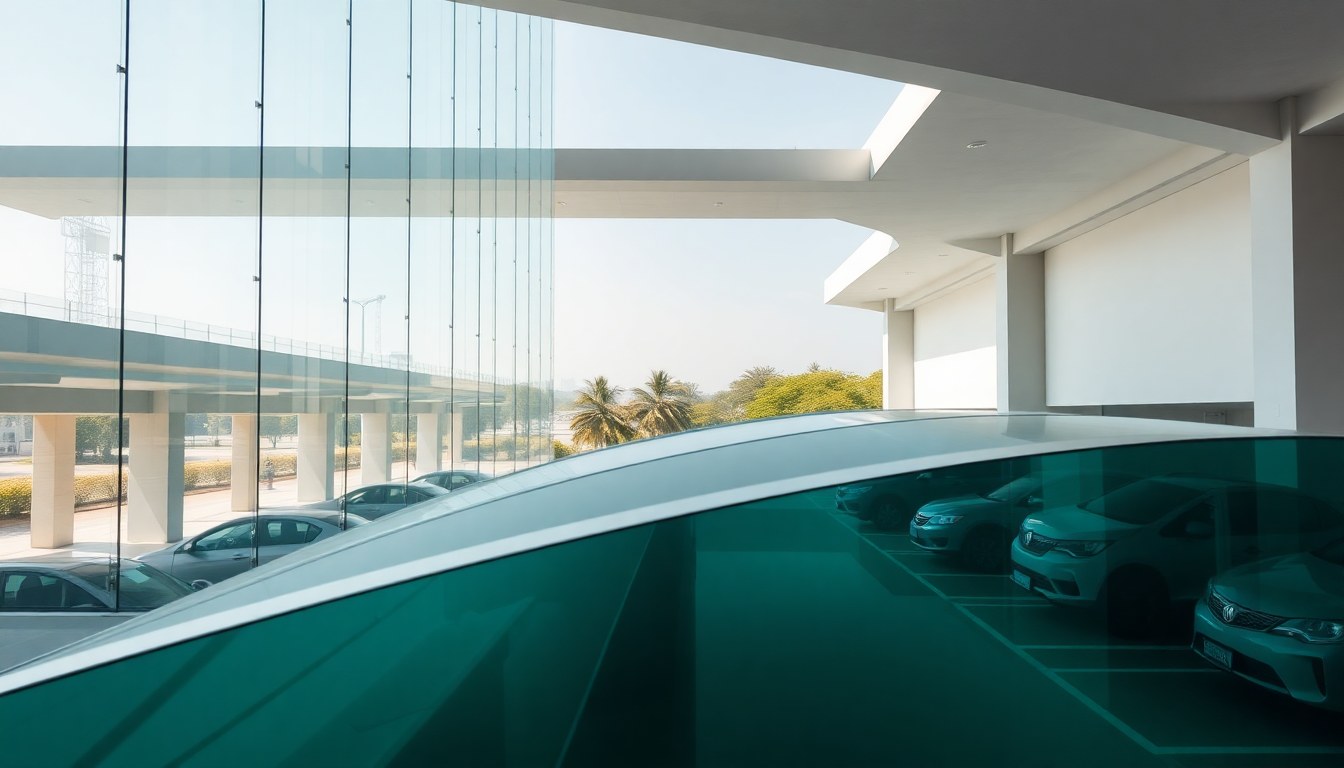
Parking your car under the blazing Indian sun can leave the steering wheel too hot to touch and the interior feeling like an oven. Tinted glass in parking structures directly addresses this problem by blocking harmful UV rays and reducing glare, keeping vehicles cooler and protecting upholstery from fading and degradation. This guide explores how tinted glass works in multi-level parking facilities and why it has become an essential feature in modern architectural design.
Understanding Tinted Glass and Its Role in Parking Design
Tinted glass is specially treated to reduce light transmission and heat gain while maintaining visibility. In parking structures, it serves both functional and aesthetic purposes—blocking solar radiation before it enters the vehicle while creating a cohesive, professional appearance across the facility.
The tinting process involves applying a thin, durable film or manufacturing glass with integrated tinting compounds. These solutions are engineered to meet specific light transmission standards while maintaining structural integrity. For parking applications, tinted glass typically allows 20–50% of visible light through, depending on the desired level of heat reduction and visibility requirements.
How Tinted Glass Differs from Standard Glass
Standard clear glass transmits approximately 88% of visible light and provides minimal UV protection. Tinted glass, by contrast, blocks 99% of UVA and UVB rays and reduces solar heat gain by 30–60%, depending on the tint grade. This difference translates directly into cooler vehicles and longer-lasting interiors.
UV Protection: Safeguarding Vehicle Interiors
Ultraviolet radiation is the primary culprit behind faded dashboards, cracked leather seats, and deteriorating plastic trim. Over time, unprotected exposure to UV rays causes significant cosmetic and structural damage to vehicle interiors, reducing resale value and requiring expensive repairs.
Tinted glass in parking structures acts as a barrier, blocking harmful UV rays before they reach parked vehicles. This protection is especially valuable in India's tropical and subtropical climate zones, where intense sun exposure is common year-round. By reducing UV transmission to near-zero levels, tinted glass preserves the original color and condition of upholstery, dashboards, and trim materials.
Long-Term Cost Savings
Vehicle owners benefit from reduced maintenance costs when their cars are parked in facilities with tinted glass. Interior refurbishment, upholstery replacement, and dashboard repair—all expensive procedures—become less frequent. Over a vehicle's lifespan, this protection can save owners thousands of rupees in restoration work.
Glare Reduction and Driver Comfort
Glare from reflective surfaces and direct sunlight creates discomfort and safety hazards for drivers navigating parking structures. Tinted glass significantly reduces glare by absorbing and diffusing incoming light, creating a more comfortable environment for entering and exiting vehicles.
Beyond comfort, reduced glare improves visibility and safety. Drivers can see clearly without squinting, reducing eye strain during the critical moments of parking and maneuvering. This is particularly important in multi-level structures where lighting conditions vary between levels and time of day. A well-designed tinted glass system ensures consistent, comfortable visibility throughout the facility.
Thermal Comfort Inside Parked Vehicles
One of the most immediate benefits of tinted glass is the reduction in interior vehicle temperature. Studies across various climates show that tinted windows can reduce interior temperatures by 10–15°C compared to standard glass. In India's hot climate, this translates to vehicles that are significantly more comfortable to enter and require less air conditioning to cool down.
Selecting the Right Tint Grade for Parking Structures
Choosing the appropriate tint grade depends on several factors: the parking structure's location, climate intensity, desired aesthetic, and local regulations. India does not impose strict national restrictions on vehicle window tinting, but parking structure designers should consider visibility requirements and safety standards.
- Light tint (70–80% light transmission): Minimal heat reduction but excellent visibility; suitable for partially covered structures or regions with moderate sun exposure.
- Medium tint (50–70% light transmission): Balanced heat and UV protection with good visibility; ideal for most multi-level parking facilities.
- Dark tint (20–50% light transmission): Maximum heat and UV blocking; best for fully exposed, open-air structures in high-heat regions.
Architects and facility managers should consult with glass specialists like Dimond Glass or CHOICE ART GLASS to determine the optimal tint grade for their specific project requirements. Structural engineers and architects such as Vidhyadhar Kakodkar - Civil & Structural Engineers can also provide guidance on integrating tinted glass into overall parking design.
Installation and Maintenance of Tinted Glass in Parking Structures
Proper installation is critical to the performance and longevity of tinted glass systems. The glass must be securely framed and sealed to prevent moisture infiltration, which can cause delamination and reduced effectiveness over time. Installation should comply with Indian Standards (IS) codes for building safety and structural integrity.
Maintenance requirements are minimal but important. Regular cleaning with mild soap and water preserves clarity and ensures consistent UV and heat blocking. Avoid abrasive cleaners that can scratch the tint coating. In coastal regions or areas with high pollution, more frequent cleaning may be necessary to maintain transparency and appearance.
Durability and Lifespan
High-quality tinted glass can last 15–20 years or more in parking structures, depending on environmental conditions and maintenance practices. UV-protective coatings gradually degrade over time, but well-installed systems retain 80–90% of their effectiveness even after extended exposure. Periodic inspection and professional cleaning can extend the lifespan further.
Design Integration and Aesthetic Considerations
Beyond functionality, tinted glass contributes to the visual identity of a parking structure. Consistent tinting across all levels creates a cohesive, modern appearance that enhances the property's overall appeal. This is particularly valuable for commercial and residential complexes where aesthetics influence tenant satisfaction and property value.
Designers can choose from various tint colors—neutral gray, bronze, and green are popular choices—to match the architectural style and surrounding environment. When working with interior designers and architects, such as those at Archidose Architects, tinted glass can be specified as part of a comprehensive design strategy that balances function and form.
Cost-Benefit Analysis for Parking Developers
The upfront cost of tinted glass is higher than standard clear glass—typically 20–40% more, depending on the tint grade and installation complexity. However, the long-term benefits justify this investment:
- Reduced tenant complaints about vehicle damage and interior heat
- Lower facility maintenance costs due to reduced heat stress on structural materials
- Increased property value and rental appeal
- Potential energy savings if the facility includes climate-controlled zones
- Enhanced safety and driver comfort, reducing liability concerns
For developers in India's competitive real estate market, tinted glass parking structures represent a value-added feature that can justify premium pricing and attract quality tenants.
Frequently Asked Questions
Does tinted glass in parking structures affect vehicle visibility when driving?
No, tinted glass in parking structures does not affect driver visibility inside the vehicle. The tinting is applied to the structure's fixed glazing, not to vehicle windows. Drivers maintain normal visibility through their car's windows. However, the reduced glare from the tinted structure makes it easier and more comfortable to see when entering or exiting the vehicle.
Can tinted glass reduce energy costs for air-conditioned parking facilities?
Yes, tinted glass can contribute to energy savings in climate-controlled parking structures. By reducing solar heat gain, the cooling system operates more efficiently and requires less energy to maintain comfortable temperatures. In facilities with significant air conditioning, these savings can be meaningful over time, though the primary benefit is protecting parked vehicles rather than cooling the structure itself.
Is tinted glass suitable for all types of parking structures in India?
Tinted glass works well in most parking applications, but suitability depends on the structure type and location. Open-air structures in high-heat regions benefit most from tinted glass. Covered or semi-covered structures in moderate climates may use lighter tints. Underground parking facilities derive minimal benefit from tinted glass since vehicles receive no direct sunlight. Consult with local architects and glass specialists to assess your specific situation.
What maintenance is required for tinted glass in parking structures?
Maintenance is straightforward: regular cleaning with mild soap and water is sufficient. Avoid abrasive cleaners, solvents, or rough cloths that can damage the tint coating. In high-pollution areas, increase cleaning frequency. Professional inspection every 2–3 years can identify any deterioration and ensure the system continues performing effectively.
How does tinted glass compare to other heat-reduction methods for parking structures?
Tinted glass is one of several approaches to reduce heat in parking structures. Alternatives include reflective coatings, shade structures, and ventilation systems. Tinted glass offers a permanent, low-maintenance solution that also provides UV protection and improves aesthetics. Many facilities combine tinted glass with other methods for optimal results. Discuss options with design professionals to find the best fit for your project.
Tinted glass has become an essential component of modern parking structure design in India, offering practical benefits that protect vehicles and enhance driver comfort. If you're planning a parking facility or considering upgrades to an existing structure, explore tinted glass options through glassy.in, India's largest glass-business directory. Connect with qualified glass suppliers, architects, and design professionals who can help you select and implement the perfect tinted glass solution for your project.