
Interior Design
Fluted & Reeded Glass: Design Ideas for Modern Interiors
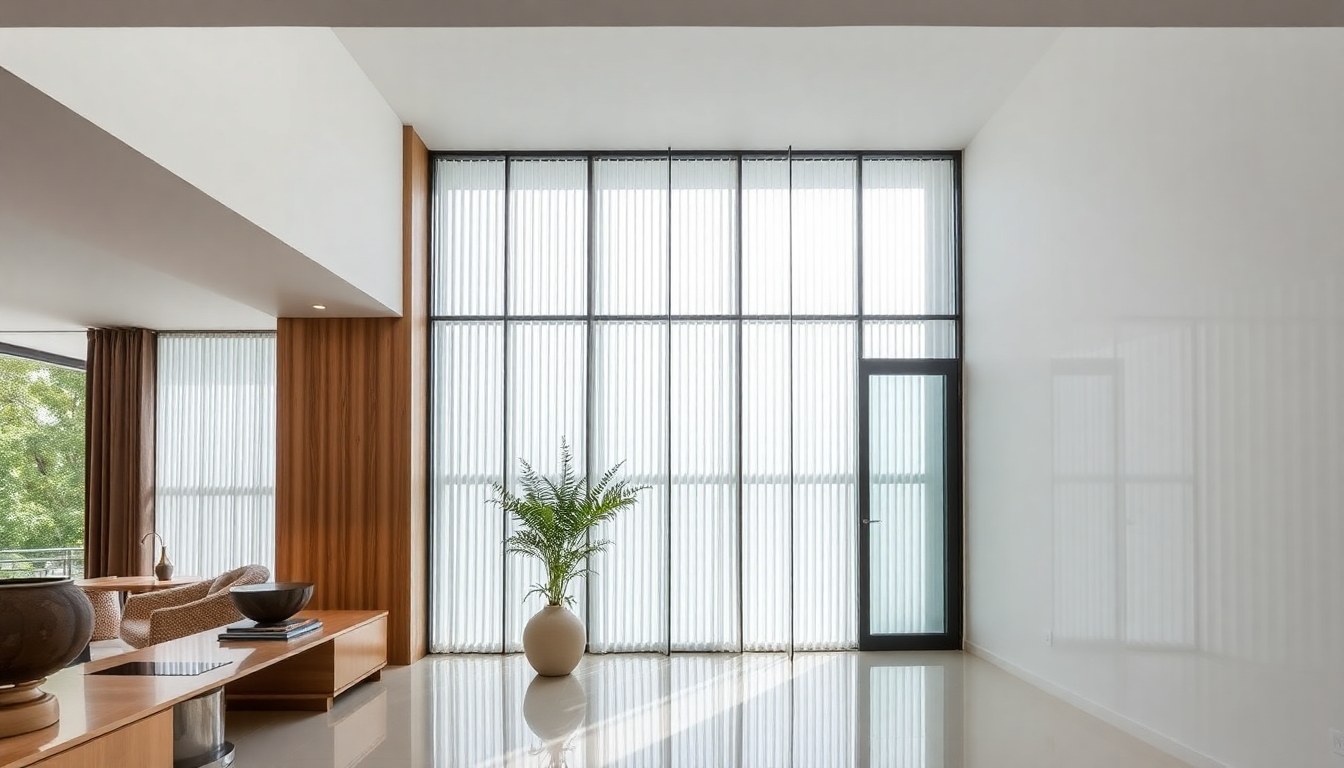
Fluted and reeded glass has become a go-to choice for designers and homeowners seeking to add visual depth and elegance to modern interiors. Unlike plain glass, these textured surfaces catch and diffuse light in captivating ways, creating dynamic visual interest while maintaining a sense of openness. Whether you're designing a residential kitchen, a corporate office, or a luxury retail space, fluted and reeded glass offers practical solutions that blend aesthetics with functionality.
What Are Fluted and Reeded Glass?
Fluted glass features parallel grooves or ridges running across its surface, creating a linear texture that can run vertically, horizontally, or diagonally. Reeded glass is similar but typically has deeper, more pronounced ridges that create a bolder visual effect. Both types are manufactured by pressing molten glass into specially designed molds or by sandblasting the surface after formation. The resulting texture refracts light beautifully, creating shadow lines that add dimension to any space.
These glasses come in various configurations—fine flutes for subtle elegance, bold reeds for dramatic impact, and custom patterns for unique design statements. They're available in clear, frosted, tinted, and colored varieties, allowing designers to match them with virtually any interior palette. The textured surface also provides functional benefits: it diffuses light more evenly than flat glass and offers increased privacy without completely blocking visibility.
Fluted Glass for Cabinet Doors and Storage
One of the most popular applications for fluted glass is in kitchen and bedroom cabinetry. Fluted glass cabinet doors allow you to display fine china, glassware, or decorative items while adding visual interest to the wall. The texture softens the appearance of contents inside, creating an elegant, curated look that works beautifully in both traditional and contemporary kitchens.
Design Considerations for Cabinet Applications
- Vertical flutes: Elongate the cabinet and draw the eye upward, ideal for standard-height cabinetry
- Horizontal reeds: Create a wider, more grounded appearance, perfect for lower kitchen islands or storage units
- Mixed patterns: Combine fluted and reeded sections within the same cabinet run for visual variety
- Lighting integration: Install LED strips inside cabinets to highlight the texture and create ambient lighting
In Mumbai and Bangalore homes, fluted glass cabinet doors have gained traction in modern kitchen designs, particularly in open-plan layouts where the kitchen is visible from living areas. The texture provides a sophisticated screen that maintains the kitchen's functionality while keeping it visually integrated with the rest of the space. Pairing fluted glass doors with brass or matte black hardware elevates the overall aesthetic and adds a touch of luxury.
Partition Walls and Room Dividers
Fluted and reeded glass partitions are ideal for creating distinct zones without sacrificing the sense of openness that modern interiors demand. Unlike solid walls, these glass partitions allow light to flow through while providing visual separation and partial privacy. They're particularly effective in home offices, studios, and commercial spaces where flexibility and transparency are valued.
Installation and Design Strategies
Fluted glass partitions can be installed as fixed walls using aluminum or steel frames, or as sliding panels for flexible space division. In a Delhi apartment, a fluted glass partition between the living room and a home office creates professional separation while maintaining visual connection. The texture ensures that work activities remain slightly obscured, reducing visual clutter while the office remains part of the overall living space.
For maximum impact, consider combining fluted glass with complementary materials. Pair vertical flutes with horizontal wooden beams, or use reeded glass with minimalist metal frames. The interplay of textures and materials creates a sophisticated, layered look that feels intentional and well-designed. Frosted fluted glass offers even greater privacy while maintaining the light-diffusing benefits of the texture.
False Ceilings and Overhead Design
Incorporating fluted or reeded glass into false ceiling designs creates a striking focal point while adding depth to overhead spaces. This application works particularly well in commercial settings—retail stores, restaurants, and hospitality venues—where dramatic design elements enhance the customer experience. In residential settings, a fluted glass soffit above a kitchen island or entryway creates visual interest and defines the space.
Lighting Considerations for Ceiling Applications
The real magic of fluted glass in ceilings emerges when combined with strategic lighting. Backlighting creates a glowing effect that transforms the texture into a sculptural element. Downlighting emphasizes the groove pattern, while ambient lighting throughout the space allows the glass to play a more subtle role. In high-end Bangalore residences, designers frequently use reeded glass panels in false ceilings with integrated LED strips, creating a luxurious, spa-like atmosphere in master bedrooms and bathrooms.
When specifying fluted glass for overhead applications, ensure proper structural support and use tempered glass for safety. The weight of glass panels requires robust framing systems, typically aluminum channels with appropriate load-bearing capacity. Professional installation is essential to ensure the ceiling performs safely and looks visually perfect.
Color and Finish Options for Contemporary Spaces
While clear fluted and reeded glass remains timeless, contemporary design increasingly embraces color and finish variations. Frosted fluted glass softens the appearance of contents or spaces beyond, creating a more ethereal quality. Tinted options—subtle grays, soft greens, or warm ambers—add personality while maintaining the sophisticated texture play.
- Clear fluted: Maintains visibility while adding texture; ideal for display cabinets
- Frosted reeded: Provides privacy with elegance; perfect for bathroom partitions
- Tinted fluted: Adds color without sacrificing light transmission; works in contemporary color schemes
- Colored reeded: Bold statement option; use sparingly as an accent feature
- Mirrored fluted: Reflects light and expands space; creates dramatic accent walls
In Indian homes, the choice between clear and frosted finishes often depends on climate considerations. Clear fluted glass in air-conditioned spaces maintains excellent visibility and light quality, while frosted options in warmer areas can help reduce heat gain while maintaining aesthetic appeal. The choice ultimately depends on your specific design goals and functional requirements.
Trend Examples and Real-World Applications
Contemporary interior design trends show fluted and reeded glass being used in increasingly creative ways. In luxury residential projects across Delhi, Mumbai, and Bangalore, designers are combining large-format fluted glass panels with natural materials like stone and wood to create sophisticated, textured interiors. The glass acts as a visual bridge between different materials, creating cohesion in eclectic designs.
Commercial applications have expanded significantly as well. High-end retail stores use reeded glass for window displays and interior partitions, creating an air of exclusivity and craftsmanship. Hospitality spaces—boutique hotels and upscale restaurants—employ fluted glass in various ways: room dividers, bar fronts, and architectural features that enhance the overall ambiance. These applications demonstrate that fluted and reeded glass works across diverse design styles, from minimalist contemporary to maximalist eclectic.
A growing trend involves combining fluted glass with smart glass technology, allowing panels to switch between transparent and opaque states electronically. While currently premium in cost, this innovation offers unprecedented flexibility for spaces that require variable privacy and light control. As technology becomes more accessible in the Indian market, expect to see more applications of smart fluted glass in luxury residential and commercial projects.
Frequently Asked Questions
Is fluted glass suitable for all interior design styles?
Yes, fluted and reeded glass adapts well to virtually any design style. In minimalist interiors, fine flutes add subtle texture without visual clutter. In maximalist or eclectic designs, bolder reeds contribute to the layered aesthetic. The key is choosing the right scale and finish—fine flutes work well in contemporary spaces, while deeper reeds suit transitional and traditional designs. The versatility of glass makes it a genuinely universal design element.
How much does fluted glass cost compared to plain glass?
Fluted and reeded glass typically costs 20-40% more than plain glass, depending on the pattern complexity, finish, and whether it's tempered or laminated. In India, prices range from ₹400-800 per square foot for standard fluted glass, with premium finishes and custom patterns commanding higher rates. Installation costs vary based on the application—cabinet doors are simpler and less expensive than partition walls or false ceiling installations. For specific pricing, it's best to consult local glass suppliers and fabricators.
Can fluted glass be used in wet areas like bathrooms?
Absolutely. Fluted glass is excellent for bathroom applications, particularly as shower enclosures, partition walls, and cabinet doors. The texture actually provides practical benefits in wet environments—it's less prone to showing water spots and fingerprints compared to plain glass. Use tempered glass for safety, and ensure proper sealing and drainage in shower applications. Frosted fluted glass is particularly popular in bathrooms because it provides privacy while allowing light transmission and maintaining the textured aesthetic.
What's the difference between fluted and reeded glass in terms of light diffusion?
Both fluted and reeded glass diffuse light, but in slightly different ways. Fluted glass, with its finer grooves, creates subtle shadow lines and softer light diffusion, making it ideal for spaces where you want gentle texture without drama. Reeded glass, with deeper, more pronounced ridges, creates bolder shadow patterns and more dramatic light play. Choose fluted glass for understated elegance and reeded glass when you want the texture to be a prominent design feature.
Is professional installation necessary for fluted glass applications?
Professional installation is highly recommended, especially for partition walls, false ceiling applications, and large cabinet installations. Proper measurement, framing, and secure installation ensure both safety and visual perfection. For smaller applications like single cabinet doors, some homeowners handle installation themselves, but precision is critical for a polished result. Consulting with experienced glass fabricators and installers ensures your project meets structural codes and achieves the desired aesthetic outcome.
Fluted and reeded glass represents an investment in both aesthetics and functionality for your interior spaces. Whether you're designing a modern kitchen, a sophisticated home office, or a luxury commercial environment, these textured glasses offer elegant solutions that enhance light, add visual interest, and elevate your design. Explore the possibilities by connecting with experienced glass suppliers and designers through the glassy.in directory—India's most comprehensive platform for glass products, services, and expertise.