
Interior Design
Glass False Ceiling Panels: Maintenance, Cleaning & Structural Load Limits
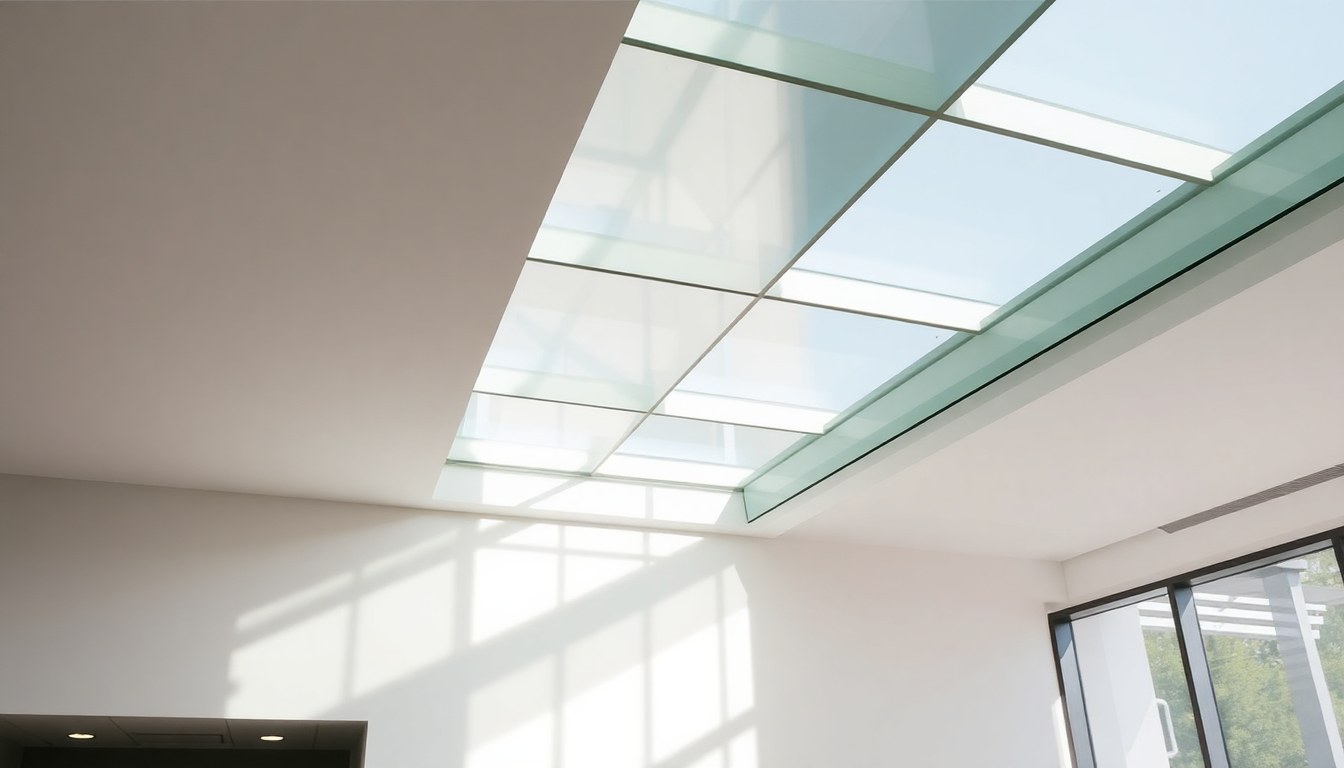
Glass false ceiling panels add elegance and light to modern interiors, but they require thoughtful care to maintain their clarity and structural integrity. Whether you've installed them in your office, retail space, or home, understanding proper cleaning techniques, load capacities, and maintenance schedules will extend their lifespan and keep them looking pristine. This guide covers everything you need to know about protecting your investment and ensuring safe, beautiful ceilings for years to come.
Understanding Glass Ceiling Panel Types and Materials
Glass false ceiling panels come in several varieties, each with different maintenance needs and load-bearing properties. Tempered glass panels are the most common choice for safety reasons—they're heat-treated to withstand impact and temperature changes better than regular annealed glass. Laminated glass panels offer additional safety by bonding two glass layers with an interlayer, preventing shattering. Frosted or textured glass provides privacy while diffusing light, though these finishes require slightly different cleaning approaches than clear glass.
The frame material—typically aluminum, steel, or wooden T-sections—also influences maintenance requirements. Aluminum frames resist corrosion naturally and require minimal upkeep, while steel frames may need occasional rust prevention treatment in humid climates. Understanding your specific panel type helps you choose appropriate cleaning products and maintenance schedules that won't damage the material.
Common Panel Dimensions and Weights
Standard glass false ceiling panels in India typically measure 600mm × 600mm, 600mm × 1200mm, or 1200mm × 1200mm. Weight varies significantly based on thickness: 4mm tempered glass weighs approximately 10 kg per square meter, while 6mm panels weigh around 15 kg per square meter. Knowing your panel specifications helps you understand load limits and plan maintenance access safely.
Cleaning Methods for Crystal-Clear Glass Ceilings
Regular cleaning prevents dust accumulation and maintains the aesthetic appeal of your glass ceiling. The frequency depends on your environment—office spaces in Delhi or Mumbai may need weekly cleaning due to urban dust, while controlled indoor environments might only need monthly attention. Establish a cleaning schedule and stick to it to prevent buildup that becomes harder to remove over time.
Step-by-Step Cleaning Procedure
- Prepare the area: Clear the space below the ceiling and lay protective coverings on floors and furniture. Turn off HVAC systems temporarily to minimize dust circulation during cleaning.
- Dust removal: Use a soft-bristled brush or microfiber duster to gently remove loose dust from the panel surface. Work systematically across the ceiling to avoid missing spots.
- Wet cleaning: Mix a solution of warm water with a few drops of mild dish soap or specialized glass cleaner. Avoid ammonia-based cleaners on tinted or coated glass panels, as they can damage the finish.
- Application: Use a soft microfiber cloth or non-abrasive sponge to apply the cleaning solution. Work in small sections, wiping in circular motions rather than back-and-forth strokes to prevent streaking.
- Drying: Buff the panels with a dry microfiber cloth immediately after wet cleaning. This prevents water spots and streaks that are particularly visible on glass ceilings.
- Frame cleaning: Wipe aluminum or steel frames with a slightly damp cloth to remove dust. For stubborn grime, use a soft brush with the soapy solution.
Products to Use and Avoid
Recommended cleaning products include distilled water mixed with white vinegar (1:1 ratio), commercial glass cleaners designed for interior use, or specialized products for frosted glass. Always test any new product on a small, inconspicuous area first. Avoid abrasive scrubbers, harsh chemical cleaners, bleach, and acetone-based products, as these can scratch the glass or damage protective coatings.
Preventing Dust Accumulation and Maintaining Air Quality
Dust accumulation on glass ceilings isn't just an aesthetic issue—it can reduce light transmission by up to 30% and harbor allergens. Prevention is more effective than frequent intensive cleaning, especially in commercial spaces where maintaining air quality matters.
Preventive Maintenance Strategies
- Install or upgrade HVAC filters to MERV 11 or higher ratings to capture finer particles before they settle on ceilings.
- Maintain proper humidity levels between 40-60% to reduce dust attraction and static electricity that draws particles to glass surfaces.
- Ensure adequate ventilation in the space to promote air circulation and prevent dust settling in corners or against panels.
- Seal gaps between panel frames and surrounding structures to minimize dust infiltration from adjacent spaces.
- Use electrostatic air purifiers in high-dust environments like workshops or retail spaces with frequent foot traffic.
- Schedule light cleaning every two weeks rather than waiting for heavy dust buildup that requires more aggressive cleaning.
In industrial or construction-adjacent environments, consider protective film or coatings that make panels easier to clean and protect the glass from damage. These temporary protective layers can be removed when construction work concludes.
Structural Load Limits and Weight Capacity
Understanding your glass ceiling's weight capacity is crucial for safety and compliance with building codes. Exceeding load limits can cause panel failure, frame bending, or even collapse—risks that are unacceptable in any setting. The load capacity depends on panel thickness, frame strength, installation method, and support structure spacing.
Typical Load Capacity Guidelines
Standard 4mm tempered glass panels with aluminum frames typically support 10-15 kg per square meter when properly installed with support spacing of 1.2 meters. Thicker 6mm panels increase this to 15-25 kg per square meter. However, these are distributed loads—concentrated point loads (like a person standing on the panel) should never exceed 50 kg in any location. Always consult your panel manufacturer's specifications and local building codes, as requirements vary across Indian states.
Never place equipment, storage boxes, or HVAC components directly on glass ceiling panels. Heavy fixtures like chandeliers or suspended lighting must be independently supported by the building structure, not by the glass panels themselves. If you need to support additional weight above the ceiling, install proper structural beams that transfer loads directly to building columns or walls.
Regular Load Assessment
Periodically inspect your ceiling installation for signs of stress: visible bending in frames, cracked or chipped glass, loose fasteners, or sagging sections. These indicate that loads may exceed safe limits or that the installation has deteriorated. Address these issues immediately by consulting with structural engineers or the original installation company.
Repairing and Replacing Damaged Panels
Even with excellent maintenance, glass panels occasionally crack, chip, or become cloudy. Knowing when to repair versus replace ensures your ceiling remains safe and attractive.
When to Repair vs. Replace
Minor surface scratches or small dust trapped between laminated glass layers don't compromise safety and can often be left as-is. Small chips (less than 1cm) at panel edges can sometimes be sealed with clear epoxy resin to prevent further cracking. However, cracks that propagate across the panel, large chips, or damage affecting the frame require full panel replacement. Tempered glass cannot be cut or drilled after manufacturing, so any significant damage means replacing the entire panel.
Replacement Procedure
Replacing a damaged panel requires careful planning. Turn off HVAC systems, clear the area below, and place protective coverings. Support adjacent panels to prevent cascading failures. Carefully remove fasteners holding the damaged panel, noting their positions for proper reinstallation. Slide the old panel out and the new panel in, ensuring proper alignment with the frame. Tighten fasteners gradually in a cross pattern to distribute pressure evenly. Finally, test the installation by gently applying pressure to ensure the panel sits securely without rocking.
For large installations or valuable spaces, hire professional installers experienced with glass ceilings. The cost of professional replacement (typically ₹2,000-5,000 per panel including labor in major Indian cities) is worth the assurance of correct installation and warranty protection.
Seasonal Maintenance and Long-Term Care
Glass ceilings benefit from seasonal attention that addresses environmental challenges specific to India's climate. During the monsoon season, ensure drainage systems around the ceiling are clear to prevent water accumulation. In summer, check that HVAC systems adequately cool the space—glass conducts heat, and poor cooling creates condensation that promotes dust adhesion and algae growth in humid areas.
Every six months, conduct a thorough inspection of all panels, frames, and fasteners. Look for rust on steel components, corrosion on aluminum (rare but possible with poor maintenance), loose bolts, or deterioration of sealants around panel edges. Address minor issues immediately before they become major problems requiring expensive repairs or replacements.
Keep detailed maintenance records including cleaning dates, repairs performed, and any issues identified. This documentation proves helpful if disputes arise about panel condition or warranty claims, and it helps you identify patterns in maintenance needs.
Frequently Asked Questions
How often should I clean glass false ceiling panels?
In most office and residential settings, clean glass ceiling panels monthly or bi-monthly. High-traffic commercial spaces, kitchens, or areas near construction sites may need weekly cleaning. The best approach is to monitor dust accumulation and clean before visible buildup occurs. Light dust removal with a soft brush between wet cleanings helps maintain clarity without requiring frequent intensive cleaning.
Can I use regular window cleaner on all types of glass ceiling panels?
Most window cleaners work on clear tempered glass, but avoid ammonia-based products on frosted, tinted, or specially coated panels. Always test any cleaner on a small area first. For frosted glass, use gentler solutions like diluted white vinegar or specialized frosted glass cleaners to avoid damaging the surface texture. When in doubt, contact your panel manufacturer for product recommendations.
What's the maximum weight I can place on glass ceiling panels?
Standard 4mm tempered glass panels support approximately 10-15 kg per square meter as distributed load, while 6mm panels support 15-25 kg per square meter. However, never place concentrated loads on glass panels themselves. Heavy fixtures must be independently supported by the building structure above the ceiling. Always consult your specific panel's technical specifications and local building codes, as requirements vary.
How do I know if my glass ceiling panel is damaged beyond repair?
Any crack that extends across the panel, large chips (over 1cm), or damage affecting the frame requires replacement rather than repair. Tempered glass cannot be cut or drilled after manufacturing, so structural damage means the entire panel must be replaced. Minor surface scratches or small edge chips may be acceptable depending on your aesthetic standards and the panel's location.
What should I do if water leaks onto my glass ceiling panels?
Address water leaks immediately to prevent damage to the panel frames and electrical components below. Dry wet panels thoroughly with soft cloths to prevent water spots and mineral deposits. Investigate and fix the leak source—whether it's a roof leak, HVAC condensation, or plumbing issue—to prevent recurrence. If water has entered between laminated glass layers, the panel will eventually need replacement as the moisture cannot be removed.
Conclusion
Glass false ceiling panels transform spaces with natural light and modern aesthetics, but they require thoughtful maintenance to preserve their beauty and ensure safety. Regular cleaning with appropriate products, preventive dust control measures, and understanding load limits keep your ceiling performing optimally. Address repairs promptly and conduct seasonal inspections to catch issues before they become expensive problems. When you're ready to install new glass ceiling panels or need professional guidance on maintenance, explore the extensive network of glass suppliers and installation specialists on glassy.in—India's largest glass-business directory connecting you with trusted professionals across the country.