
Interior Design
Mirrored Glass Shopfront Design Trends 2026: Maximizing Retail Appeal
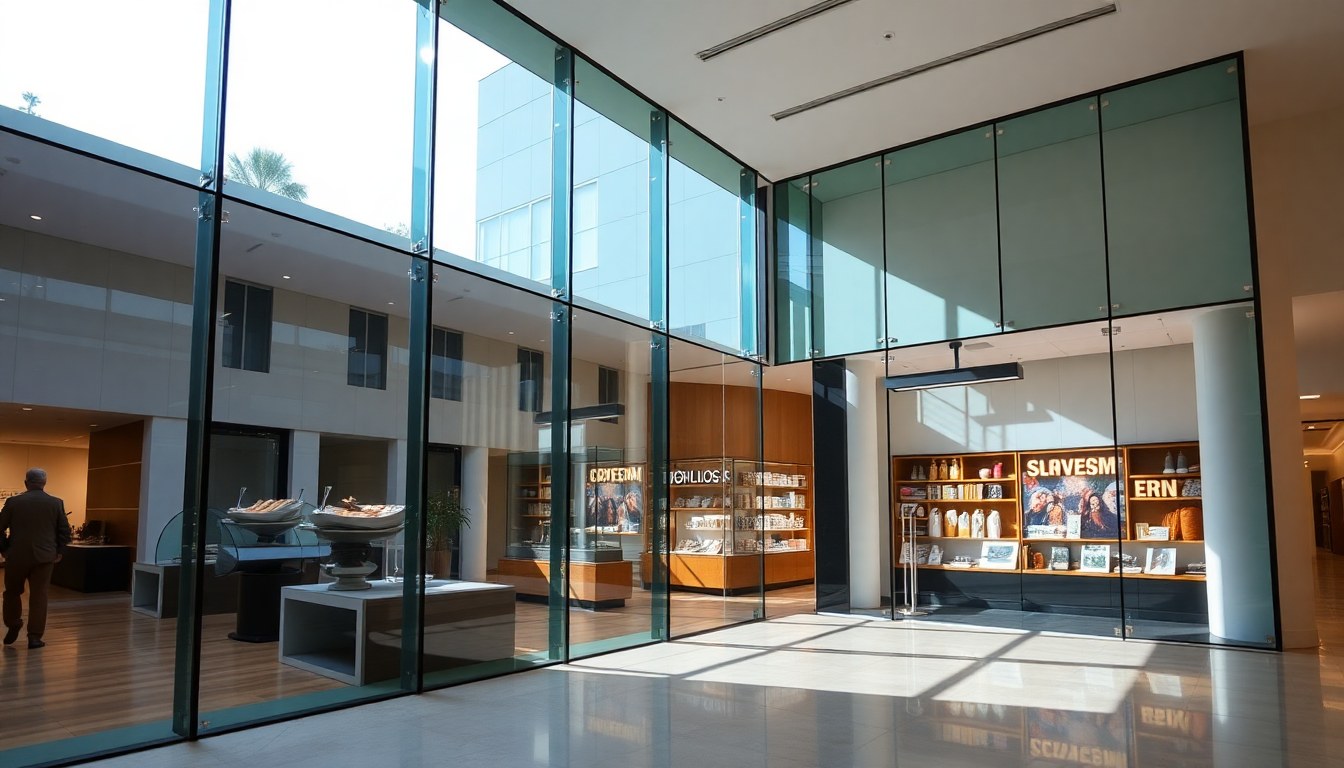
Mirrored glass shopfronts have become a game-changing design strategy for retailers across India and globally, combining aesthetic appeal with practical benefits that directly impact foot traffic and sales. In 2026, the trend has evolved beyond simple reflective surfaces to sophisticated installations that create infinity effects, amplify natural light, and psychologically influence customer perception of space. Whether you run a boutique in Mumbai, a jewelry store in Delhi, or a lifestyle brand in Bangalore, understanding how to leverage mirrored glass design can transform your storefront into a magnetic retail destination.
The Psychology Behind Mirrored Glass in Retail Design
Mirrors have long been a staple in retail environments, but modern applications go far deeper than narcissism. When customers see themselves reflected in a shopfront, they unconsciously pause—creating a micro-engagement moment that increases the likelihood of entering the store. This psychological principle, known as the "mirror effect," is amplified when combined with strategic lighting and product placement.
Mirrored glass also creates a sense of abundance. A shop displaying 50 items can appear to stock 100 through intelligent mirror placement, creating an illusion of choice and variety. This perceived abundance triggers a psychological response that makes customers feel they're entering a well-stocked, premium establishment. For high-end retailers—jewelry stores, fashion boutiques, and luxury goods shops—this perception directly correlates with perceived value and willingness to purchase.
Creating Infinity Effects and Spatial Illusions
One of the most striking 2026 trends is the use of mirrored glass to create infinity effects—where mirrors are positioned to reflect each other, creating the illusion of endless depth and space. This technique is particularly effective in compact retail spaces common in Indian city centers where square footage comes at a premium.
Strategic Mirror Placement Techniques
The most effective infinity effects come from placing mirrors at specific angles and distances. Facing mirrors directly opposite each other create the classic infinite corridor effect, while angled mirrors (45-60 degrees) create more subtle depth without disorientation. For storefronts, the trend in 2026 leans toward partial mirroring—where 40-60% of the facade uses mirrored glass while the remaining portion features clear glass displays or matte finishes. This balanced approach maintains the visual appeal while preserving sightlines to actual merchandise.
Vertical mirror placement is particularly effective for narrow storefronts. By extending mirrors from floor to ceiling, retailers create the illusion of towering interiors, making cramped spaces feel more expansive. This technique has become especially popular in Delhi's high-street locations and Mumbai's shopping districts, where retail spaces are often squeezed between other businesses.
Lighting Integration with Mirrored Surfaces
Mirrored glass only reaches its full potential when paired with strategic lighting. LED strips positioned behind or alongside mirrors amplify light distribution, creating a brighter, more inviting storefront that stands out during evening hours. In 2026, smart lighting systems that adjust color temperature throughout the day are becoming standard—warm light in evenings to create intimacy, cool light during daytime to highlight merchandise clarity.
Mirrored Glass Shopfront Design for Different Retail Sectors
The application of mirrored glass varies significantly depending on retail category. Understanding sector-specific best practices helps retailers maximize the impact of their design investment.
Fashion and Apparel Retail
Fashion retailers benefit enormously from mirrored storefronts. Mirrors positioned at eye level allow customers to see themselves in outfit combinations as they pass, creating a personal connection to the merchandise. High-end fashion brands in Mumbai's Bandra and Delhi's Khan Market are increasingly using floor-to-ceiling mirrored sections that create dramatic visual impact while allowing customers to envision themselves wearing displayed items.
Jewelry and Luxury Goods
For jewelry stores, mirrored glass serves dual purposes: it amplifies the sparkle of diamonds and precious metals, and it creates an atmosphere of exclusivity and premium positioning. The infinity effect is particularly powerful here—a modest jewelry collection can appear far more extensive through strategic mirroring. Many Bangalore jewelry retailers are adopting segmented mirrored designs where different product categories are reflected in distinct mirror sections, creating visual organization and elegance.
Beauty and Personal Care
Beauty stores leverage mirrors to invite customers to examine their reflection and imagine product benefits. Mirrored storefronts encourage self-examination, which is a critical first step in the customer journey for cosmetics, skincare, and personal care products. The trend in 2026 includes interactive mirrored displays with integrated digital screens that allow customers to virtually try products before entering.
Technical Considerations and Glass Quality Standards
Not all mirrored glass is created equal, and the quality of materials directly impacts both aesthetics and durability. For shopfront applications, retailers must prioritize specific technical specifications to ensure their investment stands the test of time.
Mirror Coating and Durability
Traditional silver-backed mirrors can deteriorate in outdoor environments, developing spots and discoloration within 2-3 years. Modern shopfront mirrors use advanced coatings—typically aluminum or copper-backed with protective layers—that resist oxidation and maintain reflectivity for 10+ years. The cost difference between basic mirrors (₹150-300 per square foot) and premium shopfront-grade mirrors (₹400-700 per square foot) is significant, but the longevity justifies the investment for retail applications.
In India's diverse climate zones, this matters considerably. Coastal areas like Goa and Kerala require corrosion-resistant coatings, while Delhi and northern regions need mirrors that withstand temperature fluctuations. High-quality mirrored glass should carry certifications confirming UV resistance and environmental durability.
Safety and Structural Requirements
Shopfront mirrors must meet safety standards, particularly in high-traffic areas. Tempered mirrored glass is non-negotiable for public-facing retail—it shatters into small, harmless pellets rather than sharp shards if broken. Additionally, mirrors must be securely installed with proper framing and support systems to prevent accidents. Many Indian retailers overlook this, but it's critical for liability protection and customer safety.
Installation and Maintenance Best Practices
The visual impact of mirrored glass shopfronts depends heavily on proper installation and ongoing maintenance. A poorly maintained mirror creates the opposite effect—it appears cheap and neglected rather than premium and inviting.
Installation considerations: Mirrored glass should be installed by specialists familiar with retail applications. Improper installation can lead to condensation between mirror layers, visible seams, or misalignment that disrupts the infinity effect. For shopfronts, installation should account for structural support, weatherproofing, and integration with existing storefronts.
Maintenance schedule: Mirrored storefronts require weekly cleaning to maintain visual impact. Dust, fingerprints, and weather residue quickly diminish the reflective quality. Many successful retailers in India's major cities employ dedicated staff or contract professional cleaning services specifically for storefront maintenance. The cost—typically ₹2,000-5,000 monthly depending on storefront size—is minimal compared to the sales impact of a pristine, gleaming facade.
Cost-Benefit Analysis and ROI for Retailers
Investing in mirrored glass shopfront design requires capital outlay, but the return on investment is measurable and substantial for most retail operations. A typical shopfront mirroring project in an Indian city costs between ₹50,000-200,000 depending on size and material quality. For a 200-square-foot storefront using premium mirrored glass with professional installation, expect costs around ₹80,000-120,000.
The benefits materialize quickly: retailers report 15-30% increases in foot traffic within the first month of mirrored shopfront installation, according to retail design case studies. Increased foot traffic directly translates to increased conversion opportunities. Even a modest 10% increase in daily customer interactions can generate ₹50,000-100,000+ in additional monthly revenue for most retail operations, creating payback within 1-2 months.
Beyond immediate sales impact, mirrored shopfronts enhance brand perception, making stores appear more upscale and professional. This psychological positioning allows retailers to maintain or increase pricing without customer resistance, further improving margins.
Frequently Asked Questions
How much does a mirrored glass shopfront cost in India?
Mirrored glass shopfront costs range from ₹150-700 per square foot depending on quality and specifications. A typical 200-square-foot shopfront using standard commercial-grade mirrored glass costs ₹30,000-60,000 for materials, with installation adding another ₹20,000-40,000. Premium options with advanced coatings and specialized framing can reach ₹100,000+ for the same space. Prices vary by city and supplier availability.
Does mirrored glass really increase retail sales?
Yes, multiple retail design studies document 15-30% increases in foot traffic following mirrored shopfront installation. The psychological effects—mirrors creating perceived abundance, inviting self-reflection, and creating visual interest—directly influence customer behavior. However, the sales increase depends on other factors including product quality, pricing, and overall store experience. Mirrored glass amplifies appeal but doesn't compensate for poor products or service.
What's the difference between regular mirrors and shopfront-grade mirrored glass?
Regular mirrors use silver backing that oxidizes and deteriorates in 2-3 years, especially outdoors. Shopfront-grade mirrored glass uses aluminum or copper backing with protective coatings that resist environmental damage for 10+ years. Additionally, retail mirrors must be tempered for safety and installed with proper structural support. The cost difference (₹250-400 per square foot) is justified by durability and safety compliance.
How often should mirrored storefronts be cleaned?
Mirrored storefronts should be cleaned weekly to maintain visual impact and reflective quality. Monthly professional cleaning is recommended for high-traffic areas. Daily spot-cleaning of fingerprints and dust maintains the premium appearance between professional cleanings. The maintenance cost—₹2,000-5,000 monthly—is minimal compared to the sales benefits of a pristine storefront.
Can mirrored glass work for all types of retail stores?
Mirrored glass works effectively for most retail sectors—fashion, jewelry, beauty, luxury goods, and lifestyle brands see the strongest results. However, it's less suitable for grocery stores or discount retailers where the premium positioning created by mirrors may conflict with brand positioning. Additionally, certain stores (like those selling fresh produce) may find mirrors less practical. Evaluate whether the mirrored aesthetic aligns with your brand identity and target customer expectations.
Transform Your Storefront Today
Mirrored glass shopfront design is no longer a luxury—it's a competitive necessity in 2026's retail landscape. Whether you're launching a new store or refreshing an existing shopfront, strategic use of mirrored glass can dramatically increase customer appeal, perceived space, and ultimately, sales. Explore premium mirrored glass suppliers and installation specialists through the glassy.in directory to find trusted partners in your city who can bring your retail vision to life.