
Interior Design
Fluted Glass vs Reeded Glass: Design Differences & When to Use Each
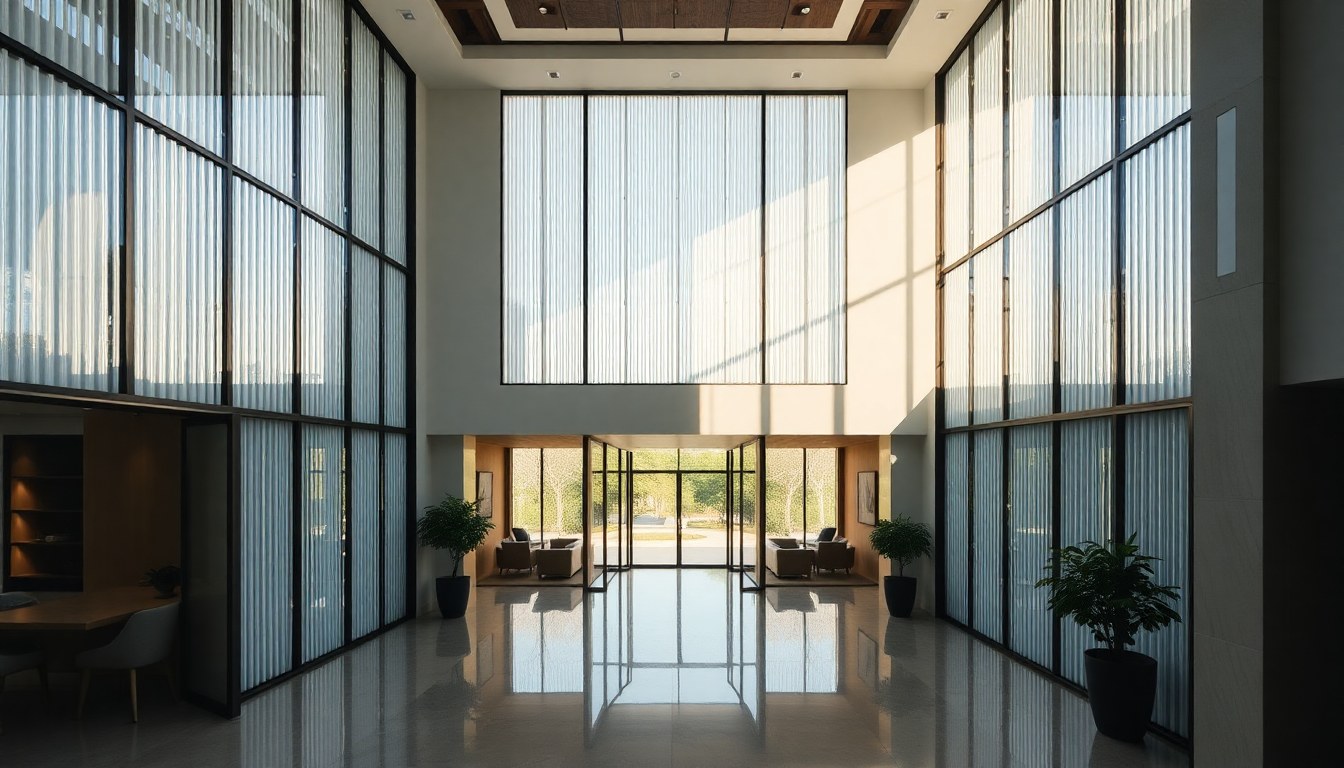
When designing modern interiors with textured glass, choosing between fluted and reeded glass can make or break your aesthetic and functional goals. Both patterns provide privacy and visual interest, but they work in distinctly different ways—fluted glass features deep vertical grooves that run parallel, while reeded glass displays raised parallel ridges that create a reverse effect. Understanding these differences helps you select the right glass for partitions, shower screens, room dividers, and decorative applications.
What Is Fluted Glass?
Fluted glass is created by pressing molten glass into molds that contain parallel vertical grooves or channels. These grooves run the full length or width of the glass sheet, creating a pattern of recessed lines. The result is a textured surface that catches and scatters light in a soft, diffused manner. Fluted glass has been used in architecture and interior design for decades, offering both functional privacy and aesthetic appeal.
The depth of the flutes can vary depending on the manufacturing process and the specific design. Deeper flutes create more dramatic shadows and greater light diffusion, while shallower flutes offer a subtler effect. This versatility makes fluted glass suitable for a wide range of interior styles, from contemporary minimalist spaces to more traditional or transitional designs.
Visual Characteristics of Fluted Glass
- Deep vertical grooves or channels running parallel to each other
- Recessed pattern that creates natural shadow lines
- Soft, diffused light transmission through the grooves
- Creates a sense of depth and dimension on flat surfaces
- Visible texture when viewed from both sides
What Is Reeded Glass?
Reeded glass is essentially the opposite of fluted glass. Instead of grooves that recess into the surface, reeded glass features raised parallel ridges or ribs that project outward. These ridges are created through a similar pressing process but with inverted molds. When light hits reeded glass, it reflects off the raised surfaces, creating a different visual and functional effect compared to fluted glass.
Reeded glass offers a more pronounced three-dimensional appearance due to its raised pattern. The ridges catch light and create stronger highlights, making the texture more visually prominent. This makes reeded glass an excellent choice when you want the textured pattern to be a focal design element rather than a subtle background feature.
Visual Characteristics of Reeded Glass
- Raised parallel ridges or ribs projecting from the surface
- Pattern creates prominent highlights and shadows
- More three-dimensional appearance than fluted glass
- Stronger light reflection off raised surfaces
- Texture is more visually striking and bold
Key Design Differences: Fluted vs Reeded Glass
The fundamental design difference between these two glass types lies in their surface structure and how they interact with light. Fluted glass absorbs and diffuses light through its recessed grooves, creating a softer, more subdued aesthetic. Reeded glass reflects and highlights light off its raised ridges, producing a bolder, more dramatic effect.
From a visual weight perspective, reeded glass tends to feel heavier and more textured, while fluted glass appears lighter and more refined. This distinction is important when considering the overall design scheme of your space. If you're working with Eka Studio By Sana, a modern interior designer in Delhi, they can help you assess which pattern complements your architectural vision.
Light Diffusion and Privacy Levels
Both fluted and reeded glass provide privacy, but in different degrees. Fluted glass, with its recessed grooves, diffuses light more evenly and tends to obscure details more effectively. The grooves scatter light rays in multiple directions, making it harder to see through the glass clearly. This makes fluted glass ideal for bathroom partitions and spaces where privacy is paramount.
Reeded glass, while still providing privacy through its raised ridges, allows slightly more light transmission due to the way its surfaces reflect rather than absorb light. The raised pattern is visible from both sides, but the distortion is somewhat less pronounced than fluted glass. For applications where you want privacy without complete opacity, reeded glass can be an excellent middle ground.
Best Applications for Fluted Glass
Fluted glass works exceptionally well in shower enclosures and bathroom partitions where maximum privacy is desired. The deep grooves effectively obscure the view while still allowing natural light to filter through, creating a spa-like ambiance. Fluted glass is also popular for:
- Shower screens and bathroom doors – provides complete privacy while maintaining brightness
- Room dividers and partition walls – creates visual separation without total isolation
- Cabinet doors and shelving – adds texture while softly displaying items behind the glass
- Skylights and ceiling panels – diffuses overhead light evenly throughout a space
- Decorative interior walls – adds subtle texture to accent walls in contemporary or minimalist designs
The soft, light-diffusing properties of fluted glass make it particularly suited to spaces where you want to maintain a sense of openness while creating privacy. Interior designers like those at Perfect Home often recommend fluted glass for modern residential projects where subtle sophistication is valued.
Best Applications for Reeded Glass
Reeded glass is ideal when the textured pattern itself should be a design statement. Its raised ridges create visual interest and architectural drama, making it perfect for feature walls and prominent interior elements. Reeded glass works best for:
- Feature walls and accent panels – the bold texture becomes a focal point
- Decorative room dividers – creates visual interest while maintaining some transparency
- Storefront and retail displays – the prominent texture attracts attention and adds sophistication
- Office partitions – provides privacy while maintaining a modern, professional aesthetic
- Decorative screens and room separators – the raised pattern is beautiful from both sides
- Architectural glass installations – works well in contemporary and industrial design schemes
When you want the glass itself to be a design element rather than simply functional, reeded glass delivers impact. Working with specialists like BM Design Studio can help you integrate reeded glass into a cohesive interior design plan.
Maintenance, Cost, and Practical Considerations
Both fluted and reeded glass require regular cleaning to maintain their appearance. Fluted glass's recessed grooves can trap dust and water spots, requiring slightly more attention during cleaning. A soft brush or microfiber cloth works well for reaching into the grooves. Reeded glass's raised ridges are easier to wipe clean but may show fingerprints more readily due to the light-reflecting surfaces.
From a cost perspective, fluted and reeded glass are similarly priced, with variations depending on the glass thickness, size, and manufacturing process. Standard fluted or reeded glass typically ranges from ₹500 to ₹1,500 per square foot in India, though custom or specialty finishes can cost more. Both are widely available through glass dealers and suppliers across the country.
Installation considerations are similar for both types. They require sturdy framing and proper sealing, particularly in wet areas like bathrooms. If you're sourcing materials, suppliers like Naman Glass in Ajmer can provide quality options and professional guidance on selection and installation requirements.
Frequently Asked Questions
Can you see through fluted and reeded glass?
Both fluted and reeded glass provide privacy by obscuring clear details, but you can still see light and general shapes through them. Fluted glass tends to obscure more effectively due to its light-diffusing grooves, while reeded glass allows slightly more light transmission. Neither type provides complete opacity unless specifically treated with additional privacy coatings.
Which is better for shower screens: fluted or reeded glass?
Fluted glass is generally preferred for shower screens because its recessed grooves provide superior privacy and light diffusion, creating a spa-like atmosphere. The grooves also help hide water spots and soap residue more effectively than reeded glass. However, reeded glass can work well if you prefer a bolder, more architectural aesthetic.
Is reeded glass more durable than fluted glass?
Both fluted and reeded glass have similar durability when made from quality tempered glass. The raised ridges of reeded glass are not inherently weaker than the recessed grooves of fluted glass. Durability depends more on the glass thickness, quality of tempering, and proper installation than on the pattern type.
Can fluted or reeded glass be combined with other glass types?
Yes, both can be combined with clear, frosted, or tinted glass to create custom designs. Many interior projects use fluted or reeded glass as a feature element alongside clear glass panels. This approach allows you to balance privacy with views and create visually interesting, functional spaces.
How do I clean fluted and reeded glass effectively?
Use a soft microfiber cloth and a glass cleaner for both types. For fluted glass, a soft brush or old toothbrush can help clean inside the grooves. For reeded glass, wipe along the direction of the ridges. Avoid abrasive cleaners or scouring pads that could damage the glass surface. Squeegee tools work well for shower screens after each use to prevent water spot buildup.
Make Your Choice with Confidence
Choosing between fluted and reeded glass depends on your specific design goals, privacy needs, and aesthetic preferences. Fluted glass excels at providing privacy with soft light diffusion, making it ideal for bathrooms and spaces where subtlety is valued. Reeded glass makes a bold design statement with its raised ridges and is perfect for feature walls and contemporary interiors where texture should shine.
Ready to incorporate textured glass into your next project? Browse the glassy.in directory to connect with experienced glass suppliers, architects, and interior designers across India who can help you source and install the perfect fluted or reeded glass solution for your space.