
Interior Design
Mirrored Glass Accent Walls: Design Trends and Installation Pitfalls in 2026
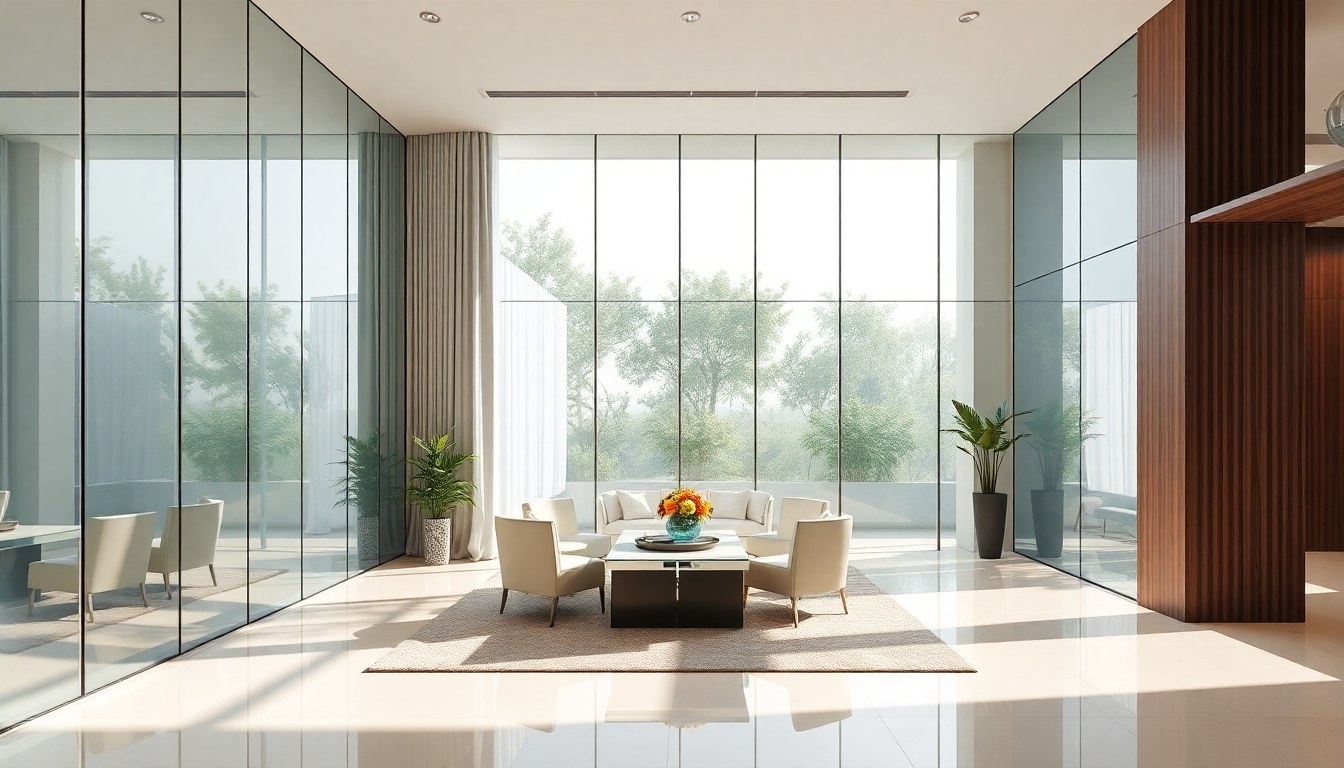
Mirrored glass accent walls have emerged as one of the most sophisticated interior design trends for 2026, offering homeowners and designers a powerful tool to amplify light, create depth, and make bold visual statements. Whether you're working with a compact Mumbai apartment or a sprawling Bangalore villa, mirror walls can transform any space—but only if installed correctly and maintained properly. This guide walks you through the latest design approaches, installation methods, and common pitfalls to help you create a stunning mirrored focal point without costly mistakes.
The Rise of Mirrored Accent Walls in 2026 Interior Design
Mirrored glass accent walls have moved beyond bathroom vanities and small dressing rooms into living spaces, bedrooms, and commercial interiors. The trend reflects a broader shift toward maximizing natural light and creating illusions of space—essential in India's urban environments where square footage comes at a premium. Designers are experimenting with partial mirrors (covering 50-70% of a wall), geometric patterns, and mixed-material combinations that blend mirrors with wood, concrete, or textured plaster.
What makes this trend particularly appealing is its versatility. A mirrored accent wall works equally well in minimalist Scandinavian-inspired homes and maximalist eclectic spaces. The key is choosing the right wall, the right mirror type, and the right mounting method. In 2026, we're seeing a move away from wall-to-wall mirror coverage toward more intentional, curated placements that feel contemporary rather than dated.
Design Trends: Layouts and Aesthetic Approaches
Geometric and Modular Patterns
Rather than installing one continuous mirror, designers are arranging smaller mirror tiles or panels in geometric patterns—hexagons, diamonds, chevrons, and asymmetrical grids. This approach is safer structurally, easier to install, and creates visual interest. A hexagonal mirror arrangement in a Pune home's bedroom accent wall, for instance, draws the eye upward and makes the space feel more dynamic than a flat, uniform surface.
Modular mirror systems also allow for easier replacement if a single panel gets damaged, a practical advantage in India's humid coastal regions where salt air can affect adhesives and seals.
Mixed-Material Combinations
The trend of combining mirrors with other materials—wood frames, black metal grids, or textured wall finishes—is gaining momentum. A mirrored accent wall with wooden or metal dividers creates visual rhythm and prevents the "cold" feeling that full-coverage mirrors can sometimes produce. This approach is particularly popular in residential interiors across Delhi and Bangalore, where it bridges modern and traditional aesthetics.
Partial and Asymmetrical Coverage
Complete wall coverage is being replaced by strategic placement. Some designers place mirrors only in the upper half of a wall, while others create asymmetrical arrangements that feel intentional and curated. This reduces material costs and installation complexity while maintaining visual impact.
Optical Illusions: Making Small Spaces Feel Larger
One of the primary reasons homeowners choose mirrored accent walls is their ability to amplify natural light and create the illusion of increased space. When positioned opposite a window, mirrors reflect sunlight throughout the room, reducing the need for artificial lighting and creating a brighter, airier atmosphere. In compact Mumbai flats where natural light is limited, this effect is invaluable.
However, the illusion only works with proper placement. A mirror placed on a dark, interior wall won't amplify light effectively. The most successful installations position mirrors to reflect windows, light fixtures, or other bright elements. Vertical mirrors elongate rooms, while horizontal arrangements can make spaces feel wider. Angled or beveled mirrors add sophistication and break up reflections that might otherwise feel disorienting.
For small bedrooms or living rooms, a mirrored accent wall behind a sofa or bed creates depth without consuming floor space. The reflection tricks the eye into perceiving greater distance, making the room feel 20-30% larger—a significant advantage in India's urban housing market.
Installation Methods: Adhesive vs. Framed Mounting
Adhesive (Direct Adhesion) Method
Direct adhesion involves applying mirror-grade adhesive directly to the wall and pressing mirror panels or tiles onto the surface. This method is cost-effective and creates a seamless look, but it requires meticulous surface preparation and carries risks if done incorrectly.
- Advantages: Lower labor costs, seamless appearance, no visible frames or hardware
- Disadvantages: Permanent installation (difficult to remove), requires perfectly level walls, adhesive can fail in humid conditions, difficult to replace individual panels
- Best for: Permanent installations in dry climates, geometric tile patterns where seams are intentional
In India, adhesive installation requires special attention to humidity and moisture. Coastal cities like Kochi and Goa experience high humidity that can compromise mirror adhesive over time. Premium mirror adhesive rated for humid environments is essential—products specifically formulated for Indian climates cost 20-30% more but last significantly longer.
Framed or Track-Mounted Method
Framed mounting uses metal or wooden frames to hold individual mirror panels, which are then secured to the wall using brackets or tracks. This method offers flexibility and is easier to install and modify.
- Advantages: Easy to remove or replace individual panels, works on uneven walls, allows for design flexibility, better moisture resistance
- Disadvantages: Visible frames may not suit all aesthetics, slightly higher material costs, requires precision in frame alignment
- Best for: Rental properties, humid regions, designs that feature frames as a design element, modular installations
Track systems are increasingly popular in Indian homes because they accommodate wall imperfections common in older buildings. A Delhi apartment with slightly uneven walls can still achieve a professional look using framed mirrors, whereas adhesive installation would require costly wall preparation.
Hybrid Approaches
Some installations combine both methods—adhesive for small tiles in geometric patterns and framing for larger panels. This hybrid approach offers the best of both worlds: seamless aesthetics where needed and flexibility where beneficial.
Common Installation Pitfalls and How to Avoid Them
Even experienced installers make mistakes with mirrored accent walls. Understanding common pitfalls can save you thousands of rupees in repairs or complete reinstallation.
- Poor wall preparation: Dust, moisture, or uneven surfaces prevent adhesive from bonding properly. Always prime and seal walls before installation. In humid regions, apply moisture barriers first.
- Using low-quality adhesive: Budget adhesives fail within months, especially in India's varying climate conditions. Invest in mirror-grade, humidity-resistant products from reputable manufacturers.
- Inadequate support for large panels: Mirrors heavier than 15-20 kg require temporary bracing during adhesive curing. Failure to support them properly results in sagging or falling panels—a safety hazard.
- Ignoring structural limits: Walls must support the weight. Drywall-only partitions may need reinforcement before bearing a full mirror installation. Consult structural guidelines or a professional before proceeding.
- Overlooking sealing and waterproofing: Unsealed edges allow moisture to penetrate behind mirrors, causing adhesive failure and mold growth. Always seal edges with silicone or appropriate sealants.
- Misaligning frames or tiles: Even 2-3mm misalignment becomes obvious over a large wall. Use laser levels and measurement guides religiously.
- Inadequate ventilation during installation: Adhesive fumes require proper airflow. Ensure the room is well-ventilated during and after installation.
Maintenance and Long-Term Care
Mirrored accent walls require ongoing maintenance to preserve their appearance and structural integrity. The type of maintenance depends on your installation method and regional climate.
Cleaning: Use microfiber cloths and glass-specific cleaners to avoid streaks. Avoid abrasive materials that scratch the reflective coating. For large installations, professional cleaning services (available in major Indian cities) cost ₹2,000-5,000 annually but extend mirror lifespan significantly.
Moisture management: In humid climates, inspect seals and edges quarterly. Any visible moisture or mold behind mirrors indicates adhesive failure. Address this immediately to prevent further deterioration. Dehumidifiers in rooms with mirrored walls help maintain optimal moisture levels.
Checking structural integrity: Periodically check that framed mirrors remain securely fastened and that adhesive-mounted mirrors show no signs of separation. Early intervention prevents safety hazards and costly replacements.
Addressing damage: Small scratches or chips in the reflective coating can be addressed with touch-up products, but large damage typically requires panel replacement. Framed installations allow for individual panel replacement; adhesive installations may require removing and reinstalling larger sections.
Frequently Asked Questions
How much does a mirrored accent wall cost in India?
Costs vary significantly based on size, mirror quality, and installation method. A basic adhesive-mounted mirror wall (approximately 100 sq. ft.) costs ₹15,000-30,000 for materials and ₹10,000-20,000 for labor in major cities. Premium framed installations with high-quality mirrors and professional installation can reach ₹50,000-1,00,000. Factors affecting price include mirror thickness (4mm to 8mm), reflectivity grade, frame materials, and regional labor rates. Bangalore and Mumbai typically charge 15-20% more than Tier-2 cities.
Can mirrored walls be installed in bathrooms?
Yes, but with important caveats. Bathrooms have high humidity and temperature fluctuations that challenge mirror adhesives. Use moisture-resistant, humidity-rated adhesives specifically designed for wet environments. Ensure proper ventilation and consider framed installations over adhesive methods in bathrooms. Seal all edges thoroughly to prevent water penetration. In India's tropical regions, bathroom mirrors require quarterly inspection and maintenance to prevent adhesive failure and mold growth behind the panels.
Will a mirrored accent wall make my room feel cold or unwelcoming?
Not if designed thoughtfully. Full-coverage mirror walls can feel sterile, but partial coverage, geometric patterns, or mixed-material designs create warmth and visual interest. Combining mirrors with wood frames, warm lighting, and textured adjacent walls balances the reflective quality. The key is intentional design—treating the mirror as an accent, not the dominant feature. Many successfully designed spaces in Delhi and Bangalore use mirrors alongside warm color palettes and natural materials to create sophisticated, inviting environments.
How do I know if my wall can support a mirrored installation?
Solid concrete or brick walls (common in Indian homes) support full mirror installations without reinforcement. Drywall partitions may need structural assessment, especially for large, heavy mirror panels. A structural engineer or experienced contractor can evaluate your wall's load-bearing capacity for ₹1,000-3,000. As a general rule, walls must support at least 50 kg per square meter for safe mirror installation. Never install mirrors on partition walls without professional verification.
What's the best mirror type for accent walls?
Low-iron or ultra-clear glass mirrors offer superior reflectivity and clarity compared to standard mirrors. For Indian climates, prioritize mirrors with UV-protective coatings to prevent degradation from intense sunlight. Thickness should be at least 4mm for safety and durability; 6-8mm is preferable for larger panels. Beveled or antique mirror finishes add sophistication and are increasingly popular in 2026 designs. Always source mirrors from reputable manufacturers who provide warranties and quality certifications.
Transform Your Space with Professional Mirrored Glass Installation
Mirrored glass accent walls offer remarkable potential to elevate your interior design, amplify natural light, and create the illusion of spaciousness—but success depends on informed decisions about design, installation method, and maintenance. Whether you're drawn to geometric patterns, mixed-material combinations, or classic full-coverage designs, understanding the trends and pitfalls of 2026 ensures your investment delivers lasting beauty and functionality. Browse qualified glass suppliers, installers, and designers in your city on glassy.in to find the right professionals for your mirrored accent wall project. Our comprehensive directory connects you with vetted glass businesses across India, ensuring quality installation and expert guidance for your home transformation.