
Glass Facades
Tinted Glass for Facades: UV Protection & Aesthetic Benefits
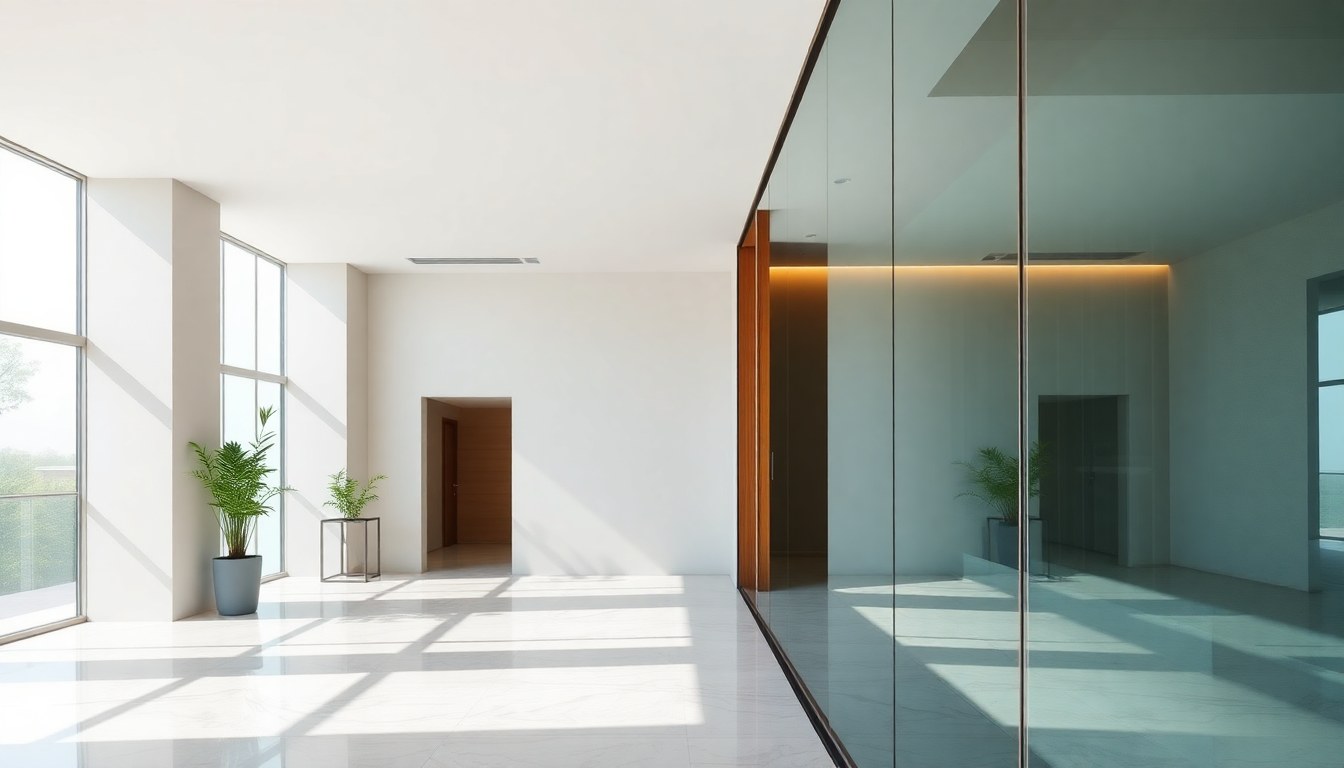
Modern building facades demand more than just structural integrity—they must protect occupants from harmful UV radiation, reduce energy consumption, and create striking architectural statements. Tinted glass has emerged as a practical solution that combines all three benefits, offering property developers and architects a versatile material for commercial and residential exteriors across India. Whether you're designing a corporate tower in Mumbai, a retail complex in Bangalore, or a hospitality project in Delhi, understanding tinted glass options can significantly improve your building's performance and appeal.
Understanding Tinted Glass: Types and Composition
Tinted glass for facades comes in several varieties, each engineered to address specific environmental and aesthetic requirements. The most common types include body-tinted glass (where color is mixed into the glass during manufacturing), reflective coated glass (with metallic or ceramic coatings applied to the surface), and laminated tinted glass (combining tint with safety features). Each type offers distinct advantages depending on your project's location, orientation, and functional needs.
Body-tinted glass typically comes in bronze, gray, green, and blue shades. These neutral tones are popular in Indian commercial architecture because they maintain visual clarity while reducing glare and solar heat transmission. Bronze-tinted glass, for instance, is widely used in office buildings across Tier-1 cities because it provides a professional appearance while improving interior comfort. Gray-tinted variants offer a contemporary look and are preferred for luxury residential developments.
Reflective and Coated Options
Reflective tinted glass takes solar control a step further by applying thin metallic or ceramic coatings that bounce sunlight away from the building. These coatings can be customized to reflect different wavelengths, allowing architects to achieve specific color effects—from subtle silvery finishes to bold copper or gold hues. In hot climates like Chennai, Hyderabad, and Pune, reflective coatings are invaluable for reducing air-conditioning loads by up to 30-40%.
Double-reflective or "double-silver" coatings represent the premium end of the market. These advanced coatings provide superior thermal insulation while maintaining high visible light transmission, meaning occupants enjoy natural light without excessive heat gain. While costlier than standard tints, they deliver measurable returns through reduced operational expenses over the building's lifetime.
UV Protection and Health Benefits
Ultraviolet radiation poses genuine health risks—prolonged exposure increases skin cancer risk, causes premature aging, and can damage interior furnishings and artwork. Standard clear glass blocks only about 25% of UV-A and UV-B rays. Tinted glass facades dramatically improve this protection, with most quality tints blocking 99% of harmful UV radiation.
For office workers, this translates to safer working conditions without reliance on sunscreen or heavy curtains that block natural light. Interior designers and facilities managers in Indian corporate spaces increasingly recognize that tinted facades create healthier indoor environments. Museums, galleries, and retail stores benefit similarly—tinted glass protects valuable merchandise from fading while maintaining visibility and visual appeal.
Impact on Occupant Comfort and Productivity
Research consistently shows that excessive glare and solar heat reduce workplace productivity and comfort. Tinted facades mitigate these issues by:
- Reducing screen glare on computer monitors and mobile devices
- Minimizing thermal discomfort near windows, especially on south and west-facing elevations
- Lowering reliance on artificial lighting during daylight hours
- Creating a stable indoor climate that reduces HVAC strain
In India's hot climate zones, these benefits are particularly pronounced. A well-designed tinted facade can reduce peak indoor temperatures by 5-8°C compared to clear glass, improving occupant satisfaction and reducing cooling energy consumption.
Solar Heat Gain Reduction and Energy Efficiency
Solar heat gain coefficient (SHGC) is a critical metric for facade design. It measures how much solar energy passes through glass—lower values mean better thermal performance. Clear glass typically has an SHGC of 0.86, while quality tinted glass ranges from 0.30 to 0.60, depending on the tint depth and coating type.
For a 10,000 square meter office building in Delhi with south-facing exposure, upgrading from clear to tinted glass can reduce annual cooling energy consumption by 15-25%. At current electricity rates in India (₹8-12 per unit), this translates to savings of ₹1.5-3 lakhs annually—a compelling business case for developers and facility managers.
Calculating Return on Investment
While tinted glass costs 15-40% more than clear glass (depending on type and coating complexity), the energy savings typically recover this investment within 5-7 years. Many Indian commercial projects now incorporate tinted facades as standard practice, recognizing that upfront costs are offset by:
- Reduced HVAC equipment sizing (smaller, cheaper systems needed)
- Lower monthly utility bills throughout the building's operational life
- Improved tenant satisfaction and retention
- Higher property valuations and rental premiums
- Potential tax credits or incentives for green building certifications
Developers pursuing LEED, IGBC Green Building, or GRIHA certifications find tinted facades essential for achieving required energy performance standards.
Aesthetic and Architectural Design Impact
Beyond functionality, tinted glass transforms a building's visual identity. The choice of tint color influences how a structure is perceived—bronze conveys warmth and tradition, gray suggests modernity and sophistication, while blue evokes trust and corporate stability. In competitive Indian real estate markets, this aesthetic impact directly influences market positioning and rental yields.
Iconic buildings across Indian cities demonstrate the power of tinted facades. Bronze-tinted glass dominates Mumbai's financial district, creating a cohesive, professional aesthetic. Bangalore's tech parks increasingly feature lighter tints and reflective coatings that signal innovation and sustainability. Delhi's luxury residential towers often employ subtle blue or green tints to stand out while maintaining elegance.
Design Flexibility and Customization
Modern tinting technology allows architects remarkable creative freedom. Gradient tints (where color intensity varies across the facade), patterned coatings, and mixed-tint designs enable distinctive architectural statements. Some projects combine clear glass (for views and natural light) with tinted sections (for solar control and privacy), creating dynamic, layered facades.
Smart or switchable glass technology, though more advanced and expensive, offers dynamic tinting that adjusts transparency based on sunlight intensity. While still niche in India, pilot projects in Bangalore and Hyderabad are demonstrating its potential for next-generation commercial buildings.
Practical Considerations for Indian Climates
India's diverse climate zones—from tropical coastal areas to arid deserts and temperate highlands—require tailored facade solutions. Coastal cities like Mumbai and Kochi face high humidity and salt spray, necessitating high-quality coatings resistant to corrosion. Desert regions like Jaipur and Rajasthan experience extreme temperature fluctuations, demanding robust glass with low thermal stress.
Monsoon regions present additional challenges. Tinted glass performs well, but proper installation with quality sealants and drainage systems is critical to prevent water ingress and staining. Indian architects and developers should partner with reputable glass suppliers who understand regional climate demands and can recommend appropriate tint specifications.
Installation and Maintenance
Quality installation is non-negotiable. Tinted glass facades require precision glazing, proper structural support, and attention to thermal expansion. Maintenance is straightforward—regular cleaning with appropriate glass cleaners preserves both clarity and coating integrity. In polluted urban areas, quarterly professional cleaning is recommended to maintain appearance and performance.
Ensure your project specifies glass from certified manufacturers with proven track records in India. Many international glass companies operate Indian facilities or have local distributors offering warranties and after-sales support. This protects your investment and ensures long-term performance.
Cost Considerations and Market Pricing in India
Tinted glass pricing varies significantly based on type, coating complexity, and supply chain factors. As of 2024, approximate costs for Indian markets are:
- Body-tinted glass (bronze, gray, green): ₹400-700 per square meter
- Reflective-coated tinted glass: ₹800-1,500 per square meter
- Premium double-coated or low-emissivity variants: ₹1,500-2,500+ per square meter
These prices exclude fabrication, installation, and structural support systems. For a 5,000 square meter facade, material costs alone range from ₹20-125 lakhs depending on specification. While this represents a significant investment, the performance benefits and aesthetic value justify the expense for most commercial and premium residential projects.
Obtain multiple quotes from established glass suppliers in your region. Large projects may negotiate volume discounts, and some suppliers offer financing options. Always verify that quoted glass meets Indian Standards (IS 2553 for tinted glass) and international certifications (ISO, CE markings) ensuring quality and safety.
Frequently Asked Questions
What is the best tint color for office buildings in India?
Bronze and gray tints are most popular for Indian office buildings because they balance solar control with professional aesthetics and maintain good visible light transmission. Bronze is preferred in traditional business districts, while gray suits modern corporate campuses. Green and blue tints work well for hospitality and retail projects. Your choice should align with the building's architectural style, surrounding context, and the orientation of major facades.
How much energy can tinted glass facades save annually?
Energy savings depend on climate, orientation, existing systems, and tint specifications. In hot Indian cities, well-designed tinted facades typically reduce cooling energy consumption by 15-30% compared to clear glass. For a 10,000 square meter building, this could mean ₹1.5-3 lakhs in annual savings. Exact figures require energy modeling by qualified consultants analyzing your specific project parameters.
Is tinted glass suitable for all building types?
Tinted glass works well for most commercial, retail, hospitality, and premium residential buildings. However, buildings requiring maximum natural light (certain healthcare facilities, educational institutions) may prefer lighter tints or selective application. Always consult with architects and lighting designers to ensure tint choices support your building's functional requirements.
How long do tinted glass coatings last?
Quality tinted glass and coatings are designed to last 20-30+ years with proper installation and maintenance. Body-tinted glass is inherently durable. Reflective coatings, while more delicate, offer excellent longevity when sourced from reputable manufacturers and installed correctly. Regular cleaning and avoiding harsh chemicals preserve coating integrity throughout the building's operational life.
Can tinted glass be recycled?
Yes, tinted glass is fully recyclable. At end-of-life, it can be reprocessed into new glass products or used in aggregate applications. Choosing tinted glass from manufacturers with recycling programs supports circular economy principles and aligns with India's growing sustainability commitments. Discuss recycling options with your glass supplier during project planning.
Conclusion: Elevate Your Building with Tinted Glass Facades
Tinted glass facades represent a smart investment for Indian developers and architects seeking to balance performance, aesthetics, and cost-effectiveness. By reducing UV exposure, lowering energy consumption, and creating distinctive architectural identities, tinted glass delivers tangible benefits across residential, commercial, and hospitality sectors. Whether you're designing a high-rise office tower, retail complex, or luxury residential development, exploring tinted glass options should be central to your facade strategy.
Ready to specify the right tinted glass for your project? Browse India's most comprehensive directory of glass suppliers, manufacturers, and facade specialists on glassy.in. Connect with certified vendors, compare specifications, request samples, and get competitive quotes—all in one platform designed for the Indian glass industry.