
Glass Facades
Tinted Glass Facades for Commercial Buildings: UV Protection & Aesthetic Control
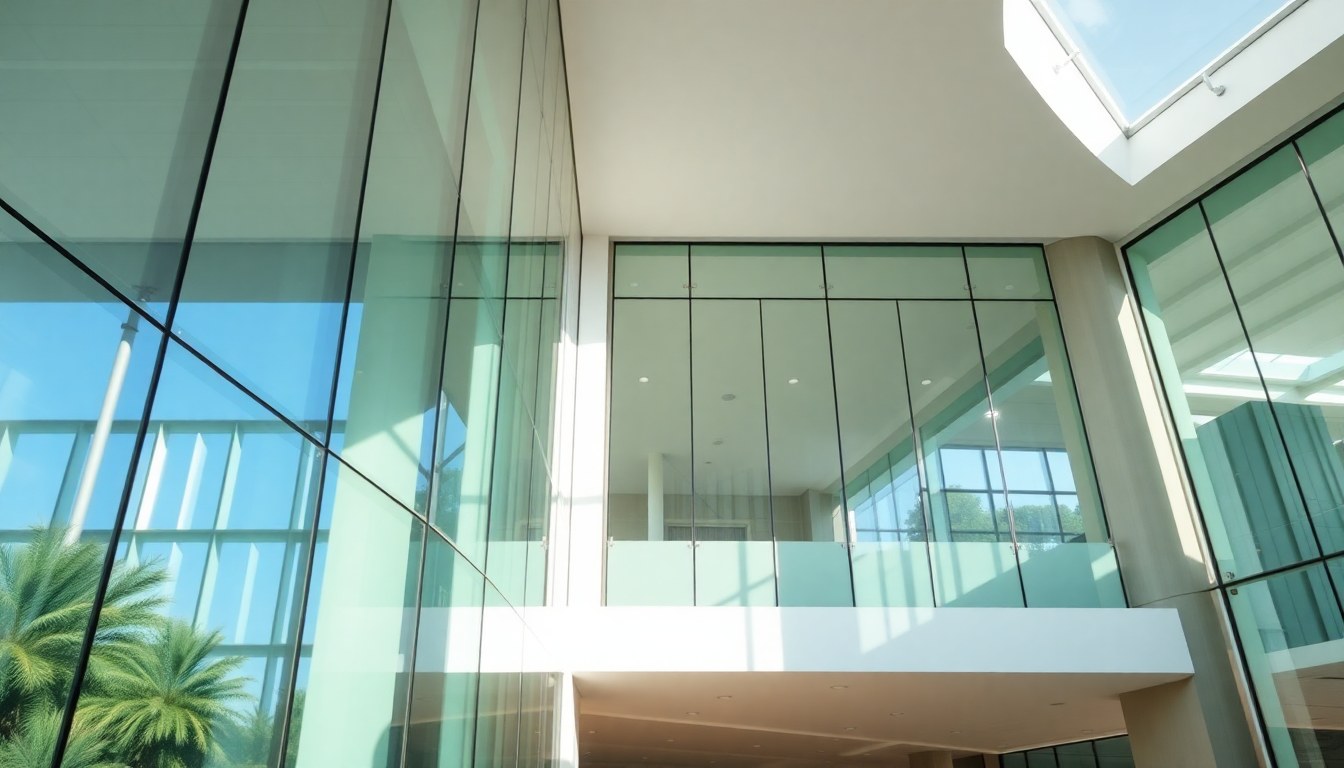
Tinted glass facades have become essential components of contemporary commercial architecture, offering far more than visual appeal. These sophisticated glazing systems protect building interiors from harmful UV radiation, reduce glare, lower cooling costs, and provide architects with unprecedented design flexibility. Whether you're planning a new office tower or retrofitting an existing structure, understanding the material science and performance characteristics of tinted glass is crucial to making informed decisions that balance aesthetics, occupant comfort, and long-term operational efficiency.
Understanding Tinted Glass Technology for Commercial Applications
Tinted glass for commercial facades operates on a straightforward principle: colored glass absorbs a portion of the solar spectrum, reducing the amount of visible light and heat that penetrates the building. Unlike reflective coatings that bounce light away, tinted glass absorbs solar energy throughout its thickness, offering a more uniform appearance from both inside and outside the building. This absorption characteristic makes tinted glass particularly valuable in high-rise office buildings where occupant comfort and energy efficiency directly impact operational budgets.
The tinting process involves adding metal oxides—typically iron, cobalt, or chromium—during the glass manufacturing stage. This integration ensures the color remains permanent and consistent across the glass surface, unlike surface coatings that can degrade over time. Commercial-grade tinted glass typically comes in thicknesses ranging from 6mm to 12mm, often laminated or tempered for safety compliance in curtain wall systems.
How Tinted Glass Absorbs Solar Radiation
The effectiveness of tinted glass depends on its light absorption coefficient and solar heat gain coefficient (SHGC). Standard gray tinted glass, the most commonly used variety in Indian commercial buildings, absorbs approximately 40-50% of incident solar radiation. Bronze-tinted variants absorb slightly more, making them ideal for buildings in high-temperature climates. Green-tinted glass, increasingly popular for its aesthetic neutrality, typically absorbs 35-45% of solar energy while maintaining excellent color neutrality from exterior and interior viewpoints.
Types of Tinted Glass for Curtain Wall Systems
The commercial glazing market offers several tinted glass categories, each suited to different architectural requirements and climatic conditions. Selecting the right type requires understanding your building's orientation, occupancy patterns, and energy performance targets.
Gray Tinted Glass
Gray tinted glass remains the industry standard for commercial facades across India and globally. It provides consistent solar control without introducing color casts that might distort the appearance of interior spaces or exterior views. Gray tinting reduces visible light transmittance (VLT) to approximately 40-50%, making it effective for reducing glare in open office environments while maintaining adequate daylighting.
The neutral appearance of gray tinted glass works well with virtually any architectural style and building materials. It's particularly popular in financial districts and corporate campuses where a professional, understated aesthetic is preferred. Cost-effectiveness is another significant advantage—gray tinted glass typically costs 15-25% less than specialty tints while delivering comparable solar control performance.
Bronze Tinted Glass
Bronze tinting offers enhanced solar absorption, making it ideal for buildings in high-temperature climates or those with significant western or southern exposures. This tint reduces visible light transmittance to 30-40% and provides a warmer aesthetic that can complement masonry, terracotta, or warm-colored cladding materials.
Bronze tinted glass works particularly well in hospitality and retail applications where the warmer tone can enhance the building's visual appeal. However, the deeper coloration can reduce interior daylighting more significantly than gray alternatives, requiring careful integration with artificial lighting design to maintain comfortable working environments.
Green Tinted Glass
Green tinted glass has gained significant traction in recent years, particularly among architects seeking a balance between performance and aesthetic neutrality. This tint maintains VLT levels of 45-55%, allowing more daylighting penetration than gray or bronze options while still providing effective solar control.
The psychological benefits of green tinting shouldn't be overlooked—research in workplace design suggests that green-tinted views can reduce occupant stress and improve perception of environmental quality. Green tinted glass also pairs well with modern minimalist architecture and sustainable building certifications, where the tint subtly communicates environmental consciousness.
Blue and Specialty Tints
While less common in mainstream commercial applications, blue and other specialty tints are gaining popularity in premium office developments and mixed-use projects. These tints can create distinctive architectural signatures and are particularly effective in urban contexts where building differentiation is important.
Specialty tints typically command a 30-50% price premium over standard gray or bronze options and may require longer lead times for procurement. Their use should be carefully evaluated against long-term maintenance requirements and potential color fading, though modern manufacturing processes have significantly improved durability of specialty tints.
UV Protection and Heat Rejection Benefits
The primary functional advantage of tinted glass facades is their ability to block ultraviolet (UV) radiation and reduce solar heat gain—two factors that directly impact both building occupant comfort and operational costs.
UV Radiation Blocking
Standard tinted glass blocks approximately 99% of UV-A and UV-B radiation, preventing interior furnishings, artwork, and textiles from fading. This protection is particularly valuable in retail environments, museums, and high-end office spaces where merchandise or décor preservation is important. The UV blocking occurs throughout the glass thickness, ensuring consistent protection regardless of viewing angle.
Unlike UV-blocking films that can bubble, peel, or require replacement every 5-10 years, the UV protection in tinted glass is permanent and maintenance-free. This durability makes tinted glass a cost-effective long-term solution for buildings requiring sustained UV protection.
Solar Heat Gain Reduction
Tinted glass reduces the Solar Heat Gain Coefficient (SHGC) by 30-50% compared to clear glass, directly lowering air conditioning loads during peak summer months. In Indian commercial buildings, where cooling costs can represent 40-60% of total energy consumption, this reduction translates to significant operational savings.
The heat rejection performance of tinted glass is particularly valuable in buildings with large window-to-wall ratios or those facing west or south. A typical office building in Mumbai or Bangalore can reduce cooling energy consumption by 15-25% through strategic use of tinted glass in high-exposure facades, potentially saving ₹50-100 per square meter annually depending on local electricity rates and occupancy patterns.
Aesthetic Control and Architectural Flexibility
Beyond functional performance, tinted glass provides architects with powerful tools for aesthetic expression and visual control. The choice of tint color, combined with glazing pattern and structural framing, fundamentally shapes a building's visual identity.
Tinted glass enables architects to create visual continuity across complex facades where different materials meet. A coordinated tint color can unify disparate architectural elements—connecting glass curtain walls with stone cladding, metal panels, or landscaping features. This visual coherence is particularly important in mixed-use developments where multiple building functions must be expressed as a unified design concept.
The reflective qualities of tinted glass also vary with viewing angle and time of day, creating dynamic facades that respond to changing light conditions. Morning light may reveal cool blue undertones in a gray-tinted facade, while evening sun can warm the same surface to golden tones. This temporal variation adds visual interest and prevents the monotonous appearance that can result from uniform, highly reflective glass.
Professional architects like those at Insignis Theorem in Ahmedabad and Tatva Design Studio in Udaipur frequently leverage tinted glass as a primary design element, using color and reflectivity to create distinctive architectural signatures that enhance property values and occupant satisfaction.
Performance Specifications and Selection Criteria
Selecting appropriate tinted glass requires evaluating multiple performance metrics beyond simple color preference. Understanding these specifications ensures that chosen materials will deliver expected performance over the building's operational lifetime.
Key Performance Metrics
- Visible Light Transmittance (VLT): Percentage of visible light passing through the glass. Higher VLT (50-60%) maintains daylighting but provides less glare control; lower VLT (30-40%) reduces glare but may require supplementary artificial lighting.
- Solar Heat Gain Coefficient (SHGC): Fraction of solar radiation admitted as heat. Lower SHGC values (0.40-0.50) reduce cooling loads but may increase heating requirements in winter.
- U-Value (Thermal Transmittance): Measures heat transfer through the glass assembly. Lower U-values indicate better thermal insulation; modern tinted glass units typically achieve U-values of 1.2-1.5 W/m²K when combined with insulated frames.
- Light-to-Solar Gain Ratio: Dividing VLT by SHGC indicates selective filtering efficiency. Higher ratios (typically 1.5-2.0 for quality tinted glass) mean more daylighting with proportionally less heat gain.
Climate-Specific Selection
Buildings in hot climates like Rajasthan or coastal Gujarat benefit from lower SHGC values (0.35-0.45) achieved through bronze or darker gray tints. Conversely, buildings in moderate climates or those with significant northern exposures might prioritize higher VLT values (55-65%) to maximize beneficial daylighting, selecting lighter green or blue tints.
Orientation analysis is essential—facades receiving maximum western exposure require more aggressive solar control than northern facades. Sophisticated facade design often employs variable tinting strategies, using darker tints on high-exposure facades and lighter tints on protected exposures to optimize both energy performance and daylighting quality.
Installation and Maintenance Considerations
Tinted glass integration into curtain wall systems requires careful attention to structural loads, thermal movement, and sealant compatibility. The weight and thermal expansion characteristics of tinted glass are virtually identical to clear glass, but the darker coloration can create slightly higher surface temperatures under intense solar exposure, requiring adequate expansion joint spacing.
Maintenance is straightforward—tinted glass requires the same cleaning protocols as clear glass, using standard commercial window cleaning solutions and techniques. The permanent nature of the tinting eliminates concerns about coating degradation or peeling that can affect surface-applied UV-blocking films. Over 20-30 year building lifecycles, this durability advantage translates to minimal lifecycle maintenance costs.
Structural engineers and facade consultants should verify that tinted glass specifications comply with Indian Standards IS 2553 (safety glass) and relevant curtain wall design standards. Working with experienced facade contractors like VKK Construction ensures proper installation that maintains thermal and acoustic performance while achieving aesthetic objectives.
Cost Analysis and Return on Investment
Tinted glass typically costs ₹400-800 per square meter depending on tint type, thickness, and tempering requirements—roughly 20-40% more than clear float glass but significantly less than premium coated glazing systems. This modest cost premium is quickly recovered through reduced cooling energy consumption.
A 10,000 square meter office building in Delhi with standard tinted glass facades might save ₹8-12 lakhs annually in cooling costs compared to clear glass alternatives. Over a 25-year building lifecycle, this represents ₹2-3 crore in energy savings, delivering payback periods of 18-36 months depending on electricity rates and occupancy patterns.
Beyond direct energy savings, tinted glass improves occupant comfort and productivity by reducing glare and creating more pleasant visual environments. Studies in workplace design suggest that improved daylighting quality and reduced glare can increase worker productivity by 2-5%, translating to additional economic benefits that extend far beyond energy cost reductions.
Frequently Asked Questions
What is the difference between tinted glass and reflective coatings?
Tinted glass absorbs solar radiation throughout its thickness, while reflective coatings bounce light away from the building surface. Tinted glass typically appears consistent from both interior and exterior viewpoints, creating a more cohesive aesthetic. Reflective coatings can appear highly mirrored from outside while maintaining better interior views, but the reflections can create visual glare for neighboring buildings. Tinted glass is generally preferred for office buildings where interior comfort and exterior aesthetics are equally important.
Does tinted glass reduce daylighting too much for office environments?
Modern tinted glass maintains visible light transmittance of 40-60% depending on the specific tint and thickness, which is sufficient for most office environments when combined with strategic window placement and supplementary artificial lighting. Green and lighter blue tints typically maintain higher VLT values (50-60%) than gray or bronze alternatives. Proper facade design considers building orientation, occupancy patterns, and task lighting requirements to ensure adequate daylighting while maintaining solar control benefits.
How long does tinted glass last, and does the color fade over time?
Tinted glass integrated into the glass matrix during manufacturing is permanent and does not fade. The color remains consistent throughout the building's operational lifetime—typically 30-50 years or longer. Unlike surface-applied UV-blocking films that may degrade in 5-10 years, tinted glass requires no replacement or maintenance beyond standard window cleaning, making it a durable long-term investment.
Can tinted glass be combined with other glazing technologies like low-E coatings?
Yes, tinted glass can be combined with low-emissivity (low-E) coatings to create high-performance insulated glass units that provide both solar control and thermal insulation. This combination is particularly valuable in climates with significant heating and cooling seasons, as it reduces heat loss in winter while controlling solar gain in summer. Consult with glazing specialists to ensure that tint and coating combinations achieve desired performance targets without compromising aesthetic objectives.
What tint color is best for commercial office buildings in India?
Gray and green tints are most popular for Indian commercial offices, offering excellent balance between solar control, daylighting quality, and aesthetic neutrality. Gray tint is traditional and cost-effective, while green tint provides slightly better daylighting and increasingly appeals to occupants and sustainability-conscious organizations. Bronze tint works well in hot climates like Rajasthan and Gujarat. The optimal choice depends on building orientation, local climate, and specific aesthetic and performance objectives—consulting with experienced architects ensures selections aligned with your project's unique requirements.
Ready to explore tinted glass solutions for your commercial building project? Browse our comprehensive directory of glass specialists, architects, and facade consultants on glassy.in to connect with professionals experienced in designing and specifying high-performance tinted glass systems for Indian commercial buildings.