
Glass Guides
Tinted Glass for Balconies: UV Protection, Privacy & Temperature Control
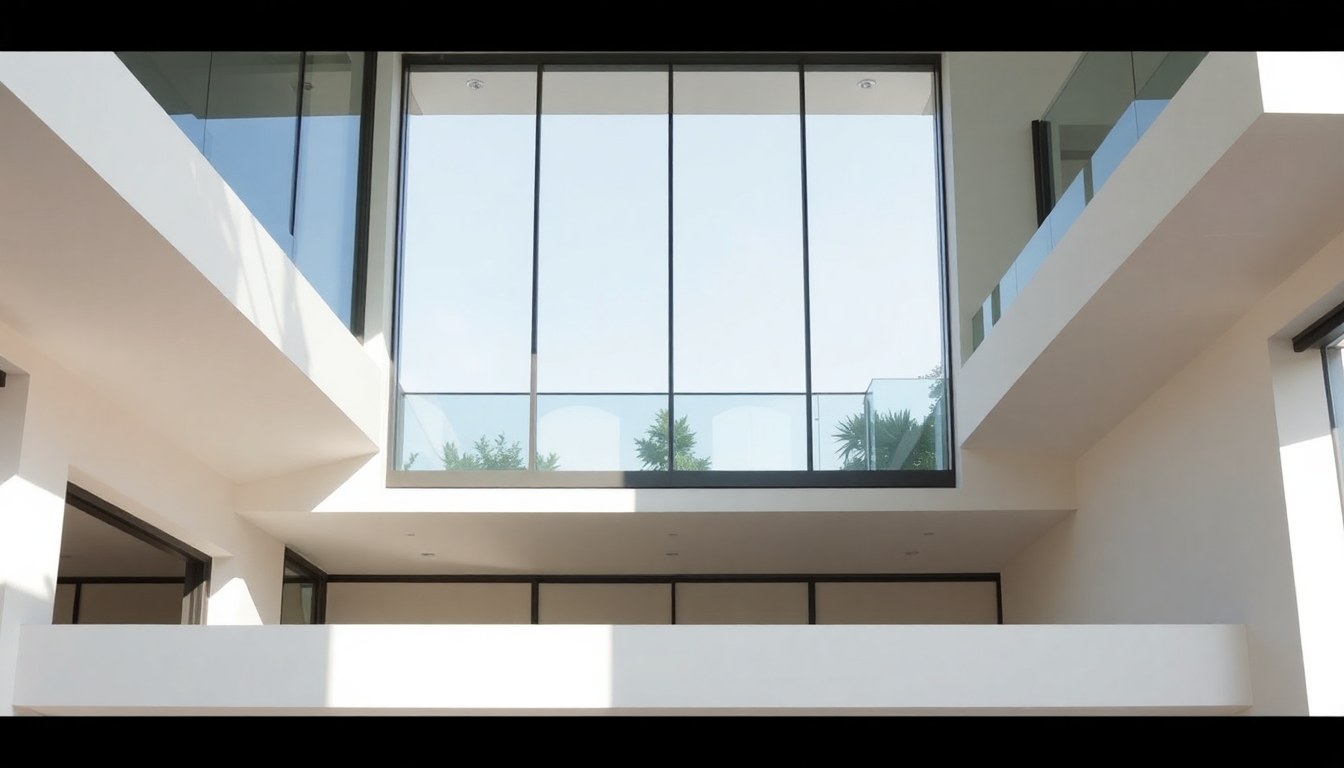
Balconies are prized outdoor spaces, but unfiltered sunlight can fade furniture, damage skin, and spike cooling costs. Tinted glass transforms your balcony into a protected, private retreat by blocking harmful UV rays, reducing glare, and maintaining cooler indoor temperatures. Whether you live in Delhi's scorching summers or Bangalore's year-round heat, tinted glass solutions deliver measurable comfort and cost savings.
Why Tinted Glass for Balconies Makes Sense
India's intense solar radiation poses real challenges for balcony spaces. Standard clear glass allows nearly 90% of UV radiation to pass through, leading to faded upholstery, cracked wood finishes, and increased air conditioning load. Tinted glass blocks 50–99% of UV rays depending on the tint type and darkness level, protecting both your furnishings and skin during outdoor time.
Beyond UV protection, tinted glass reduces solar heat gain—the primary driver of indoor temperature rise. A well-tinted balcony can lower surface temperatures by 20–30°C compared to untinted glass, translating to measurable reductions in air conditioning usage and monthly electricity bills. Privacy is the third major benefit: darker tints prevent passersby and neighboring buildings from seeing into your balcony, creating a more intimate outdoor space.
Understanding UV Protection Performance
UV Transmission Rates
UV protection is measured by the percentage of ultraviolet radiation blocked. Standard clear glass blocks only 25% of UV-A and almost no UV-B rays. Tinted glass formulations achieve much higher protection:
- Light tints (50–60% VLT): Block 60–75% of UV rays, suitable for balconies where you want natural light and minimal privacy
- Medium tints (30–40% VLT): Block 85–95% of UV rays, the most popular choice for residential balconies in India
- Dark tints (15–25% VLT): Block 95–99% of UV rays, ideal for maximum privacy and heat rejection but may feel cave-like during day
VLT (Visible Light Transmission) measures the percentage of visible light passing through; lower VLT means darker glass and stronger UV blocking. Always request UV transmission data from your glass supplier—reputable manufacturers provide third-party test certificates confirming protection levels.
SHGC and Solar Heat Gain Coefficient
SHGC measures how much solar heat enters your home through the glass, on a scale of 0 to 1. Lower SHGC values indicate better heat rejection. Standard clear glass has an SHGC of 0.80–0.86; tinted glass typically ranges from 0.35 to 0.65 depending on tint depth. A tinted balcony with SHGC of 0.40 rejects approximately 60% of incoming solar heat, significantly reducing cooling demand in hot climates.
Color Options and Aesthetic Choices
Tinted glass comes in multiple colors, each offering distinct aesthetic and performance characteristics. Your choice should balance UV protection needs with architectural style and personal preference.
- Bronze tint: Warm, neutral appearance that blends with most building facades. Blocks 70–85% of UV rays. Popular in Delhi, Mumbai, and Pune residential areas.
- Gray tint: Cool, modern look with excellent color neutrality. Blocks 80–90% of UV rays. Preferred in contemporary apartments and commercial buildings.
- Green tint: Soft, natural appearance that reduces eye strain. Blocks 75–88% of UV rays. Common in eco-conscious residential projects.
- Blue tint: Contemporary aesthetic with good UV blocking (75–85%). Less common in India but gaining popularity in premium projects.
- Reflective/Mirror tint: High privacy during the day, reflective surface. Blocks 90–99% of UV rays but may face regulatory restrictions in some Indian cities due to glare concerns.
Many Indian balcony owners prefer bronze or gray tints because they maintain a natural appearance while delivering strong UV protection. Before finalizing color, request samples and view them at different times of day—the tint's appearance shifts with sunlight angle and intensity.
Temperature Control and Energy Savings
Temperature reduction is one of the most measurable benefits of tinted balcony glass. A balcony exposed to direct afternoon sun can reach surface temperatures of 60–70°C on clear days. Tinted glass reduces this to 35–45°C, significantly lowering the cooling load on adjacent interior spaces.
Real-world energy savings depend on several factors: your climate zone (hotter regions see greater savings), the balcony's sun exposure direction (south and west-facing balconies benefit most), and your air conditioning efficiency. Studies across Indian cities show 15–25% reductions in cooling costs for homes with tinted balcony glass, particularly during peak summer months (April–June). In Delhi, where summer temperatures exceed 45°C, homeowners report monthly electricity bill reductions of ₹500–₹1,500 depending on balcony size and tint darkness.
Passive Cooling Benefits
Tinted glass enables passive cooling—using the balcony as a thermal buffer. During cooler evenings and nights, you can open balcony doors without the intense heat gain that clear glass would allow. This reduces reliance on air conditioning and improves indoor air quality through natural ventilation.
Privacy Enhancement and Glare Reduction
Privacy concerns are particularly acute in dense urban environments like Bangalore, Hyderabad, and Mumbai, where buildings stand close together. Tinted glass prevents outside observers from seeing into your balcony, especially during daytime hours when interior lighting is minimal.
Medium to dark tints (25–40% VLT) provide effective one-way privacy: people outside see mostly their own reflection, while you retain views outward. This balance is ideal for residential balconies where you want both privacy and connection to the outdoors. Darker tints offer stronger privacy but reduce your outward visibility and may feel oppressive in smaller balconies.
Glare reduction is a secondary but important benefit. Intense sunlight reflecting off balcony surfaces can cause eye strain and discomfort. Tinted glass absorbs much of this reflected light, making the balcony more comfortable for reading, working, or relaxing. Many professionals working from home appreciate tinted balcony glass for reducing screen glare and improving video call appearance.
Installation Considerations and Costs
Tinted glass balcony installations vary in scope and cost depending on whether you're retrofitting existing glass or installing new. Retrofit solutions include adhesive tint films, while permanent solutions involve replacing balcony glass panels entirely.
Tint Film vs. Tinted Glass Panels
Adhesive tint films: Applied to existing glass surfaces, these are the most affordable option. Cost ranges from ₹150–₹400 per square meter depending on film quality and brand. Installation takes 1–2 days. Films provide good UV protection (85–95% blocking) but may show wear, bubbling, or peeling after 5–7 years in India's intense sun.
Factory-tinted glass panels: These are manufactured with tint integrated into the glass itself. Cost ranges from ₹1,500–₹4,000 per square meter for standard sizes, plus installation labor (₹200–₹500 per sq. m). Lifespan exceeds 20 years with no degradation. This option is preferred for new constructions and long-term installations.
Labor and Logistics
Installation labor in Indian metros typically costs ₹200–₹800 per square meter depending on balcony accessibility and building height. High-rise apartments may incur additional safety and equipment costs. Always hire certified glass installers; poor installation can lead to improper sealing, water infiltration, and structural issues.
Typical balcony sizes range from 6–15 square meters. A 10 sq. m balcony retrofit with adhesive tint film costs approximately ₹1,500–₹4,000 total. The same balcony with factory-tinted glass panels costs ₹20,000–₹50,000 including labor, but offers superior longevity and performance.
Maintenance and Durability
Tinted glass balconies require minimal maintenance. Regular cleaning with mild soap and water preserves clarity and tint appearance. Avoid abrasive scrubbers or acidic cleaners that can damage the tint layer.
Factory-tinted glass is extremely durable—the tint is part of the glass matrix and won't fade, peel, or bubble. Adhesive tint films degrade faster, especially on south-facing balconies exposed to intense afternoon sun. Quality films last 5–7 years; budget films may show visible degradation within 3 years. In India's monsoon regions, ensure proper sealing around tint edges to prevent water penetration.
Both tint types are scratch-resistant but not scratch-proof. Avoid dragging furniture or using sharp objects against tinted surfaces. Minor scratches typically don't affect UV blocking or heat rejection performance.
Frequently Asked Questions
Does tinted glass block all UV rays?
No tint blocks 100% of UV rays, but high-quality tinted glass blocks 95–99%, which is sufficient for skin and furnishing protection. The remaining 1–5% is negligible for practical purposes. If you're concerned about UV exposure during extended balcony time, use additional sunscreen or protective clothing.
Will tinted glass make my balcony too dark?
It depends on tint darkness (VLT percentage). Light to medium tints (40–60% VLT) maintain bright, natural-looking balconies while providing strong UV protection. Only dark tints (15–25% VLT) create noticeably dim conditions. Request sample panes and observe them in your balcony's lighting conditions before committing.
Can tinted glass reduce my air conditioning bills?
Yes. Studies show 15–25% reductions in cooling costs for homes with tinted balcony glass, particularly in hot climates like Delhi, Jaipur, and Hyderabad. Savings are highest for balconies with direct afternoon sun exposure. Your actual savings depend on climate, balcony size, and current AC usage patterns.
Is tinted glass safe for all balcony types?
Tinted glass is safe for most balconies, but check with your building's structural engineer if you're replacing original glass panels. Factory-tinted glass weighs the same as clear glass, so structural concerns are minimal. Adhesive films add negligible weight. Ensure proper sealing to prevent water infiltration, especially in monsoon-prone regions.
How long does tinted glass installation take?
Adhesive tint film installation typically takes 1–2 days for a standard balcony. Factory-tinted glass replacement may take 3–5 days depending on panel size and building access. Always plan for potential delays due to weather or structural complications.
Conclusion
Tinted glass transforms balconies into functional, comfortable spaces by blocking harmful UV rays, reducing heat gain, and enhancing privacy. Whether you choose affordable adhesive films or durable factory-tinted panels, the investment delivers measurable returns through lower electricity bills and extended furniture lifespan. In India's intense solar climate, tinted balcony glass is a practical upgrade that pays dividends year-round.
Ready to upgrade your balcony? Browse verified glass suppliers, tint specialists, and installation services on glassy.in—India's most comprehensive glass business directory. Compare quotes, read customer reviews, and connect with trusted professionals in your city.