
Smart Glass
Switchable Smart Glass for Office Cabins: How Privacy Glass Works in Bangalore
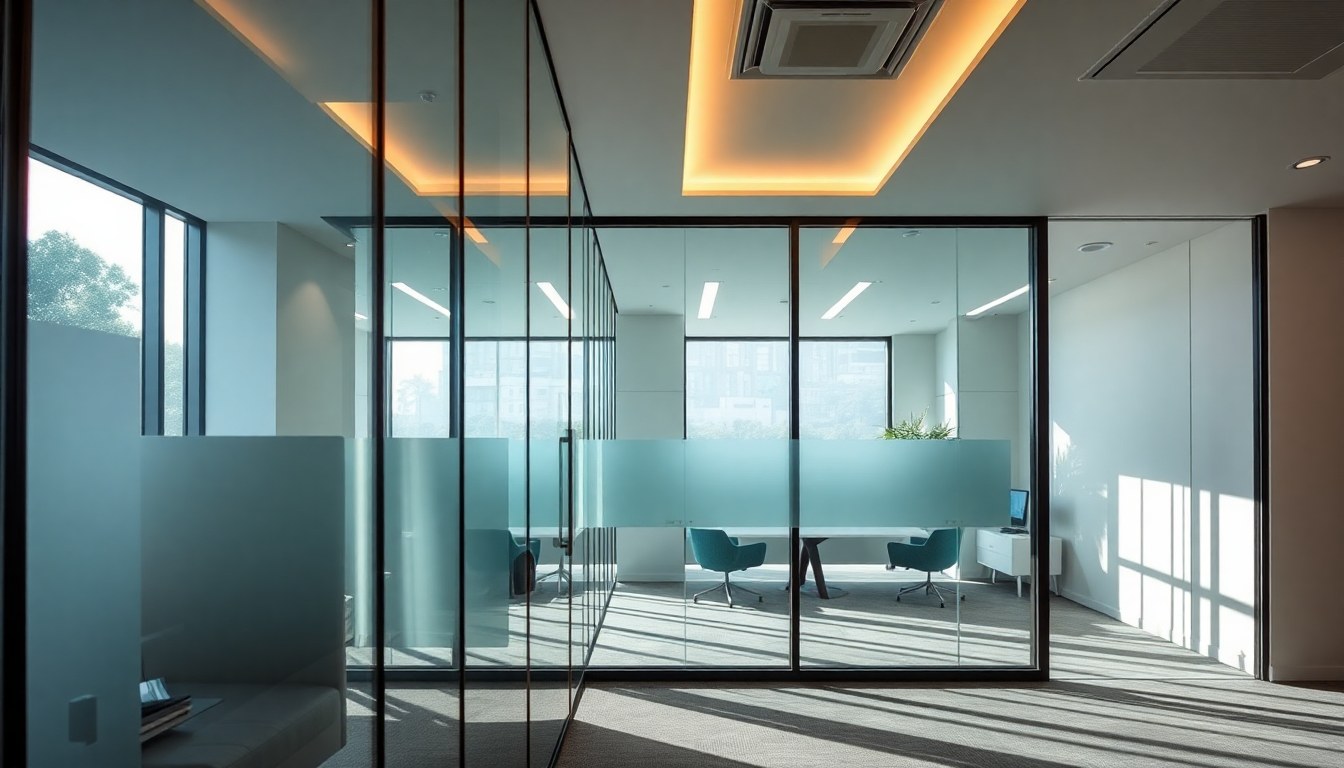
Modern office cabins in Bangalore are increasingly adopting switchable smart glass—a technology that transforms ordinary glass into an opaque privacy barrier at the flip of a switch. Unlike traditional blinds or curtains, smart glass offers instant privacy, improved energy efficiency, and a sleek aesthetic that elevates corporate spaces. If you're planning an office renovation or new construction in Bangalore, understanding how this technology works and its cost implications will help you make an informed decision.
What Is Switchable Smart Glass and How Does It Work?
Switchable smart glass, also called privacy glass or intelligent glass, is a dynamic glazing technology that changes its light transmission properties when an electrical current is applied. Two primary technologies dominate the market: electrochromic glass (EC glass) and polymer-dispersed liquid crystal (PDLC) glass. Both achieve the same end result—instant privacy without mechanical barriers—but through different mechanisms.
In electrochromic glass, a thin electrochemical coating on the glass surface changes color when voltage is applied, transitioning from clear to dark blue or gray. This process is reversible and can be controlled with a dimmer switch, allowing you to adjust tint levels gradually. PDLC technology, on the other hand, uses liquid crystal particles suspended in a polymer layer. When no power is supplied, these particles scatter light randomly, making the glass appear opaque. Once electricity flows through, the particles align, allowing light to pass through and making the glass transparent.
Types of Smart Glass Technologies for Office Cabins
Electrochromic (EC) Glass
Electrochromic glass is ideal for office cabins where you need gradual tint control. It consumes minimal power during operation—only when you actively change the tint level—making it highly energy-efficient. The tint darkens evenly across the entire pane and can be adjusted to any level between fully clear and fully dark, giving you precise control over light and heat entering your cabin.
The main advantage of EC glass is its energy performance: by blocking solar heat in summer and reducing heat loss in winter, it lowers your air-conditioning load. However, EC glass is more expensive than PDLC and requires professional installation due to its complex electrical system.
Polymer-Dispersed Liquid Crystal (PDLC) Glass
PDLC glass offers a binary switch—it's either on (transparent) or off (opaque)—making it simpler to operate. It's faster to respond than EC glass and works well in office cabins where you need quick privacy without gradual adjustments. PDLC glass is also more affordable than electrochromic glass, making it a popular choice for budget-conscious corporate projects.
The trade-off is that PDLC glass consumes continuous power to remain transparent, so it's less energy-efficient than EC glass if left on for extended periods. It's best suited for spaces where privacy is needed intermittently rather than continuously.
Installation Process for Smart Glass in Bangalore Office Cabins
Installing switchable smart glass in your Bangalore office requires careful planning and professional expertise. The process begins with a site survey where technicians assess your cabin layout, electrical infrastructure, and power availability. This step is crucial because smart glass requires dedicated electrical circuits and control systems.
The installation itself involves removing existing glazing (if applicable) and fitting the smart glass unit into the frame. Unlike traditional glass, smart glass units contain multiple layers—the glass panes, liquid crystal or electrochromic layer, electrodes, and protective coatings—so they're thicker and heavier. Your structural frame must be reinforced to support this additional weight. After installation, electricians wire the glass to your building's electrical system and set up control switches, timers, or smart home integration if desired.
For office cabins in Bangalore, working with experienced installers is essential. Firms like Viswam Interiors and ARMAN GLASS EMPORIUM have experience with modern glass solutions and can guide you through the selection and installation process. The entire installation typically takes 5–10 days depending on cabin size and complexity.
Smart Glass Cost and Budget Considerations for Bangalore
The cost of switchable smart glass in Bangalore varies significantly based on the technology chosen, cabin size, and installation complexity. Here's a realistic breakdown:
- PDLC Smart Glass: ₹2,500–₹4,500 per square meter (material and installation combined). For a standard cabin with 20 square meters of glazing, expect ₹50,000–₹90,000.
- Electrochromic Glass: ₹4,500–₹8,000 per square meter. The same 20-square-meter cabin would cost ₹90,000–₹1,60,000.
- Control Systems: Smart switches, dimmers, or automation integration add ₹10,000–₹30,000 depending on complexity.
- Installation and Structural Work: Frame reinforcement, electrical wiring, and labor typically add ₹15,000–₹40,000.
While smart glass is more expensive upfront than traditional blinds or curtains, the long-term savings in energy costs—especially in Bangalore's hot climate—can justify the investment. Additionally, smart glass requires no maintenance, cleaning, or replacement like mechanical blinds do. Many organizations find that the improved aesthetics and employee satisfaction offset the initial capital expense.
To get accurate quotes for your specific cabin, consult with multiple glass dealers and architects in Bangalore. Specialists like Void + Edifice Architectural Design Studio can help you assess your needs and budget accordingly.
Energy Efficiency and Environmental Benefits
One of the strongest arguments for smart glass in Bangalore office cabins is its energy performance. Bangalore's climate features intense sunlight for much of the year, and office cabins with large windows can become uncomfortably warm, driving up air-conditioning costs. Smart glass blocks up to 99% of solar heat when activated, reducing cooling loads by 20–30% in well-designed cabins.
Electrochromic glass is particularly effective because it maintains tint passively, consuming energy only during transitions. PDLC glass, while consuming continuous power when transparent, still delivers net energy savings by eliminating the need for motorized blinds or curtains. Furthermore, smart glass reduces glare and improves visual comfort, allowing employees to work without squinting or experiencing eye strain.
From an environmental perspective, the reduced energy consumption translates to lower carbon emissions. For organizations committed to sustainability certifications like LEED or IGBC (Indian Green Building Council), smart glass is an attractive feature that contributes to higher ratings.
Privacy, Aesthetics, and Employee Experience
Beyond functionality, switchable smart glass transforms the visual appeal of office cabins. The clean, uncluttered look—free from blinds, curtains, or external shading devices—creates a modern, professional environment. Employees appreciate the ability to control their own privacy without relying on mechanical systems that can jam or break.
Privacy is particularly valuable in Bangalore's competitive corporate environment, where confidential client meetings and sensitive discussions are common. Smart glass provides instant, complete privacy at the touch of a button, eliminating distractions and creating secure spaces. It also reduces the "fishbowl" effect of traditional glass partitions, where employees feel constantly observed.
For open-plan offices transitioning to cabin-based layouts, smart glass offers flexibility: cabins can be transparent during collaborative work hours and opaque during focused work or private calls. This adaptability makes smart glass especially popular in tech companies and consulting firms across Bangalore.
Maintenance, Durability, and Long-Term Considerations
Switchable smart glass is remarkably durable and low-maintenance compared to traditional blinds. The glass surface can be cleaned like regular glass using standard window cleaners and soft cloths. The electrical components are sealed within the glass assembly, protecting them from dust and moisture. Most manufacturers offer warranties of 10–15 years on the smart glass unit itself.
However, smart glass does have a lifespan. Over time, the electrochromic or liquid crystal layer may experience slight degradation, resulting in slower response times or reduced tint depth. This degradation is gradual and typically takes 10–20 years to become noticeable. The electrical control systems may also require updates or repairs if switches or wiring fail, though this is rare with quality installations.
When choosing smart glass for your Bangalore office, select products from reputable manufacturers with strong track records in India. Ensure your installer provides clear warranty terms and accessible technical support for maintenance and repairs.
Smart Glass Integration with Building Automation Systems
Modern office cabins increasingly integrate smart glass with building automation systems (BAS). Sensors can detect sunlight intensity and automatically adjust glass tint to maintain optimal indoor temperature and lighting. Occupancy sensors can activate privacy mode when the cabin is in use and deactivate it when empty, reducing unnecessary power consumption.
For Bangalore offices with advanced IT infrastructure, smart glass can be controlled via smartphone apps, allowing employees to adjust privacy from anywhere. Integration with meeting room scheduling systems can automatically activate privacy during booked meetings. These advanced features add cost but provide significant convenience and energy savings in large corporate campuses.
Frequently Asked Questions
How long does smart glass take to switch from transparent to opaque?
PDLC glass typically switches in 1–3 seconds, while electrochromic glass takes 5–15 seconds depending on the tint level selected. Both are fast enough for practical office use, though PDLC feels more instantaneous if immediate privacy is critical.
Can smart glass be installed in existing office cabins, or only in new construction?
Smart glass can be retrofitted into existing cabins, though it requires removing old glazing and potentially reinforcing frames. Retrofitting is more labor-intensive and costly than installing in new construction, but it's entirely feasible. Consult with your architect or glass specialist to assess your cabin's structural capacity.
What happens to smart glass if the power goes out?
If power is lost, PDLC glass reverts to its opaque state (providing privacy by default), while electrochromic glass remains in its last tint level. Neither technology is damaged by power loss. Once power is restored, both function normally again.
Is smart glass more expensive to maintain than traditional blinds?
No. Smart glass requires only occasional cleaning with window cleaner and a soft cloth. Traditional blinds require regular dusting, occasional repair, and eventual replacement. Over a 10-year period, smart glass typically costs less to maintain, though the upfront investment is higher.
Does smart glass work with Bangalore's strong sunlight and heat?
Yes, smart glass is especially effective in Bangalore. The technology is specifically designed to block solar heat and glare, making it ideal for tropical climates. Electrochromic glass is particularly efficient because it reduces cooling loads by blocking heat before it enters the cabin.
Conclusion: Modernize Your Bangalore Office Cabin Today
Switchable smart glass represents the future of office cabin design in Bangalore. By combining instant privacy, energy efficiency, and modern aesthetics, it addresses the key challenges of contemporary corporate workspaces. Whether you choose PDLC or electrochromic technology, smart glass delivers measurable benefits in employee comfort, operational costs, and environmental sustainability.
Ready to explore smart glass options for your office cabin? Browse verified glass dealers, architects, and installation specialists on glassy.in, India's largest glass-business directory. Find experienced professionals in Bangalore who can assess your space, provide accurate quotes, and execute flawless installations. Visit glassy.in today to connect with trusted glass vendors and transform your workspace.