
Smart Glass
Smart Glass for Home Offices: Privacy & Productivity in 2026
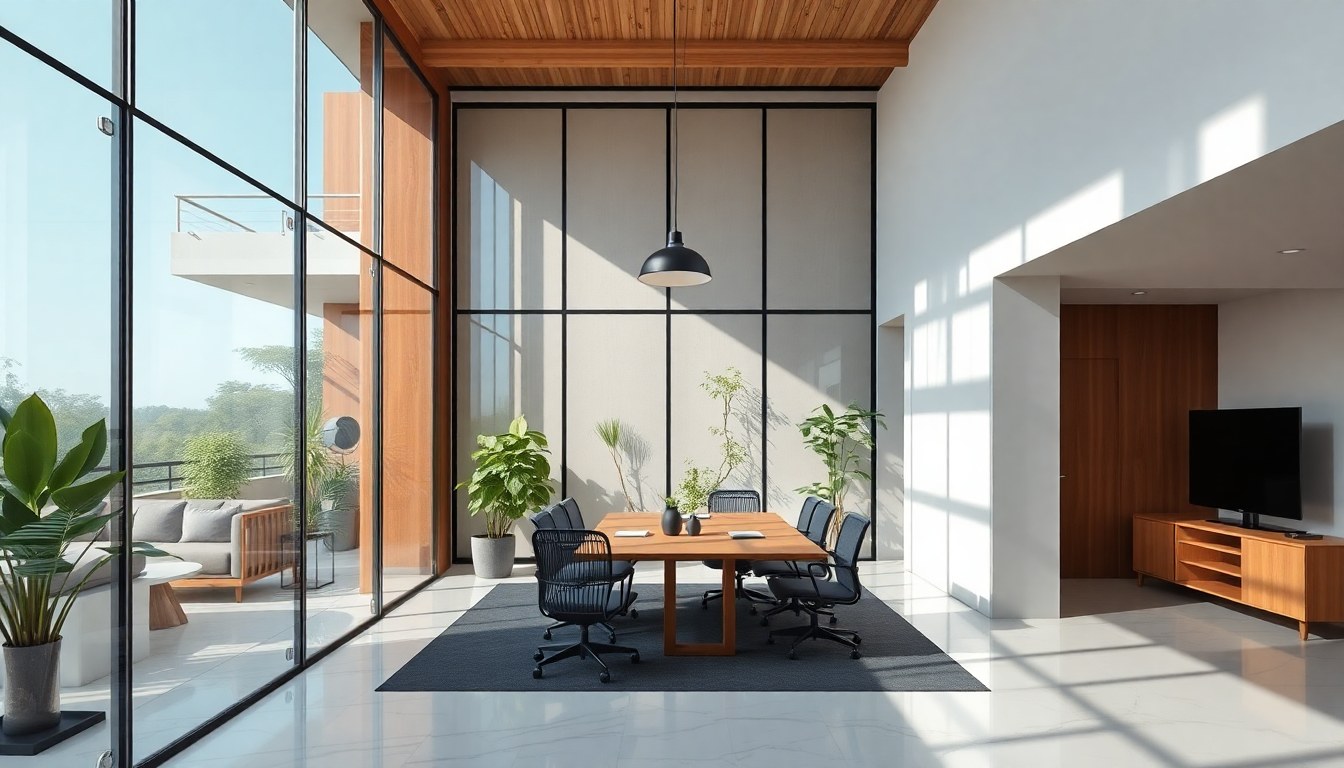
Working from home has become the norm for millions of professionals across India, but creating a focused, private workspace remains a challenge. Smart glass—also called switchable or electrochromic glass—transforms ordinary windows into privacy barriers and focus zones at the flick of a switch, eliminating the need for curtains, blinds, or constant rearrangement. Whether you're in Mumbai, Bangalore, or Delhi, smart glass technology is now affordable and practical enough to revolutionize your home office setup.
What Is Smart Glass and How Does It Work?
Smart glass is a cutting-edge material embedded with electrochromic or liquid crystal technology that changes opacity on demand. When an electrical current is applied, the glass transitions from transparent to frosted or opaque within seconds—and back again just as quickly. There's no mechanical movement, no dust accumulation, and no maintenance headaches like traditional window coverings.
The science is straightforward: microscopic particles in the glass layer respond to electrical signals, scattering light and blocking visibility. Turn off the current, and the glass becomes clear again. Modern smart glass systems are controlled via wall switches, remote controls, smartphone apps, or even voice commands through smart home integrations. The energy consumption is minimal—most systems use less power than a standard LED bulb.
Types of Smart Glass Technology
- Electrochromic Glass: Uses a chemical reaction to change tint. Offers excellent light control and is ideal for large windows. More durable and longer-lasting than other types.
- Liquid Crystal Glass: Particles align or scatter based on electrical current. Faster response time and more affordable entry price. Works well for smaller applications.
- Photochromic Glass: Responds to sunlight rather than electricity. Doesn't require power but offers less control over opacity levels.
Privacy Without Curtains: The Home Office Advantage
One of the biggest challenges in home offices is managing visibility from outside. Neighbors, passersby, and delivery personnel can see directly into your workspace, creating discomfort and security concerns. Traditional solutions—curtains, blinds, frosted film—are bulky, collect dust, and require constant adjustment. Smart glass solves this instantly.
When clients or colleagues call you on video, switch your window to opaque mode in one second. No scrambling to close blinds mid-meeting. No visible clutter behind you. The frosted effect creates a professional, distraction-free background. For those living in apartment buildings or close-quarters neighborhoods common in Indian cities, this privacy feature is invaluable. You maintain natural light when needed and complete privacy when required—without sacrificing aesthetics.
Security and Peace of Mind
Smart glass also deters theft and intrusion. When your office appears opaque and inaccessible, potential burglars are less likely to target your space. During evening work sessions or when you're away, you can leave the glass frosted, signaling that the space is either occupied or secured. This psychological barrier, combined with actual privacy, significantly improves your sense of security while working from home.
Boosting Productivity and Focus Through Light Control
Distractions outside your window—traffic, movement, changing light—fragment attention and reduce deep work capacity. Research on environmental psychology consistently shows that controlling visual stimuli improves concentration. Smart glass lets you eliminate these distractions instantly. When you need to focus on complex tasks, switch to opaque mode and remove the visual noise entirely.
Additionally, smart glass allows you to manage glare and heat—two major productivity killers. Excessive sunlight creates screen glare, making computer work uncomfortable and reducing visibility. Smart glass can be tinted to reduce glare without blocking all light, maintaining the benefits of natural illumination while protecting your eyes and equipment. During summer months in cities like Hyderabad or Pune, the heat reduction alone can improve comfort and reduce air conditioning load.
Circadian Rhythm and Natural Light
Unlike curtains that block light entirely, smart glass can be adjusted to a semi-transparent state, allowing diffused natural light to enter your space. This maintains your circadian rhythm—your body's natural sleep-wake cycle—which is crucial for remote workers who spend all day indoors. You get privacy without sacrificing the mental health benefits of natural light exposure.
Installation, Cost, and Maintenance in the Indian Market
Smart glass technology in India has become significantly more accessible in 2025-2026. Prices vary widely depending on glass size, technology type, and installation complexity. A basic smart glass panel for a standard home office window (approximately 1.5 meters by 1 meter) typically ranges from ₹40,000 to ₹80,000 installed. High-end electrochromic systems can reach ₹1,50,000 or more for larger installations.
Installation requires professional expertise. The glass must be integrated with electrical systems and control mechanisms—this isn't a DIY project. Reputable providers in major Indian cities offer site surveys, design consultation, and professional installation. The good news: once installed, smart glass requires virtually no maintenance. There's no dust accumulation, no mechanical parts to wear out, and no need for regular cleaning beyond standard window washing.
Long-Term Cost Benefits
- Energy Savings: Smart glass reduces cooling costs by blocking heat in summer. Over 5-10 years, this can offset installation costs.
- No Replacement Costs: Unlike curtains and blinds that degrade and need replacement every 3-5 years, smart glass is a one-time investment.
- Property Value: Smart home features, including smart glass, increase property resale value in metropolitan areas.
- Reduced Electricity for Lighting: The ability to control natural light means less reliance on artificial lighting during daytime hours.
Integration with Smart Home Ecosystems
Modern smart glass systems integrate seamlessly with popular smart home platforms. You can automate your glass based on time of day, calendar events, or environmental sensors. Imagine: your glass automatically frosts during scheduled video calls, then clears when you're in focus mode. During lunch breaks, it adjusts to let in maximum natural light. In the evening, it gradually tints to reduce blue light and signal your body to wind down.
Compatibility with Alexa, Google Home, and Apple HomeKit means you can control smart glass with voice commands. "Alexa, frost my window" becomes as simple as turning on a light. For professionals managing multiple devices and routines, this integration creates a seamless, intuitive workspace that adapts to your working patterns without requiring conscious adjustment.
Challenges and Considerations Before Installing
While smart glass offers tremendous benefits, it's not without limitations. The technology requires a reliable power supply—power outages will leave your glass in its last state (transparent or opaque). Some electrochromic systems have slower response times (5-15 seconds) compared to liquid crystal variants (1-3 seconds). Repair costs can be high if the electrical components fail after warranty expiration.
Additionally, not all window frames are compatible with smart glass. Older buildings or non-standard window sizes may require custom manufacturing, increasing costs. Before committing, have a professional assess your space and provide realistic timelines and budgets. Test samples if possible to ensure the opacity level and tint color meet your preferences.
Frequently Asked Questions
How long does smart glass last?
Quality electrochromic smart glass typically lasts 15-20 years with minimal degradation. Liquid crystal glass may have a slightly shorter lifespan (10-15 years) depending on usage frequency and environmental factors. Most manufacturers offer 5-10 year warranties covering defects and performance issues.
Can smart glass be installed on existing windows?
Yes, smart glass can be retrofitted into existing window frames in most cases. However, this requires professional assessment to ensure structural compatibility and proper electrical integration. In some instances, it's more cost-effective to replace the entire window unit with pre-integrated smart glass.
Does smart glass work during power outages?
No. Smart glass requires continuous power to maintain its state. During power outages, the glass will remain in whatever state it was in when power was lost. Some premium systems include battery backup options, but these add to the installation cost.
Is smart glass effective for complete privacy?
When frosted, smart glass provides complete privacy—no one can see through it from outside. However, extremely bright light sources or certain angles might allow faint silhouettes to be visible. For maximum privacy, choose electrochromic glass over liquid crystal, as it provides better opacity.
What is the annual maintenance cost?
Smart glass requires virtually no maintenance beyond regular window cleaning (standard glass cleaner works fine). Annual costs are minimal—primarily the electricity to operate the system, which is negligible (typically ₹200-500 per year). No moving parts mean no lubrication, replacement, or mechanical servicing needed.
Transform Your Home Office Today
Smart glass represents a genuine leap forward in creating productive, private, and comfortable home office spaces. Whether you're struggling with distractions, privacy concerns, or the desire for a more professional setup, switchable glass offers a modern solution that pays dividends in focus, security, and quality of life. Explore smart glass options available in your city through the glassy.in directory—connect with verified suppliers, installers, and manufacturers who can help you design the perfect smart glass solution for your home office in 2026.